

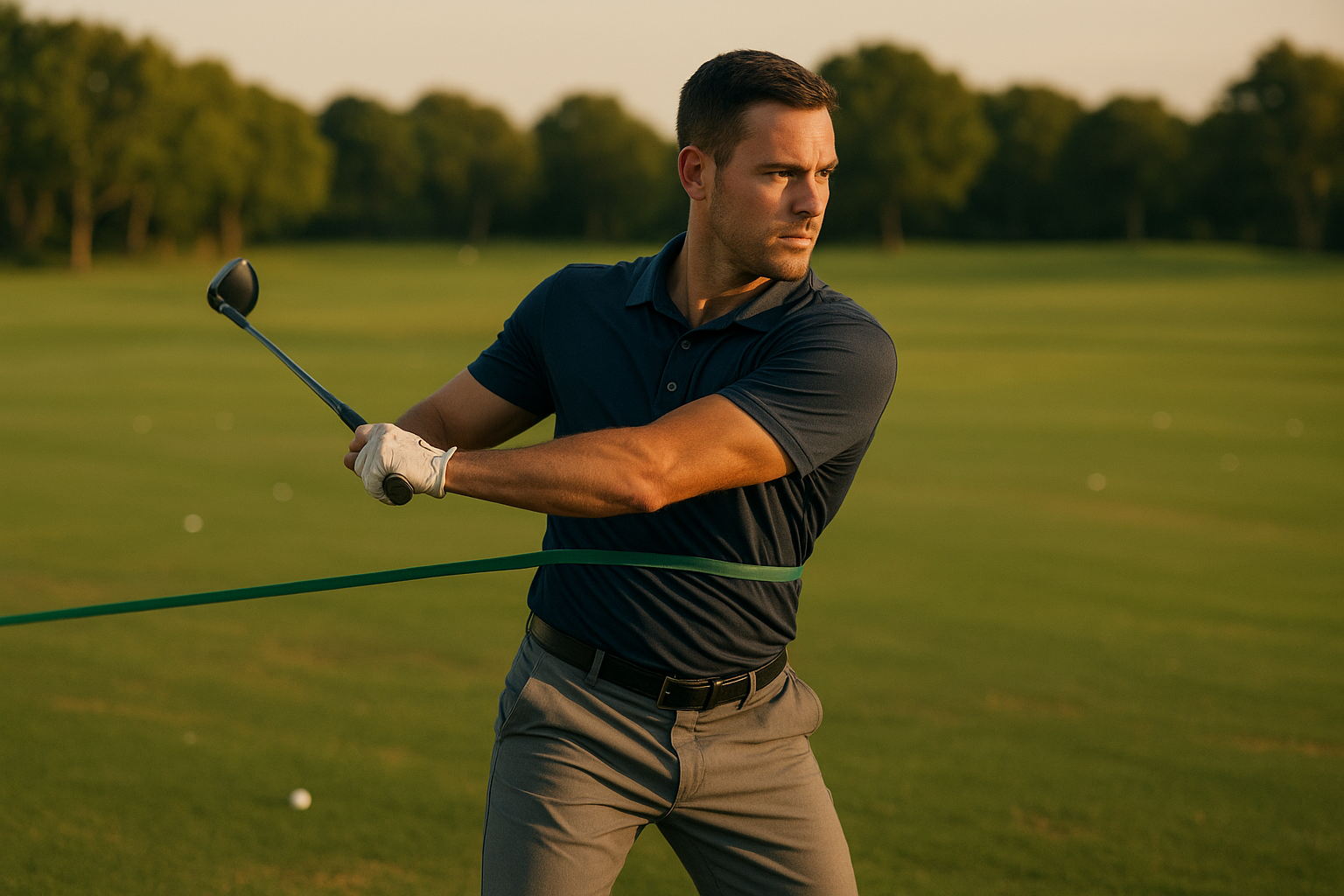
Golf injury prevention training is the structured practice of building swing mechanics, strength, and mobility that protect the body while improving performance on the course. For competitive golfers, aspiring professionals, and collegiate athletes, an injury can derail months of progress and cost critical tournament time. Fortunately, science-backed coaching offers a way to swing hard without breaking down over time. In particular, combining biomechanics with proven training principles gives serious players a repeatable framework for staying healthy long-term. Include an author byline and a clear "Last updated" date on the page to improve credibility and trust.
This guide breaks down what golf injury prevention training actually involves, why it matters, and how to build a program that protects your body while sharpening your game.
Quick answer: Golf injury prevention training reduces injury risk by correcting swing faults, improving joint mobility, and strengthening the muscles that absorb repetitive rotational force. It works best when biomechanical analysis, not just general fitness, guides the exercise plan.
What Is Golf Injury Prevention Training?
Golf injury prevention training combines swing analysis with targeted strength and mobility work to reduce stress on the body’s joints and soft tissue. Rather than treating fitness and technique as separate concerns, it treats them as one connected system. This matters because the golf swing is one of the most repetitive, high-torque movements in sport, and small mechanical errors compound over thousands of repetitions.
A well-built program typically starts with an assessment of how a golfer moves, not just how far they hit the ball. Coaches with a kinesiology background, the scientific study of human movement, can pinpoint exactly which joints or muscle groups are absorbing unsafe amounts of load. For a deeper look at how these mechanical forces work, this overview of golf swing mechanics on Wikipedia offers useful background.
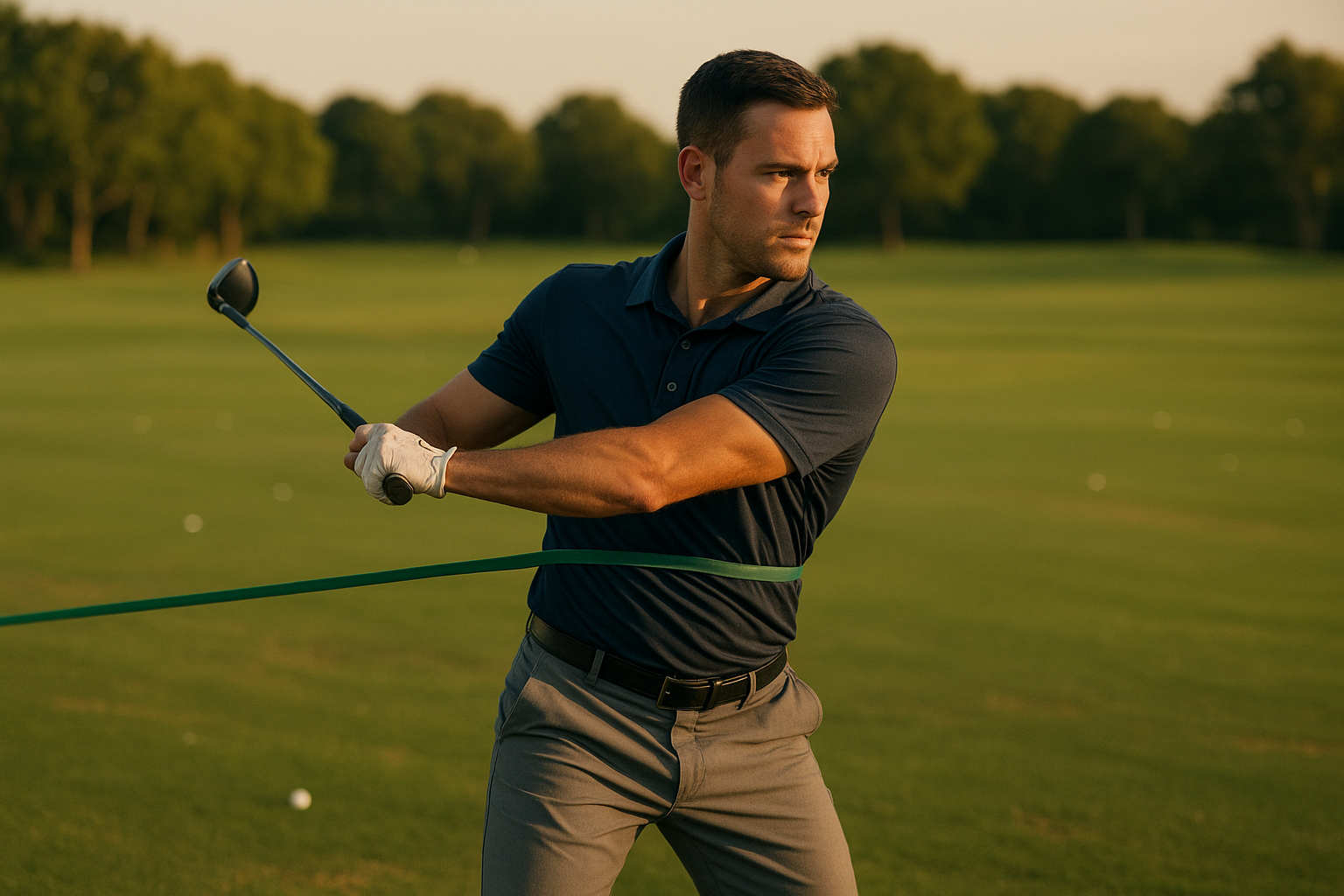
Mobility drills like this are a core part of golf injury prevention training programs.
Why Competitive Golfers Need Injury Prevention Strategies
Competitive golfers swing thousands of times per month between practice and tournament play. As a result, even small technical flaws get repeated so often that they eventually cause real damage. Injury prevention strategies matter here because a single setback, such as a stress fracture or torn labrum, can sideline a season.
Furthermore, elite-level competition leaves little room for extended recovery time. Consequently, many top programs now build injury prevention directly into training rather than addressing it only after pain appears. According to research summarized by the National Institutes of Health’s PMC database, golf-related injuries affect a substantial share of both amateur and professional players each year, with the lower back cited most often.
Players like Padraig Harrington, whose swing has been studied extensively over a long professional career, illustrate how technical refinement and physical durability go hand in hand. You can read more about the mechanics behind long-term consistency in this breakdown of Padraig Harrington’s swing approach.
The Biomechanics Behind Safe Swing Mechanics
Safe swing mechanics start with understanding how force travels through the body during the swing sequence. In particular, the hips, spine, and shoulders must rotate in a coordinated chain; when one link is restricted, another compensates and absorbs extra stress. This is precisely where biomechanical analysis becomes valuable.
For example, a golfer with limited hip rotation may unconsciously overuse the lower back to generate power, which increases injury risk over time. A detailed explanation of this chain reaction is available in this guide to golf swing biomechanics. Understanding these patterns early allows a coach to correct them before they become chronic issues.
Common Golf Injuries and Their Root Causes
Most golf injuries fall into a few predictable categories: lower back strain, elbow tendonitis, wrist sprains, and shoulder impingement. Specifically, these areas endure repeated rotational and impact forces every time a club strikes the ball. Above all, the lower back tends to suffer the most because it acts as the pivot point for the entire swing.
In addition, poor warm-up habits and rushed practice sessions often make these injuries worse. Similarly, golfers who ignore early discomfort frequently turn a minor strain into a long-term limitation. A closer look at one of the most common problem areas is covered in this research-based article on low back pain in golf.
Step-by-Step: Building a Golf Injury Prevention Training Program
Building an effective program does not require guesswork. Instead, it follows a logical sequence that most experienced coaches use with competitive players.
- Get a biomechanical swing assessment. Identify which movement patterns place excessive stress on the joints, spine, or connective tissue before making any changes.
- Test mobility and stability limitations. Check hip rotation, thoracic spine movement, and shoulder range, since limits here force dangerous compensations elsewhere.
- Build a targeted conditioning routine. Design exercises that directly address the specific limitations uncovered during testing rather than generic fitness work.
- Retrain swing mechanics gradually. Adjust patterns slowly with coaching feedback so new mechanics become natural instead of forced.
- Monitor progress and adjust the plan. Track pain levels and swing consistency over several weeks, then refine the program based on measurable results.
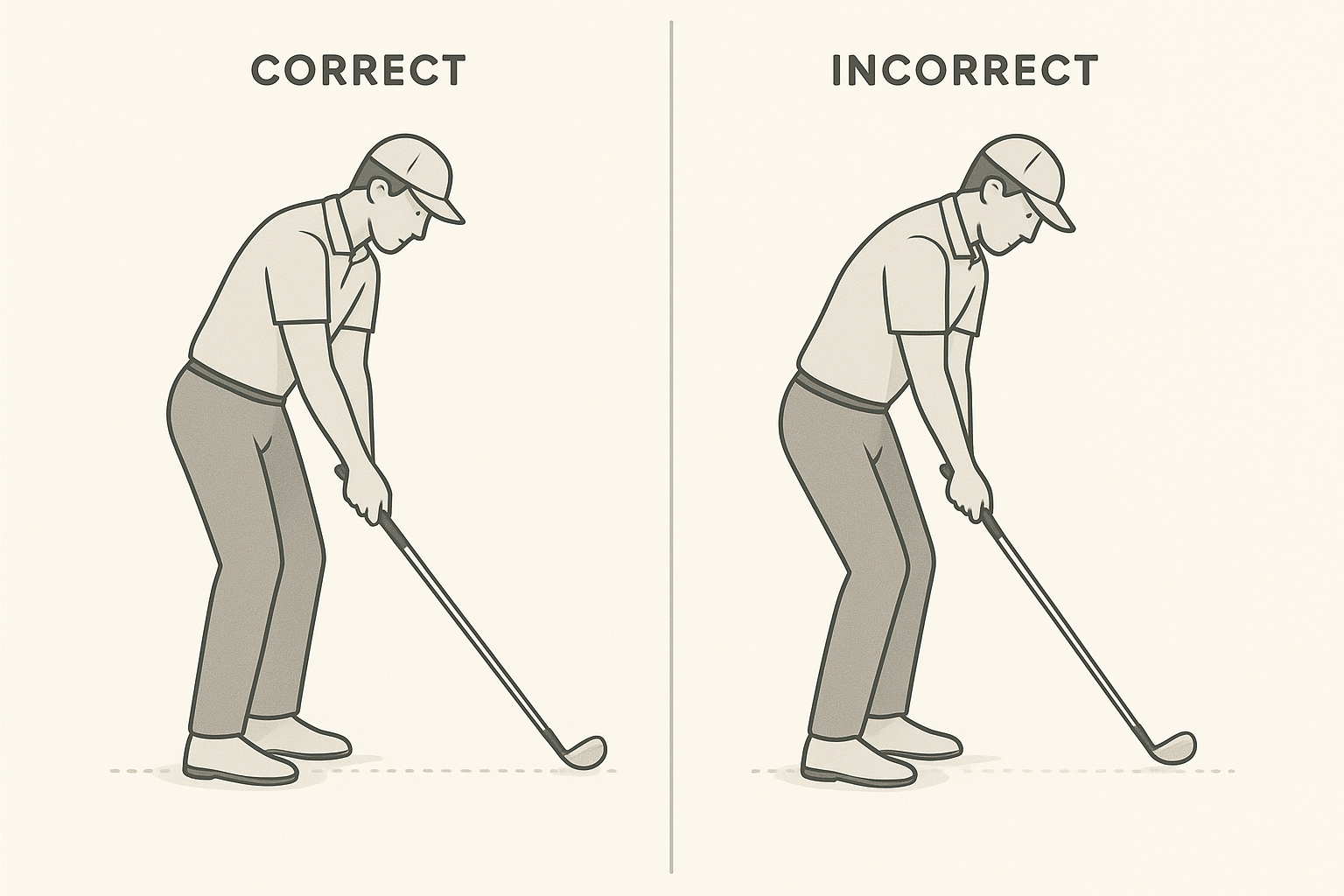
Comparing swing posture is a key diagnostic step in golf injury prevention training.
How Online Coaching Supports Injury Prevention Training for Golf
Online coaching has changed how injury prevention training for golf is delivered. Previously, golfers needed access to a local specialist with both biomechanics expertise and elite coaching credentials, which limited options considerably. Now, video-based swing analysis allows a highly qualified coach to review mechanics from anywhere.
For instance, a program built by an LPGA Master Professional with a PhD in kinesiology can apply the same depth of analysis remotely as it would in person. As a result, golfers who lack access to advanced local instruction can still receive data-driven, expert-level guidance. Learn more about this approach directly at yourgolfguru.com.
This remote model also removes travel barriers for collegiate players and traveling competitors. Consequently, consistent coaching continues even during a busy tournament schedule, which is difficult to maintain with a purely local instructor.
Rethinking the Swing to Reduce Long-Term Risk
Traditional swing instruction often focuses narrowly on ball flight, distance, and accuracy while overlooking the physical cost of certain techniques. However, a more complete approach considers how a swing change affects joint health over years, not just the next round. This broader view is explored further in this piece on thinking outside the traditional golf swing box.
In particular, chasing extra clubhead speed without addressing underlying mobility limits can accelerate wear on the spine and shoulders. Therefore, sustainable performance gains usually come from balancing power development with physical safety, not sacrificing one for the other.
Choosing the Right Coach for Golf Injury Prevention Training
Not every swing coach is equipped to deliver true golf injury prevention training. Specifically, look for credentials that combine elite playing or teaching experience with a scientific understanding of movement, such as a kinesiology degree or sports medicine background. This combination allows a coach to see both the technical and physical sides of the swing.
Additionally, ask whether the program includes ongoing monitoring rather than a single one-time assessment. Injury prevention is not a static fix; it requires periodic review as strength, mobility, and swing patterns evolve. A coach who tracks these changes over time will typically produce more durable, long-term results.
Frequently Asked Questions About Golf Injury Prevention Training
What is golf injury prevention training?
Golf injury prevention training is a structured approach to strength, mobility, and swing-mechanics work designed to reduce the risk of common golf injuries. It combines biomechanical analysis with conditioning exercises so the body can handle repetitive swing loads safely.
How does golf injury prevention training reduce the risk of injury?
It identifies swing patterns and movement limitations that place excess stress on joints, then corrects them through targeted drills. As a result, the body distributes force more evenly during the swing instead of overloading a single area.
Why do golfers need injury prevention training if they already have a swing coach?
A typical swing coach focuses on ball flight and technique, not necessarily on how the body physically produces that motion. Injury prevention training adds a biomechanical layer that protects the joints and tissues generating the swing.
What are the most common golf injuries?
The most common golf injuries involve the lower back, elbows, wrists, and shoulders, largely due to repetitive rotational stress. Lower back pain alone affects a significant share of both amateur and professional golfers.
How much does golf injury prevention training cost?
Costs vary widely depending on whether training is delivered locally, online, or as part of a broader coaching package. Online programs often provide access to elite-level expertise at a lower cost than in-person specialty clinics.
How long does it take to see results from injury prevention training?
Many golfers notice improved mobility and reduced discomfort within four to six weeks of consistent training. However, correcting deeper swing faults tied to injury risk can take a full season of deliberate practice.
Is golf injury prevention training only for competitive players?
No, while competitive amateurs and collegiate players benefit most from advanced coaching, recreational golfers also gain from basic injury prevention principles. Anyone who swings a club regularly is subject to the same repetitive-motion risks.
What is the difference between golf injury prevention training and general fitness training?
General fitness training builds overall strength and cardiovascular health without addressing golf-specific movement patterns. Golf injury prevention training, in contrast, targets the exact joint angles, rotational forces, and muscle groups involved in the golf swing.
How does biomechanics factor into golf injury prevention training?
Biomechanics, the study of how the body moves under physical forces, helps coaches pinpoint exactly where a swing places unsafe stress. This data-driven view allows training to target the true root cause rather than just the symptom.
What role does low back pain play in golf swing injuries?
Low back pain is one of the most frequently reported issues among golfers because the swing requires rapid spinal rotation under load. Addressing hip mobility and core stability is often the key to resolving it long-term.
What mistakes do golfers make that increase injury risk?
Common mistakes include skipping warm-ups, overusing the same muscle groups without recovery, and relying on compensations that mask an underlying mobility limitation. Ignoring early pain signals is another frequent cause of long-term damage.
Can online golf injury prevention training be as effective as in-person coaching?
Yes, when delivered through detailed video analysis and expert feedback, online golf injury prevention training can match or exceed local in-person options. This is especially true when the remote coach holds specialized biomechanics credentials that many local instructors lack.
How often should golfers do injury prevention exercises?
Most programs recommend two to four dedicated sessions per week alongside regular play or practice. Consistency matters more than intensity when building durable swing mechanics.
Final Thoughts on Staying Healthy While Improving Your Game
Ultimately, golf injury prevention training gives serious players a way to chase performance gains without sacrificing long-term health. By pairing biomechanical insight with a personalized conditioning plan, golfers can correct the small mechanical faults that lead to chronic pain and lost playing time. Above all, the goal is a swing that stays both powerful and sustainable across an entire career.
As this guide has shown, effective programs follow a clear process: assess, test, condition, retrain, and monitor. Whether working with a local specialist or an experienced online coach, the same principles apply. In the end, investing in golf injury prevention training now protects the years of competitive golf still ahead.