

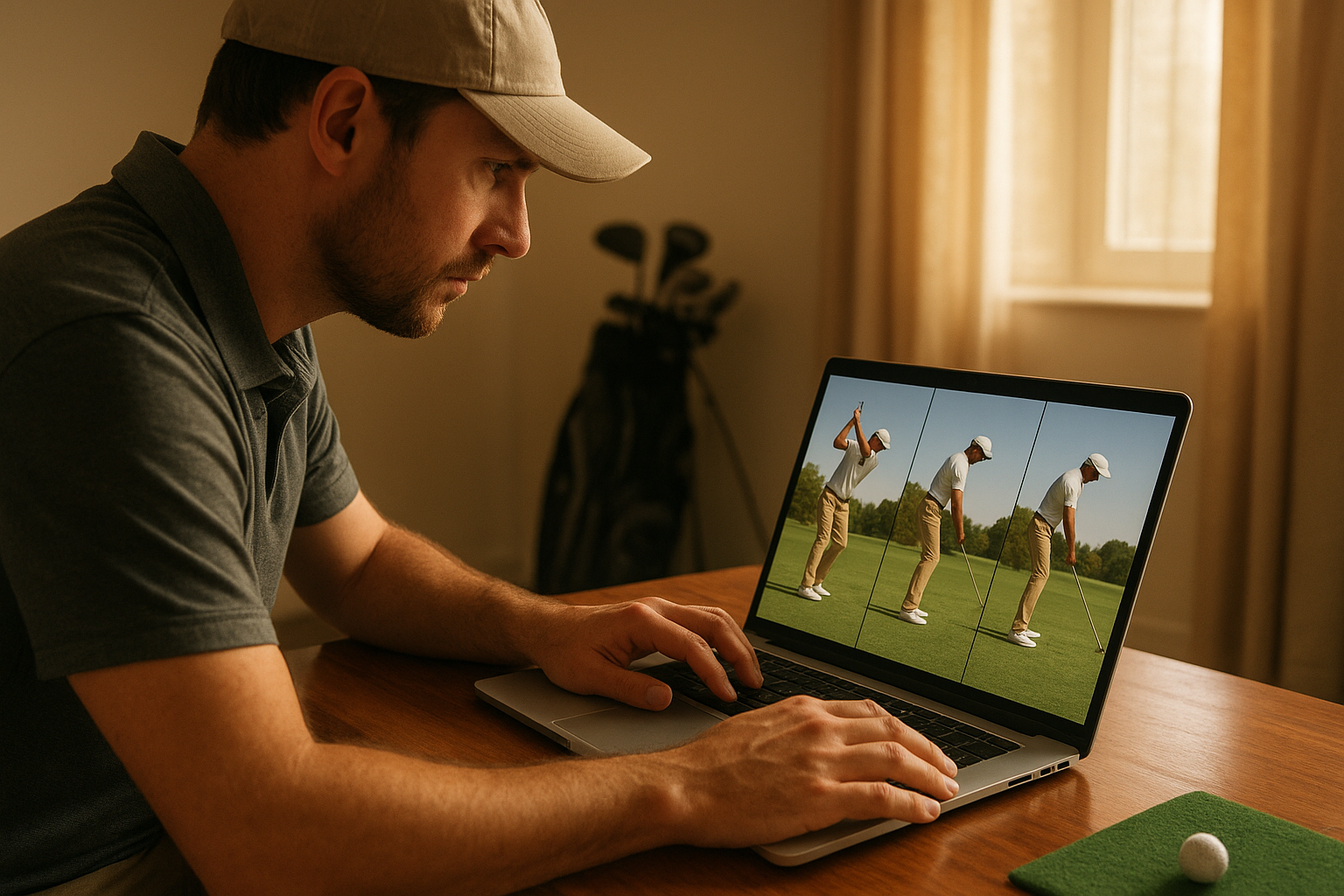
Tailored golf swing plans give competitive players a structured path to better mechanics, more power, and fewer injuries by building instruction around each golfer’s unique body, goals, and swing history. Unlike generic lessons or one-size-fits-all video courses, a tailored plan starts with real biomechanical data and adapts as the player improves. For collegiate athletes, competitive amateurs, and aspiring professionals, this kind of individualized coaching often closes the gap between good and elite performance. Below, we break down what these plans include, how they are built, and why science-based customization matters more than ever.
Quick answer: Tailored golf swing plans are personalized coaching programs built from an individual golfer’s swing assessment, movement patterns, and performance goals rather than generic instruction applied equally to every student. They combine biomechanical analysis with progressive drills to improve consistency while reducing injury risk.
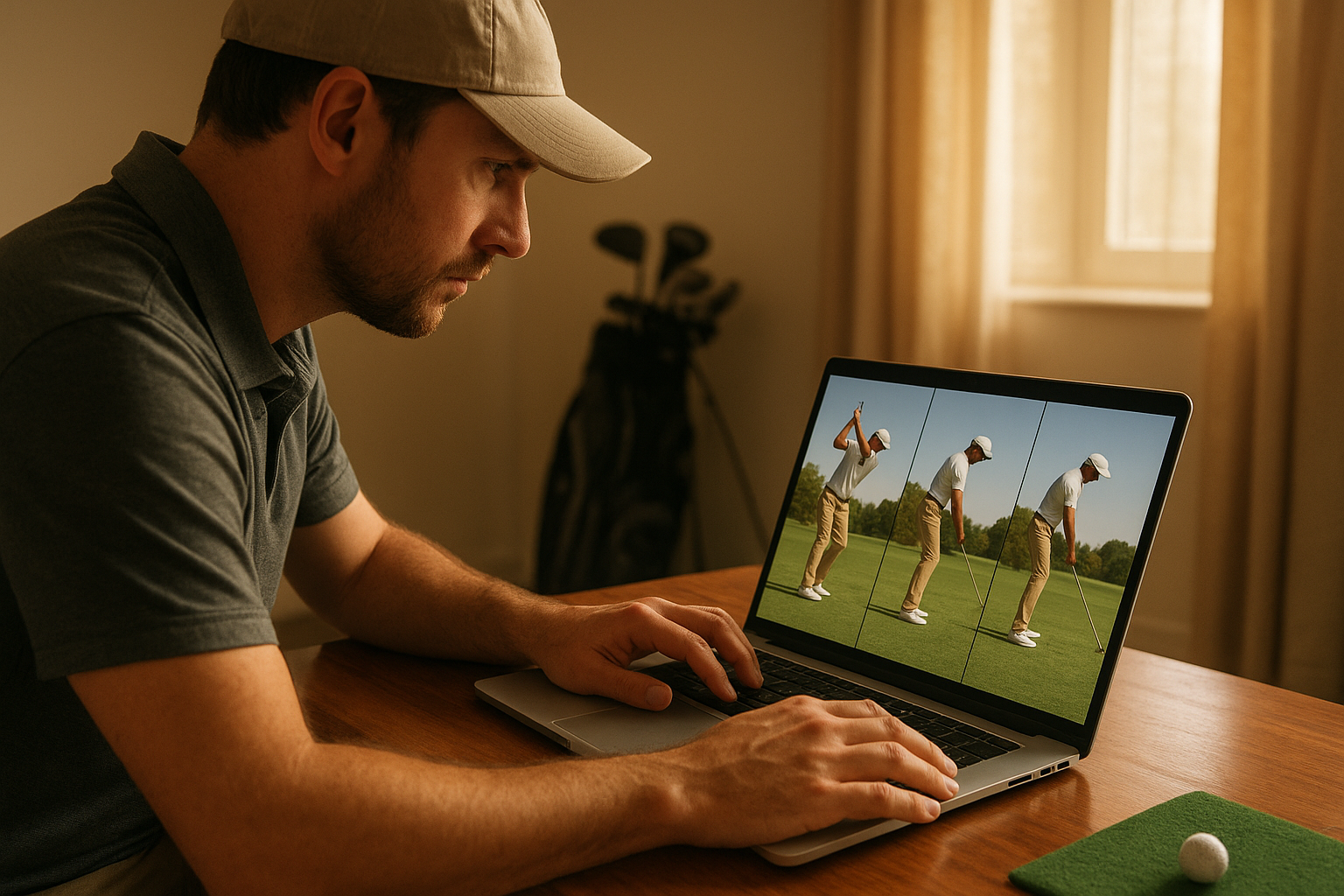
Reviewing frame-by-frame video is a core part of building tailored golf swing plans.
What Is a Tailored Golf Swing Plan?
A tailored golf swing plan is a coaching roadmap built entirely around one golfer’s body, swing tendencies, and competitive goals. Instead of teaching a single “ideal” swing model to every student, the coach first gathers data through video capture and physical screening. Consequently, the drills that follow are chosen because they fit that specific golfer’s mobility and mechanics, not because they worked for someone else.
For example, two players with similar handicaps might receive completely different drill sequences if one has restricted hip rotation and the other has excess wrist hinge. In addition, a tailored plan usually includes measurable checkpoints, so both coach and player can see whether clubhead speed, accuracy, or consistency is actually improving over time.
Why Tailored Golf Swing Plans Matter for Competitive Golfers
Competitive golfers face a narrower margin for error than recreational players, which is exactly why tailored golf swing plans matter so much at this level. A small flaw in sequencing can cost several strokes per round once pressure and fatigue enter the picture. Therefore, coaches who work with collegiate and elite amateurs typically prioritize root-cause correction over quick fixes.
Furthermore, research on amateur golf injuries suggests the stakes go beyond scoring. According to data summarized by the National Library of Medicine, a significant share of amateur golfers experience swing-related injuries, most commonly in the lower back, largely due to repetitive rotational stress. As a result, a well-designed plan protects long-term health while it improves performance, which is a core reason serious players invest in a full golf performance assessment before committing to any swing changes.
How Personalized Swing Coaching Differs From Generic Lessons
Generic lessons often rely on broad checklists: keep your head still, rotate your hips, finish balanced. While these cues aren’t wrong, they ignore the fact that every golfer’s joints, flexibility, and strength profile are different. In contrast, personalized swing coaching starts with a diagnostic phase before any instruction begins.
Specifically, a personalized approach asks what is causing a slice or early extension, rather than simply telling the player to “swing more inside-out.” Above all, this distinction matters because fixing a symptom without addressing its cause often leads to new compensations. Golfers who want a deeper look at this contrast can review advanced swing techniques for serious golfers to see how targeted instruction differs from generic tips.

Motion capture and biomechanical data help coaches design accurate tailored golf swing plans.
The Role of Biomechanics and Kinesiology in Custom Swing Programs
Biomechanics, the study of how forces act on and within the body during movement, sits at the center of any credible custom swing program. Coaches trained in this science can pinpoint exactly where energy leaks occur during the downswing, rather than guessing based on visual impression alone.
Similarly, kinesiology, the scientific study of human movement, informs how drills are sequenced to avoid overloading vulnerable joints like the lumbar spine or lead wrist. When a coach holds both elite teaching credentials and an academic background in kinesiology, the resulting plan tends to balance performance gains with injury prevention more effectively than instinct-based coaching alone. This is precisely the blended approach behind the plans built through yourgolfguru.com, where swing mechanics are evaluated through a science-first lens.
How to Build a Tailored Golf Swing Plan: Step-by-Step
Building an effective plan follows a fairly consistent sequence regardless of the golfer’s level. Below is the process most science-based coaches use when developing tailored golf swing plans for competitive players.
- Complete a full swing assessment. Record video from face-on and down-the-line angles to evaluate posture, sequencing, and clubface control at impact.
- Run a biomechanical and mobility screen. Identify joint restrictions or past injuries before assigning any drills, so the plan works with the body rather than against it.
- Set specific, measurable goals. Define exact targets, such as clubhead speed or dispersion width, so progress can be tracked objectively.
- Design a phased drill sequence. Address root causes first, moving from slow positional work to full-speed application on the range and course.
- Implement remote video feedback. Submit swing footage on a regular schedule so a coach can adjust drills before compensations become habits.
- Reassess and refine regularly. Repeat the assessment every few weeks to update goals and retire drills that are no longer needed.
Golfers who want more detail on the diagnostic stage can start with a complete swing analysis guide before beginning step one.
Choosing the Right Partner for Your Tailored Golf Swing Plan
Not every coach is equipped to build tailored golf swing plans that hold up under competitive pressure. Therefore, it helps to look for a few specific qualifications before committing to a program.
First, confirm the coach has verifiable teaching credentials, such as an LPGA or PGA certification, rather than informal experience alone. Second, ask whether the plan is grounded in biomechanical or kinesiology-based analysis, since this typically separates science-backed coaching from opinion-based instruction. Finally, consider whether the program can be delivered remotely, which matters for golfers who lack access to elite instruction locally. Governing bodies such as the USGA maintain resources on player development that can help contextualize what serious improvement should look like at each level. For a broader framework on evaluating your own trajectory, the science-based performance optimization guide is a useful next step, as is reviewing strategies for competitive golfers to improve quickly.

Remote video coaching allows tailored golf swing plans to be delivered from anywhere.
Frequently Asked Questions About Tailored Golf Swing Plans
What is a tailored golf swing plan?
A tailored golf swing plan is a personalized coaching program built around one golfer’s specific swing mechanics, physical assessment, and performance goals rather than generic instruction. It typically includes video analysis, biomechanical evaluation, and a progressive drill sequence.
How long does it take to see results?
Most competitive golfers notice measurable changes within four to eight weeks of consistent practice. However, deeper mechanical changes involving timing and sequencing can take a full season to hold up under pressure.
How much do tailored golf swing plans typically cost?
Pricing varies depending on coach credentials, session frequency, and whether the plan includes ongoing video review. Remote, science-based programs often cost less than in-person elite coaching while delivering comparable technical depth.
How is this different from standard golf lessons?
Standard lessons often apply the same drills to every student regardless of body type or swing history. A tailored plan starts with an individual assessment and adapts continuously based on progress and physical constraints.
Can these plans be delivered online?
Yes, many elite coaches now deliver fully personalized plans remotely using swing video, motion analysis tools, and scheduled feedback calls. This removes the need to travel to a physical training facility.
Who benefits most from a customized swing plan?
Competitive amateurs, collegiate players, and aspiring professionals benefit most because they need precision beyond generic instruction. Golfers recovering from injury also gain from the safety-focused approach.
What role does biomechanics play in these plans?
Biomechanics identifies how forces move through the body during the swing, revealing inefficiencies or injury risks invisible to the naked eye. Coaches use this data to design drills that improve power transfer safely.
What mistakes happen without a personalized plan?
Without customization, golfers often copy swing tips that don’t match their body type, leading to compensations and plateaus. Many also skip physical screening, increasing the risk of overuse injuries.
How often should a plan be reassessed?
Most coaches recommend reassessing every four to six weeks during active development phases. This keeps drills aligned with the golfer’s evolving strengths and any new physical limitations.
Do these plans help prevent injuries?
Yes, because they account for individual joint mobility and movement patterns before assigning drills. This reduces the repetitive strain that generic instruction often overlooks.
What technology is used to build one?
Coaches commonly use high-speed video, launch monitors, and motion analysis software to measure clubhead speed, sequencing, and rotation. These data points shape each drill recommendation.
Are these plans only for professionals?
No, serious amateurs and collegiate athletes use them just as often as professionals. The key qualifier is commitment to structured improvement rather than current skill level.
How do I get started?
Start with a full swing and movement assessment so a coach can identify strengths, faults, and injury risks. From there, most programs build a phased plan with clear milestones and regular check-ins.
Final Thoughts
Ultimately, tailored golf swing plans give competitive players a repeatable, science-backed way to improve without guessing which drills apply to their specific swing. By combining biomechanical assessment with progressive, goal-driven coaching, golfers can build power and consistency while protecting their long-term physical health. As you consider your own next step, remember that the strongest plans start with data, not assumptions, and adapt as your game evolves.