

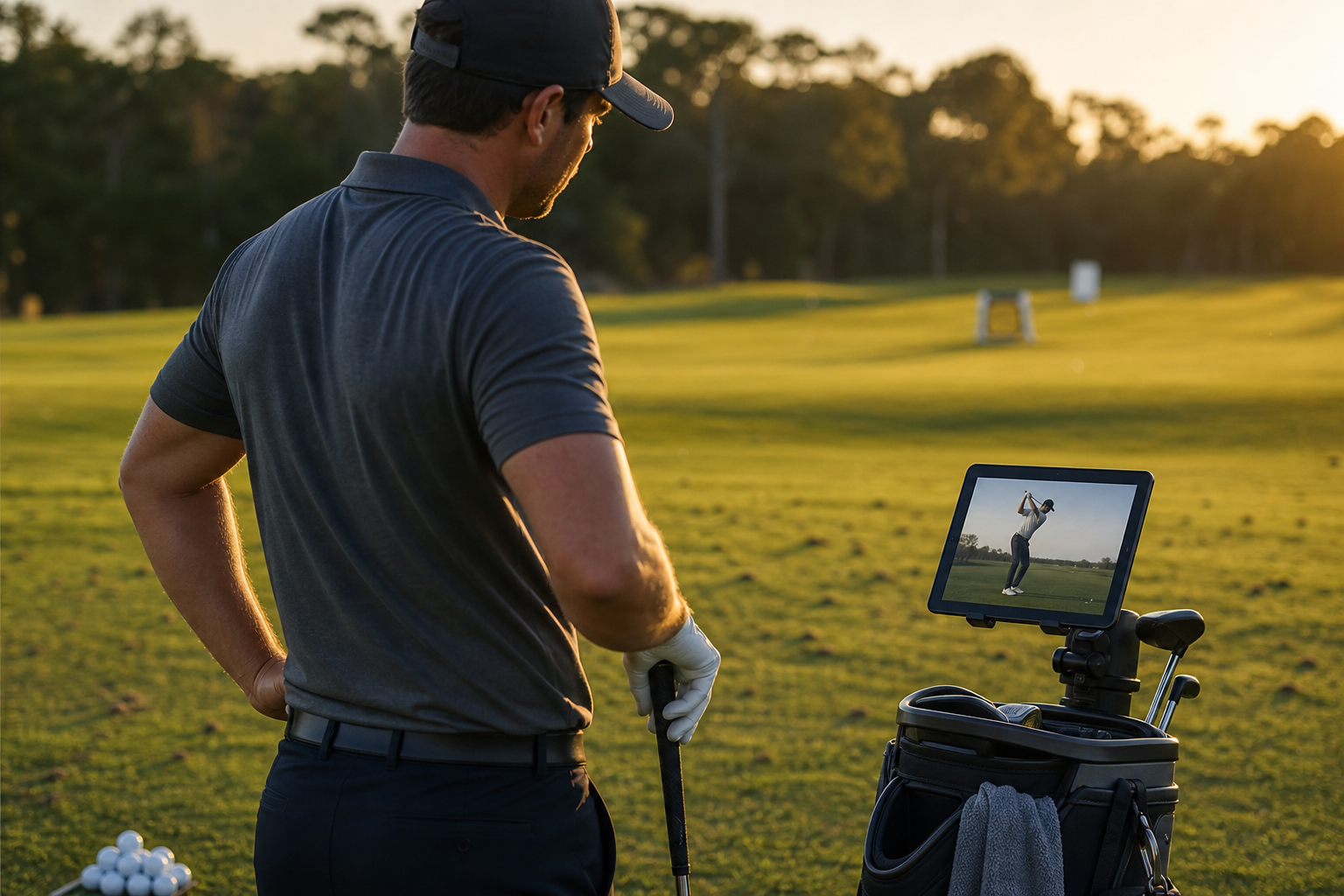
Tailored golf performance programs are training plans built around one player’s swing data, physical profile, and scoring goals. For serious golfers, they offer a faster route to improvement than copying tour pros or following one-size-fits-all lesson series. This guide explains how they work, what to look for, and how to start.
Quick answer: A tailored program starts with an assessment of your swing and body. It then sets a short list of priorities, gives you targeted drills, and adjusts as you improve.
What Are Tailored Golf Performance Programs?
Tailored golf performance programs are individualized plans that connect swing mechanics, physical readiness, and practice habits. Instead of giving every player the same drills, the coach identifies the few limits that cost you the most strokes. Then the plan targets those limits in order.
For example, two players may both slice the ball. One may lack hip rotation, while the other may have a steep downswing path. As a result, each needs a different fix.
Why Personalized Golf Training Beats Generic Advice
Bodies differ in height, flexibility, strength, and movement history. Consequently, a swing that looks ideal on one player can strain another. The USGA and other governing bodies publish rules and research, but they do not coach your individual motion.
Personalized plans also save time. Rather than testing random tips, you work on the changes most likely to move your scoring average.
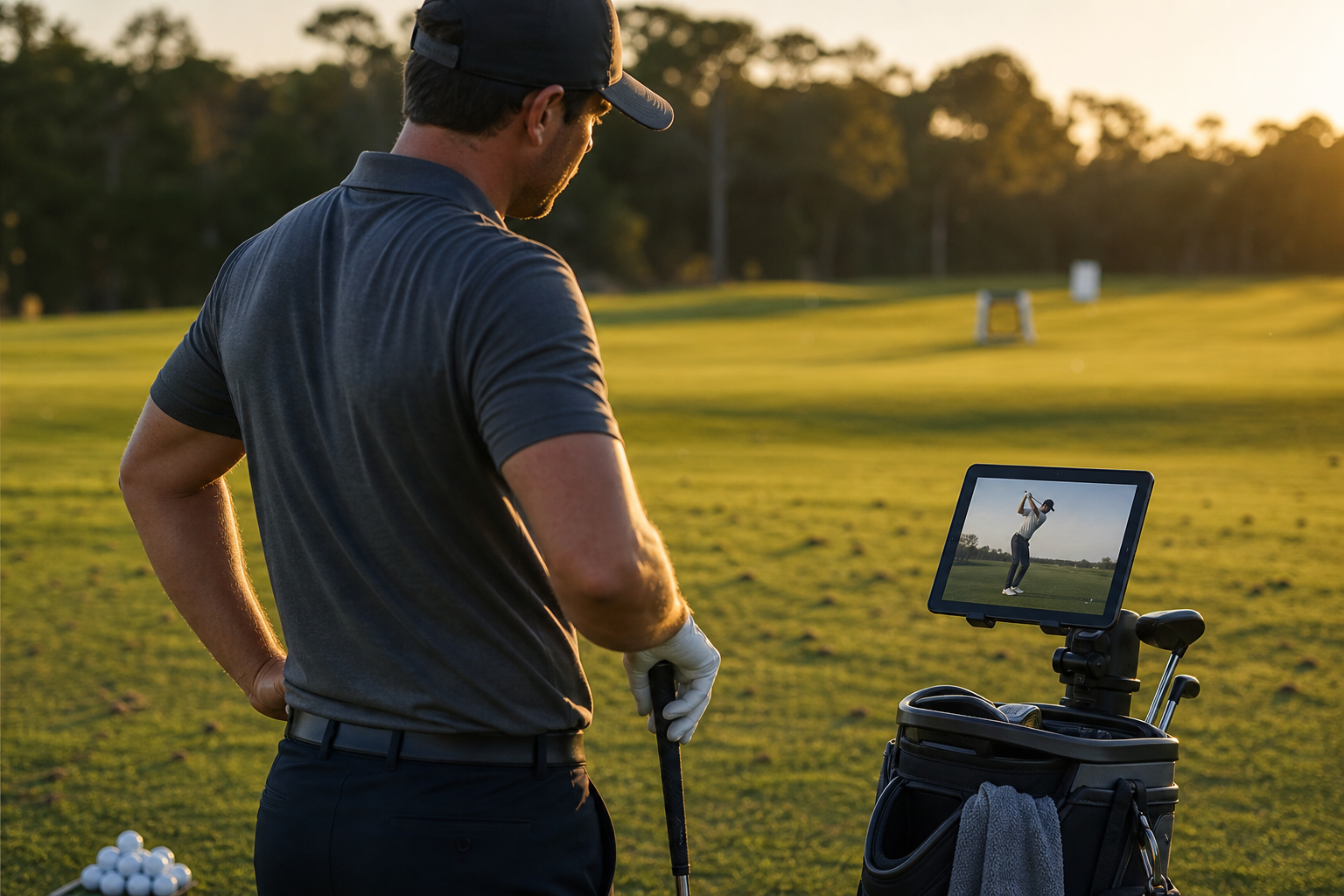
A golfer checks swing video between range sets, a common starting point for tailored golf performance programs.
The Science Behind Customized Golf Coaching
Kinesiology is the study of human movement. In golf, it explains how your joints, muscles, and sequencing produce clubhead speed. In addition, it shows where the swing places stress on the body.
Power, accuracy, and consistency
Power comes from efficient sequencing, not just effort. Accuracy depends on face and path control. Consistency grows when your body can repeat the motion under pressure.
Injury prevention
Repeated swings load the lower back, hips, and shoulders. Therefore, a plan that respects your mobility limits protects your long-term playing career. This is why yourgolfguru.com pairs LPGA Master Professional coaching with a PhD-level kinesiology background.
What a Good Program Includes
| Component | What it does |
|---|---|
| Swing assessment | Finds the main mechanical limits |
| Physical screening | Checks mobility, strength, and pain history |
| Priority plan | Limits focus to two or three changes |
| Feedback loop | Adjusts drills based on new video |
For related reading, see these guides on online golf fitness programs for elite players and high-performance training for competitive players.
How to Start a Personalized Golf Plan
- Set measurable goals, such as handicap, distance, or fairways hit.
- Record face-on and down-the-line swing video in good light.
- Share your mobility, strength, and injury history.
- Review the diagnosis and agree on two or three priorities.
- Practice the drills and upload new video on schedule.
If you want a deeper walkthrough, read how to develop a personalized golf swing plan fast.
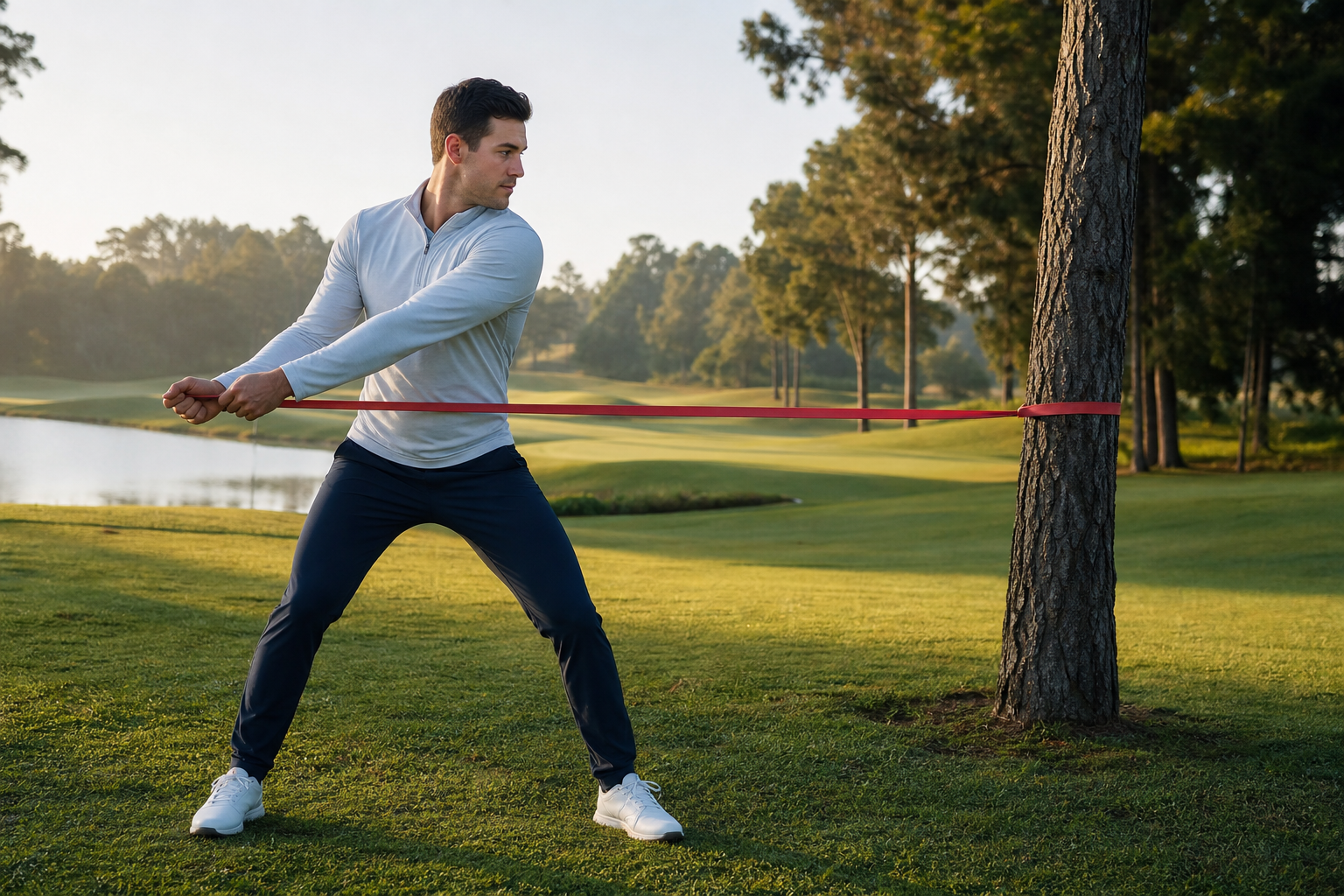
Mobility work supports safer, more repeatable swing mechanics.
Is Online Coaching Right for You?
Online coaching removes travel and gives access to specialists anywhere. Video allows slow-motion review, and you can replay feedback between sessions. However, it works best for players who are disciplined about filming and practice.
Competitive amateurs, collegiate players, and aspiring professionals often fit this model well. To see how coaching is individualized, explore customized swing coaching for elite golfers online. You can also read about golf proficiency training.
How to Choose a Coach
First, verify credentials. Organizations such as the LPGA maintain professional standards for teaching. Second, ask how the coach assesses your body, not only your swing. Third, request a clear scope of feedback and communication.
Finally, be cautious with guaranteed results. Golf improvement depends on effort, health, and time.
Frequently Asked Questions
What are tailored golf performance programs?
Tailored golf performance programs are training plans built around one golfer’s swing data, body, goals, and schedule. They replace generic drills with targeted work on the specific limits holding that player back.
Who benefits most from a tailored program?
Competitive amateurs, collegiate players, and aspiring professionals benefit most. At that level, small mechanical and physical gaps cost strokes.
How do online tailored golf performance programs work?
You submit swing video and background information, and the coach analyzes it remotely. You then receive a plan, practice instructions, and feedback through a digital platform.
Is online coaching as effective as in-person lessons?
It can be, because video review allows frame-by-frame analysis and repeated feedback. Effectiveness depends mostly on coach expertise and how consistently you follow the plan.
How long before I see results?
Many players notice better feel and contact within a few weeks. Lasting changes in mechanics and strength usually take several months of consistent work.
Why does kinesiology matter in golf coaching?
Kinesiology is the study of human movement. It helps a coach match swing changes to what your body can safely do, which improves efficiency and lowers injury risk.
How is a tailored program different from a generic swing course?
A generic course teaches one method to everyone. A tailored program starts with your measurements and tendencies, then adjusts the method to fit you.
What should I send my coach at the start?
Send face-on and down-the-line swing videos, your typical miss patterns, and any injury history. Add your handicap, goals, and tournament schedule.
Can a program help prevent golf injuries?
Yes. Coaching that respects your mobility and strength limits reduces harmful stress on the back, hips, and shoulders. It cannot eliminate injury risk entirely.
How much do tailored programs cost?
Prices vary widely by coach, length, and level of feedback. Ask for a clear breakdown of what is included before you commit.
What mistakes should I avoid when choosing a program?
Avoid programs that promise guaranteed results or skip any assessment of your body. Also avoid coaches with no verifiable credentials.
How often should I update my plan?
Review it every four to eight weeks, or sooner after an injury, equipment change, or tournament block. Your needs change as your game does.
Conclusion
Tailored golf performance programs work because they fit the plan to the player. They combine swing analysis, physical screening, focused priorities, and steady feedback. If you are a serious competitor, choose a coach with verifiable credentials and a science-based method, then commit to the process. You can learn more about this approach at yourgolfguru.com.