

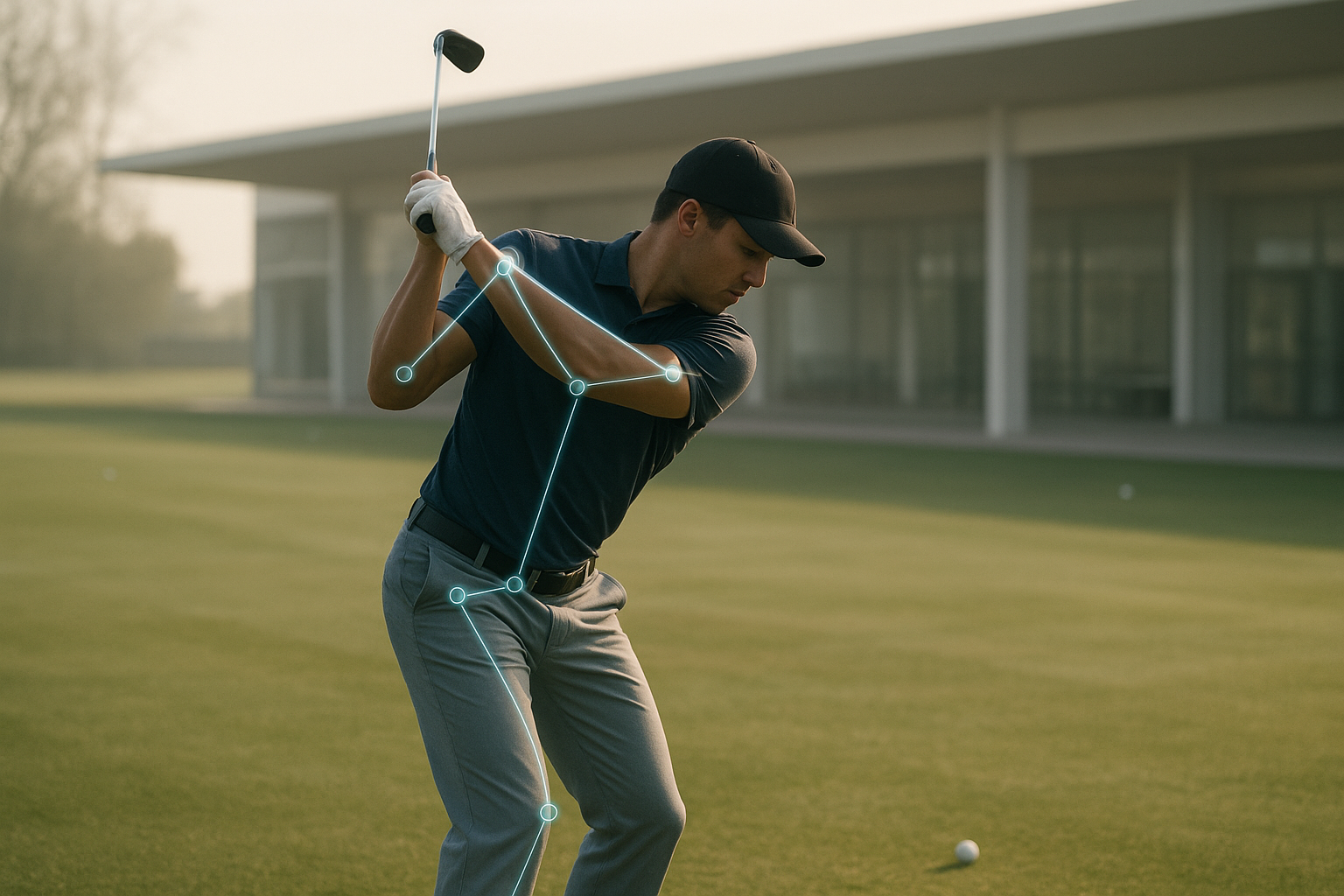
Swing modeling for performance is the practice of using biomechanical data and motion analysis to build a repeatable, powerful golf swing that holds up under competitive pressure. Rather than relying on generic tips, this approach treats the golf swing as a measurable system of joint angles, forces, and sequencing that can be studied, refined, and rebuilt for better results. Consequently, competitive amateurs, collegiate players, and aspiring professionals can use swing modeling for performance to pursue more consistent ball striking, greater distance, and fewer injuries. In this guide, you will learn what it involves and how to apply it to your own game.
In short, swing modeling for performance means capturing your swing on video or motion-capture technology, comparing it against biomechanically sound movement patterns, and then adjusting your mechanics to boost power, accuracy, and consistency while reducing injury risk.
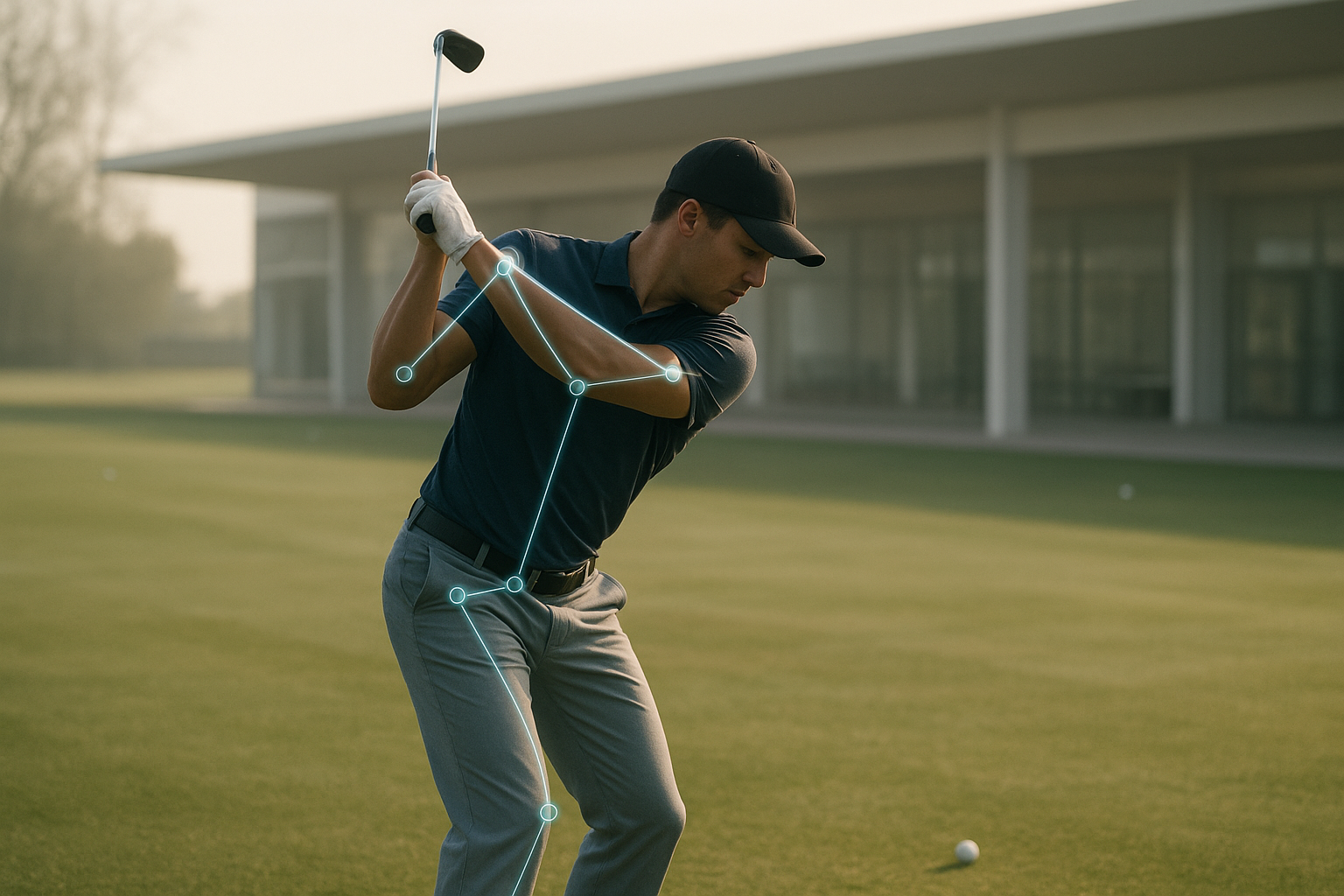
Motion-capture overlays help coaches evaluate swing modeling for performance with objective, measurable data.
What Is Swing Modeling for Performance?
Swing modeling for performance is a structured method for analyzing and improving the golf swing using measurable data rather than guesswork. Specifically, it combines video analysis, launch monitor numbers, and sometimes 3D motion capture to map how a golfer’s body moves through each phase of the swing.
Unlike a casual lesson focused on one swing thought, this method examines the entire kinetic chain, the sequence of body segments that transfer energy from the ground to the clubhead. As a result, coaches can pinpoint exactly where power leaks or timing breaks down.
This approach draws heavily on kinesiology, the scientific study of human movement, and biomechanics, the study of forces acting on the body. Therefore, an instructor with a science background can identify subtle compensations that a purely visual assessment might miss, which is why swing modeling for performance has become a valuable resource for serious players.
Why Biomechanical Swing Analysis Matters for Competitive Golfers
Biomechanical swing analysis matters because it removes subjectivity from swing improvement. In particular, competitive golfers cannot afford to guess when a single swing flaw can cost strokes in tournament play.
For example, elite golfers generate clubhead speed through efficient sequencing of the pelvis, torso, arms, and club, often called the kinematic sequence. When this sequence breaks down, golfers frequently compensate with excessive arm effort, which reduces both power and consistency.
Similarly, understanding overall movement matters. Some golfers benefit from reducing unnecessary motion, as explained in this breakdown of why and how overall swing movement should be reduced. Reducing excess movement can improve timing and reduce strain, particularly for players managing a demanding competition schedule. Ultimately, biomechanical swing analysis gives competitive golfers an objective foundation for building a swing that is both powerful and sustainable.
The Science Behind Data-Driven Swing Mechanics
Data-driven swing mechanics rely on measurable inputs such as clubhead speed, angle of attack, and body rotation sequencing. These numbers replace guesswork with evidence, which is especially valuable for golfers competing at a high level.
Notably, studies of elite players often reveal shared movement patterns despite differences in body type. For instance, a closer look at six top women’s backswings reveals a common factor connecting some of the most efficient players in the game, while a follow-up analysis of six more top women’s backswings confirms the pattern is not coincidental.
Furthermore, historical swing methods still inform modern coaching. The stack and tilt approach, associated with Sergio Garcia’s swing, illustrates how weight distribution and spine angle influence consistency long before motion-capture technology existed. As a result, combining historical insight with current biomechanical data creates a more complete swing model, and golfers can track whether adjustments actually translate into more consistent ball striking during competition.
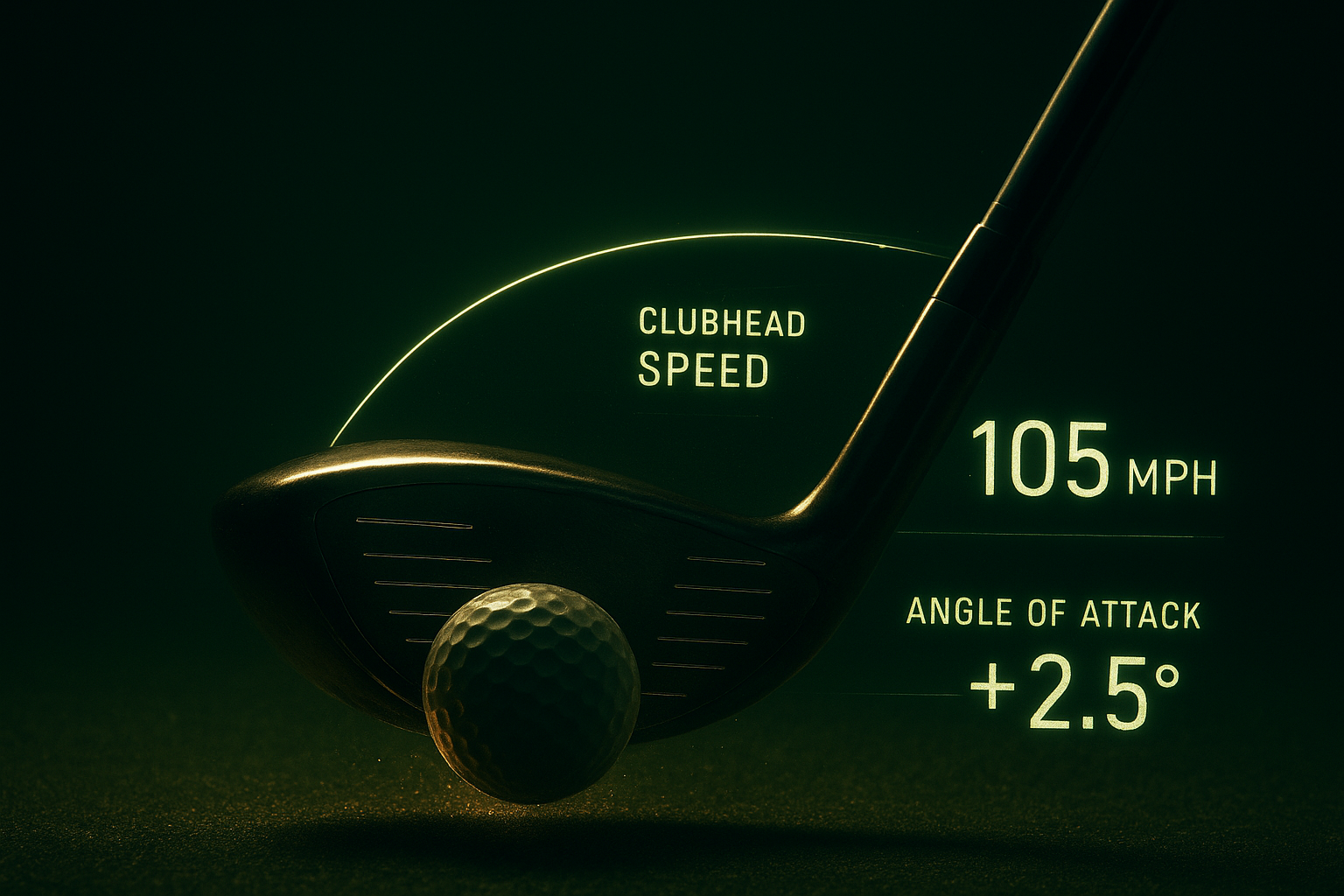
Tracking clubhead speed and angle of attack supports accurate, data-driven swing mechanics.
How to Build a Swing Model: A Step-by-Step Process
Building an effective swing model follows a clear, repeatable process. Below is the general framework used by data-driven coaches to move a golfer from raw video footage to a refined, performance-ready swing.
- Capture baseline swing data. Record multiple swings from face-on and down-the-line angles using video or 3D motion capture to establish an accurate biomechanical baseline before making any changes.
- Analyze key positions and sequencing. Compare hip rotation, shoulder turn, and clubface angle at address, backswing, and impact against efficient, injury-safe movement patterns used by elite players.
- Identify inefficiencies and injury risks. Pinpoint compensations such as excessive spinal tilt or early extension that limit power, reduce accuracy, or place unnecessary strain on the joints.
- Build a personalized swing model. Design a target movement pattern based on the golfer’s body type, mobility limitations, and competitive goals rather than a generic template.
- Implement and retest. Practice the new movement pattern using targeted drills, then re-measure swing data to confirm measurable improvements in power, accuracy, and consistency.
Consequently, this five-step process turns swing modeling for performance into a measurable, repeatable system rather than a one-time fix. Above all, retesting matters most, because it confirms whether changes actually work under real conditions, including during competition.
Swing Efficiency Modeling and Injury Prevention
Swing efficiency modeling focuses on generating maximum power with minimal, safe effort. In particular, this matters for golfers who play year-round and cannot afford time away from competition due to injury.
For example, understanding when technical precision starts to override natural athletic movement, sometimes discussed in this piece on when golf becomes G.O.L.F., helps golfers recognize that overemphasizing mechanics without efficiency can actually increase injury risk rather than reduce it.
Moreover, injury prevention should never be separated from performance goals. According to guidance from the Centers for Disease Control and Prevention, proper movement mechanics play a central role in reducing musculoskeletal injuries across sports, including golf. Research on amateur golfers also suggests that roughly one in four report lower back pain linked to swing mechanics, which highlights why safety-focused coaching matters as much as distance gains. Therefore, a well-built swing model protects the body while it improves scoring potential.
Choosing the Right Coach for Swing Modeling for Performance
Choosing the right coach matters just as much as the technology used during analysis. Specifically, look for a coach who combines credentialed teaching experience with a genuine scientific background in movement, since this pairing tends to produce more reliable, safer results.
For instance, yourgolfguru.com offers remote coaching built specifically around swing modeling for performance, led by an LPGA Master Professional who also holds a PhD in kinesiology. This combination blends decades of teaching experience with biomechanical science, which is uncommon among typical local instructors. Because instruction is delivered digitally, competitive amateurs, collegiate players, and aspiring professionals can receive advanced technical guidance without traveling to a physical facility.
Furthermore, a strong coaching relationship should prioritize both performance and physical safety. Rather than chasing speed alone, the best programs build swing models that remain sustainable across an entire competitive season. You can review this coaching approach directly at yourgolfguru.com.
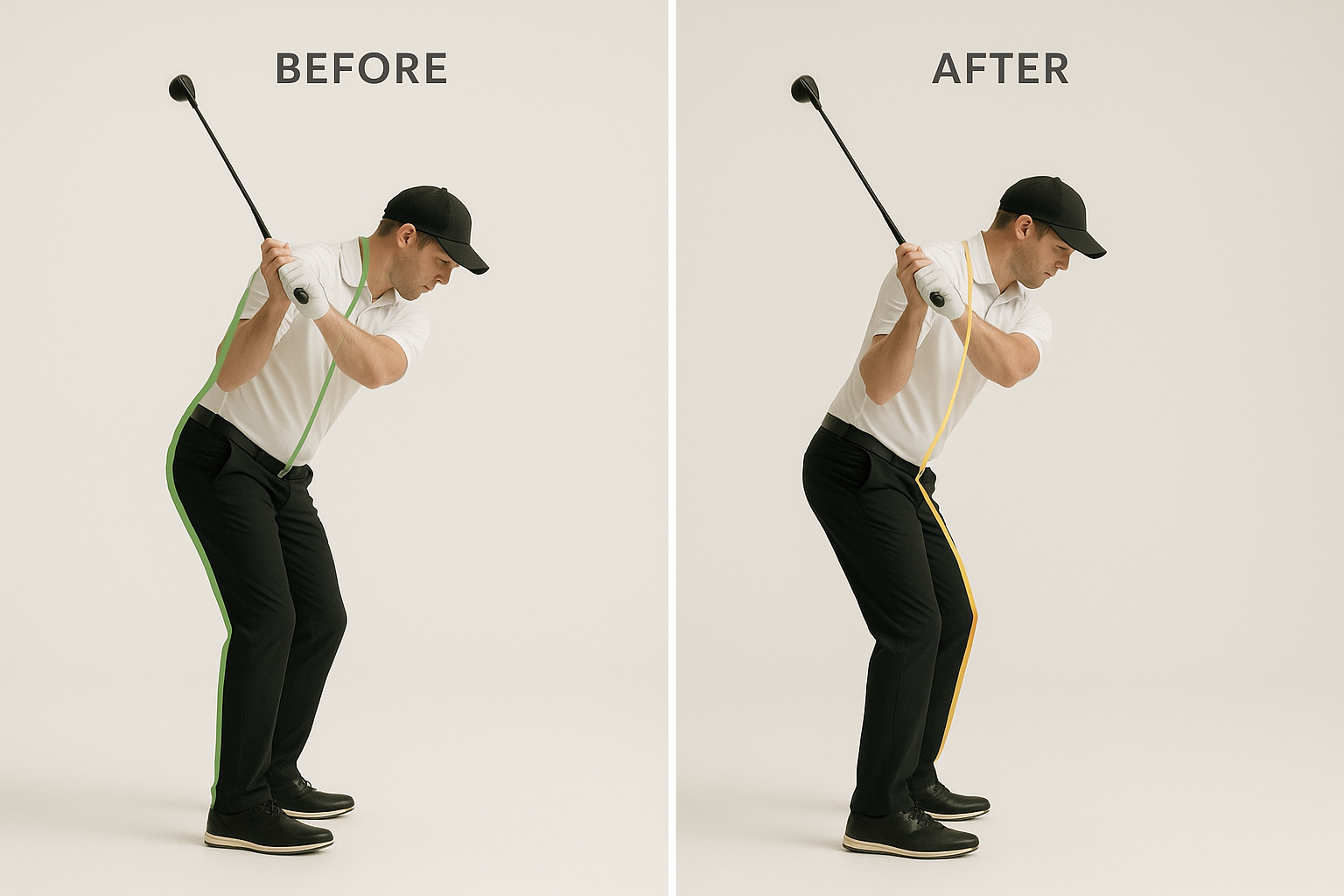
Consistent coaching and data review help golfers refine their swing model over time.
Frequently Asked Questions About Swing Modeling for Performance
What is swing modeling for performance?
Swing modeling for performance is the process of using biomechanical data, such as video and motion capture, to build a repeatable, efficient golf swing. It focuses on improving power, accuracy, and consistency while reducing injury risk.
How does swing modeling for performance differ from a regular golf lesson?
A regular lesson often addresses a single swing thought, while swing modeling for performance evaluates the entire kinetic chain using measurable data. This allows coaches to target root causes rather than surface symptoms.
How long does it take to see results from swing modeling for performance?
Most golfers notice measurable changes within four to eight weeks of consistent practice, though full integration into competitive play can take a full season.
What technology is used in swing modeling for performance?
Coaches typically use high-speed video, launch monitors, and sometimes 3D motion capture to gather swing data with far more precision than the naked eye.
Why is swing modeling important for competitive golfers?
Competitive golfers need consistency under pressure, and swing modeling for performance removes guesswork by identifying exactly which mechanics limit scoring potential.
How much does swing modeling for performance typically cost?
Costs vary depending on whether coaching is in person or remote. Online programs built around swing modeling for performance often cost less than in-person biomechanical labs while still delivering expert-level analysis.
What are common mistakes golfers make when trying to model their swing?
A common mistake is copying a tour player’s swing without accounting for individual body type or mobility. Another is focusing only on power while ignoring sequencing.
Can swing modeling for performance be done remotely online?
Yes, many golfers complete swing modeling for performance entirely online by submitting video for analysis and receiving detailed digital feedback.
What is the role of kinesiology in swing modeling for performance?
Kinesiology, the scientific study of human movement, helps coaches understand how joints, muscles, and forces interact throughout the swing for safer, more precise adjustments.
How often should a golfer update their swing model?
A swing model should be reviewed after a performance plateau, an injury, or a significant equipment or conditioning change. Many competitive players revisit their model each season.
Does swing modeling for performance help prevent golf-related injuries?
Yes, identifying inefficient or unsafe movement patterns is a core part of swing modeling for performance, which can reduce repetitive stress on the back, hips, and wrists.
Who benefits most from swing modeling for performance?
Competitive amateurs, collegiate athletes, and aspiring professionals benefit most, since they require technical precision beyond typical local instruction.
What data points are analyzed during swing modeling for performance?
Coaches commonly analyze clubhead speed, angle of attack, hip and shoulder rotation, and the timing of the kinematic sequence.
How is swing modeling for performance different from swing analysis apps?
Consumer apps typically offer basic visual feedback without biomechanical context, while swing modeling for performance involves expert interpretation of movement data.
Final Thoughts
In conclusion, swing modeling for performance gives competitive golfers a science-backed way to build a swing that is powerful, accurate, and sustainable over time. By combining biomechanical analysis with expert coaching, golfers can move beyond generic tips and address the specific mechanics holding back their performance. Above all, this approach prioritizes both results and physical safety, ensuring gains are not undone by injury. Whether you are a collegiate athlete, competitive amateur, or aspiring professional, adopting swing modeling for performance can provide the objective foundation needed for long-term improvement. To explore this data-driven coaching approach further, visit yourgolfguru.com and take the next step toward a more consistent, powerful swing.