
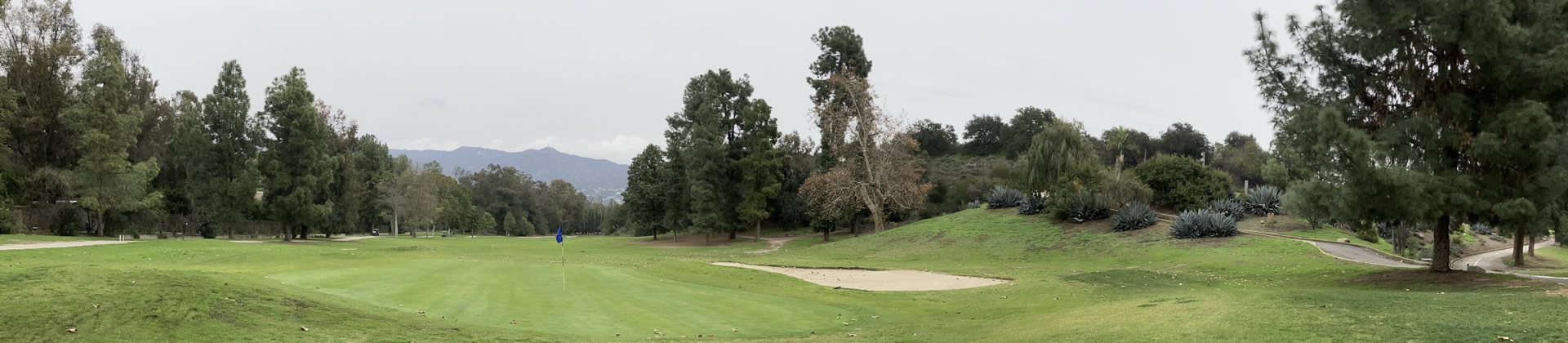
Remote golf swing improvement has become the fastest-growing path for competitive golfers who cannot find elite, technically advanced coaching near their home course. Instead of waiting for a once-a-year visit to a swing lab, players now send video straight to a qualified instructor and receive detailed, science-backed feedback within days. This shift matters most for collegiate players, serious amateurs, and aspiring professionals who need more than generic range tips.
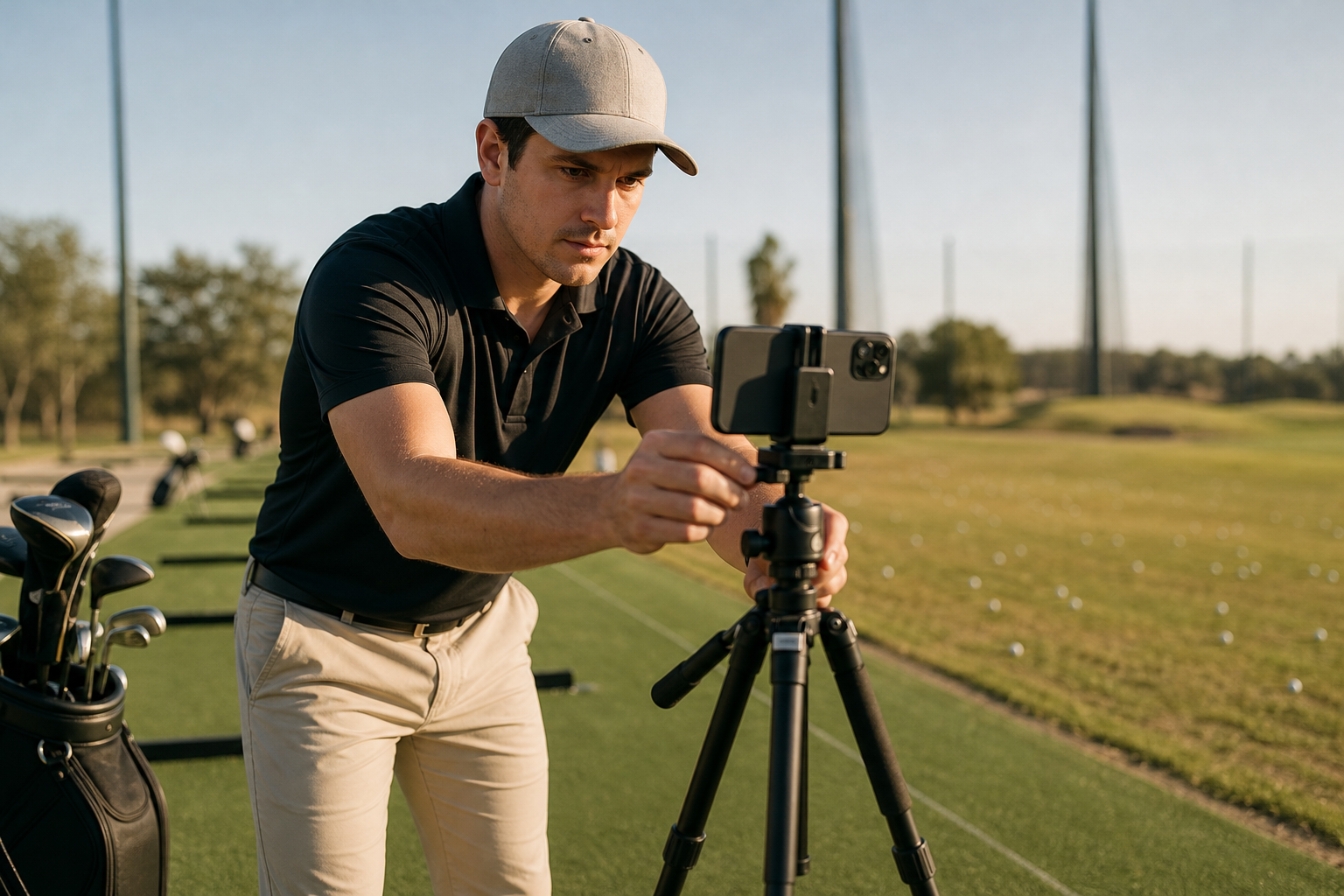
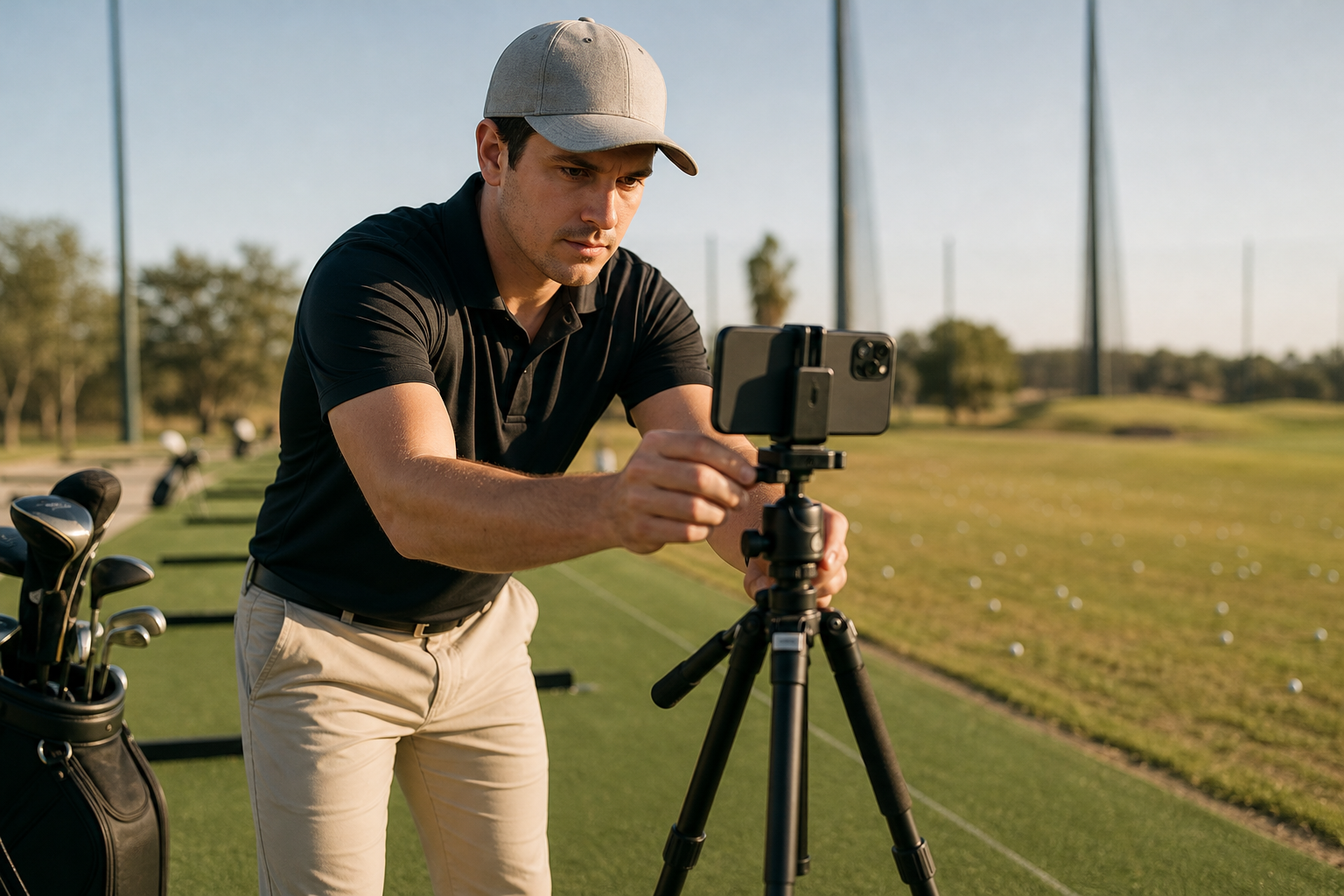
Filming from multiple angles is the first practical step toward remote golf swing improvement.
What Is Remote Golf Swing Improvement?
Remote golf swing improvement is a structured coaching relationship conducted entirely through digital tools rather than in person. A golfer records their swing, submits it to an instructor, and receives a breakdown of mechanics along with corrective drills. In addition, most programs include periodic check-ins so the coach can measure whether changes are taking hold.
Unlike a single one-off lesson, this approach typically unfolds over weeks or months. As a result, it suits golfers chasing long-term, sustainable swing changes rather than a quick fix before one tournament.
How Online Golf Swing Coaching Works Behind the Scenes
Most remote programs follow a similar rhythm. First, the golfer submits video from the face-on and down-the-line angles. Then the coach studies posture, sequencing, and clubface control frame by frame, often slowing footage down to study joint angles that are invisible at full speed.
Because the coach behind yourgolfguru.com holds both an LPGA Master Professional credential and a PhD in kinesiology, the scientific study of human movement, the analysis goes beyond “keep your head down” advice. Instead, feedback is grounded in how joints, muscles, and forces actually interact during a swing, which the National Institutes of Health has studied extensively in sports biomechanics research published through the National Library of Medicine.
Step-by-Step: Starting Remote Golf Swing Improvement
Golfers new to online coaching often ask what the actual process looks like. Here is the typical sequence:
- Film your current swing from two angles using a tripod or stable surface.
- Submit the footage along with your scoring history and specific performance goals.
- Receive a written or video breakdown identifying mechanical faults and injury risks.
- Practice the assigned drills on your own schedule, at your own course.
- Send follow-up video regularly so the coach can track real progress over time.
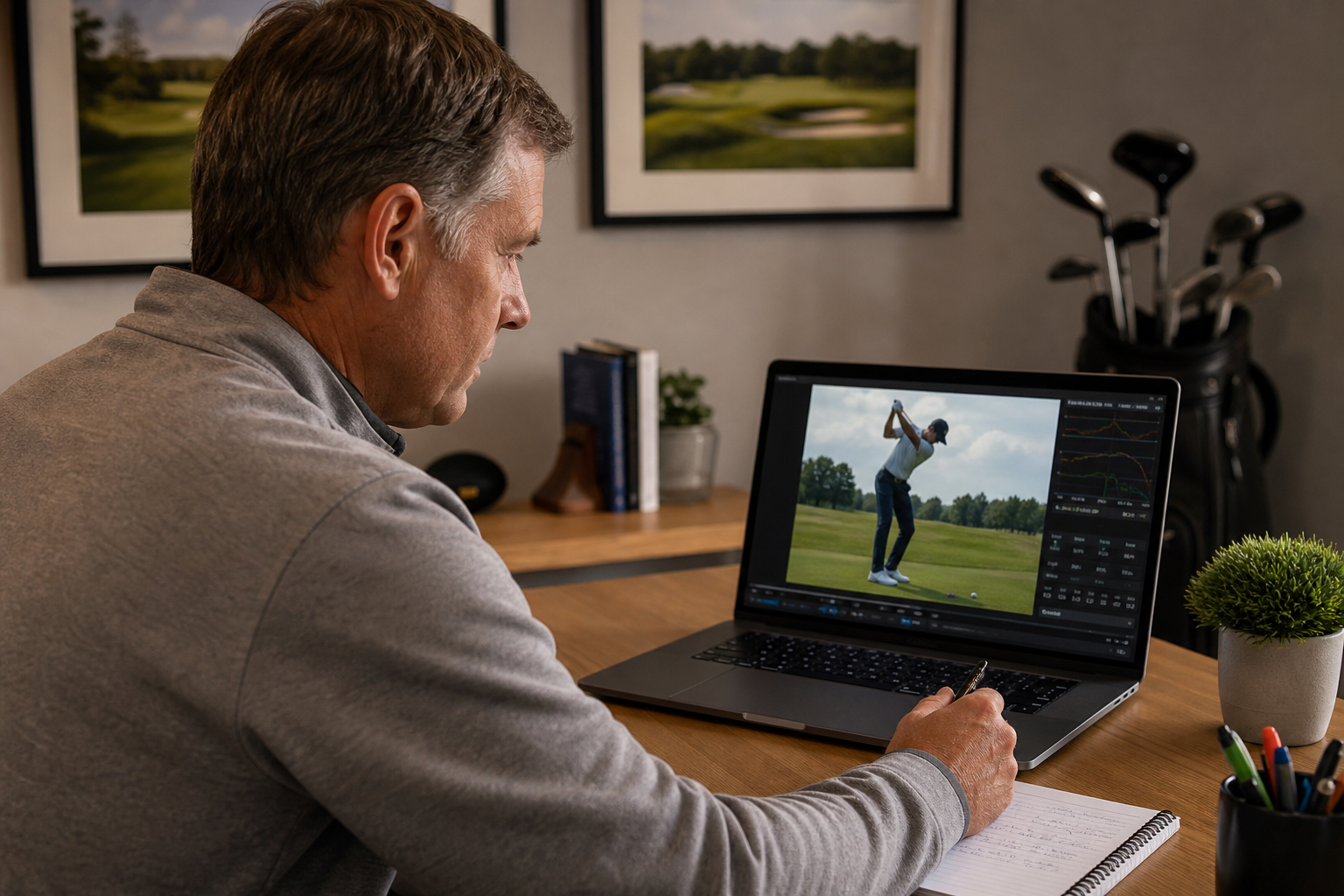
Frame-by-frame review often reveals faults a driving range mirror simply cannot show.
Why Competitive Golfers Choose Virtual Swing Coaching
Competitive players often outgrow what a local instructor can offer. Consequently, many turn to virtual coaching for access to specialized, data-driven feedback. For example, a collegiate golfer in a small town may have no nearby coach trained in biomechanics, yet still needs tournament-level refinement.
Furthermore, remote formats allow golfers to train around travel and school schedules rather than waiting weeks for an in-person slot. Research summarized by the United States Golf Association has noted that consistent, structured practice feedback correlates strongly with measurable swing improvement, reinforcing why ongoing remote check-ins outperform one-time lessons.
Programs built around proven swing mechanics, like those detailed in this guide on hitting the ball further, straighter, and higher, show how targeted feedback loops drive real gains. Similarly, the approach explained in feedback-driven remote coaching highlights why consistency, not just one good session, produces lasting change.
Common Mistakes in DIY Remote Swing Training
Many golfers attempt remote improvement on their own using app-based analyzers, and this can backfire. One common mistake is filming from a single angle, which hides faults in hip rotation or spine tilt. Another is ignoring injury prevention entirely while chasing more clubhead speed.
In fact, a 2023 review of amateur golf injuries found that roughly one in three recreational golfers experiences a swing-related injury each year, often linked to poor mechanics rather than overuse alone. Because of this, coaching that blends kinesiology with technique, like the methodology outlined in this science-based guide to golf performance optimization, addresses both speed and safety together rather than treating them as separate goals.
Choosing the Right Remote Coach for Competitive Goals
Not all online instruction is built for serious competitors. Therefore, it helps to look for credentials such as LPGA or PGA Master Professional status paired with formal training in sports science. This combination signals that feedback will be grounded in how the body actually moves, not just generic swing tips.
Programs designed for serious competitive golfers typically include structured progress tracking, while those aimed at lowering tournament scores, such as the approach described in elite proficiency training, tie every drill back to measurable scoring outcomes rather than isolated swing feel.
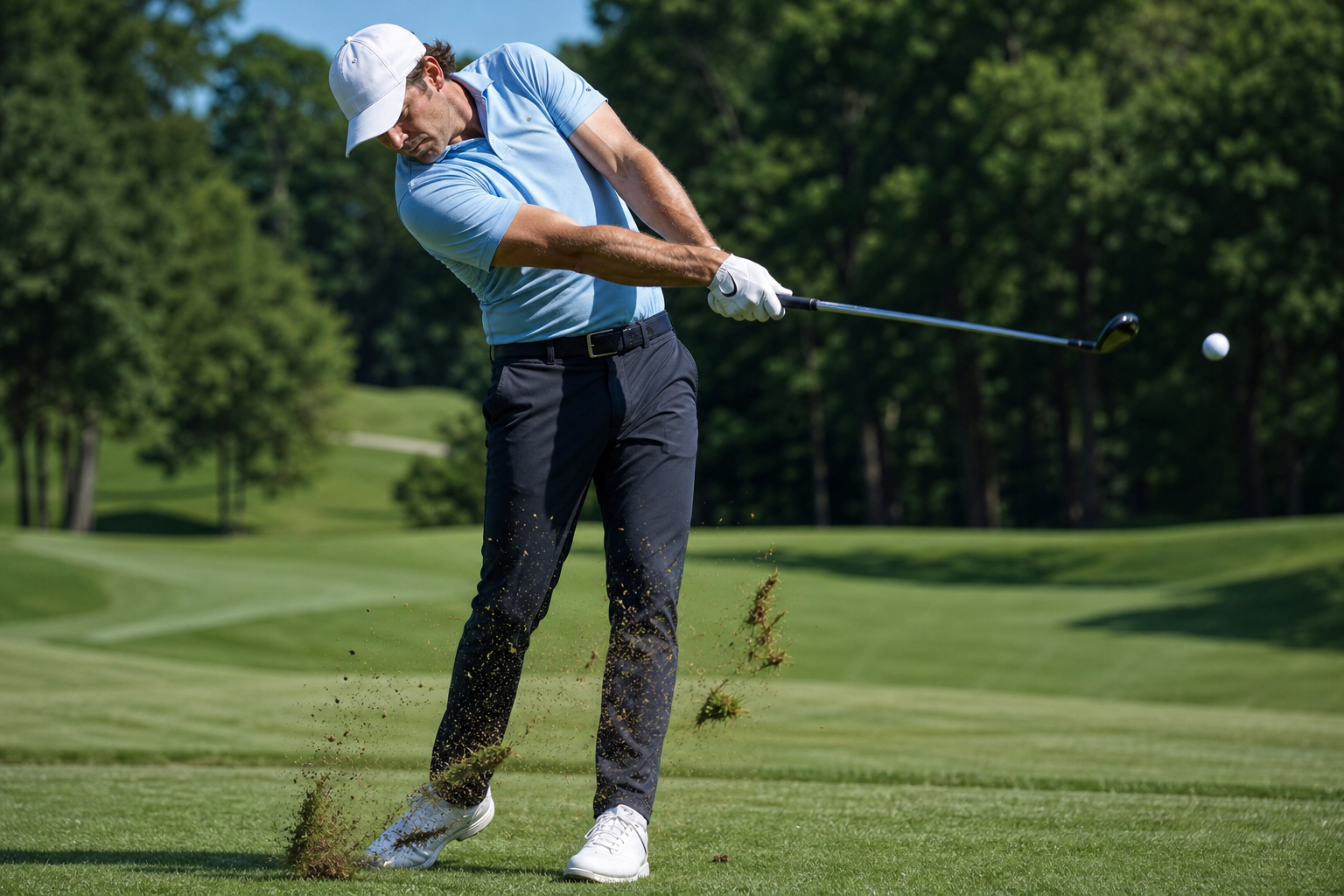
Consistent impact positions are often the clearest sign remote golf swing improvement is working.
What Results Should You Expect?
Realistic expectations matter. Most golfers notice early mechanical changes within four to eight weeks, while deeper, tournament-ready consistency often takes three to six months of steady work. Above all, progress depends on how consistently drills are practiced between coaching check-ins, not just the quality of the analysis itself.
Specifically, golfers who commit to regular video submissions tend to retain changes longer than those who check in sporadically. As a result, treating remote coaching as an ongoing relationship, rather than a one-time fix, produces the most durable gains.
Frequently Asked Questions About Remote Golf Swing Improvement
What is remote golf swing improvement?
Remote golf swing improvement is a coaching process where a golfer films their swing and sends it to a qualified instructor who provides biomechanical analysis, drills, and feedback entirely online. It removes the need to travel to a physical training facility.
How does online golf swing coaching actually work?
A student records swing video from multiple angles, uploads it through a digital platform, and the coach reviews mechanics frame by frame before sending back a personalized breakdown. Follow-up check-ins track progress over weeks or months.
Is remote golf coaching as effective as in-person lessons?
For technical swing analysis, remote coaching can match or exceed in-person lessons because video review allows frame-by-frame, slow-motion study that is hard to replicate on a driving range. It works best when paired with consistent at-home practice.
What equipment do I need for remote golf swing improvement?
Most programs only require a smartphone, a tripod or stable surface, and a quiet space to hit balls or swing a club. Some advanced coaching setups add slow-motion camera apps or launch monitors for extra data.
How much does remote golf coaching typically cost?
Pricing varies widely, but online lessons from highly credentialed coaches often run from roughly $100 to $300 per session or as bundled monthly packages. Elite, kinesiology-based programs tend to sit at the higher end due to the depth of analysis provided.
How long does it take to see results from remote swing training?
Most golfers notice measurable mechanical changes within four to eight weeks of consistent remote coaching and deliberate practice. Competitive players chasing tournament-level consistency often commit to three to six months of structured work.
What is the difference between remote coaching and an app-based swing analyzer?
App-based analyzers typically flag generic metrics like swing plane or tempo without context, while remote coaching from a real instructor interprets those numbers against your specific body mechanics and goals. Human coaching also adjusts drills as you progress, which software alone cannot do.
Who benefits most from remote golf swing improvement programs?
Competitive amateurs, collegiate players, and aspiring professionals who need advanced technical guidance beyond what local instructors offer tend to benefit most. It also suits golfers in areas without access to high-level coaching.
What common mistakes do golfers make when trying to fix their swing remotely?
A frequent mistake is filming from only one angle, which hides key faults like hip rotation or spine tilt. Another is skipping warm-up and mobility work, which raises injury risk when making rapid mechanical changes.
Can remote golf swing improvement help prevent injuries?
Yes, when coaching is grounded in kinesiology, a coach can identify swing patterns that place excess stress on the back, wrists, or knees before they cause injury. Correcting these patterns early is often safer than waiting for pain to appear.
What qualifications should I look for in a remote golf coach?
Look for recognized credentials such as LPGA or PGA Master Professional status, plus any formal background in biomechanics or kinesiology. These qualifications indicate the coach can explain not just what to change, but why it works for your body.
How often should I check in with a remote swing coach?
Weekly or biweekly check-ins work well for golfers actively rebuilding swing mechanics, while monthly reviews suit players maintaining an already solid technique. Your coach should adjust this cadence based on how quickly you absorb new movement patterns.
Does remote golf swing improvement work for junior and collegiate golfers?
Remote coaching works particularly well for collegiate and junior competitive golfers because it fits around school, travel, and tournament schedules. It also gives young athletes access to elite-level instruction that may not exist near their home course.
In summary, remote golf swing improvement gives competitive golfers access to expert, biomechanics-based coaching no matter where they live or train. By combining regular video review, structured drills, and ongoing check-ins, golfers can build swing mechanics that are both powerful and sustainable over the long term. Programs that pair elite credentials with a scientific understanding of human movement, such as those described throughout this guide, offer a dependable path toward lower scores and fewer injuries without ever stepping onto a plane.