
Remote golf performance coaching is transforming how serious golfers train, offering elite-level instruction without requiring a flight or a long drive to a training facility. For competitive amateurs, collegiate players, and aspiring professionals, geography is no longer an excuse to settle for generic swing advice. Instead, athletes can work directly with a highly credentialed coach through video analysis, structured drills, and consistent feedback. This guide explains what remote golf performance coaching actually involves, how it works day to day, and why a science-backed approach matters for long-term swing improvement. Author: LPGA Master Professional and PhD in kinesiology — see the author bio page for credentials and contact details.

Remote golf performance coaching turns everyday practice sessions into structured, trackable improvement plans.
What Is Remote Golf Performance Coaching?
Remote golf performance coaching is a system of golf instruction delivered entirely online, where a coach reviews swing video, biomechanical data, and performance metrics to build a personalized improvement plan. Rather than a one-off video review, it operates as an ongoing coaching relationship. Sessions typically combine swing analysis, drill assignments, and regular progress check-ins delivered through a secure digital platform.
In practice, this means golfers record their swings from multiple angles using a smartphone or tripod, then upload the footage for review. Consequently, a coach can annotate the video frame by frame, pointing out issues in sequencing, posture, or club path. Because feedback loops happen continuously rather than during a single visit, players build habits gradually instead of trying to fix everything at once.
At yourgolfguru.com, for example, coaching is led by an LPGA Master Professional who also holds a PhD in kinesiology — the scientific study of human movement, explained further below — combining decades of teaching experience with biomechanical analysis. This pairing of elite credentials and physical science is part of what separates data-driven remote coaching from a generic online lesson. Golfers interested in exploring this style of instruction can review examples of personalized online golf lessons to see how a curriculum is typically structured.
How Online Golf Coaching Works From Anywhere
Online golf coaching typically follows a repeatable cycle: record, submit, review, adjust. First, the golfer captures video of their swing during practice or on the course. Then, the footage is uploaded along with any relevant performance data, such as launch monitor numbers or recent scores.
After that, the coach analyzes the swing against biomechanical benchmarks specific to the player’s body type and goals. In particular, coaches look at sequencing — the order in which the hips, torso, arms, and club move — since faulty sequencing is a common source of both lost power and injury risk. Once the analysis is complete, the golfer receives specific drills, along with video explanations, to work on before the next check-in.
Because everything happens digitally, this coaching model works well for players who travel frequently, live outside major golf markets, or simply want more consistent feedback than a monthly in-person lesson allows. If you want a deeper look at swing mechanics that maximize distance, this guide on how to hit the ball further, straighter, and higher pairs well with a structured coaching plan.
The Kinesiology Behind Data-Driven Swing Analysis
Kinesiology is the scientific study of human movement, covering how muscles, joints, and the nervous system work together to produce motion. Applied to golf, this means examining the swing not just visually, but through the lens of force production, joint rotation, and timing. As a result, a kinesiology-trained coach can often identify the root mechanical cause of a swing fault rather than just the visible symptom.
For example, a golfer who consistently slices the ball might assume the fix is in the hands, when in reality the issue may originate from limited hip rotation or an early release of stored energy. Similarly, research on movement science, including foundational work in kinesiology and general biomechanics, supports the idea that efficient sequencing reduces strain on the lower back and shoulders.
Notable data point: sports medicine research indexed by the National Center for Biotechnology Information has linked poor swing sequencing to a meaningfully higher rate of lower-back strain among amateur golfers, underscoring why safety-focused, science-backed instruction matters.
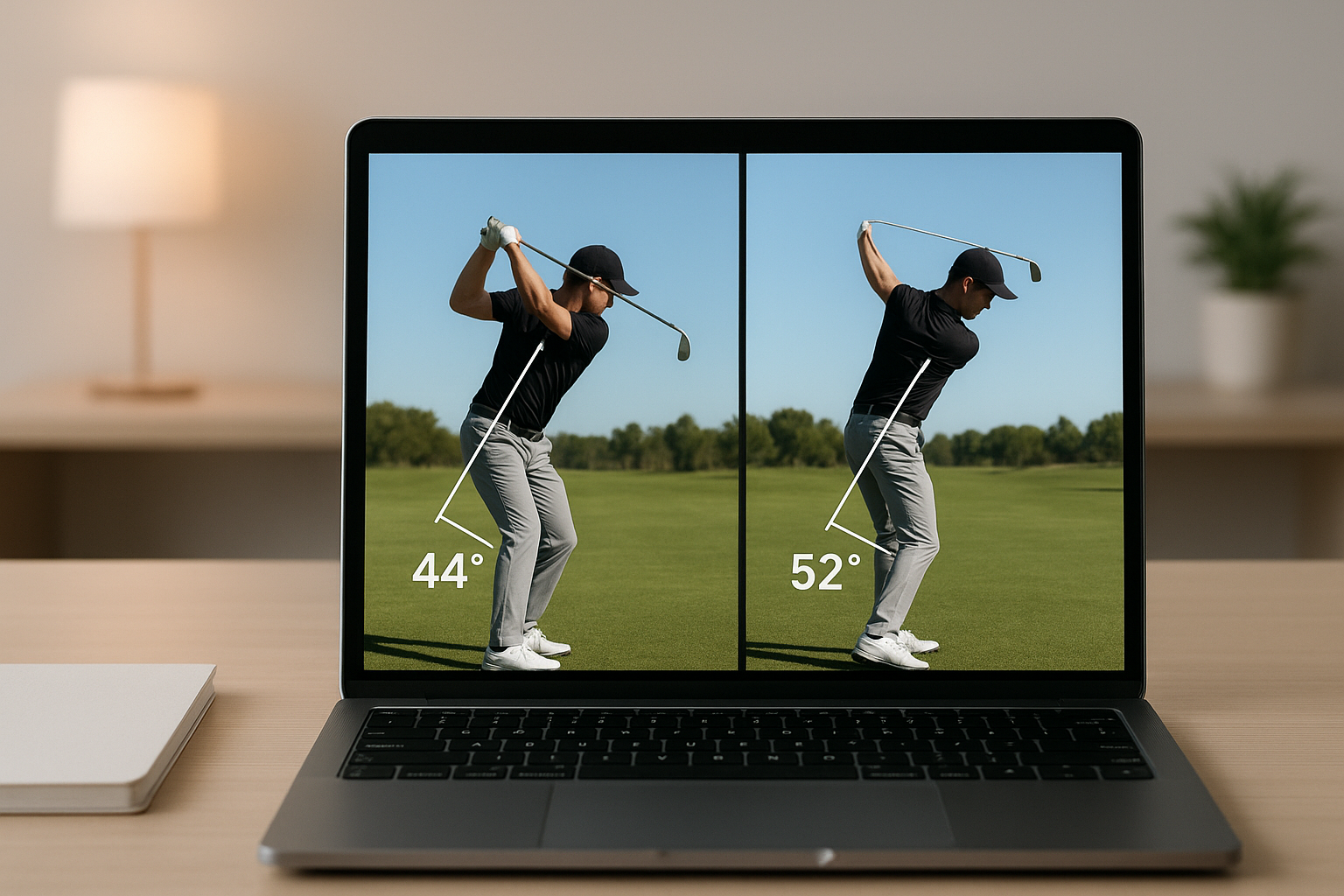
Frame-by-frame video comparison helps coaches pinpoint the true mechanical cause of a swing fault.
Who Benefits Most From Virtual Golf Coaching
Virtual golf coaching is not designed for every player, and that focus is intentional. It tends to work best for competitive amateurs, collegiate athletes, and aspiring professionals who already have a functional swing but need advanced, technical refinement.
In addition, players preparing for qualifying events, tryouts, or a college recruiting season often benefit from the structured accountability that ongoing remote coaching provides. Likewise, golfers recovering from a minor injury may appreciate an approach that prioritizes safe movement patterns alongside performance gains. For athletes juggling school or travel schedules, resources like academic consulting for competitive golfers can complement swing coaching by supporting the athlete’s broader path.
On the other hand, a total beginner learning the fundamentals may still benefit more initially from in-person group lessons. However, once basic mechanics are in place, remote coaching becomes an efficient way to keep improving without constant travel.
Step-by-Step: Getting Started With Remote Coaching
Starting a remote coaching program is more straightforward than most golfers expect. The following steps outline a typical onboarding process.
- Assess your current game. Record several swings with different clubs, along with recent scores or launch monitor data, so the coach has a complete baseline picture.
- Submit footage through the digital platform. Upload video from at least two angles, ideally face-on and from behind, so mechanics can be evaluated accurately from multiple perspectives.
- Receive a personalized analysis. The coach reviews the footage against biomechanical benchmarks and identifies the highest-priority changes for power, accuracy, or safety.
- Practice with structured drills. Work through assigned drills over one to two weeks, focusing on quality repetitions rather than simply hitting more balls.
- Check in and adjust the plan. Submit new footage for the next review cycle so the coach can track progress and refine the plan based on real results.
Repeating this cycle consistently, rather than sporadically, is what typically produces lasting swing changes. For a simple routine to pair with this process, many golfers also adopt a minimalist pre-shot routine to stay consistent under pressure.
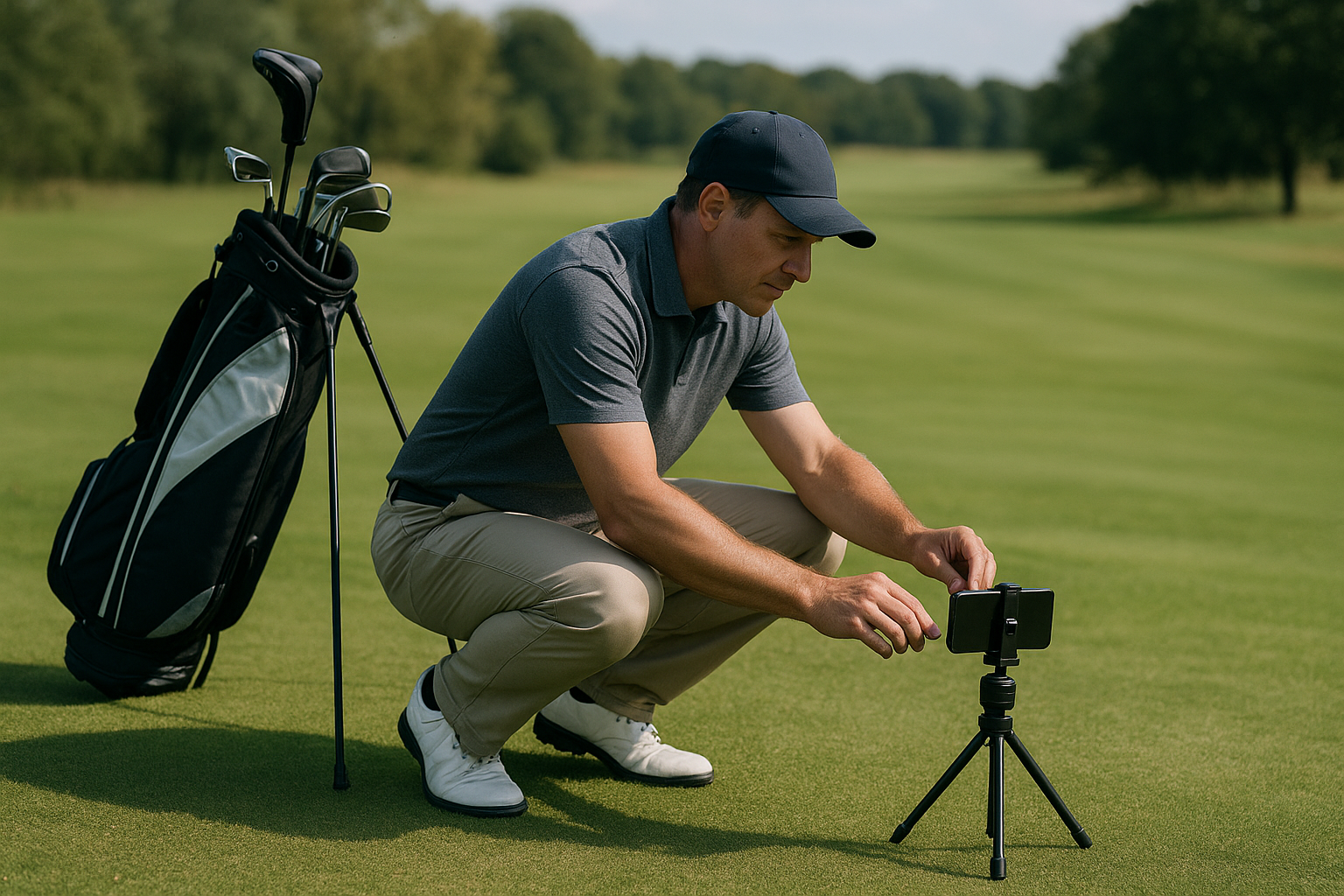
Recording clear, multi-angle footage is the first step in any remote coaching cycle.
Choosing the Right Remote Golf Coach for Your Game
Not all remote golf coaches offer the same depth of expertise, so it helps to know what to look for. First, consider the coach’s credentials — teaching certifications, playing background, and any specialized education, such as kinesiology or sports science, matter significantly.
Second, examine how feedback is delivered. Above all, look for coaches who explain the “why” behind a change rather than issuing generic tips, since understanding the reasoning helps golfers retain adjustments longer. Third, ask about safety: a coach who accounts for injury prevention alongside performance is generally a stronger long-term investment than one focused purely on quick fixes.
Finally, consistency matters more than intensity. A structured plan, such as the type outlined in resources on how to make this your best golf year yet, tends to outperform occasional, unstructured lessons over a full season.
Common Mistakes Golfers Make With Online Instruction
Even strong coaching can fall short if a golfer approaches it the wrong way. One common mistake is submitting inconsistent or low-quality video, which makes accurate analysis difficult. Similarly, skipping assigned drills in favor of simply playing more rounds often slows progress, since new movement patterns need repetition to become automatic.
Another frequent error is chasing too many swing changes simultaneously. Instead, prioritizing one or two mechanical adjustments at a time tends to produce faster, more reliable results. Finally, some players stop coaching too soon, right before a change fully translates from the practice range to the course; therefore, patience through the adjustment period is essential.
Frequently Asked Questions About Remote Golf Performance Coaching
What is remote golf performance coaching?
Remote golf performance coaching is online golf instruction that uses video analysis, biomechanical data, and structured drills to help players improve without visiting a facility in person. It typically includes ongoing check-ins rather than a single lesson.
How does online swing analysis work?
A golfer records swing video from multiple angles and submits it through a digital platform. The coach then reviews the footage frame by frame, comparing movement patterns to biomechanical benchmarks before assigning specific drills.
Is remote coaching as effective as in-person lessons?
For technical refinement, remote coaching can be just as effective, and sometimes more consistent, because feedback happens regularly rather than during occasional visits. However, complete beginners may still benefit from some hands-on instruction early on.
How much does remote golf performance coaching typically cost?
Pricing varies widely depending on the coach’s credentials and the program’s structure, ranging from single video reviews to comprehensive monthly coaching plans. Programs led by highly credentialed coaches often sit at the higher end of that range.
How long does it take to see results from remote coaching?
Many golfers notice measurable changes in swing mechanics within four to six weeks of consistent practice and check-ins. However, deeper changes tied to strength or mobility can take a full season to fully integrate.
What equipment do I need for remote coaching?
At minimum, golfers need a smartphone or camera, a tripod or stable surface, and a reliable internet connection to upload video. Some programs also incorporate launch monitor data for added precision, though it is not always required.
Who is remote golf coaching best suited for?
It is best suited for competitive amateurs, collegiate players, and aspiring professionals who already have a functional swing but want advanced technical refinement. It also works well for golfers who travel frequently or live far from specialized instructors.
What is kinesiology-based swing coaching?
Kinesiology-based swing coaching applies the scientific study of human movement to golf, analyzing joint rotation, sequencing, and force production rather than relying on visual impressions alone. This approach often identifies the root cause of a swing fault, not just its symptoms.
How is remote coaching different from a one-time video review?
A one-time video review offers a single snapshot of feedback, while remote coaching is an ongoing relationship with repeated check-ins and progressive drill assignments. This structure allows a coach to track whether changes are actually taking hold over time.
Can remote coaching help prevent golf-related injuries?
Yes, coaching that emphasizes safe, efficient movement patterns can reduce strain on areas like the lower back and shoulders, which are common injury sites tied to poor swing sequencing. Coaches with a sports science or kinesiology background typically place extra emphasis on this aspect.
What common mistakes should I avoid when starting remote coaching?
Common mistakes include submitting low-quality video, skipping assigned drills, and trying to change too many swing elements at once. Prioritizing one or two adjustments at a time generally produces faster, more reliable progress.
How often should I have coaching check-ins?
Most structured programs use a one- to two-week check-in cycle, giving golfers enough time to practice drills before submitting new footage. More frequent check-ins can work well during intensive competition prep.
Can collegiate or competitive amateurs benefit from remote coaching?
Yes, collegiate and competitive amateur golfers are among the strongest candidates for remote coaching because they typically need advanced technical refinement rather than basic fundamentals. Flexible scheduling also fits well around school, travel, and tournament commitments.
How do I choose the best remote golf coach?
Look for verifiable credentials, a clear explanation of the reasoning behind swing changes, and an approach that balances performance with injury prevention. Reading how a coach structures their program also helps set realistic expectations.
Final Thoughts on Training With a Remote Coach
Remote golf performance coaching has moved from a niche convenience to a legitimate path for serious competitive improvement. By combining structured video analysis, kinesiology-based insight, and consistent accountability, this approach helps golfers refine mechanics without being limited by location. Ultimately, whether the goal is more distance, better consistency, or reduced injury risk, a well-structured remote coaching plan offers a practical, science-backed way to keep progressing between seasons.