
Online golf technique analysis is the process of using video review, biomechanical insight, and remote expert feedback to identify swing flaws without ever setting foot on the same range as a coach. For competitive amateurs, collegiate players, and aspiring professionals, this approach has become a practical way to get elite-level feedback no matter where they live. Because swing faults often happen too fast for the naked eye to catch, breaking the motion down frame by frame has become one of the fastest ways to find hidden power leaks and injury risks.
What Is Online Golf Technique Analysis?
In short, online golf technique analysis is a remote coaching method where a golfer sends swing video to an instructor who reviews mechanics, posture, and sequencing before returning detailed feedback. This differs from simply watching a highlight reel; the coach isolates specific joint angles and timing patterns frame by frame.
Because the review happens asynchronously, golfers are not limited by geography or the instructor’s travel schedule. As a result, a player in a small town can work with a coach who holds advanced credentials, such as an LPGA Master Professional with a PhD in kinesiology, the formal study of human movement. Furthermore, this kind of analysis typically blends two layers of evaluation: the visible swing shape and the underlying biomechanics, which is the physics of how muscles, joints, and forces interact during motion. Understanding both layers matters because a swing can look acceptable while still placing excess stress on the spine or wrists.
According to the National Library of Medicine, repetitive golf swing loading is associated with a meaningful share of lower back complaints among competitive players, which is why biomechanically informed coaches often prioritize safety alongside power. Consequently, a thorough online review does not just chase distance; it also screens for movement patterns that raise long-term injury risk.
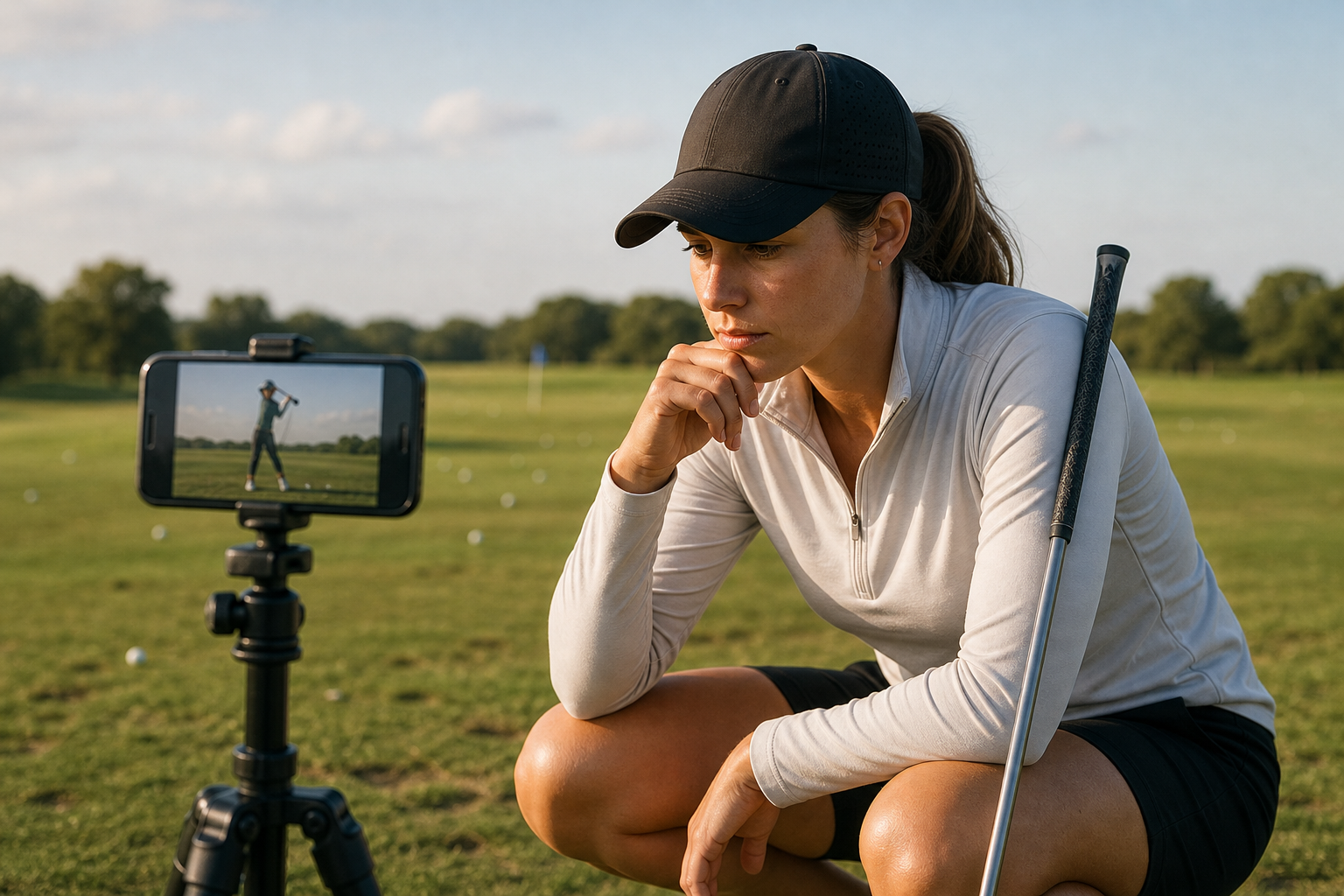
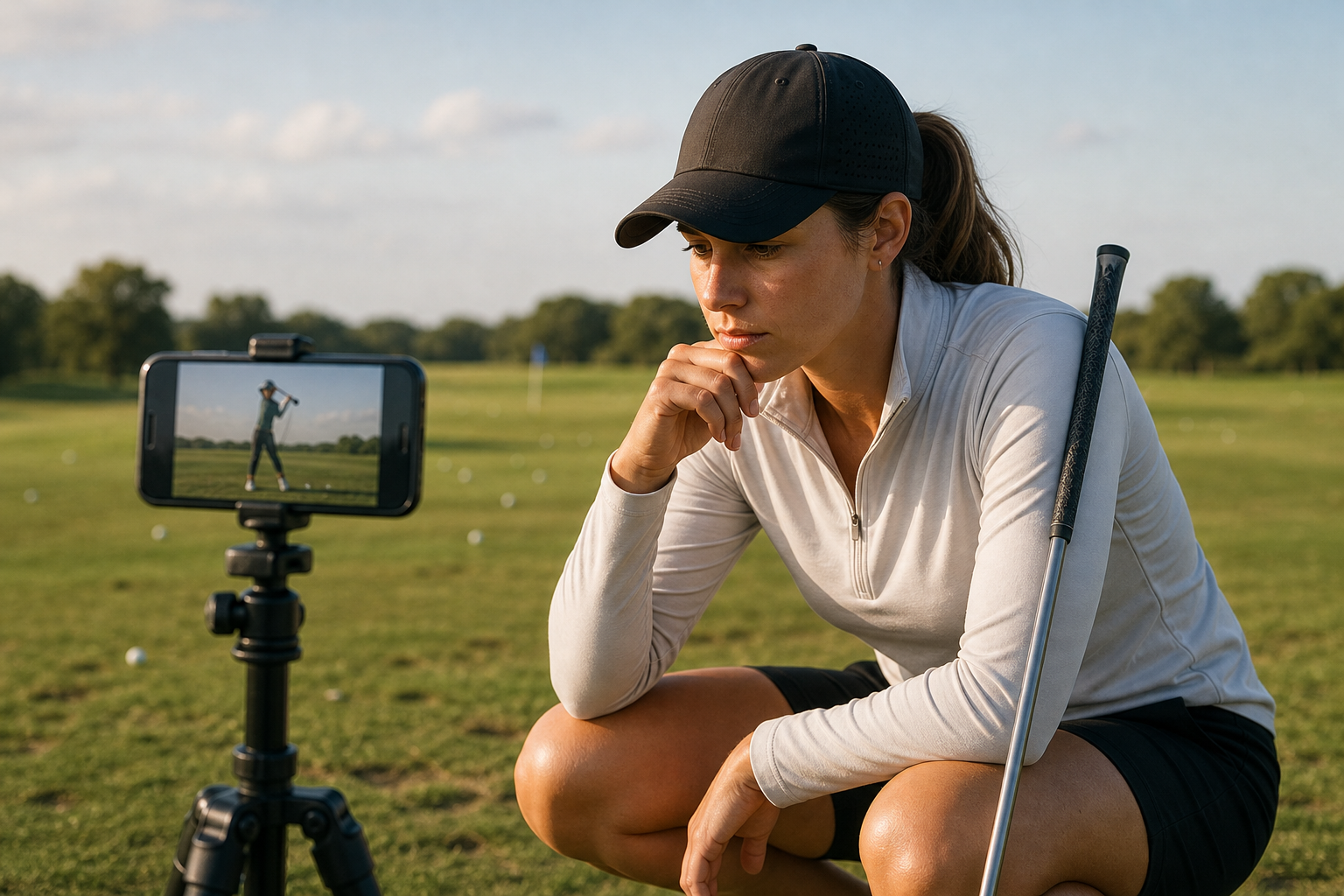
Reviewing slow-motion footage is often the first step in online golf technique analysis.
How Remote Swing Evaluation Works, Step by Step
Although every coaching platform structures its process slightly differently, most remote swing evaluations follow a similar sequence. The guide below reflects how a typical engagement unfolds from first video to follow-up review, similar to the structure outlined in this step-by-step plan for online golf lessons.
- Film your swing from both a face-on angle and a down-the-line angle, ideally in slow motion, so the coach can assess posture, club path, and sequencing accurately.
- Upload the footage through the coaching platform along with notes about recent scores, pain points, or specific goals you want to address.
- Receive a biomechanical breakdown report that highlights exact positions in the swing limiting power, accuracy, or safety.
- Implement the assigned corrective drills for several weeks, prioritizing quality repetitions over total swing volume.
- Resubmit updated footage after a training block so the coach can measure progress and adjust the plan accordingly.
Why Competitive Golfers Choose Online Swing Analysis
Serious players often outgrow generic local instruction long before they reach collegiate or professional-level competition. In particular, golfers chasing consistency at a high level need coaches who can translate biomechanical data into actionable swing changes, not just general tips. This is one reason many athletes ask whether remote golf instruction is actually worth it for serious golfers, and the answer typically depends on the coach’s depth of technical expertise.
Additionally, remote analysis removes the scheduling friction of travel, which matters for athletes balancing school, tournaments, and training blocks. Specifically, a golfer preparing for a collegiate season can get advanced swing mechanics coaching built for elite golfers between events rather than waiting for an open slot at a local facility. As a result, the feedback loop tightens, and players can adjust mechanics closer to competition rather than months in advance.
Above all, the appeal lies in access. A golfer in a region without elite-level coaching can still train under someone with decades of teaching experience and a formal science background, closing a gap that used to require relocation or expensive travel.
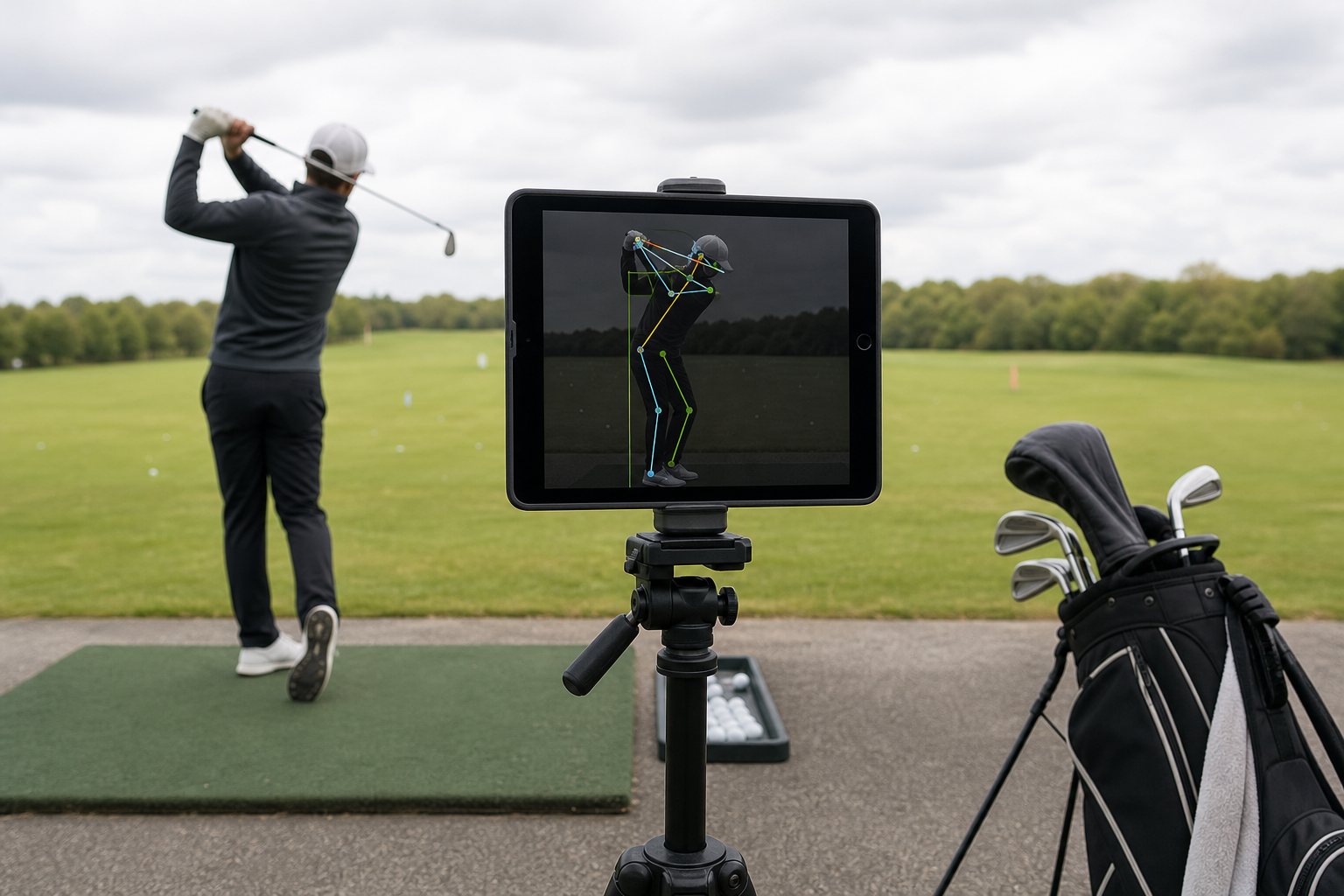
Biomechanical overlays help coaches pinpoint inefficiencies in the swing.
Online Golf Technique Analysis vs In-Person Lessons
Naturally, golfers weighing their options want to know which format produces better results. In many cases, online golf technique analysis offers sharper technical detail because slow-motion video review often reveals more than a live lesson allows, especially when a coach can pause on a single frame repeatedly. However, in-person work still offers value for certain aspects of training, such as real-time ball flight feedback and immediate physical cueing.
For a deeper comparison, this breakdown of online golf lessons versus in-person coaching walks through the trade-offs in more detail. Meanwhile, golfers who still want occasional hands-on sessions can review these key tips for getting the most out of in-person golf lessons to use alongside remote coaching.
Ultimately, many competitive golfers find a hybrid approach works best: regular online golf technique analysis for ongoing technical refinement, supplemented by occasional in-person sessions before major competitions.
What to Look for in a Digital Swing Coach
Not every remote coaching service offers the same depth of expertise, so credentials matter. Specifically, look for recognized teaching certifications, such as LPGA or PGA designations, combined with a background in kinesiology, the scientific study of human movement. Coaches with this combination tend to explain swing faults in terms of cause and effect rather than surface-level tips.
Similarly, consider how the coach structures feedback. A quality review should reference the full golf swing sequence rather than isolating a single position, since faults often compound from the ground up. For example, this is the approach described on Your Golf Guru, where lessons are built by an LPGA Master Professional holding a PhD in kinesiology, blending biomechanical science with decades of hands-on teaching experience.
Finally, check whether the coach prioritizes injury prevention alongside performance. A program that only chases clubhead speed without screening for unsafe movement patterns may produce short-term gains at the cost of long-term durability.

Small details like grip and wrist alignment are often flagged during detailed swing review.
Common Mistakes to Avoid When Submitting Swing Video
Even with an excellent coach, poor footage limits the quality of feedback. Therefore, avoid filming from a single angle; both face-on and down-the-line views are necessary to judge club path and body sequencing together.
In addition, avoid standing too far from the camera, filming in poor lighting, or skipping a practice swing for comparison. Instead, include a few full-speed swings and a few slower ones so the coach can separate timing issues from pure mechanical errors.
Frequently Asked Questions About Online Golf Technique Analysis
What is online golf technique analysis?
Online golf technique analysis is the process of recording a golfer’s swing on video and sending it to a qualified coach who reviews it remotely, identifies mechanical flaws, and builds a corrective plan. It lets players access expert-level feedback without visiting a physical facility.
How does online golf technique analysis work?
A golfer films multiple swing angles, uploads the footage through a digital platform, and a coach breaks down the mechanics frame by frame. The coach then returns annotated feedback, drills, and a practice plan tailored to the player’s goals.
Is online golf technique analysis as effective as in-person coaching?
For technical swing correction, it can be just as effective because frame-by-frame video often reveals more detail than a live lesson. However, some players still benefit from blending both formats depending on their stage of development.
How much does online golf technique analysis typically cost?
Pricing varies widely by coach credentials and session depth, ranging from under $100 for a single video review to several hundred dollars for ongoing monthly packages. Elite-level coaches with specialized credentials often charge more due to their expertise.
How long does it take to see results?
Many golfers notice measurable changes within three to six weeks of consistent drill work following their first analysis. Results depend on practice frequency and how closely the player follows the coach’s plan.
What equipment do I need?
At minimum, you need a smartphone or camera capable of recording slow-motion video, a tripod or stable surface, and a stable internet connection to upload footage. Some coaches also recommend alignment sticks for reference points in the frame.
Who benefits most from this approach?
Competitive amateurs, collegiate players, and aspiring professionals who need technical refinement beyond what local instructors offer tend to benefit most. It also suits golfers in remote areas without access to elite-level in-person coaching.
How is this different from generic swing apps?
Generic apps typically offer automated overlays or generic tips without human judgment, while genuine online golf technique analysis involves a trained coach interpreting biomechanics in context. That human expertise accounts for injury risk, individual anatomy, and long-term goals.
Can it help prevent golf injuries?
Yes, because many golf injuries stem from repeated faulty mechanics, a biomechanically informed review can flag movement patterns that place excess stress on the spine, hips, or wrists. Correcting these patterns early often reduces long-term injury risk.
What mistakes do golfers make when submitting video?
Common mistakes include filming from a single angle, using poor lighting, standing too far from the camera, and skipping a full practice swing for comparison. These issues limit how accurately a coach can assess the swing.
How often should I get my swing analyzed?
Most competitive golfers benefit from a follow-up analysis every four to eight weeks to track progress and adjust drills. Golfers actively rebuilding a swing may need more frequent check-ins during the early phase.
What credentials should I look for in a coach?
Look for recognized teaching credentials such as LPGA or PGA certification, combined with formal training in kinesiology or biomechanics when possible. These credentials indicate the coach understands both the technical swing model and the body mechanics behind it.
Final Thoughts on Choosing a Remote Swing Review
In summary, online golf technique analysis gives competitive players a practical way to access expert-level feedback regardless of location, provided the coach combines real teaching experience with a genuine understanding of biomechanics. Consequently, golfers evaluating their options should prioritize credentials, clear communication, and a demonstrated focus on both performance and injury prevention over flashy marketing. Whether used as a standalone coaching method or paired with occasional in-person sessions, a well-run online golf technique analysis can close the gap between amateur inconsistency and the kind of repeatable, efficient swing that holds up under competitive pressure.