

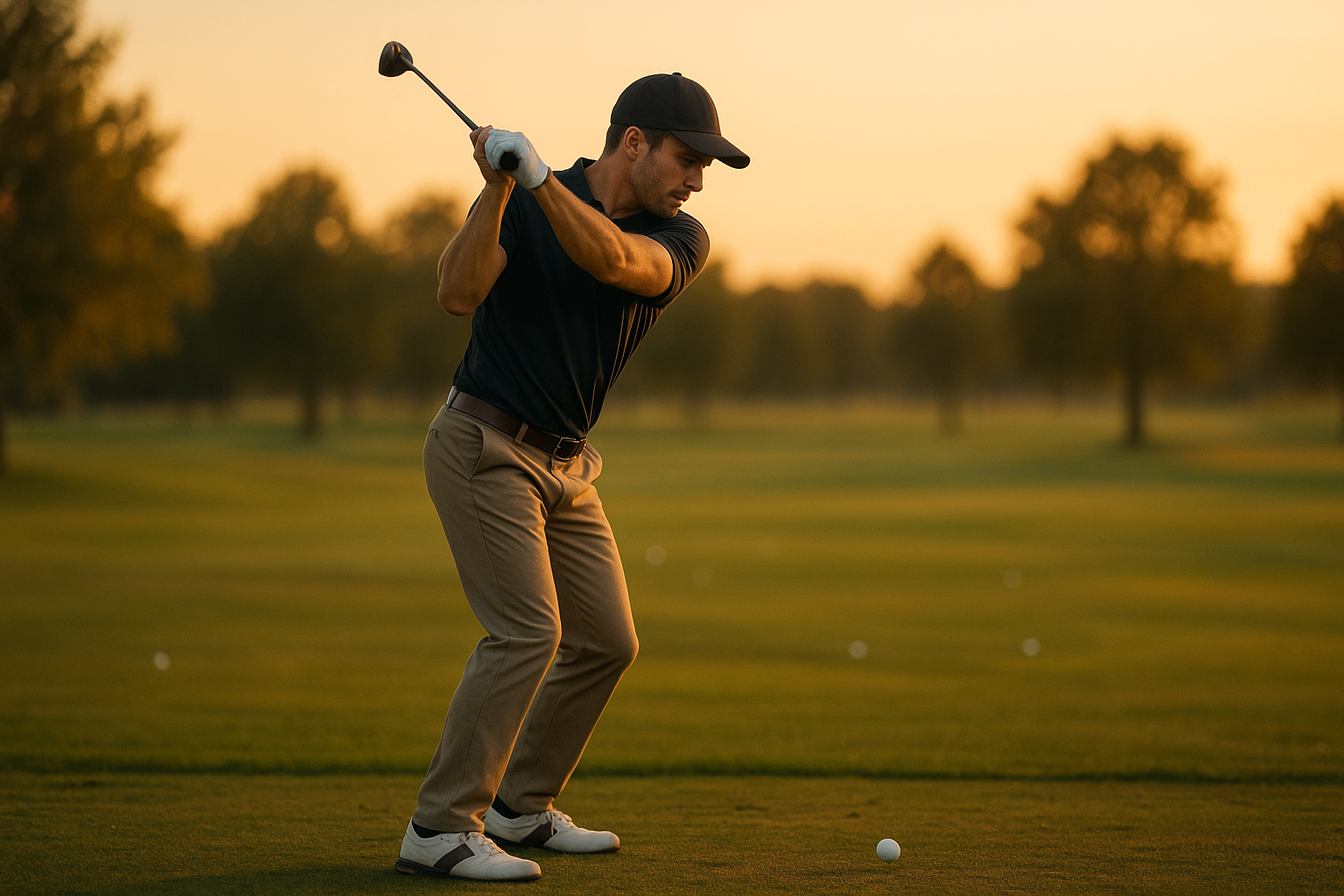
Korn Ferry Tour coaching is specialized instruction built for golfers chasing a place on professional golf’s most important developmental circuit. Unlike general lessons, this style of coaching blends biomechanics, the study of human movement, with elite-level teaching experience. As a result, it targets the exact swing flaws that separate a strong amateur from a tour-ready professional.
For competitive players, the gap between “good” and “tour-ready” is often narrower than expected. Consequently, athletes who want to close that gap need instruction rooted in science, not just repetition. This guide explains what Korn Ferry Tour coaching actually involves, why biomechanics matters so much, and how remote programs make elite guidance accessible from anywhere.
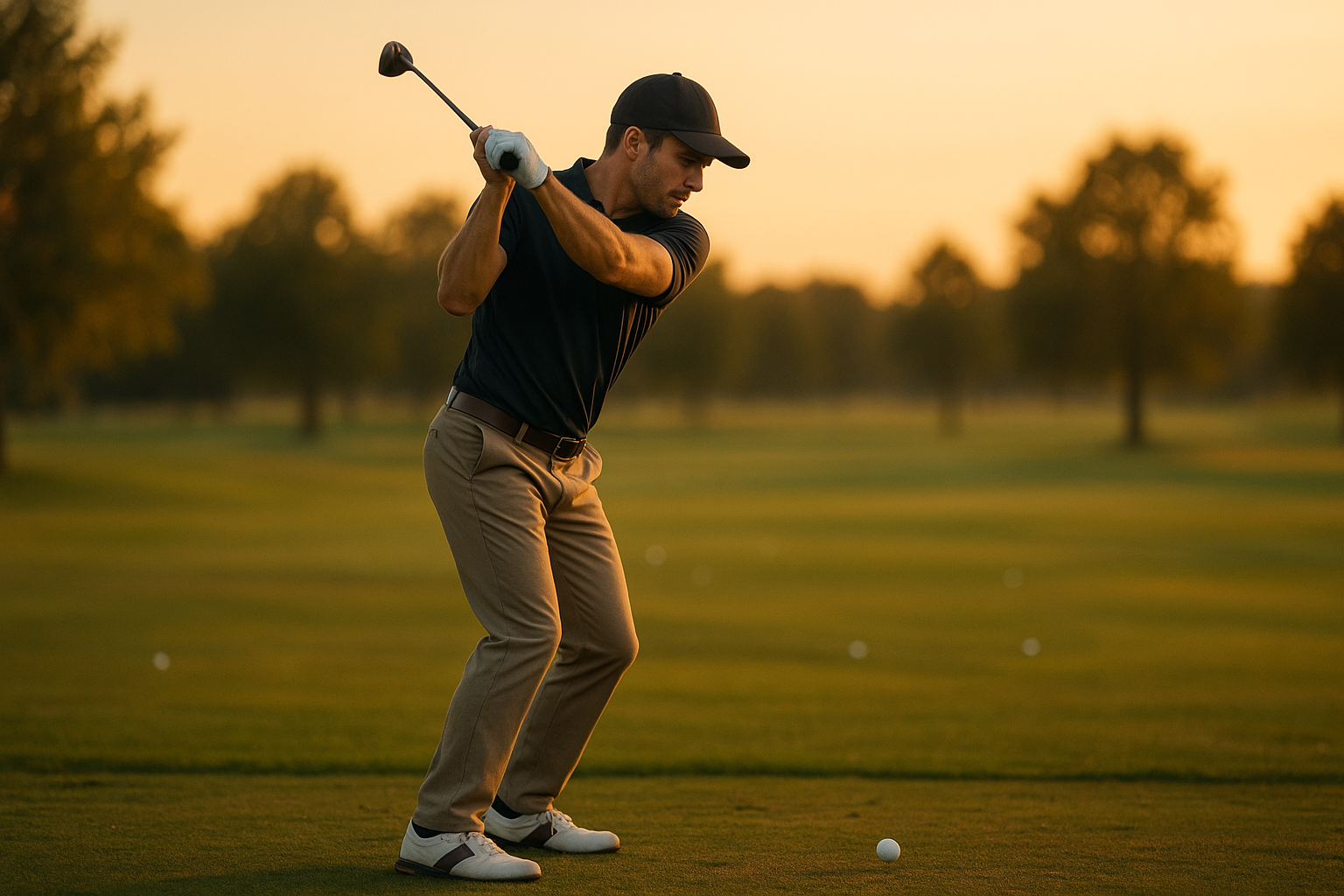
Consistent, science-backed practice is a core part of Korn Ferry Tour coaching.
What to Expect from Tour-Level Coaching
Korn Ferry Tour coaching is a specialized form of golf instruction aimed at players preparing to compete on, or already competing on, the Korn Ferry Tour, the official developmental tour of the PGA TOUR. It focuses on refining swing mechanics, building physical resilience, and sharpening mental consistency under tournament pressure.
In particular, this coaching style differs from casual lessons because it treats the golfer like a competitive athlete. Coaches examine joint sequencing, ground force transfer, and repeatability, since even small mechanical errors can cost strokes at the highest levels. Programs also often include injury-prevention strategies, given how much repetitive stress a professional practice schedule places on the body.
Why Tour-Level Golf Coaching Requires a Different Approach
Tour-level golf coaching requires more precision than typical instruction because margins for error shrink dramatically at that level. A recreational golfer might tolerate a few extra degrees of clubface openness; however, a Korn Ferry Tour hopeful cannot, since scoring differences between competitors are often measured in fractions of a stroke.
Furthermore, competitive players train far more frequently than amateurs, which raises injury risk if mechanics are inefficient. For that reason, coaches who understand kinesiology, the science of body movement, can design swing changes that improve performance while protecting joints and soft tissue over a long competitive career.
Programs like the one detailed in this guide for aspiring golf professionals illustrate how structured, data-informed coaching supports players moving from amateur competition toward professional tours.
The Science Behind Elite Swing Mechanics
Biomechanical analysis, in simple terms, means studying how the body moves to produce a golf swing. Coaches examine hip rotation, spine angle, and the sequencing of the kinetic chain, the order in which body segments accelerate, to find where power is being lost or where injury risk is building.
Research published through the National Library of Medicine has documented how golf swing forces place repeated stress on the lower back and lead wrist, which explains why injury-aware coaching matters so much at competitive volume. Similarly, studies on rotational power generation show that improved hip-to-shoulder separation often correlates with increased clubhead speed.
Because of this, coaching grounded in kinesiology tends to produce more sustainable results than instruction based purely on feel. Athletes interested in the biomechanical side of swing improvement can explore this kinesiology-based guide to swing power for a deeper technical breakdown.
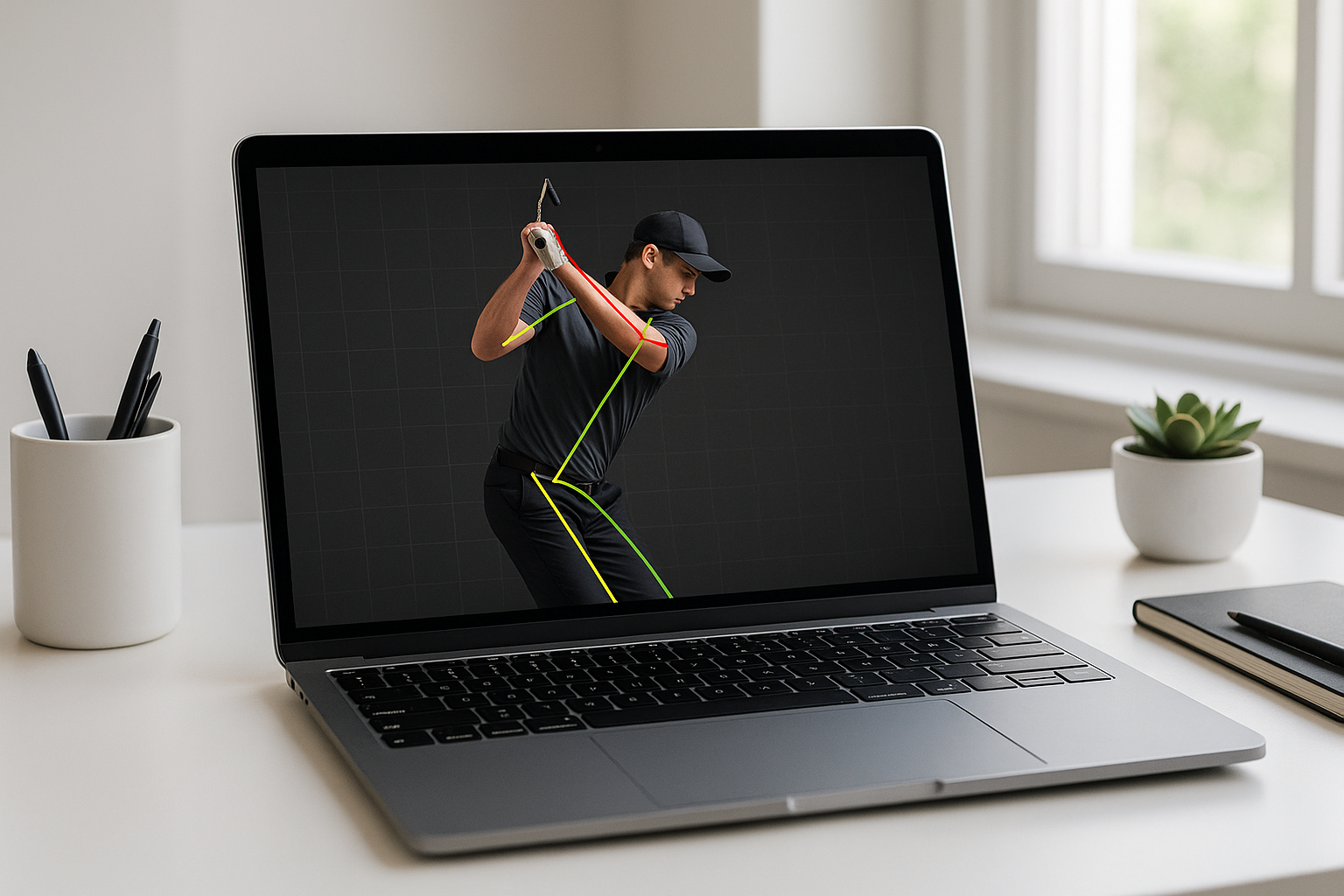
Video-based biomechanical analysis is central to modern Korn Ferry Tour coaching.
How Remote Korn Ferry Tour Coaching Works
Remote coaching has become a practical way for competitive golfers to access elite instruction without relocating or traveling for every session. Specifically, most programs follow a repeatable process that keeps training organized and measurable over time.
- Complete a biomechanical assessment using submitted swing video to identify posture, sequencing, and movement inefficiencies.
- Review detailed swing data, comparing frame-by-frame footage against tour-level benchmarks to pinpoint specific mechanical gaps.
- Receive a customized training plan built around targeted drills that address weaknesses while reducing injury risk.
- Attend recurring virtual coaching sessions to refine technique, ask questions, and adjust the plan as the swing evolves.
- Track tournament-readiness benchmarks, such as consistency metrics and scoring trends, to measure real competitive progress.
This structure is explained in more depth in this complete guide to remote golf performance coaching, which outlines how digital platforms remove the geographic barriers that once limited access to top-tier instruction.
Choosing the Right Coach for Korn Ferry Tour Coaching
Not every instructor is equipped to guide a golfer toward professional-level competition. Therefore, credentials matter significantly when selecting a coach for this kind of specialized work.
Look for instructors who combine advanced teaching certifications, such as LPGA or PGA Master Professional status, with formal training in movement science. For example, the coaching model described in this LPGA Master Professional online coaching guide pairs decades of teaching experience with a PhD-level understanding of kinesiology, an approach that suits serious competitive players well.
Additionally, athletes balancing school or collegiate golf commitments may benefit from support that extends beyond the swing itself. Resources like academic consulting for student athletes can help players manage the demands of competing while pursuing education. You can review the full range of coaching options directly at YourGolfGuru to see how a program might fit specific goals.
Common Mistakes Aspiring Tour Players Make
Many competitive golfers assume more practice automatically means more improvement. In reality, poor mechanics practiced at high volume often reinforce bad habits rather than fixing them.
Other frequent mistakes include ignoring early pain signals, ranking short-term results over sustainable technique, and skipping structured feedback loops. As a result, players sometimes plateau or suffer avoidable injuries just before reaching the consistency needed for tour-level play. According to industry sources such as the PGA TOUR’s own coverage of the Korn Ferry Tour, the margin between advancing and missing a card often comes down to just a handful of strokes across an entire season, which underscores why precise, science-based coaching matters so much.
Frequently Asked Questions About Korn Ferry Tour Coaching
What is Korn Ferry Tour coaching?
Korn Ferry Tour coaching is specialized golf instruction designed for competitive players pursuing professional status on the Korn Ferry Tour, the primary developmental circuit that feeds the PGA TOUR. It focuses on advanced swing mechanics, consistency under pressure, and tournament-level performance rather than casual improvement.
How does Korn Ferry Tour coaching differ from standard golf lessons?
Standard lessons typically address basic fundamentals for recreational golfers, while tour-focused coaching digs into biomechanics, injury prevention, and data-driven swing analysis. As a result, the coaching plan is far more technical and individualized.
Who benefits most from Korn Ferry Tour coaching?
Competitive amateurs, collegiate golfers, and aspiring professionals aiming for tour status benefit most. These athletes generally need guidance that goes beyond what typical local instructors can provide.
How much does Korn Ferry Tour coaching typically cost?
Costs vary widely depending on session frequency, video analysis tools, and coach credentials, often ranging from a few hundred to several thousand dollars per month. However, remote programs frequently cost less than in-person tour-level coaching because travel expenses are eliminated.
How long does it take to see results from Korn Ferry Tour coaching?
Most golfers notice measurable swing changes within four to eight weeks of consistent practice. In contrast, mastering new mechanics under tournament pressure can take a full competitive season.
Can Korn Ferry Tour coaching be done remotely?
Yes, remote Korn Ferry Tour coaching is increasingly common because video analysis software and virtual consultations allow coaches to review swings in fine detail. This approach removes geographic barriers so athletes anywhere can access elite instruction.
What credentials should a Korn Ferry Tour coach have?
Look for coaches with recognized certifications, such as LPGA or PGA Master Professional status, combined with a background in kinesiology or sports science. These credentials indicate both teaching experience and scientific understanding of movement.
What common mistakes do aspiring tour players make without proper coaching?
Many golfers overtrain volume instead of precision, ignore early signs of overuse injury, and chase quick fixes instead of sustainable mechanics. Consequently, they plateau or get injured before reaching tour-level consistency.
Why is biomechanics important in Korn Ferry Tour coaching?
Biomechanics explains how joint angles, sequencing, and force transfer affect club speed and accuracy. Therefore, coaches who understand movement science can build more power while reducing injury risk.
How is progress measured in Korn Ferry Tour coaching programs?
Progress is typically tracked through launch monitor data, swing video comparisons, and tournament scoring trends. In particular, consistency metrics like dispersion and strokes gained matter more than single great shots.
Is Korn Ferry Tour coaching only for men, or do LPGA-track players use it too?
Korn Ferry Tour coaching principles apply equally to players pursuing LPGA or other professional circuits, since the underlying biomechanics are the same. Many coaches, including LPGA Master Professionals, train athletes across both pathways.
What equipment or technology is needed for remote Korn Ferry Tour coaching?
A smartphone or camera capable of recording swing video, stable internet, and access to a video conferencing platform are usually sufficient. Some programs also recommend a simple launch monitor for additional data.
How often should a competitive golfer train with a Korn Ferry Tour coach?
Weekly check-ins with video review are common, supplemented by daily independent practice using coach-designed drills. Above all, consistency in feedback matters more than session frequency alone.
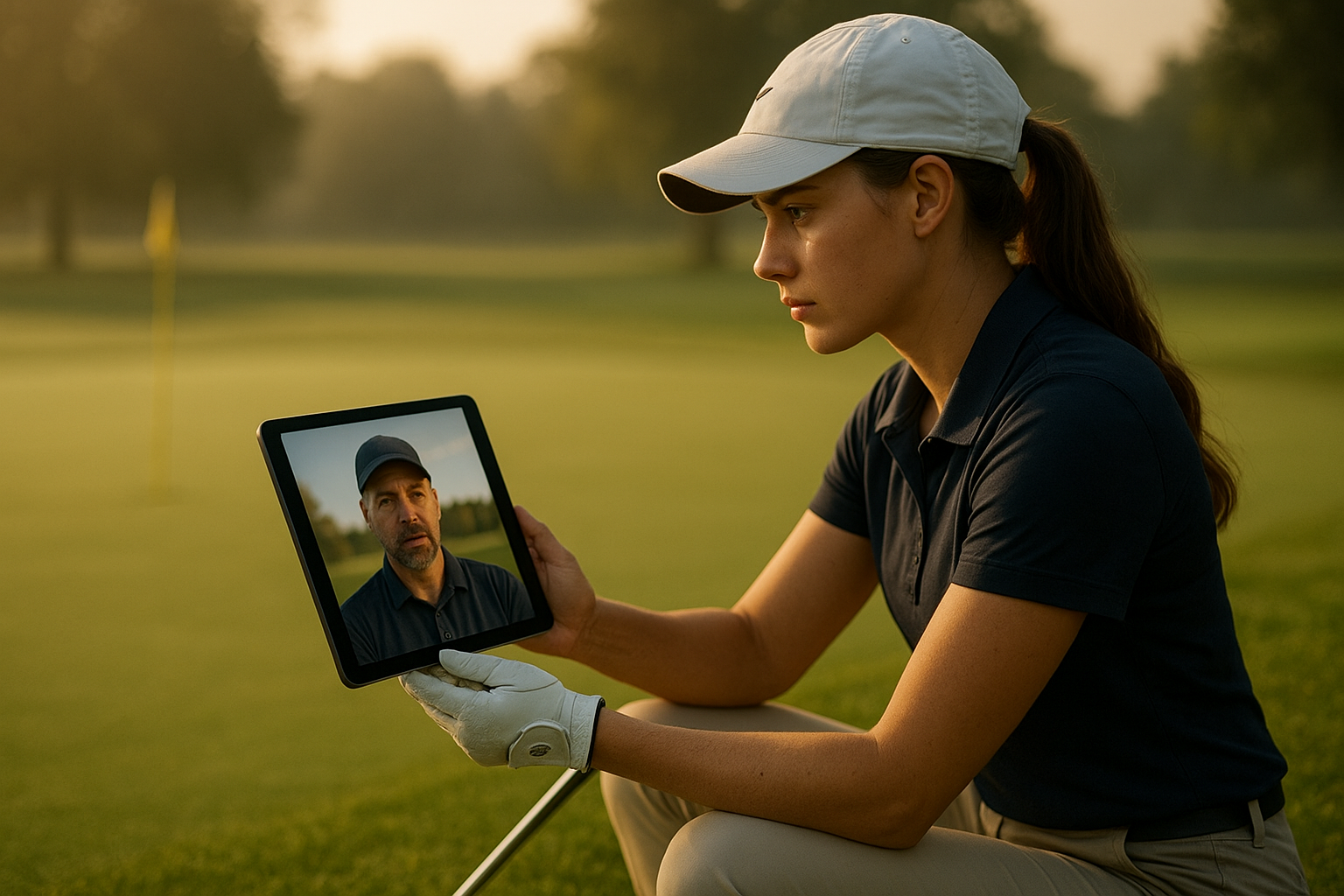
Remote sessions bring tour-level feedback directly to the practice range.
Final Thoughts on Korn Ferry Tour Coaching
Ultimately, Korn Ferry Tour coaching gives competitive golfers a structured, science-backed path toward professional-level performance. By combining biomechanical assessment, personalized training plans, and consistent feedback, this approach addresses the technical and physical demands that separate strong amateurs from tour-ready athletes.
Whether training happens in person or remotely, the core principles stay the same: precise mechanics, injury-aware development, and measurable progress. Athletes ready to pursue this level of instruction can learn more about specialized programs at YourGolfGuru, where kinesiology-based coaching meets elite teaching experience.