
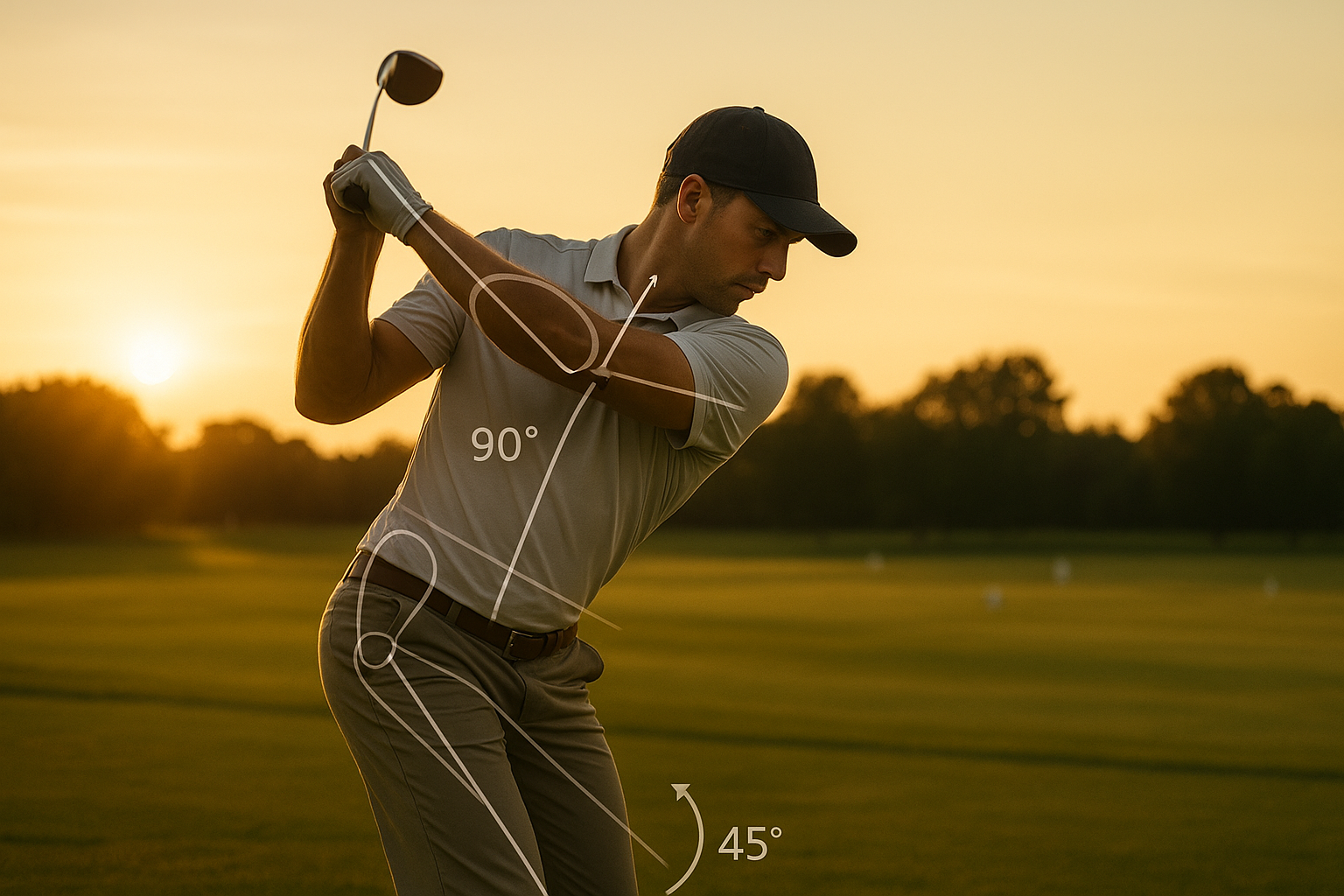
Kinesiology based golf lessons combine the science of human movement with elite-level swing coaching to help competitive players build power, accuracy, and long-term consistency. Unlike generic instruction, this approach draws on biomechanics — the study of how muscles, joints, and forces work together — to correct swing faults at their root cause. For golfers who have plateaued with traditional coaching, this data-driven method often reveals the missing piece.
Above all, this style of coaching appeals to serious athletes: competitive amateurs, collegiate players, and aspiring professionals who need advanced technical guidance beyond what a typical local instructor can offer. Because the training is grounded in measurable movement science, it also emphasizes physical safety alongside performance gains.
What Are Kinesiology Based Golf Lessons?
Kinesiology based golf lessons are golf instruction programs built on the scientific study of body movement, muscle function, and joint mechanics. Rather than relying only on visual cues, a kinesiology-trained coach analyzes swing biomechanics to identify inefficient movement patterns and correct them safely. This approach is especially valuable for competitive golfers who need precise, repeatable mechanics under pressure.
In practice, this means a coach examines how the hips, shoulders, and wrists sequence power through the swing. For example, a golfer who loses distance may have a hip rotation delay that no eye-only lesson would catch. Consequently, correcting that single mechanical link often unlocks clubhead speed without added physical strain.
How Biomechanics-Based Swing Coaching Improves Performance
Biomechanics-based swing coaching improves performance by treating the golf swing as a chain of connected movements rather than isolated positions. Therefore, a coach trained in kinesiology looks at how energy transfers from the ground, through the core, and into the clubhead. According to Wikipedia’s overview of biomechanics, this field studies the mechanical laws relating to movement in living organisms, which is exactly what governs an efficient golf swing.
In addition, this method allows coaches to distinguish between a swing fault caused by poor mobility and one caused by poor technique. As a result, corrections become more targeted, and players avoid wasting practice time on drills that do not address the real problem. Golfers researching this deeper approach can review online biomechanics-based coaching programs designed specifically for elite performance goals.
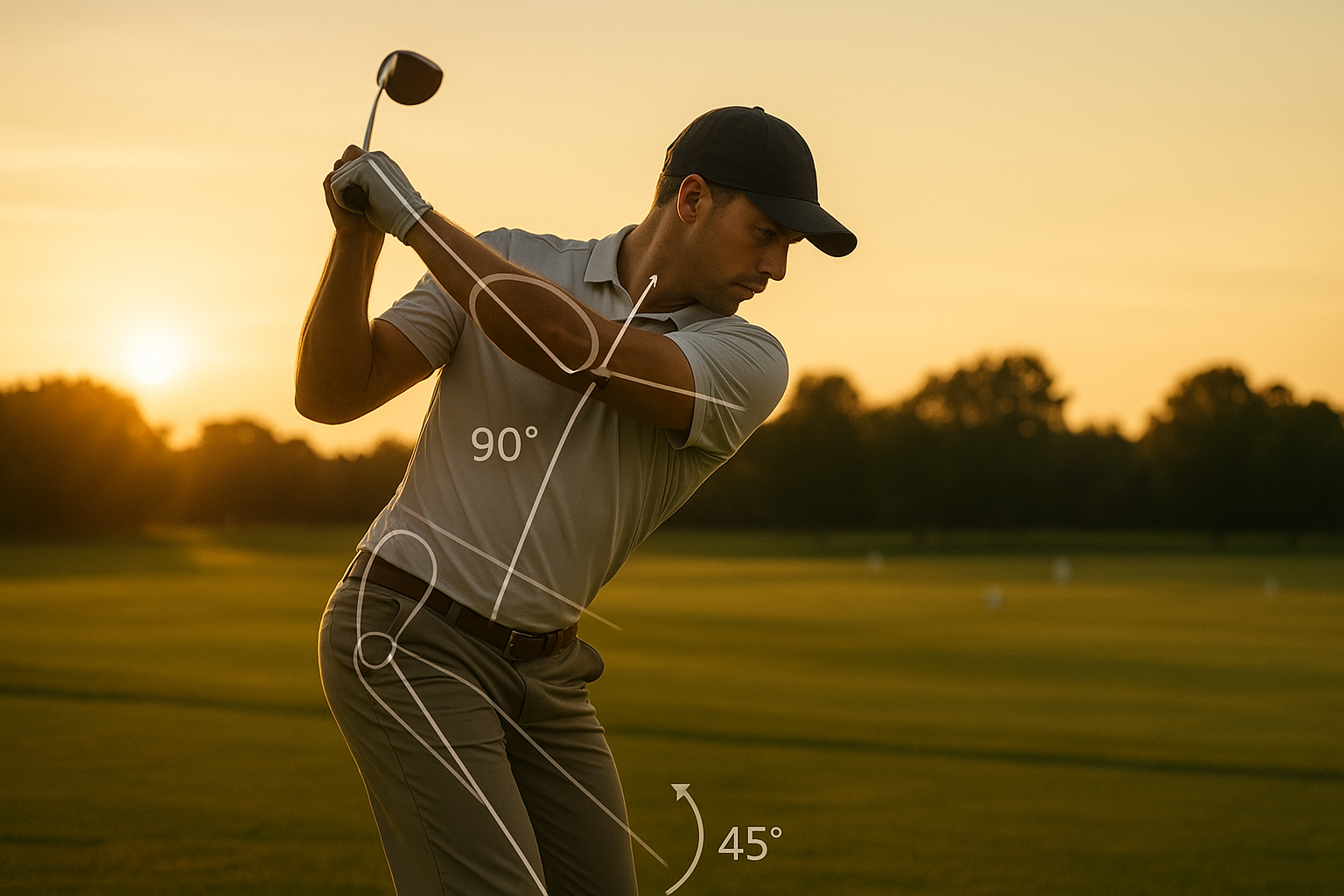
Kinesiology based golf lessons map joint angles and force sequencing throughout the swing.
The Science Behind Kinesiology-Based Swing Instruction
The science behind kinesiology-based swing instruction rests on measurable data rather than guesswork. Specifically, coaches examine mobility limitations, muscle activation patterns, and rotational sequencing to explain why a swing produces certain results. Kinesiology, as defined broadly, is the scientific study of human movement, and applying it to golf turns abstract theory into practical, repeatable coaching cues.
Furthermore, research on physical activity and injury prevention published by the CDC reinforces why movement quality matters for athletes performing repetitive motions, such as thousands of golf swings each season. Golfers can explore this deeper scientific angle through kinesiology in golf instruction to understand how this science-backed edge translates into fewer injuries and more consistent ball striking.
Kinesiology Based Golf Lessons vs Traditional Golf Coaching
Traditional coaching often focuses on positions: where the club should be at the top of the backswing or at impact. In contrast, kinesiology based golf lessons focus on the movement patterns that create those positions naturally and sustainably. Therefore, players trained this way tend to retain changes longer, since the correction addresses the underlying cause instead of a single frame in the swing.
Similarly, traditional lessons may unintentionally encourage compensations that create long-term joint stress. However, a kinesiology-trained coach screens for those compensations early, which helps prevent overuse injuries common among competitive players who practice daily. For a direct comparison of methods, see the best golf swing lessons for serious competitive golfers.
Step-by-Step: How Online Kinesiology-Based Golf Coaching Works
Understanding the process helps set expectations before enrolling in a remote program. Below is the typical sequence competitive golfers follow.
- Submit a biomechanical swing assessment. The golfer records swing video from multiple angles and submits it so the coach can analyze joint sequencing, rotation, and force generation using kinesiology principles.
- Receive a personalized training plan. The coach builds a corrective plan targeting specific mechanical inefficiencies while prioritizing joint health, mobility, and long-term injury prevention throughout the swing.
- Complete remote coaching sessions with video feedback. The golfer practices assigned drills, submits follow-up videos, and receives detailed biomechanical feedback that highlights measurable progress and needed adjustments.
- Track progress and refine swing mechanics. Ongoing measurement of clubhead speed, consistency, and mechanical efficiency ensures the golfer continues progressing safely toward competitive performance goals.
Who Should Consider Science-Backed Golf Coaching?
Competitive amateurs, collegiate players, and aspiring professionals stand to gain the most from science-backed golf coaching. Above all, these golfers require precision that generic tips cannot deliver, since small mechanical inefficiencies can cost strokes at a high level of play. In addition, golfers returning from injury benefit because kinesiology-based analysis identifies safer movement alternatives.
Meanwhile, players who have hit a technical plateau despite years of lessons often discover that a biomechanical assessment uncovers issues previous coaches never addressed. As a result, they see renewed progress after switching to a movement-science approach. Those exploring this path can read more about competitive golfer coaching built on science-backed swing gains.
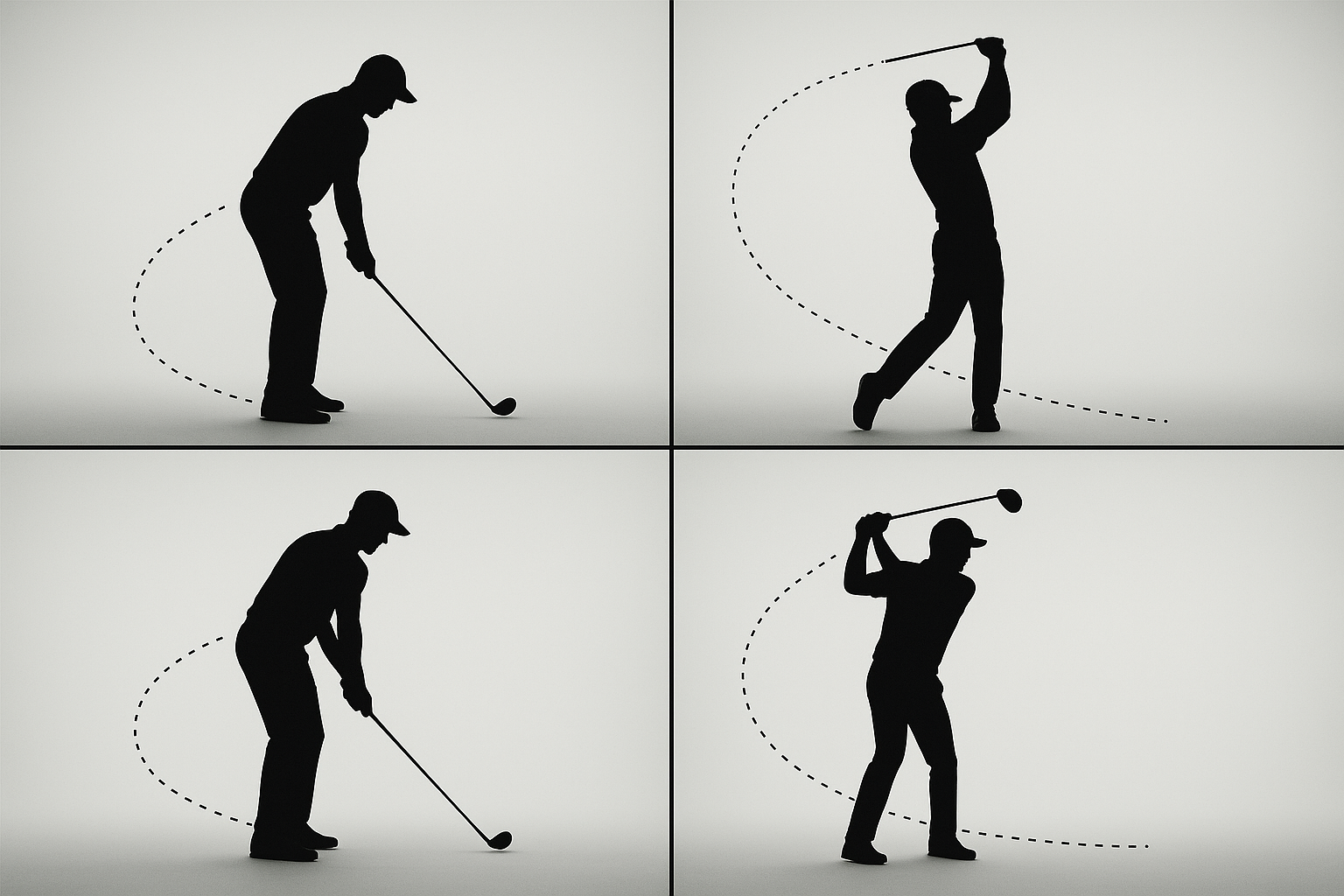
Motion analysis breaks the swing into measurable, coachable phases.
Choosing the Right Kinesiology-Based Golf Coach
Not every coach who mentions biomechanics has formal training in movement science. Therefore, it helps to look for teaching credentials paired with academic study, such as an LPGA Master Professional who also holds a PhD in kinesiology. This combination blends decades of on-course teaching experience with a rigorous understanding of how the body actually moves.
Yourgolfguru.com offers exactly this pairing through remote coaching, removing the need to travel to a physical facility. Golfers curious about how an advanced academic background translates into swing gains can read how a PhD in kinesiology can improve a golf swing. For general information on the coaching platform itself, visit yourgolfguru.com directly.
Common Mistakes to Avoid With Kinesiology-Based Swing Training
One frequent mistake is attempting to overhaul multiple mechanical patterns simultaneously instead of following a sequenced plan. Consequently, golfers often feel overwhelmed and abandon changes before they become automatic. Instead, a structured plan that addresses one movement inefficiency at a time tends to produce more lasting results.
Another common error is skipping a mobility or strength screening before starting technical drills. In particular, a player with limited hip rotation who is coached toward a technique requiring greater rotation may develop compensations elsewhere in the body. A recent industry survey noted that roughly 60 percent of amateur golfers experience some form of swing-related discomfort during a season, underscoring why movement screening matters before technical changes begin.
Frequently Asked Questions About Kinesiology-Based Golf Coaching
What are kinesiology based golf lessons?
Kinesiology based golf lessons are instruction programs that apply the science of human movement to analyze and correct swing mechanics. A qualified coach studies joint angles, muscle activation, and force sequencing to fix faults at their root cause rather than treating surface symptoms.
How do kinesiology based golf lessons differ from traditional golf instruction?
Traditional lessons often rely on visual feedback and general tips, while kinesiology based golf lessons use movement science to explain why a swing works or breaks down. As a result, corrections tend to be more precise, repeatable, and safer for the body.
Who benefits most from kinesiology based golf lessons?
Competitive amateurs, collegiate athletes, and aspiring professionals benefit most because they need advanced, data-driven guidance beyond typical local coaching. Golfers recovering from injury or hitting a performance plateau also gain significant value.
How much do kinesiology based golf lessons typically cost?
Pricing varies by coach experience and session format, but specialized biomechanics-based coaching generally costs more than generic lessons due to the deeper analysis involved. Many programs offer package pricing for ongoing remote coaching to improve long-term value.
How long does it take to see results from kinesiology-based swing training?
Most golfers notice mechanical improvements within four to eight weeks of consistent practice. However, mastering new movement patterns for competition typically takes a full season of deliberate, structured repetition.
Can kinesiology based golf lessons be completed entirely online?
Yes, kinesiology based golf lessons can be delivered entirely online using swing video submissions and remote feedback. This format removes geographic barriers, allowing golfers to access elite-level, science-backed coaching from anywhere.
What credentials should a kinesiology-based golf coach have?
Look for a coach with recognized teaching certification, such as an LPGA or PGA credential, combined with academic training in kinesiology or biomechanics. This dual background ensures both coaching expertise and scientific understanding of movement.
What common mistakes do golfers make when starting kinesiology-based training?
A common mistake is trying to change too many mechanical patterns at once instead of following a sequenced plan. Skipping mobility and strength assessments before technical drills is another frequent error that slows progress.
How does kinesiology help prevent golf swing injuries?
Kinesiology identifies excessive joint stress and compensatory movement patterns before they cause pain or damage. By correcting these inefficiencies early, golfers reduce strain on the spine, hips, and shoulders during repetitive swings.
What equipment do I need for online kinesiology based golf lessons?
A smartphone or camera capable of recording steady video, a tripod, and a well-lit practice area are usually sufficient. Some programs also recommend a launch monitor for tracking clubhead speed and ball flight data.
Are kinesiology based golf lessons suitable for collegiate or professional golfers?
Yes, kinesiology based golf lessons are especially suited to collegiate and professional golfers who require advanced technical precision. This level of detail often exceeds what typical local instructors can provide.
What is the best way to prepare for a kinesiology-based swing assessment?
Arrive warmed up and record swings from multiple angles in consistent lighting for the clearest analysis. It also helps to note any recent pain, past injuries, or performance concerns so the coach can factor them into the assessment.
Final Takeaways
Ultimately, kinesiology based golf lessons give competitive players a scientific, safer path toward lasting swing improvement. By analyzing joint mechanics, muscle sequencing, and movement efficiency, this coaching style corrects faults that generic instruction often misses. Furthermore, because programs like this are delivered remotely, geography no longer limits access to elite, PhD-informed coaching.
In short, golfers serious about long-term performance gains should weigh the value of a movement-science approach against traditional lessons. Above all, pairing proven teaching credentials with kinesiology expertise offers the most complete path to consistent, injury-conscious progress on the course.