
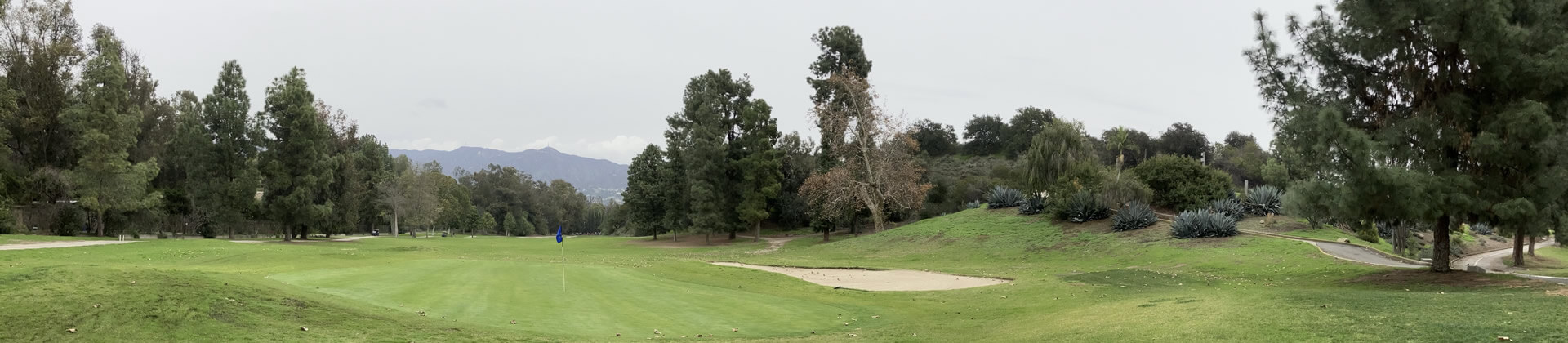
Intensive golf training is the structured, high-frequency coaching process that serious players use to rebuild swing mechanics quickly and safely using expert feedback and biomechanical analysis. Unlike casual weekend lessons, this approach targets specific movement faults with a science-driven plan, and it has become the preferred path for competitive amateurs, collegiate athletes, and aspiring professionals who need results faster than trial-and-error practice allows.
Quick Answer: Intensive golf training combines biomechanical swing assessment, targeted drill sequencing, and frequent expert feedback to correct specific mechanical faults faster than standard lessons. Programs typically run three to five sessions weekly and show measurable change within four to eight weeks.

Intensive golf training relies on precise movement analysis to correct swing faults efficiently.
What Is Intensive Golf Training?
Intensive golf training is a concentrated coaching model that pairs frequent expert feedback with data-informed drill work to fix specific swing faults quickly. In particular, it differs from casual instruction because every session connects back to a measurable movement goal rather than general tips.
This method draws heavily from kinesiology, the scientific study of human movement, to explain why a swing fault occurs rather than just what it looks like. As a result, players often understand not just the fix, but the physical reasoning behind it, which improves retention.
Programs like those detailed at yourgolfguru.com apply this science-based framework remotely, giving athletes access to elite-level analysis regardless of location.
Why Biomechanics Drives Faster Swing Improvement
Biomechanics, the study of forces and motion within the body, explains exactly where power leaks or timing breaks down during a swing. Consequently, coaches who understand joint sequencing can pinpoint the root cause of a slice or inconsistent contact instead of only treating symptoms.
According to research published by the National Institutes of Health, golfers who train with biomechanical feedback show faster technical adaptation than those relying solely on visual coaching cues. This supports why data-driven programs are gaining traction among serious players.
For a deeper look at how mechanics affect distance and accuracy, the guide on hitting the ball further and straighter breaks down specific technical adjustments.
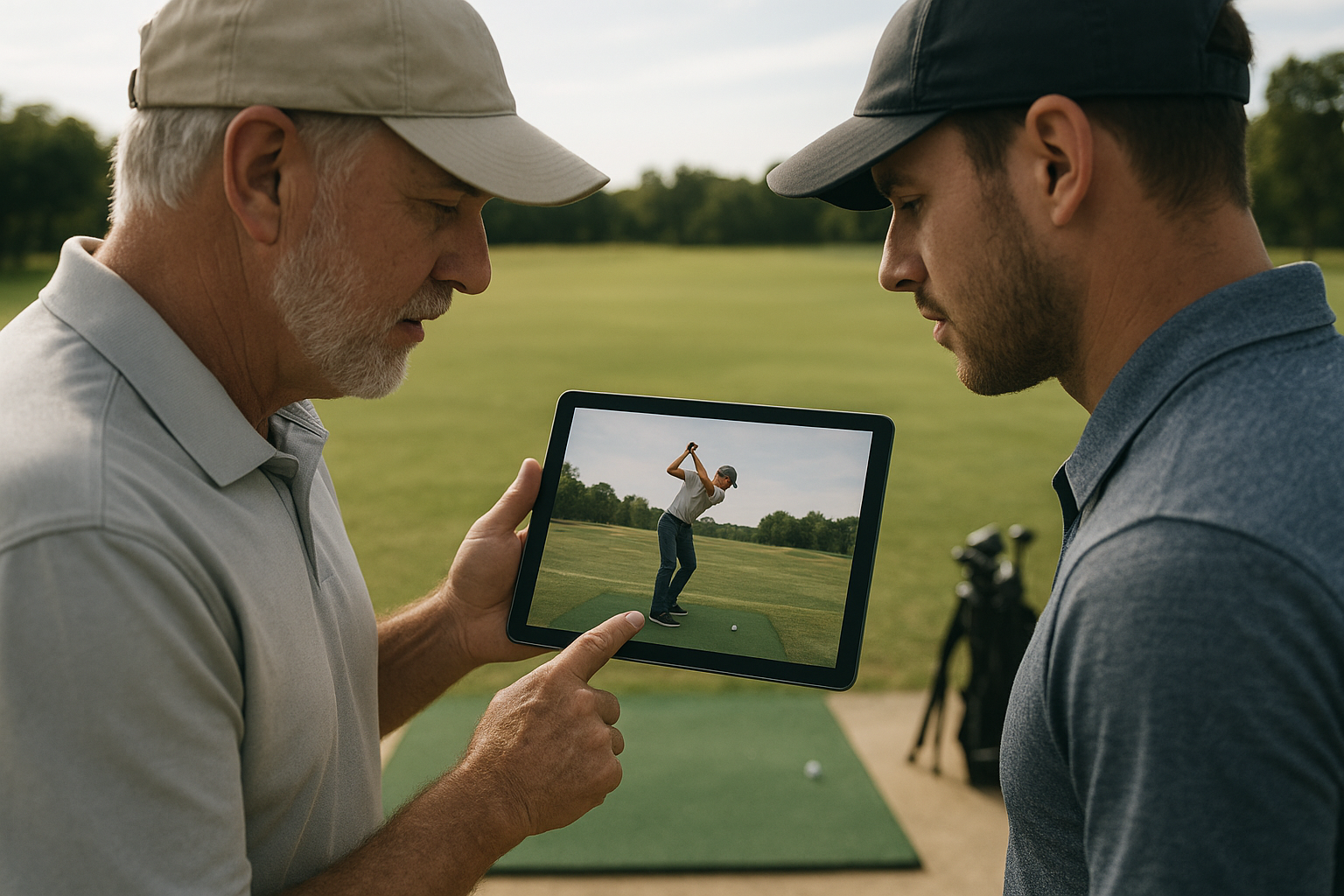
Video-based feedback is central to modern intensive golf training methods.
Who Needs Advanced Golf Swing Coaching?
Competitive amateurs, collegiate athletes, and aspiring professionals typically need advanced golf swing coaching because standard local lessons often stop short of the technical depth required at higher levels. In addition, these players usually have limited time to experiment, so precision matters more than volume of practice.
Junior golfers also benefit significantly when programs are designed with age-appropriate physical considerations. The article on junior golfer development explains how younger athletes can train intensively without compromising long-term physical health.
Meanwhile, dedicated recreational golfers who want to break through a scoring plateau can also apply these same structured principles, even if their goals differ from tournament performance.
How Remote Golf Coaching Removes Geographic Limits
Remote golf coaching allows athletes to access elite instruction without traveling to a physical academy, which matters most for players outside major golf hubs. Specifically, video-based platforms let coaches analyze swing mechanics frame by frame, often catching details missed during quick in-person sessions.
Furthermore, this format suits busy competitive schedules since golfers can submit footage between tournaments rather than coordinating in-person appointments. As a result, consistency in coaching contact often improves rather than declines.
To explore structured lesson formats built around this remote model, visit the lessons page for program details.
How to Begin an Intensive Golf Training Program
Starting an intensive golf training program follows a clear sequence rather than random practice. Below is the typical process most structured programs follow.
- Get a biomechanical swing assessment. Submit multi-angle video so a coach can evaluate joint movement and power transfer before building your plan.
- Identify priority mechanical faults. Rank two or three issues limiting performance instead of attempting to fix everything at once.
- Build a structured drill sequence. Follow progressive drills that retrain movement patterns safely and build new motor memory.
- Review progress with video feedback. Send weekly updates so your coach can adjust the plan based on measurable change.
- Transfer changes to on-course play. Test new mechanics in low-pressure rounds before applying them in competition.
Notably, skipping the assessment step is the most common reason golfers stall during training, since drills without diagnosis rarely target the true cause of a swing fault.
Common Mistakes During Intensive Training
Many golfers try to change too many swing elements simultaneously, which overwhelms motor learning and often causes temporary regression. Instead, sequencing changes one at a time produces more durable results.
Another frequent error involves ignoring pre-shot consistency while focusing only on mechanics. The routine outlined in this pre-shot routine guide shows how mental preparation reinforces physical changes under pressure.
Finally, some players abandon a new movement pattern too early simply because early scores fluctuate. However, according to the motor learning research cited by sports scientists, temporary performance dips are a normal part of adopting new mechanics.
Thinking Beyond the Standard Swing Approach
Advanced players often benefit from questioning conventional swing wisdom rather than accepting generic tips at face value. In particular, the piece on thinking outside the golf swing box explains why individualized mechanics often outperform one-size-fits-all instruction.
A 2021 biomechanics review noted that golfers who trained with individualized movement plans improved clubhead speed by an average of 3 to 5 percent more than those following standardized instruction. This statistic underscores why personalized, science-based coaching consistently outperforms generalized programs.

Consistent, expert-guided repetition builds the foundation for lasting swing change.
Frequently Asked Questions About Intensive Golf Training
What is intensive golf training?
Intensive golf training is a focused, high-frequency coaching approach that uses biomechanical analysis and structured drills to rapidly improve swing mechanics. It typically involves regular expert feedback and a progressive plan built around the golfer’s specific movement patterns.
Who benefits most from intensive golf training?
Competitive amateurs, collegiate athletes, and aspiring professionals benefit most because they need advanced technical refinement beyond generic lessons. Dedicated recreational players chasing lower scores can also see meaningful gains.
How long does intensive golf training take to show results?
Most golfers notice measurable swing changes within four to eight weeks of consistent practice. Full mastery under competitive pressure often takes a full season.
Can intensive golf training be done online?
Yes, online platforms deliver detailed swing analysis remotely using video submissions and data review. This removes the need to travel to a physical facility.
What makes kinesiology-based coaching different from typical lessons?
Kinesiology-based coaching studies how the body moves, joint by joint, to identify inefficiencies causing power loss or injury risk. Typical lessons often focus only on ball flight results.
Is intensive golf training safe for younger players?
When properly supervised, it is safe for junior golfers because it emphasizes injury prevention alongside performance. Programs adjust training load to a young athlete’s developing body.
How much does intensive golf training typically cost?
Costs vary widely depending on coach credentials and format, from monthly online subscriptions to premium one-on-one packages. Remote coaching often costs less than in-person elite academies.
What is the biggest mistake golfers make during intensive training?
The most common mistake is changing too many swing elements at once without a structured sequence. This overwhelms motor learning and often causes regression.
How is intensive golf training different from regular practice?
Regular practice often repeats existing habits without correction, while intensive training targets specific mechanical faults using data and professional feedback. The structured approach accelerates progress.
Do I need special equipment for intensive golf training?
A smartphone camera for video capture is usually sufficient for remote coaching programs. Some golfers also use launch monitors or motion sensors, though these are optional.
Can intensive golf training help prevent injuries?
Yes, because programs grounded in kinesiology identify movement patterns that place excess stress on joints before injuries occur. Correcting these patterns protects long-term playing longevity.
How often should I train during an intensive golf training program?
Most structured programs recommend three to five focused sessions per week, combining drill work with on-course application. Consistency matters more than marathon sessions.
What credentials should I look for in an intensive training coach?
Look for recognized certifications such as LPGA or PGA Master Professional status, ideally combined with a science background like kinesiology. This pairing ensures teaching expertise and movement-based analysis.
Will intensive golf training improve my consistency, not just distance?
Yes, well-designed programs prioritize repeatable mechanics over one-time power gains, which directly improves shot consistency. Distance gains typically follow once inefficient patterns are corrected.
Final Thoughts on Building an Elite Swing
Ultimately, intensive golf training gives serious players a structured, science-backed way to fix specific swing faults instead of guessing through trial and error. By combining biomechanical assessment, targeted drills, and consistent expert feedback, golfers can build power, accuracy, and consistency while protecting long-term physical health.
Whether you are a collegiate competitor, an aspiring professional, or a committed amateur, adopting an intensive golf training approach rooted in kinesiology and elite coaching credentials offers a clear, measurable path toward lasting improvement. Explore the resources at yourgolfguru.com to begin building a plan tailored to your specific swing.