


Learning how to develop a personalized golf swing plan is essential for any competitive golfer who has outgrown cookie-cutter lessons. Generic tips might help a weekend player, but athletes chasing low scores and college or professional opportunities need a plan built around their own body, history, and goals. In addition, a plan grounded in real biomechanical data tends to produce faster, safer, and longer-lasting results than one-size-fits-all instruction.
In short: a personalized golf swing plan is built from a full movement and swing assessment, specific performance goals, and a progressive drill sequence that is reviewed and adjusted on a regular schedule. This structured approach replaces guesswork with measurable, individualized progress.

Video analysis is often the starting point for how to develop a personalized golf swing plan.
What Is a Personalized Golf Swing Plan?
A personalized golf swing plan is a custom coaching roadmap built around an individual player’s biomechanics, physical limitations, and competitive goals rather than generic advice applied to every student. Unlike a single lesson, it functions as an ongoing strategy document that evolves with the player’s progress.
Specifically, the plan draws on movement screening, video analysis, and performance data to pinpoint exactly where a swing breaks down. As a result, corrections target root causes instead of temporary fixes, which tends to produce more durable improvement over a full competitive season.
Why Generic Instruction Falls Short for Competitive Players
Standard group lessons are designed for the average golfer, so they rarely account for the unique joint mobility, strength asymmetries, and injury history that shape a competitive player’s swing. Consequently, players who rely solely on generic tips often plateau well below their true potential.
Furthermore, elite and collegiate athletes face higher swing speeds and repetition volumes, which raises injury risk when mechanics are not individually optimized. A tailored swing strategy, in contrast, factors in these variables from the start, reducing both performance ceilings and physical strain. Research on golf swing mechanics shows that even small sequencing errors in the kinetic chain can significantly reduce clubhead speed and accuracy.
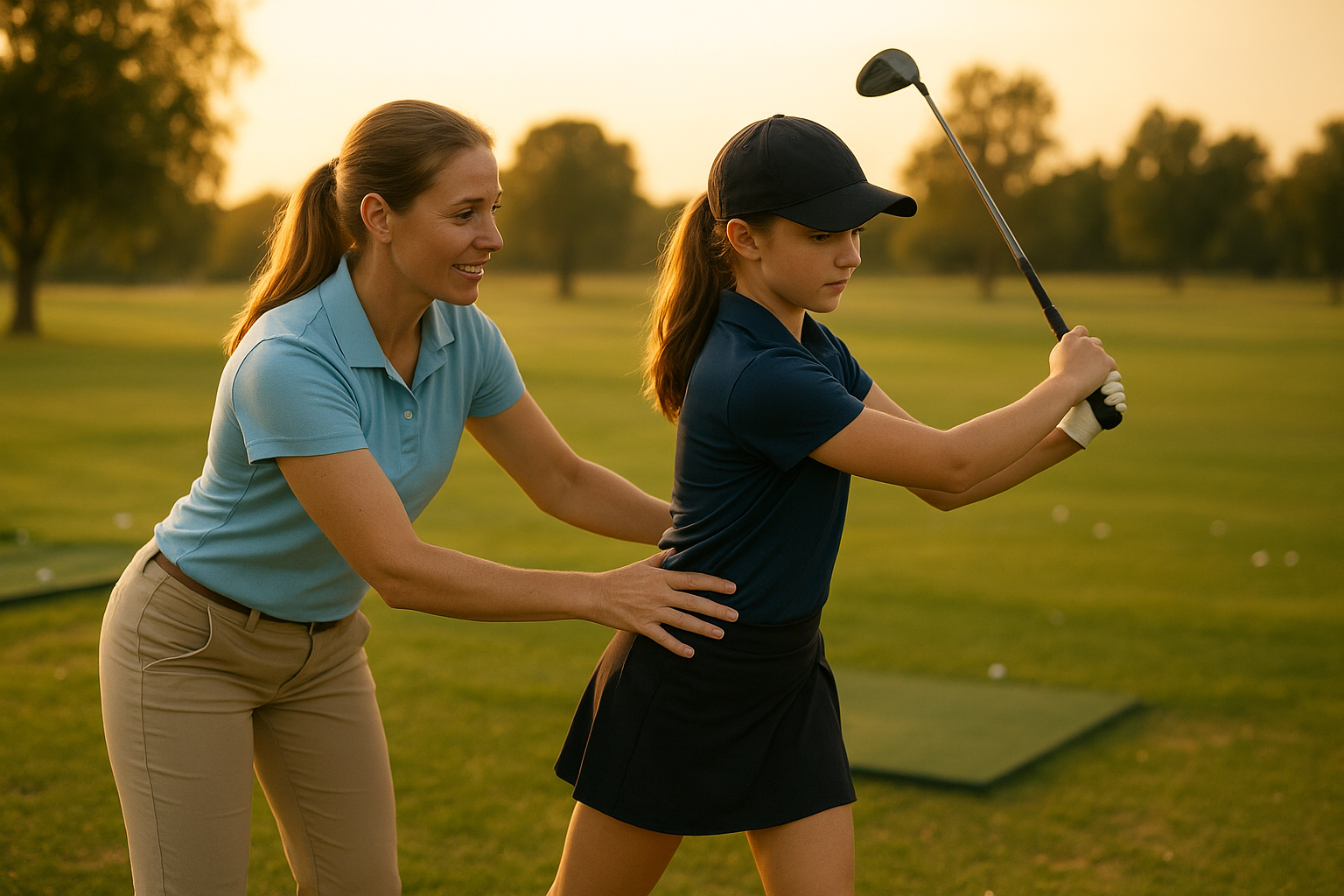
Hands-on biomechanical coaching helps shape a truly custom golf swing plan.
How to Develop a Personalized Golf Swing Plan: Step-by-Step
Developing an effective plan follows a logical sequence. Below is the process most science-based coaches use when building a plan for a competitive or aspiring professional golfer.
- Complete a movement and swing assessment. A thorough physical screening and video review identify mobility limits, strength imbalances, and current mechanics before any changes begin.
- Define specific performance goals. Clear, measurable targets, such as increased clubhead speed or tighter shot dispersion, give the plan direction and a way to track success.
- Identify root-cause swing faults. Biomechanical analysis traces inconsistent ball flight back to its true origin in the kinetic chain, the connected sequence of body segments that transfers energy through the swing.
- Build a progressive drill sequence. Drills start slow and controlled, then gradually add speed and full-swing pressure as new patterns become automatic.
- Track data and adjust regularly. Metrics, video, and on-course results are logged consistently, then the plan is revised every few weeks based on measurable progress.
The Role of Biomechanics in a Tailored Swing Strategy
Kinesiology, the scientific study of human movement, plays a central role in modern swing coaching. Coaches trained in this field can measure joint angles, rotational speed, and force transfer to explain exactly why a swing fault occurs rather than simply describing what it looks like.
Moreover, this scientific lens helps balance performance gains with injury prevention. For example, a 2021 review of golf-related injuries found that a significant share of amateur and competitive golfers experience lower back or wrist strain tied directly to swing mechanics, according to data summarized by the National Institutes of Health. Therefore, a biomechanically informed plan does not just chase speed; it protects long-term playing health.
Choosing the Right Coach for Custom Swing Development
Not every instructor is equipped to build a truly individualized plan. Above all, look for a coach with recognized certification, such as LPGA or PGA credentials, combined with formal training in sports science or kinesiology.
In particular, coaches who combine elite playing or teaching experience with scientific analysis tend to produce more precise, safer plans. For a deeper look at how science-based coaching is structured, this tailored swing plan coaching guide breaks down what to expect from a credentialed program. Similarly, reviewing a coach’s approach to customized online coaching for elite players can help confirm they offer the depth of analysis a competitive plan requires.
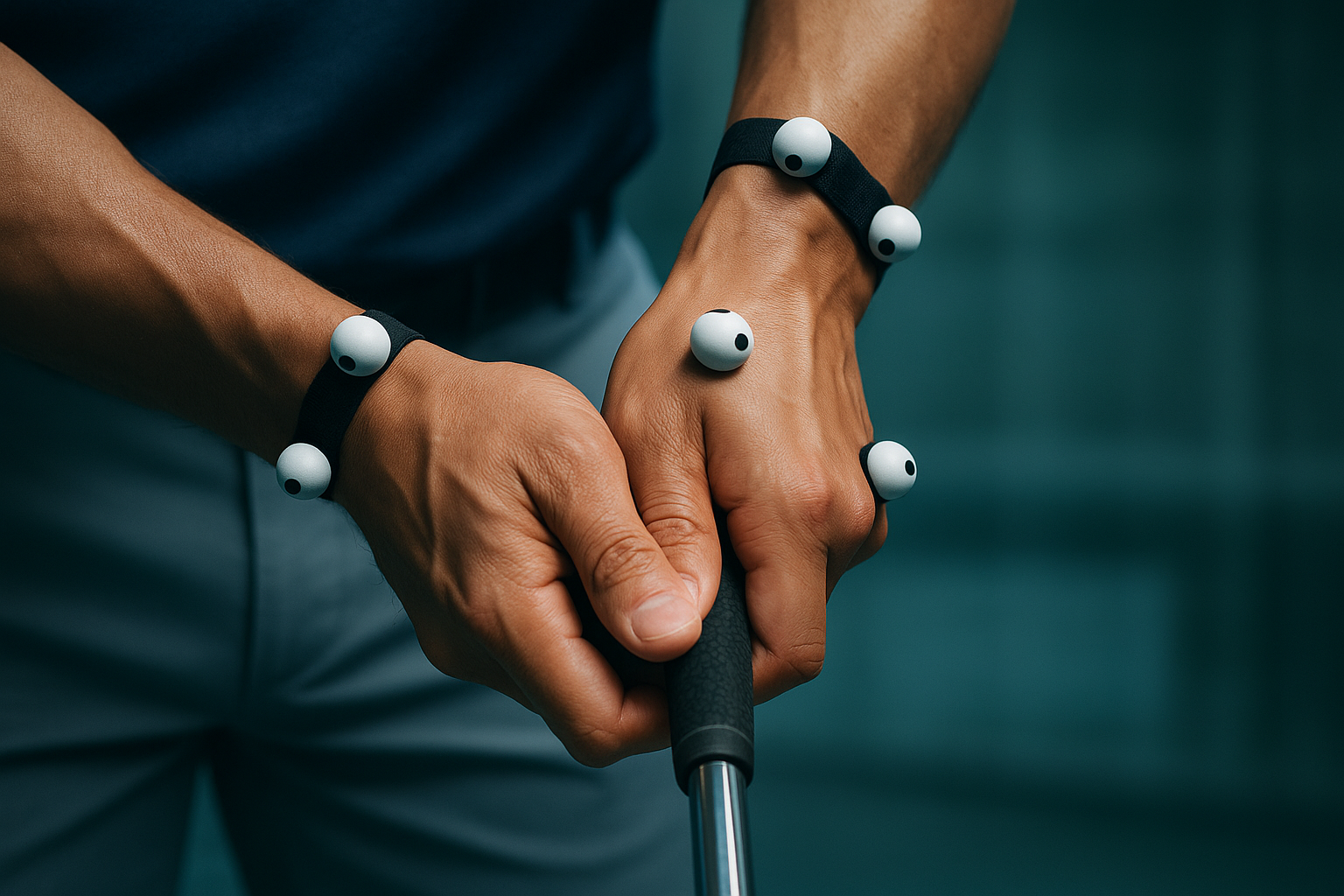
Biomechanical sensors help quantify progress within a personalized golf swing plan.
Common Mistakes When Building a Custom Swing Plan
Even motivated golfers stumble when creating their own plan. For instance, chasing too many swing changes at once often overwhelms the nervous system and stalls progress rather than accelerating it.
Likewise, copying a tour professional’s technique without accounting for individual mobility or strength is a frequent error that can lead to compensation patterns and injury. Skipping a proper assessment, meanwhile, is perhaps the most common mistake of all, since it removes the data needed to make informed decisions. As a result, golfers end up guessing rather than progressing. For additional perspective on long-term improvement habits, the article on building your best golf year offers useful season-planning context, while classic golf swing wisdom highlights timeless principles that still apply within a modern, data-driven plan.
How Remote Coaching Supports Personalized Development
Online instruction has changed how competitive golfers access elite-level expertise. Specifically, remote coaching removes geographic barriers, allowing a player in a small town to work with a credentialed specialist who might otherwise be unreachable.
Platforms built around detailed video submission and structured feedback, such as those described at yourgolfguru.com, allow coaches to apply the same assessment-driven process used in person. Consequently, distance no longer limits the quality or precision of a personalized swing plan. Readers interested in how instruction translates across skill levels may also enjoy this comparison of tour-level mechanics and everyday players, which illustrates why individualized coaching matters at every level.
Frequently Asked Questions About How to Develop a Personalized Golf Swing Plan
What is a personalized golf swing plan?
A personalized golf swing plan is a custom coaching roadmap built around your specific biomechanics, physical limitations, and performance goals rather than generic swing advice. It combines video analysis, movement screening, and progressive drills designed for your body and game.
How long does it take to develop a personalized golf swing plan?
Most golfers can expect an initial plan to be built within one to two weeks after assessment. Ongoing refinement, however, typically continues over several months as new data and performance results come in.
Why do competitive golfers need a custom swing plan instead of generic lessons?
Generic lessons address average tendencies, but competitive golfers have unique joint mobility, strength asymmetries, and playing histories that require individualized correction. A custom plan targets the specific inefficiencies holding back a particular player’s scoring potential.
How does biomechanics influence a personalized swing plan?
Biomechanics helps coaches identify exactly where energy leaks occur in a swing sequence. This data-driven view allows a plan to correct root causes instead of surface symptoms.
What is the difference between a personalized swing plan and a standard golf lesson?
A standard lesson usually offers isolated tips for a single session, while a personalized plan maps a long-term progression with measurable milestones. The plan also factors in physical screening, injury history, and competitive goals that a one-off lesson rarely addresses.
How much does a personalized golf swing plan cost?
Costs vary widely depending on coach credentials, assessment depth, and plan duration, often ranging from a few hundred to several thousand dollars for a full competitive season. Online programs can reduce costs since they remove travel and facility fees.
What common mistakes do golfers make when building a swing plan?
Many golfers chase too many swing changes at once or copy a tour pro’s technique without accounting for their own body mechanics. Skipping a proper movement assessment is another frequent error that leads to injury or stalled progress.
How often should a personalized swing plan be updated?
A swing plan should be reviewed every four to eight weeks, or immediately after a significant performance change or injury. Regular updates keep the plan aligned with strength gains, fatigue patterns, and tournament schedules.
Can online coaching really create an effective personalized golf swing plan?
Yes, online coaching can be highly effective when it uses detailed video submission, slow-motion analysis, and structured feedback loops. Remote delivery also allows access to specialized coaches, such as kinesiology-trained professionals, who may not be available locally.
What role does video analysis play in developing a swing plan?
Video analysis provides objective, frame-by-frame evidence of swing positions that the eye alone often misses. It allows a coach to measure angles, sequencing, and timing to build precise, individualized corrections.
How do I know if my current swing plan isn’t working?
Warning signs include stagnant or declining ball-striking statistics, recurring pain, and inconsistent results despite diligent practice. If these patterns persist for several weeks, the plan likely needs reassessment by a qualified coach.
What should I look for in a coach to build my personalized swing plan?
Look for credentials such as LPGA or PGA certification, a background in kinesiology or sports science, and a track record coaching competitive players. A strong coach will also explain the reasoning behind each change rather than offering vague instruction.
Can a personalized golf swing plan help prevent injury?
Yes, a well-designed plan accounts for joint stress and movement patterns, reducing repetitive strain that causes common golf injuries. This safety-first approach is especially valuable for players practicing and competing at high volume.
Final Thoughts
Ultimately, learning how to develop a personalized golf swing plan comes down to replacing guesswork with assessment, data, and steady progression. A plan built on real movement screening, clear goals, and biomechanical feedback gives competitive golfers a far better chance at consistent, injury-free improvement than generic instruction ever could. In addition, working with a credentialed, science-based coach, whether in person or through a remote platform, ensures those adjustments are grounded in evidence rather than trends. As a result, players who commit to this structured, individualized approach tend to see steadier gains in power, accuracy, and overall confidence over a full competitive season.