


Golf swing improvement for collegiate players requires a more precise approach than typical golf lessons, because college athletes already have solid fundamentals and need refined, data-driven adjustments rather than basic instruction. Many student-athletes hit a plateau where small mechanical inefficiencies quietly limit their scoring potential. Consequently, closing that gap demands biomechanical insight, not guesswork. In this guide, you will learn how science-backed coaching, video-based swing analysis, and structured practice plans help collegiate golfers gain power, accuracy, and consistency while protecting their bodies from injury. Furthermore, you will see why remote, expert-level instruction is reshaping how competitive players train.

Golf swing improvement for collegiate players blends biomechanics with repetition on the range.
What Is Golf Swing Improvement for Collegiate Players?
Golf swing improvement for collegiate players is the process of using biomechanical analysis, structured coaching, and targeted practice to refine swing mechanics for high-level competitive golf. It focuses on eliminating inefficient movement patterns, increasing clubhead speed safely, and building a repeatable motion that holds up under tournament pressure. Because collegiate golfers already compete against strong fields, this kind of improvement relies on precise, individualized adjustments rather than generic tips.
In practice, this means combining video analysis, kinesiology (the scientific study of human movement), and sport-specific strength work. For example, a coach may identify a hip rotation delay that costs a player five to eight miles per hour of clubhead speed. As a result, correcting that single fault can noticeably improve distance without any change in effort. Similarly, addressing wrist angle at impact often improves accuracy more than simply swinging harder ever could.
Why Collegiate Golfers Need Specialized Swing Coaching
Collegiate golfers face a different competitive environment than junior or recreational players. Therefore, generic instruction that works for beginners rarely addresses the fine-tuned adjustments elite competitors need.
Above all, college programs demand consistency across dozens of competitive rounds each season. In addition, players must manage fatigue, travel, and academic schedules while maintaining peak swing mechanics. Specialized coaching, such as the science-backed programs at this elite online swing instruction resource, addresses these pressures directly by pairing biomechanical data with a training plan built around a student’s actual schedule.
Moreover, collegiate athletes often already work with strength coaches, sports psychologists, and academic advisors. Consequently, a swing coach who understands sports science communicates more effectively within that support system than a purely intuition-based instructor.
The Science Behind Swing Mechanics and Injury Prevention
Every golf swing places repetitive stress on the spine, hips, and wrists. As a result, understanding swing mechanics is not optional for serious players — it is essential for a long competitive career.
Research on golf-related injuries indicates that lower back pain accounts for a substantial share of reported cases among competitive golfers, according to sports medicine literature indexed by the National Institutes of Health. In particular, an early hip turn combined with excessive spinal side-bend, sometimes called the “reverse C” position, is frequently cited as a contributing factor. Therefore, correcting this pattern protects both performance and long-term health.
In addition, understanding golf swing mechanics through a kinesiology lens allows a coach to explain why a fault occurs, not just that it occurs. For instance, limited hip mobility might force compensations further up the chain. Similarly, weak core stability often shows up as an inconsistent swing plane under pressure. This is precisely the type of analysis found in programs that apply kinesiology principles, such as the methods described on this breakdown of scientific golf swing moves.
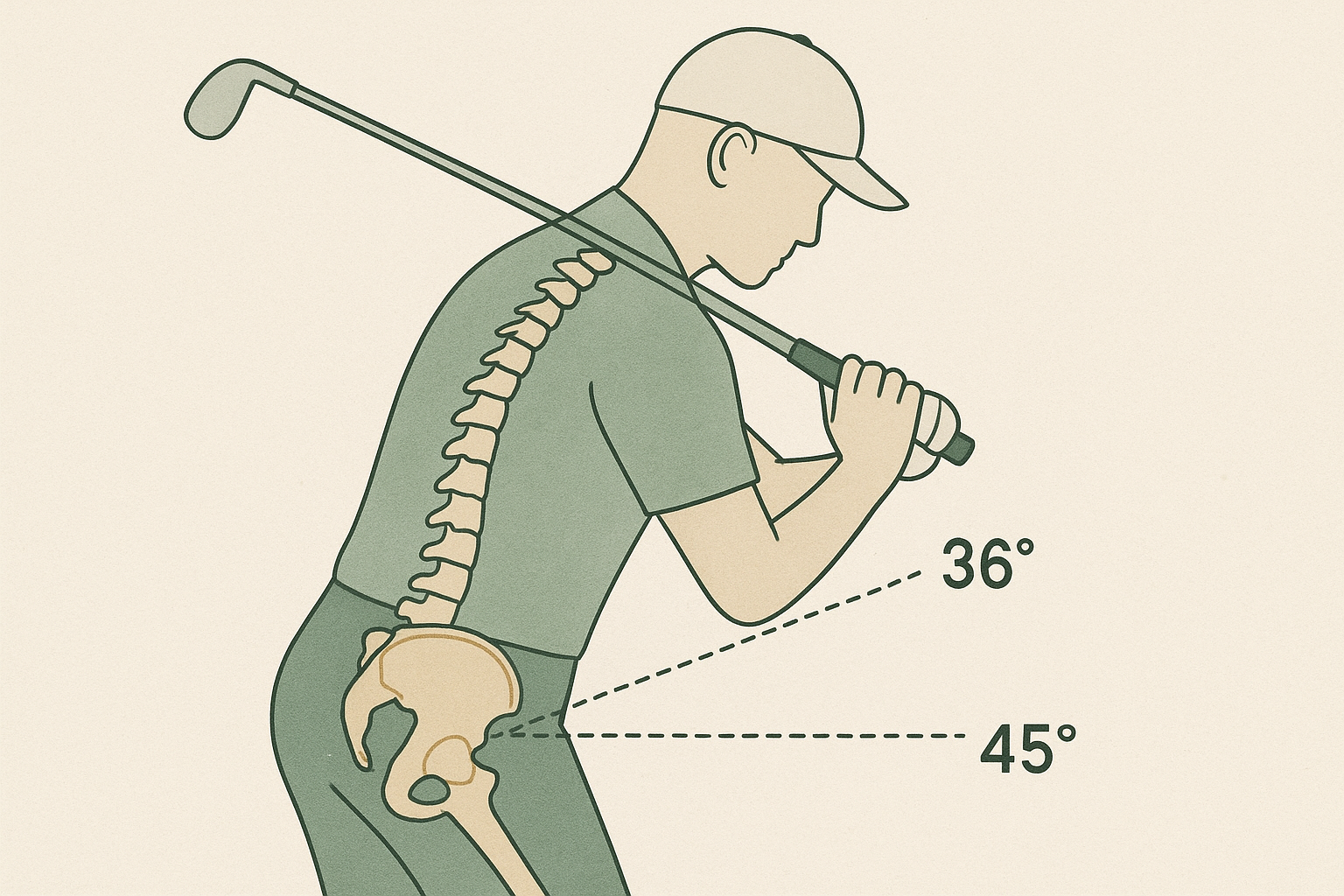
Biomechanical analysis reveals the timing faults that limit power and consistency.
How to Build a Data-Driven Swing Improvement Plan
Building a reliable swing improvement plan does not happen by accident. Instead, it follows a structured sequence that any collegiate golfer can apply.
- Record baseline swing video from multiple angles. At the outset, capture face-on and down-the-line video during a full-speed range session so a coach can measure actual tendencies rather than guesses about technique.
- Get a biomechanical assessment. Next, work with a qualified coach to evaluate joint mobility, sequencing, and clubhead data so any physical limitations are identified before drills begin.
- Prioritize the one or two highest-impact faults. Afterward, focus training on the swing flaws that most limit speed, accuracy, or consistency instead of trying to fix everything simultaneously.
- Practice with feedback, not just repetition. Then, use drills tied to measurable checkpoints, such as impact position or hip rotation timing, so practice reinforces the correct pattern rather than an old habit.
- Test changes under simulated pressure. Finally, validate new mechanics in practice-round or simulator conditions that mimic tournament stress, since a swing that only works on the range will not hold up in competition.
Common Swing Faults That Limit Collegiate Golfers
Even highly skilled players repeat certain swing faults. However, recognizing these patterns early prevents wasted practice time.
First, an over-the-top swing path is common among strong, athletic players who generate power with their upper body. Consequently, this often produces a weak slice or pull under pressure. Second, poor sequencing — starting the downswing with the arms instead of the lower body — robs players of effortless speed. Third, inconsistent setup and alignment quietly sabotage otherwise sound mechanics, especially during long tournament rounds when fatigue sets in.
Additionally, many collegiate golfers ignore short-game mechanics while focusing heavily on full swing improvement. Yet, according to coaching resources such as this guide on fast improvement strategies for competitive golfers, balanced attention across the full swing and scoring shots produces faster results than isolating one area alone.
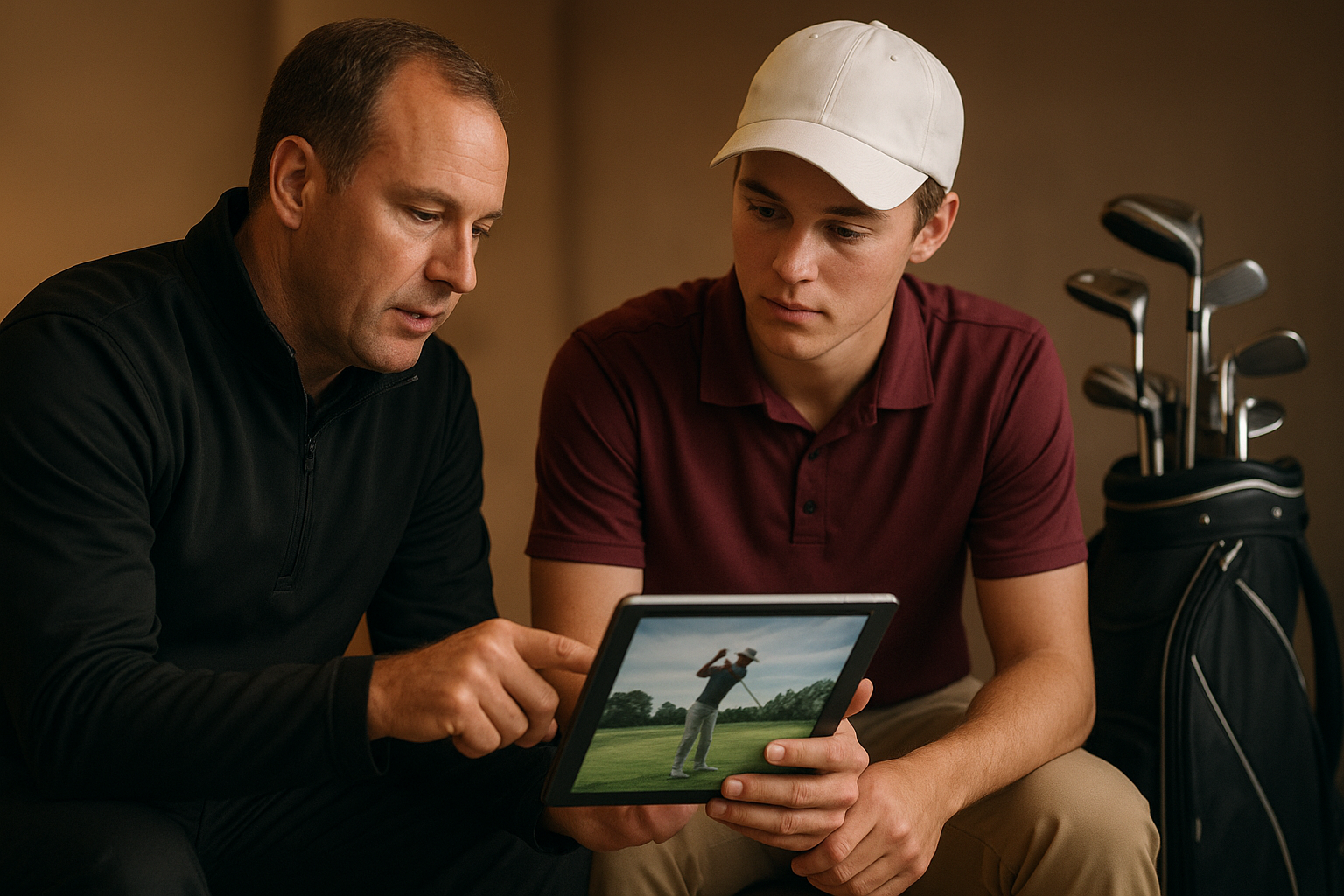
Detailed video review helps pinpoint the exact faults behind inconsistent ball flight.
How Remote, Science-Backed Coaching Helps College Athletes
Traveling to see a specialized coach is often impossible during a packed college golf schedule. Therefore, remote coaching has become a practical solution rather than a compromise.
Through video review and structured feedback, an online platform can deliver the same depth of analysis as an in-person lesson. For instance, Your Golf Guru connects competitive players with an LPGA Master Professional who also holds a PhD in kinesiology, allowing swing feedback to be grounded in both elite coaching experience and movement science. As a result, players receive guidance that fits their travel schedule without sacrificing quality.
Furthermore, real accounts from tour-level events, such as the observations shared in this diary from the PGA Seniors Championship, show how even seasoned professionals continue refining mechanics throughout their careers. Similarly, resources like these golf swing lesson tips give collegiate players practical takeaways they can apply between formal coaching sessions.
Frequently Asked Questions About Golf Swing Improvement for Collegiate Players
What is golf swing improvement for collegiate players?
Golf swing improvement for collegiate players refers to biomechanically informed coaching that refines swing mechanics for athletes already competing at a high level. It targets efficiency, power, and consistency rather than basic swing fundamentals.
How long does it take to see results from collegiate swing coaching?
Most collegiate players notice measurable changes within four to eight weeks of focused, feedback-based practice. However, full integration into tournament play often takes a full competitive season.
Why do collegiate golfers need more advanced coaching than junior players?
Collegiate golfers compete in deeper fields and face more physical and mental demands than junior golfers. As a result, they need precise, data-backed adjustments instead of broad fundamentals-focused lessons.
How does online golf coaching compare to in-person lessons for college athletes?
Online coaching can match in-person lessons in analytical depth when it uses detailed video review and structured feedback. In fact, it often offers more flexibility for athletes managing travel and academic schedules.
What does online golf swing coaching typically cost?
Pricing varies widely depending on the coach’s credentials and program structure, ranging from single-session video reviews to comprehensive monthly coaching plans. Collegiate-level programs led by highly credentialed instructors generally sit at the higher end of that range.
What are the most common swing mistakes collegiate golfers make?
The most frequent issues include an over-the-top swing path, poor downswing sequencing, and inconsistent setup under fatigue. Each of these faults tends to worsen during pressure-filled tournament rounds.
How can biomechanics improve golf swing consistency?
Biomechanics identifies exactly which joint movements or timing issues cause inconsistency, rather than relying on general tips. Consequently, players can correct root causes instead of masking symptoms with compensations.
What credentials should a collegiate golf coach have?
Look for coaches with recognized teaching certifications, verifiable playing or coaching results, and ideally a background in sports science or kinesiology. This combination helps ensure technical feedback aligns with safe, evidence-based movement patterns.
Can remote coaching really help NCAA-level golfers?
Yes, remote coaching can help NCAA-level golfers when it includes detailed video analysis and individualized feedback. Many competitive players already train this way to work around travel and practice schedules.
How often should collegiate players work with a swing coach?
Most competitive players benefit from check-ins every one to two weeks during the season and more frequent sessions during off-season swing changes. This cadence allows enough repetition between feedback points without overcorrecting.
What role does injury prevention play in swing improvement?
Injury prevention is central to sustainable swing improvement because faulty mechanics create repetitive stress on the spine and joints. Addressing these patterns early protects a player’s ability to compete over a full four-year career.
How is video analysis used in golf swing improvement for collegiate players?
Video analysis captures swing positions frame by frame, allowing a coach to measure angles, timing, and sequencing objectively. This data-driven approach removes guesswork from golf swing improvement for collegiate players and supports targeted drills.
Final Thoughts on Golf Swing Improvement for Collegiate Players
Golf swing improvement for collegiate players ultimately comes down to precision, not just effort. Because college athletes already possess strong fundamentals, real progress depends on biomechanical insight, structured feedback, and coaching that understands the demands of competitive play. In addition, protecting long-term physical health should stay just as important as chasing extra distance. Whether working with a local instructor or a remote, science-backed program, the goal remains the same: build a repeatable swing that holds up when it matters most.