

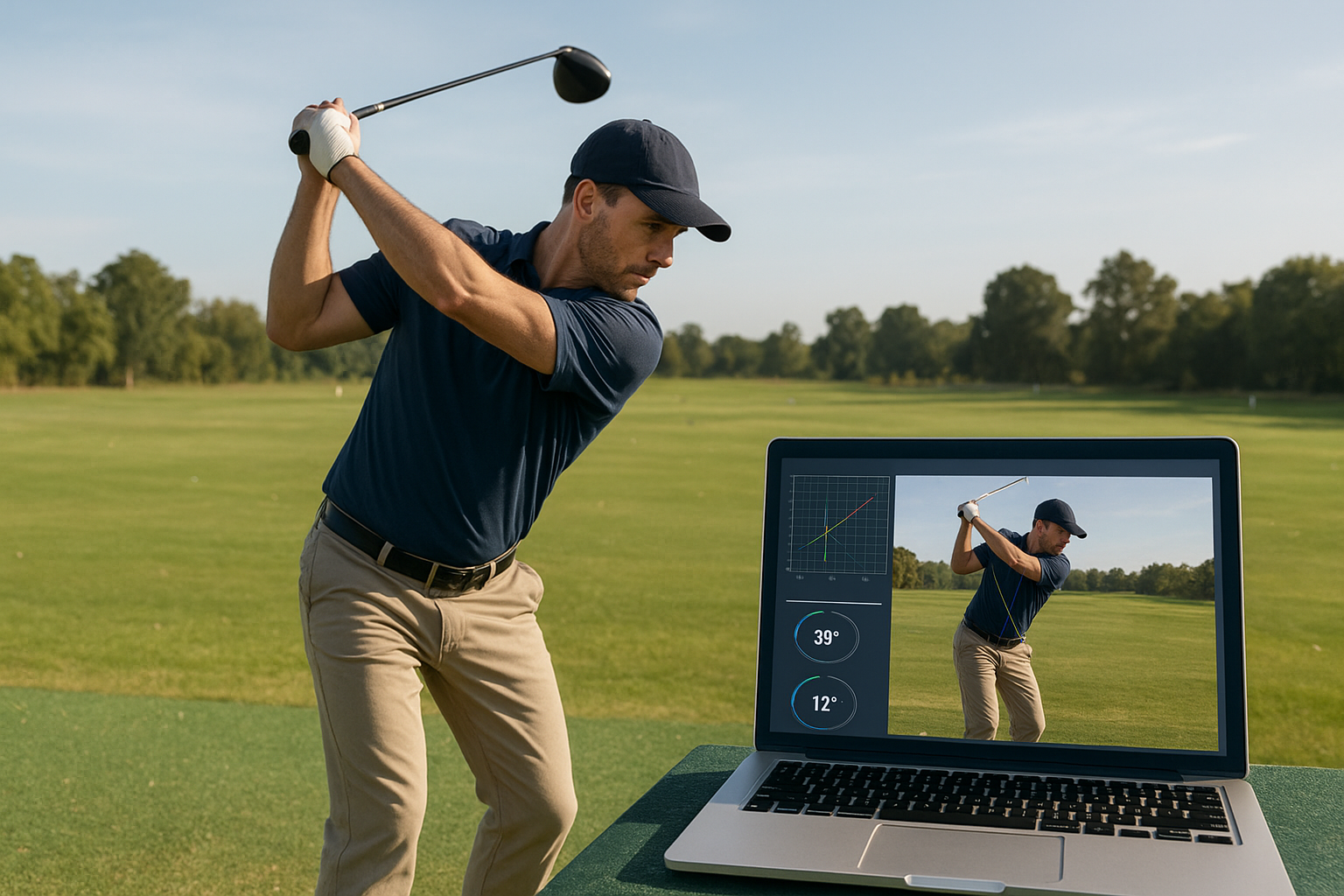
Golf swing diagnostics is the systematic process of measuring, analyzing, and interpreting a golfer’s swing mechanics to identify what is helping or hurting performance. For competitive players, this kind of assessment goes far beyond a quick tip on the range — it combines video analysis, biomechanical data, and expert interpretation to uncover the root cause of inconsistency. Because elite golf demands precision, understanding golf swing diagnostics has become essential for anyone serious about long-term improvement.
Quick Answer: Golf swing diagnostics uses video capture, motion tracking, and kinesiology-based analysis (the study of human movement) to pinpoint mechanical flaws in a swing, allowing coaches to prescribe corrective drills based on measurable data rather than guesswork.
What Is Golf Swing Diagnostics?
In short, golf swing diagnostics is a structured evaluation that combines visual, mechanical, and physical data to explain why a swing behaves the way it does. Unlike a casual lesson, it treats the swing as a chain of connected movements rather than a single position to fix. As a result, coaches can trace a slice, a loss of distance, or recurring pain back to a specific mechanical breakdown.
Because every golfer’s body moves differently, diagnostics also accounts for individual mobility and strength limits. For example, a player with restricted hip rotation may compensate with excessive spine tilt, which diagnostics can reveal through video and movement screening. This distinction matters because it separates a symptom, such as a weak slice, from its true cause.
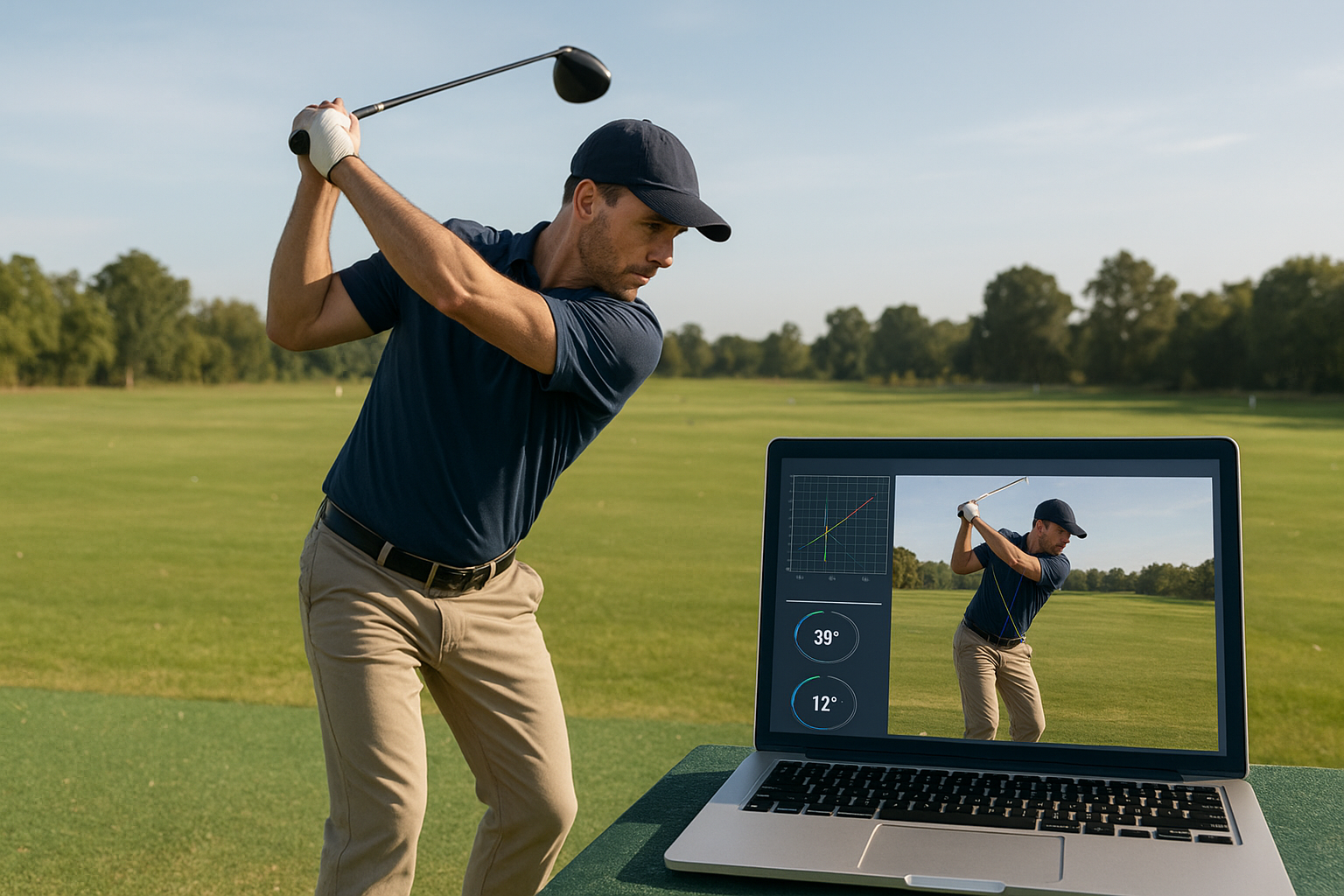
A modern golf swing diagnostics session pairs live swings with real-time movement data.
Why Swing Analysis Matters for Competitive Players
Competitive golfers face tighter margins than recreational players, so small mechanical errors have a bigger impact on scoring. Consequently, a thorough swing analysis becomes less of a luxury and more of a competitive necessity. According to research on golf biomechanics compiled by the study of biomechanics, inefficient movement patterns are strongly linked to both reduced clubhead speed and higher injury risk.
In addition, collegiate and aspiring professional golfers often need to make swing changes under pressure, such as before a qualifying event. Therefore, diagnostics gives them a clear, prioritized plan instead of scattered adjustments. This is especially valuable for players preparing for high-stakes competition, similar to the intensity described in this first-hand account of a major senior championship.
The Science Behind Swing Mechanics Assessment
A proper swing mechanics assessment blends kinesiology, the scientific study of body movement, with decades of applied coaching experience. Specifically, this means measuring how the pelvis, torso, arms, and club sequence together through impact. Above all, this sequencing determines how efficiently energy transfers from the ground into the ball.
Furthermore, national health research bodies such as the National Center for Biotechnology Information have published studies connecting poor movement sequencing to overuse injuries in rotational sports like golf. As a result, a science-backed assessment protects performance and physical health at the same time.
How Golf Swing Diagnostics Work: A Step-by-Step Process
While every coach has a slightly different method, most professional golf swing diagnostics sessions follow a similar structure. The numbered steps below outline the typical process from start to finish.
- Mobility and movement screening: The coach checks joint mobility and posture to understand physical limitations before evaluating the swing itself.
- Multi-angle video and motion capture: The golfer hits shots while cameras or sensors record the swing from face-on and down-the-line angles.
- Biomechanical data comparison: Captured data is compared against efficient swing benchmarks to measure rotation, sequencing, and club delivery.
- Fault pattern identification: The coach links visible compensations, such as an over-the-top move, back to the physical or timing issue causing them.
- Personalized correction plan: A prioritized set of drills is assigned, followed by a timeline for progress reassessment.
For a deeper look at how this framework applies to advanced players, the guide on swing analysis for serious golfers breaks down each stage in more detail.

Overlaying joint angles onto the downswing is a core technique in golf swing diagnostics.
Common Swing Faults Diagnostics Can Reveal
Certain fault patterns show up again and again once diagnostics measures the swing objectively. For instance, an over-the-top path, where the club moves outside the ideal plane in the downswing, is one of the most common issues among competitive players. The detailed breakdown at this explanation of the over-the-top swing illustrates exactly how this fault develops and why it persists without targeted correction.
Other frequent findings include early extension, where the hips move toward the ball during the downswing, and limited thoracic rotation, which restricts backswing depth. Similarly, weak grip patterns or poor wrist sequencing often surface only once high-speed video slows the swing down for close inspection. Consequently, diagnostics turns vague frustration, like “I keep slicing it,” into a specific, correctable target.
What a Golf Performance Assessment Adds Beyond the Swing
Beyond the swing itself, a full golf performance assessment often evaluates strength, flexibility, and course-management tendencies. This wider view matters because two golfers with identical swing faults may need very different correction plans based on their physical capacity. The resource on what elite players need from a performance assessment expands on how physical testing complements swing diagnostics.
Notably, age and experience also shape how diagnostics should be applied. A detailed case study of an experienced senior golfer shows how the same diagnostic principles adapt when mobility and swing speed change over time.
Choosing the Right Golf Swing Evaluation Partner
Not every instructor is equipped to deliver a rigorous swing evaluation. Therefore, competitive golfers should look for coaches who combine recognized playing or teaching credentials, such as those held by LPGA or USGA-affiliated professionals, with formal training in movement science. This combination ensures feedback is grounded in both competitive experience and objective data.
In particular, remote diagnostics platforms have made this level of expertise accessible without travel. Golfers anywhere can now submit swing video and receive the same depth of analysis once limited to in-person academies. Learn more about this approach directly at yourgolfguru.com, where kinesiology-based coaching is delivered entirely online for serious competitive players.
Frequently Asked Questions About Golf Swing Diagnostics
What is golf swing diagnostics?
Golf swing diagnostics is the process of using video, motion capture, and biomechanical analysis to measure how a golfer’s body moves during the swing. It helps coaches identify inefficiencies, compensations, and injury risks that limit power and consistency.
How does golf swing diagnostics differ from a regular lesson?
A regular lesson often focuses on quick fixes for ball flight, while diagnostics measures the underlying mechanics causing the issue. Diagnostics relies on data such as joint angles and sequencing rather than visual impression alone.
Who benefits most from a golf swing diagnostics session?
Competitive amateurs, collegiate players, and aspiring professionals benefit most because they need precise, repeatable mechanics. Golfers recovering from injury or hitting a performance plateau also gain significant value.
How long does a golf swing diagnostics assessment take?
Most comprehensive assessments take between 60 and 90 minutes, including screening, video capture, and initial feedback. Follow-up reassessments are typically shorter, around 30 to 45 minutes.
What equipment is used during golf swing diagnostics?
Common tools include high-speed cameras, launch monitors, and sometimes wearable sensors that track body rotation and clubhead speed. Remote diagnostics often rely on smartphone video paired with specialized analysis software.
Can golf swing diagnostics be done online or remotely?
Yes, remote golf swing diagnostics is increasingly common and allows golfers to submit video from any location. A qualified coach then reviews the footage and biomechanical markers to deliver detailed feedback digitally.
How much does golf swing diagnostics typically cost?
Pricing varies widely depending on the coach’s credentials and the depth of analysis, often ranging from around 100 to several hundred dollars per session. Programs that include ongoing reassessment and drill plans tend to cost more but offer greater long-term value.
What common swing faults does diagnostics reveal?
Diagnostics frequently uncovers issues such as early extension, poor sequencing, an over-the-top swing path, or limited hip rotation. Identifying these patterns early helps prevent both performance loss and injury.
Why is biomechanics important in golf swing diagnostics?
Biomechanics explains how forces move through the body during the swing, which helps coaches pinpoint the true source of a fault rather than just its symptom. This scientific lens supports safer, more sustainable swing changes.
How often should a competitive golfer repeat swing diagnostics?
Many competitive players benefit from reassessment every three to six months, or after any significant change in strength, flexibility, or equipment. Regular monitoring helps confirm that corrections are holding under pressure.
What mistakes should golfers avoid when interpreting diagnostics results?
A common mistake is trying to fix every flaw at once instead of prioritizing the root cause first. Golfers should also avoid ignoring physical limitations, such as restricted mobility, that diagnostics often expose.
Does golf swing diagnostics help prevent injury?
Yes, because diagnostics highlights compensations and excessive loads on joints like the lower back and lead wrist before they cause pain. Addressing these patterns early is a core benefit of science-based swing analysis.

Consistent follow-through mechanics are one measurable outcome of accurate golf swing diagnostics.
Final Takeaways on Golf Swing Diagnostics
In summary, golf swing diagnostics gives competitive golfers a precise, evidence-based path toward better power, accuracy, and consistency. Rather than guessing at fixes, players gain a clear picture of what their body actually does under real swing speed, and why. As a result, corrections stick longer and carry a lower risk of injury.
Ultimately, whether working with a local coach or a remote kinesiology-based specialist, investing in proper swing diagnostics pays off through more repeatable performance under pressure. For golfers ready to move beyond guesswork, exploring a structured golf swing diagnostics program is a logical next step toward sustainable, long-term improvement.