

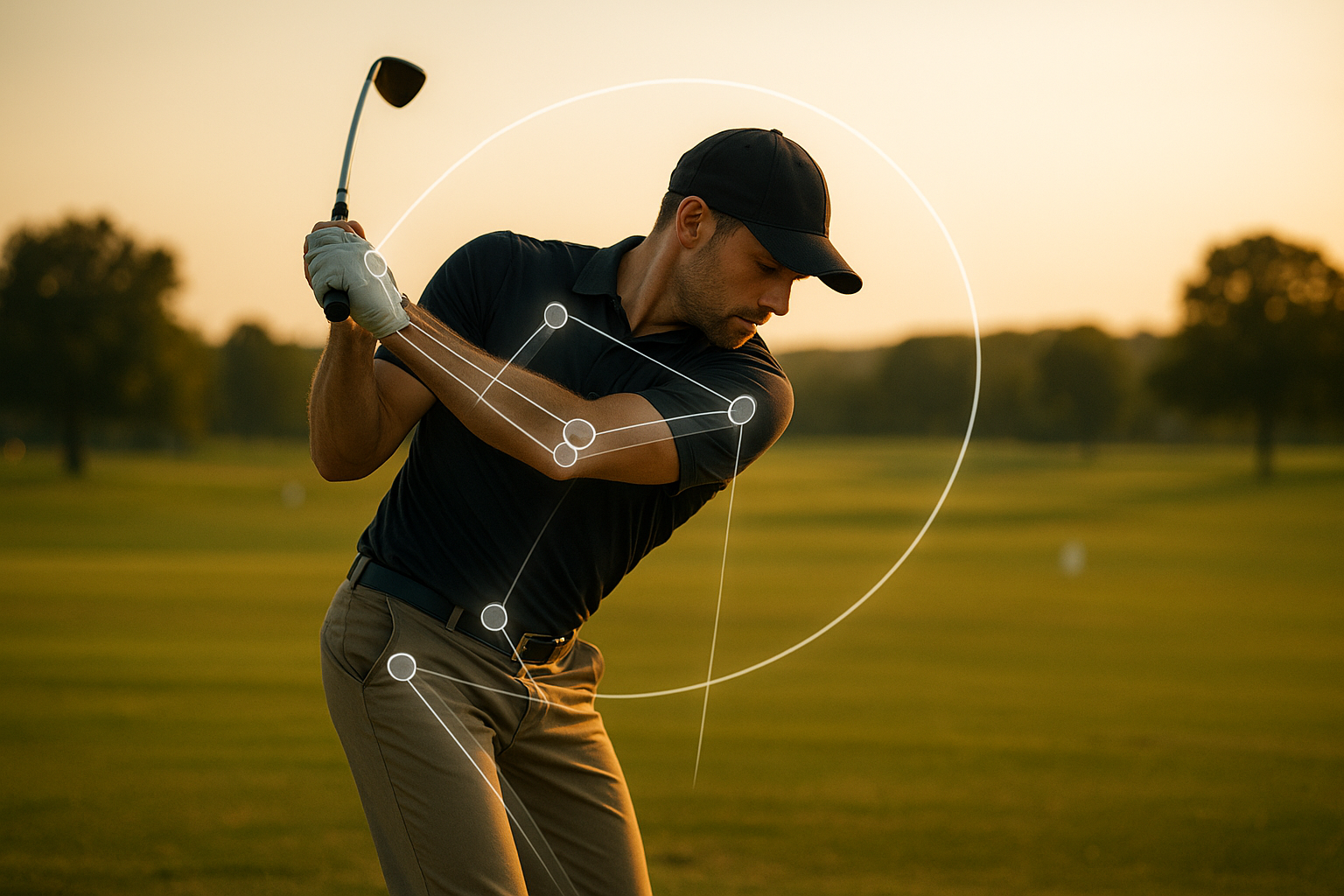
Golf proficiency training is the organized process of improving swing mechanics, ball-striking reliability, and on-course performance through science-backed coaching rather than guesswork. For competitive amateurs, collegiate athletes, and aspiring professionals, generic weekend lessons often fall short of the technical depth required to compete seriously. As a result, many serious players now turn to targeted programs that combine body mechanics, video analysis, and personal feedback. This guide explains what golf proficiency training involves, why it matters, and how to build a plan that genuinely moves the needle on your scores.
Quick Answer: Golf proficiency training combines biomechanical analysis, structured practice, and expert feedback to raise swing consistency and scoring performance. The strongest programs pair kinesiology-based instruction with measurable drills, so golfers can track improvement objectively instead of guessing.
What Is Golf Proficiency Training?
Golf proficiency training is a coaching method built around measurable, repeatable improvement rather than one-off tips. Specifically, it blends video-based swing review, biomechanical principles, and progressive drills into a single ongoing plan. Unlike a single lesson, this approach treats the golfer’s development as a season-long project.
Because competitive golf rewards precision under pressure, this training style leans heavily on data. For instance, a coach might track shoulder rotation angles, clubhead path, or tempo across weeks to confirm a change is actually holding up on the course, not just on the range.
Why Elite Players Need Data-Driven Golf Skill Development
Competitive golfers face a different challenge than recreational players. Above all, they need consistency that holds up under tournament stress, not just occasional good rounds. Traditional local lessons can help with basics, but they rarely offer the depth needed for athletes chasing scratch handicaps or collegiate scholarships.
According to research published via the National Institutes of Health, repetitive high-torque movements in golf, if left uncorrected, contribute significantly to lower back and wrist injuries among competitive players. Therefore, golf skill development that ignores biomechanics is incomplete, no matter how good it looks on camera. Programs like precision golf instruction for competitive golfers address this by pairing technical correction with injury awareness from the start.
In addition, remote coaching removes geography as a limiting factor. A golfer in a small town can now access the same caliber of instruction as someone training at a major academy, simply by submitting swing video for review.
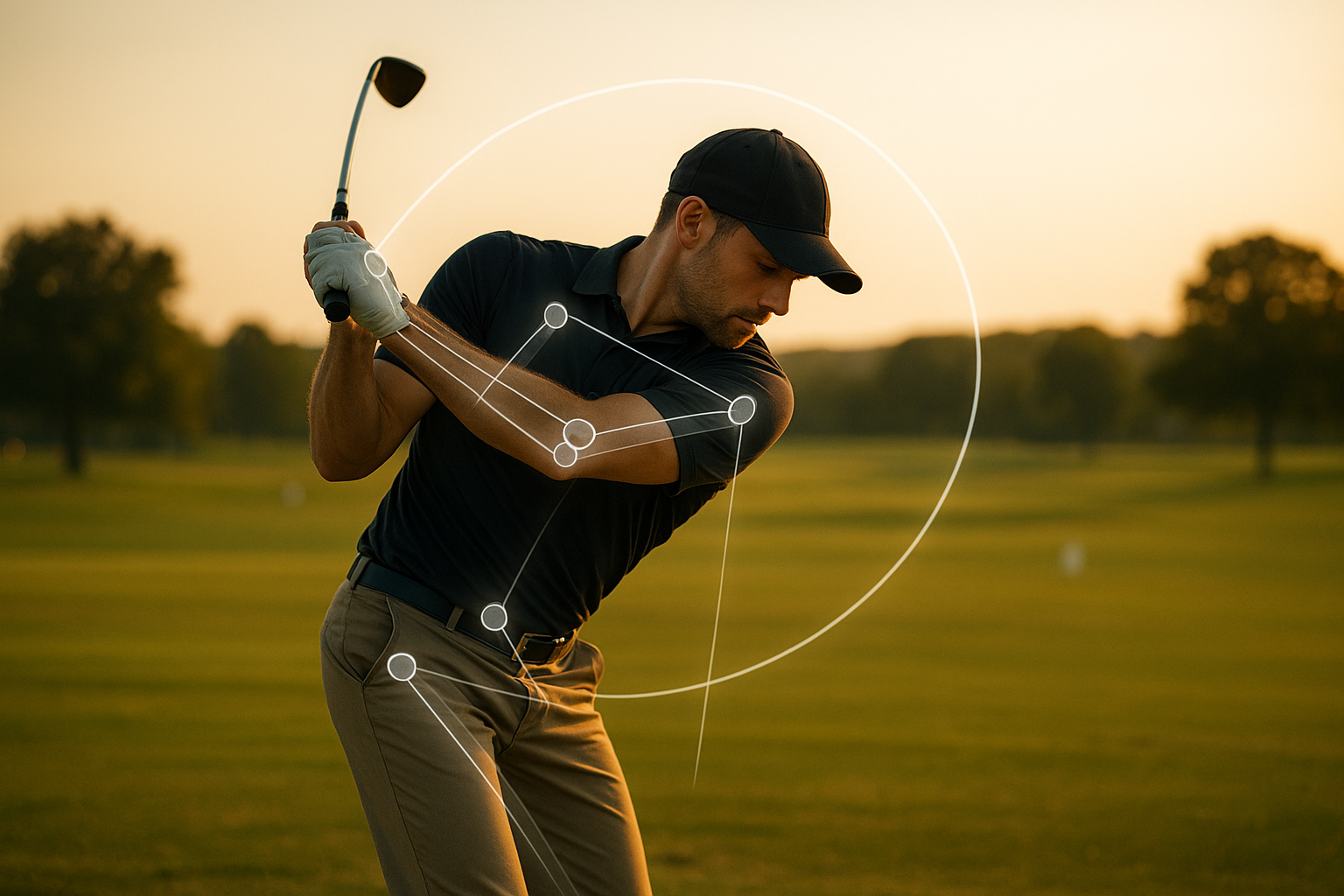
Biomechanical review is central to modern golf proficiency training programs.
Core Components of Golf Performance Coaching
Effective golf performance coaching typically rests on three pillars: assessment, correction, and reinforcement. Consequently, a strong program never skips straight to drills without first understanding the golfer’s baseline movement patterns.
Biomechanics and Injury Prevention
Biomechanics, the study of how the body produces and controls movement, explains why certain swing faults create both power leaks and injury risk simultaneously. For example, excessive lateral spine bending during the downswing can reduce accuracy while straining the lower back over time. As a result, coaches with kinesiology training tend to prioritize joint-safe corrections rather than short-term fixes that sacrifice long-term health.
Swing Mechanics Analysis and Feedback Loops
Swing mechanics analysis works best as a loop, not a one-time event. Specifically, a golfer submits video, receives frame-by-frame feedback, practices targeted drills, then resubmits video to confirm the change stuck. This cycle, detailed further in resources like golf training videos for competitive play, keeps improvement objective rather than based on how a swing simply feels.
How to Build a Golf Proficiency Training Plan
Building a plan does not need to be complicated, but it does need structure. Below is a straightforward process competitive golfers can follow.
- Get a baseline swing assessment. Record your swing from multiple angles and have a qualified coach evaluate mechanics, sequencing, and injury risk factors.
- Identify priority faults. Rank issues by their impact on accuracy and power so early effort targets the biggest gains first.
- Build a drill-based practice schedule. Turn each priority fault into a specific drill and repeat it across three to five sessions weekly.
- Track measurable progress. Log ball flight, clubhead speed, or accuracy weekly to confirm the plan is producing real change.
- Review and adjust with your coach. Submit updated video every two to four weeks so drills evolve as old faults resolve.
Notably, golfers preparing for collegiate or professional pathways often pair this process with structured guidance such as coaching for aspiring golf professionals, which helps sequence long-term development around competitive schedules.
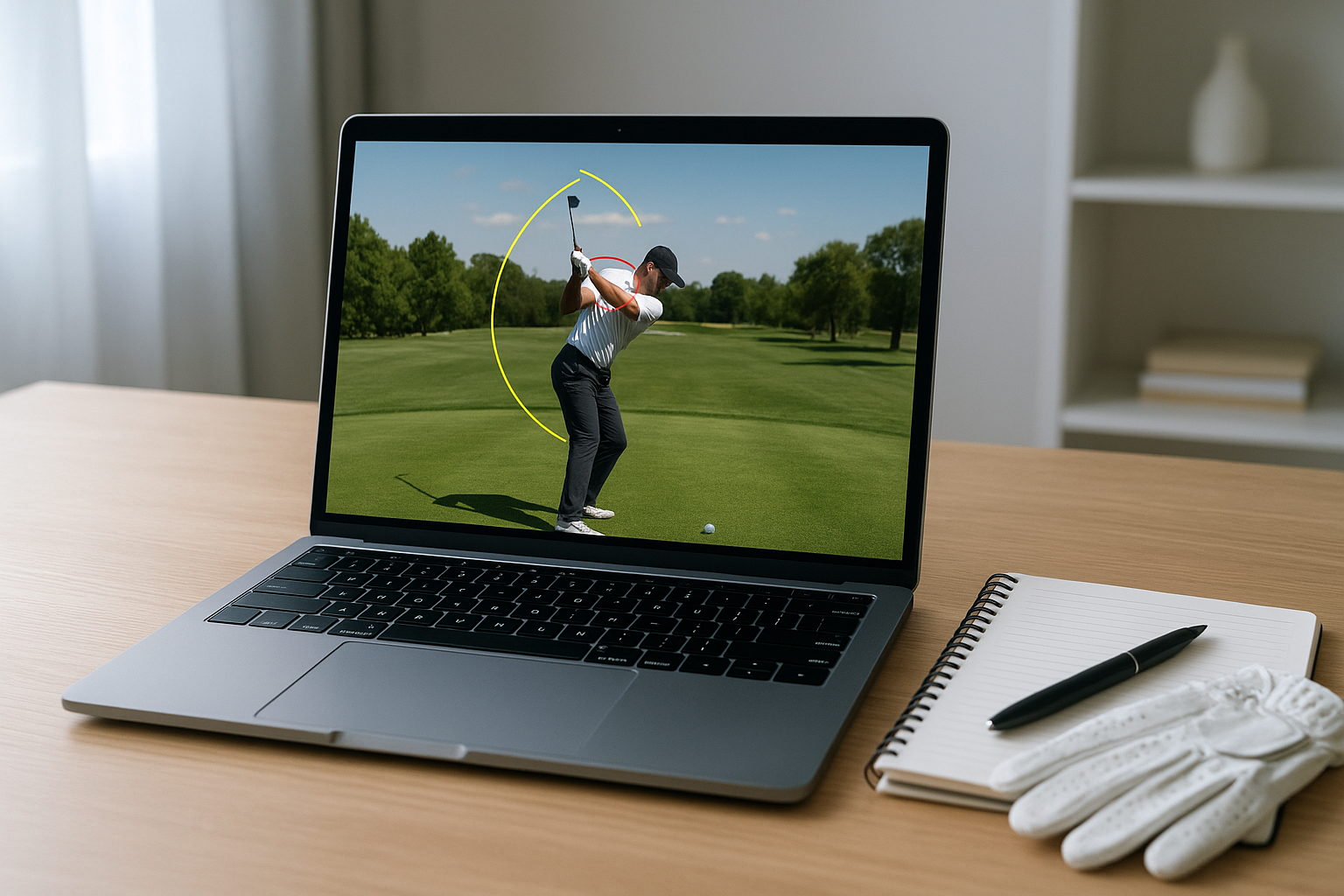
Remote review sessions make expert golf performance coaching accessible from anywhere.
Golf Proficiency Training vs Traditional In-Person Lessons
Traditional lessons often focus on immediate feel and quick corrections during a single session. In contrast, proficiency training treats each session as one data point in a longer curve of improvement. Consequently, progress is easier to verify, because coaches compare video across weeks rather than relying on memory.
Furthermore, in-person coaching limits golfers to whoever is available locally, which may not match their competitive level. Remote programs, by comparison, connect golfers directly with credentialed specialists such as an LPGA Master Professional, regardless of where the golfer lives. According to the PGA, technical consistency at the competitive level often depends more on coaching quality than on lesson frequency alone.
Common Mistakes That Slow Down Golf Skill Training
Even motivated players sabotage their own progress in predictable ways. First, practicing without clear metrics leaves golfers unsure whether a drill is actually working. Second, chasing swing tips from unrelated sources often creates conflicting movement patterns instead of one coherent swing model.
Similarly, ignoring biomechanics in favor of pure aesthetics can produce a swing that looks efficient on video but places unnecessary strain on joints. The golf swing is a complex, whole-body movement, and correcting it in isolation rarely produces lasting results. For deeper technical grounding, players often reference guides such as advanced golf swing techniques for serious golfers alongside their coaching sessions.
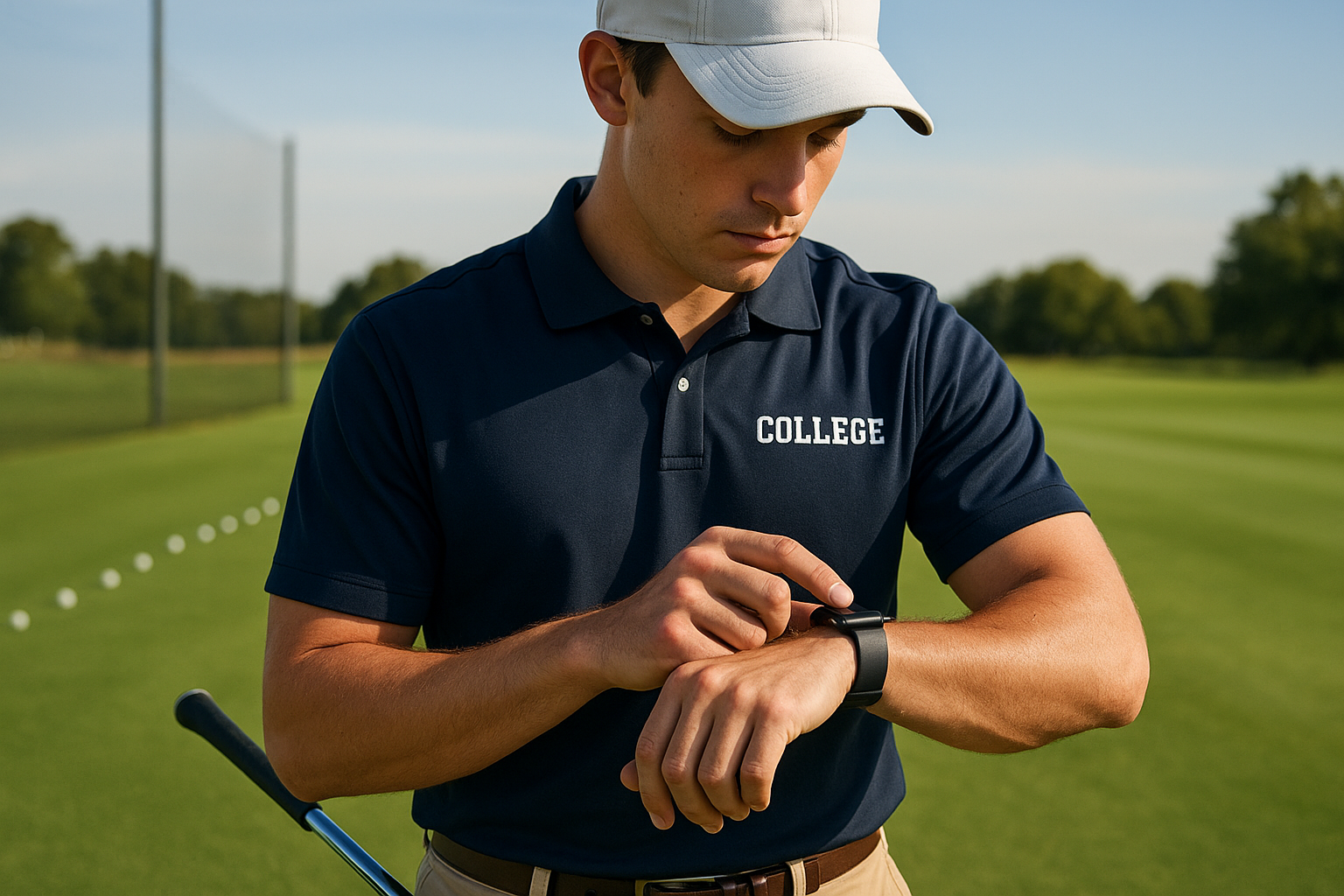
Tracking measurable data helps confirm whether training adjustments are working.
Frequently Asked Questions About Golf Proficiency Training
What is golf proficiency training?
Golf proficiency training is a structured coaching process that improves swing mechanics, consistency, and on-course performance using biomechanical analysis and measurable drills. It goes beyond casual lessons by tracking progress with data rather than guesswork.
How long does it take to see results from golf proficiency training?
Most competitive players notice measurable swing changes within four to eight weeks of consistent practice. Full performance gains, however, typically take a full season of focused training to show up reliably in scores.
Why is golf proficiency training different from regular golf lessons?
Regular lessons often focus on quick tips, while proficiency training uses kinesiology-based analysis to address the root cause of swing faults. This distinction matters most for competitive amateurs and aspiring professionals chasing marginal gains.
Can online golf proficiency training really replace in-person coaching?
Yes, for technical swing work, video-based remote coaching from a credentialed instructor can match or exceed in-person lessons. Golfers gain access to specialists regardless of location, which is often more valuable than local convenience.
How much does golf proficiency training cost?
Pricing varies by program depth, but specialized remote coaching from advanced credentialed instructors generally costs less than repeated in-person sessions with a touring professional. Most programs offer tiered packages based on session frequency and analysis depth.
What role does biomechanics play in golf skill development?
Biomechanics explains how the body generates and transfers force through the swing, which helps identify inefficient movement patterns. Understanding this science allows coaches to correct faults while protecting joints from repetitive strain.
What common mistakes slow down golf proficiency training?
The biggest mistakes are practicing without clear metrics and chasing swing tips found online without professional feedback. Both habits reinforce bad patterns instead of correcting them.
Who benefits most from advanced golf performance coaching?
Competitive amateurs, collegiate athletes, and aspiring professionals benefit most because they need technical precision beyond general instruction. Casual golfers can benefit too, but the return on investment is highest for serious competitors.
How is swing mechanics analysis performed remotely?
Coaches review submitted swing videos frame by frame, comparing joint angles and sequencing against efficient biomechanical models. Feedback is then delivered through annotated video and written drills tailored to the golfer’s specific faults.
Is golf proficiency training safe for preventing injury?
Yes, when designed by a kinesiology-informed coach, training prioritizes joint-friendly mechanics alongside performance goals. This approach reduces the repetitive stress injuries common among high-volume competitive players.
What should a beginner golfer expect from a proficiency training plan?
A beginner should expect an initial swing assessment, a personalized set of drills, and scheduled check-ins to track progress. Expectations should focus on gradual, measurable improvement rather than instant transformation.
How often should competitive golfers train for skill improvement?
Most competitive golfers benefit from structured practice three to five times weekly, paired with periodic coaching reviews. Consistency matters more than session length when building durable swing habits.
Final Takeaway
In summary, golf proficiency training gives competitive players a measurable, science-backed path to lower scores instead of relying on scattered tips or guesswork. By combining biomechanical assessment, structured drills, and consistent feedback loops, golfers can build a swing that holds up under pressure while protecting long-term physical health. Ultimately, whether training remotely or in person, the golfers who improve fastest are the ones who treat proficiency training as an ongoing process. To explore a personalized, credentialed approach, visit yourgolfguru.com and start building a plan around your specific swing.