
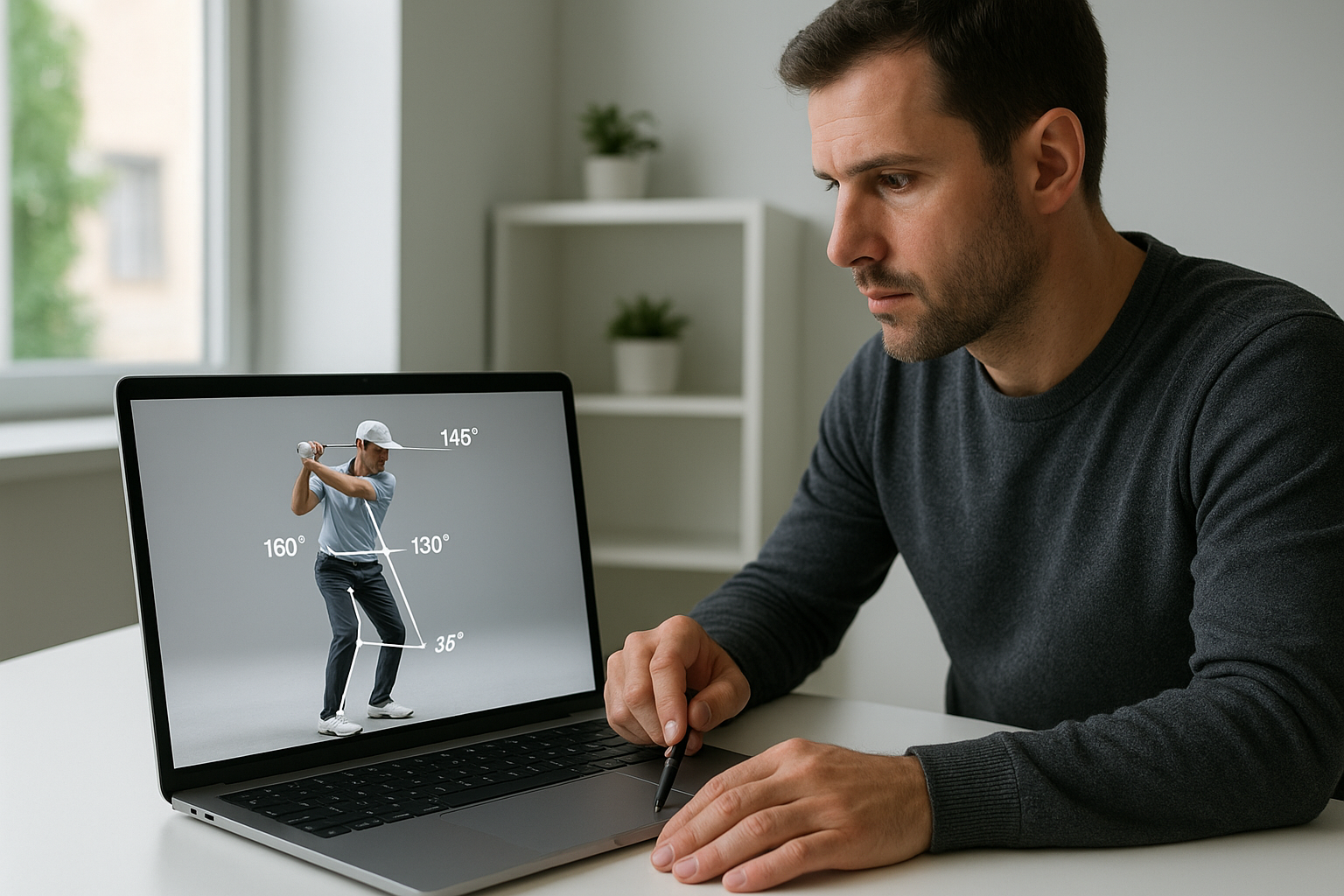
Golf Biomechanics coaching by a PhD gives competitive players access to swing analysis grounded in real movement science rather than guesswork. Instead of generic tips, this approach applies kinesiology — the scientific study of human movement — to explain exactly why a swing breaks down under pressure. As a result, golfers chasing power, consistency, and long-term joint health are turning to this science-backed method more than ever before.
Direct answer: Golf biomechanics coaching by a PhD is instruction delivered by a coach with doctoral-level training in kinesiology, combined with elite teaching credentials. It uses movement screening and swing data, rather than visual impressions alone, to correct mechanics that limit power, accuracy, or long-term joint health.
What a PhD-led biomechanics program involves
In short, Golf Biomechanics coaching by a PhD blends academic movement science with hands-on swing instruction. Because the coach has studied kinesiology at a doctoral level, they can explain force production, joint loading, and rotational sequencing in precise terms rather than relying on feel-based cues alone.
Consequently, corrections tend to be more targeted. Instead of telling a golfer to “swing smoother,” a biomechanics-trained coach can identify, for example, that the hips are rotating too early relative to the shoulders, which robs power and increases stress on the lower spine. For a deeper look at how impact position affects power output, see this guide to improving golf impact for more power.
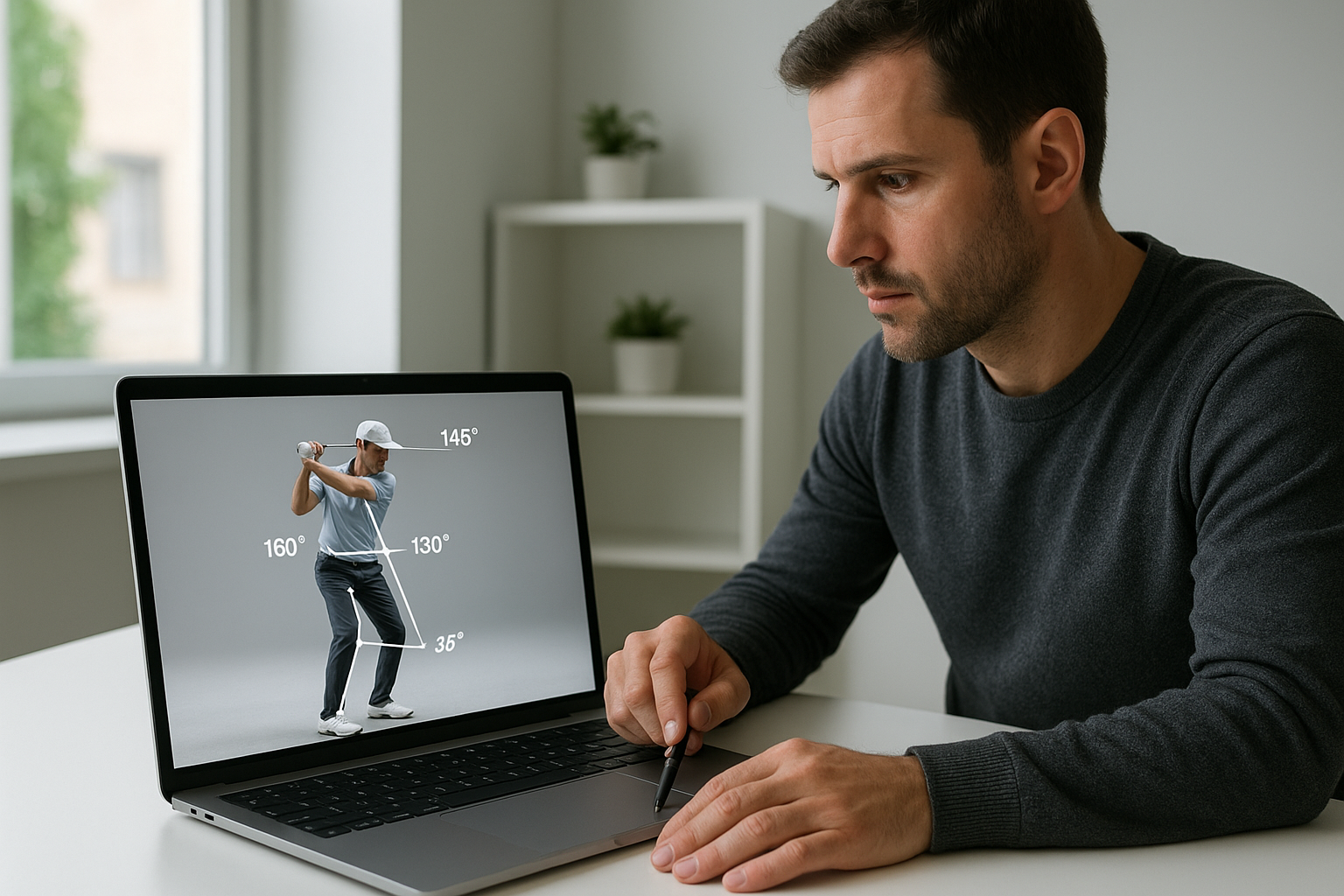
Video-based swing breakdowns are central to golf biomechanics coaching by a PhD.
Why Kinesiology-Based Swing Analysis Changes the Game
Kinesiology is the study of how muscles, joints, and movement patterns work together to produce motion. In golf, this matters because the swing involves a rapid, coordinated sequence of rotations that most instructors evaluate visually rather than mechanically.
However, a coach trained in kinesiology can measure that sequence more precisely, similar to how the biomechanics discipline is applied in other elite sports. In particular, this allows a coach to separate cause from symptom. A slice, for instance, is often a symptom of a deeper sequencing fault, not simply a clubface issue. Addressing the root cause tends to produce more durable improvement than surface-level fixes.
How a PhD-Level Coach Differs From a Typical Golf Instructor
Traditional instruction often relies on visual cues developed through years of teaching experience, which is valuable but inherently subjective. In contrast, a PhD-level biomechanics coach adds an objective layer, using movement screening and video data to confirm what is actually happening in the swing.
For example, two golfers with an identical-looking swing fault might need very different corrections depending on their individual joint mobility and muscle sequencing. Therefore, a biomechanics-informed coach tailors the correction plan to the athlete rather than applying a one-size-fits-all fix. This individualized approach is explored further in this science-backed guide to biomechanical swing coaching.
The Science Behind Swing Mechanics and Injury Prevention
Above all, safety is a core reason serious golfers seek out biomechanics coaching. Research on golf-related injuries indicates that lower back problems account for a significant share of all golf injuries, with some sports medicine reviews citing figures as high as 36 percent among competitive players. Repetitive, high-force rotation is often the underlying cause.
As a result, a biomechanics-trained coach doesn’t just chase performance gains; they also monitor joint loading patterns that could lead to long-term damage. This dual focus on power and safety is a defining feature of golf biomechanics coaching by a PhD, and it is echoed in broader sports science guidance published through resources like the National Institutes of Health’s public research archive.
What to Expect: A Step-by-Step Coaching Process
Specifically, most PhD-led biomechanics programs follow a similar structure. Understanding this process in advance helps golfers know what to prepare for and how progress is typically measured.
- Initial movement screening: A baseline video and mobility assessment establishes current joint rotation, weight transfer, and sequencing before any changes are made.
- Biomechanical swing breakdown: The coach identifies specific inefficiencies, such as early extension or limited hip-shoulder separation, using slow-motion video review.
- Personalized correction plan: Drills are assigned that target the exact fault found, rather than generic swing tips unrelated to the individual golfer.
- Guided drill implementation: Regular check-ins confirm the new movement pattern holds up as swing speed increases toward full effort.
- Progress tracking and adjustment: Metrics like clubhead speed and consistency are tracked, and the plan evolves as mechanics improve.
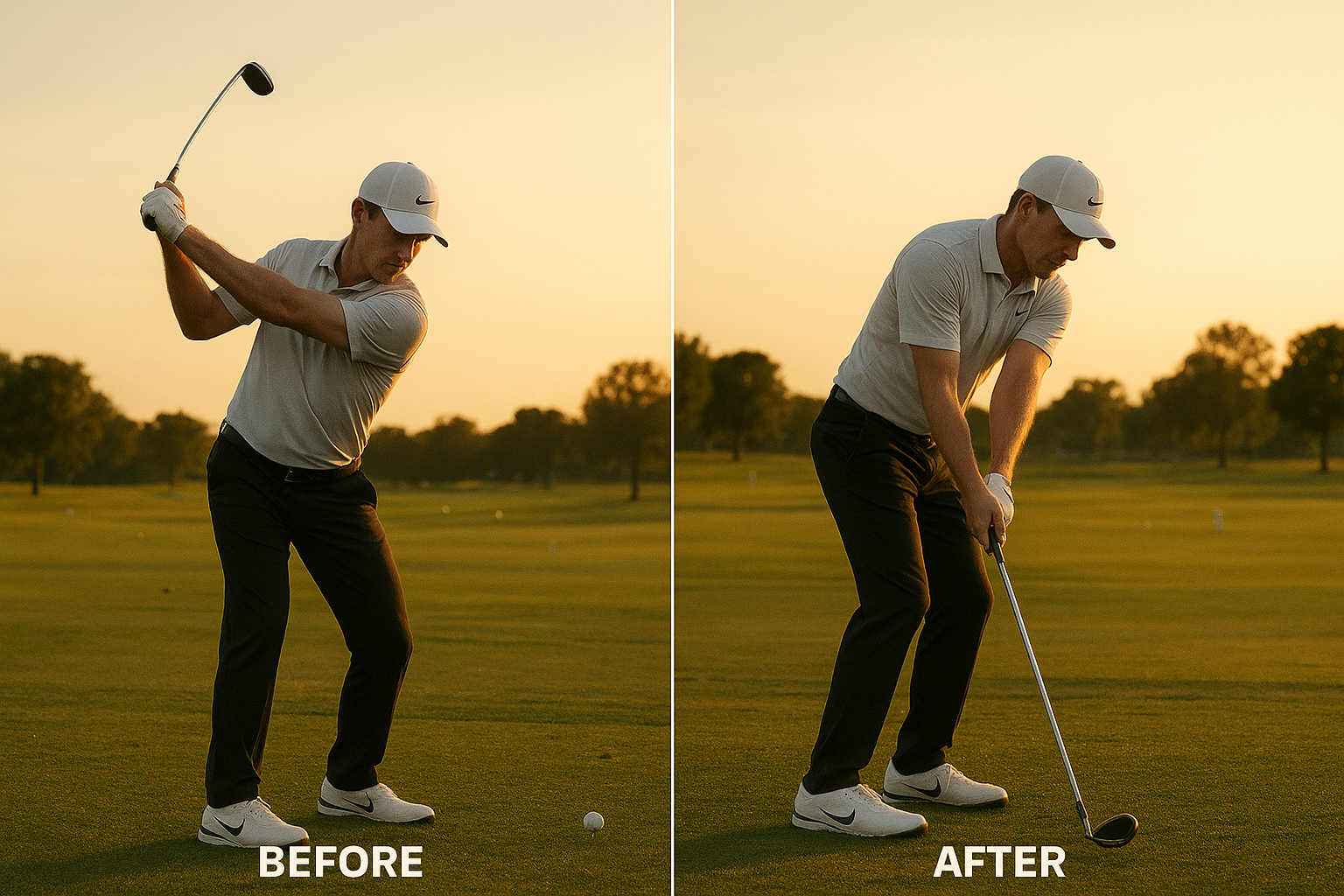
Tracking measurable changes over time is a key part of this coaching method.
Who Benefits Most From Biomechanics-Based Golf Instruction?
Generally, this coaching style is best suited to competitive amateurs, collegiate players, and aspiring professionals whose swings already have a solid foundation but need advanced refinement. Similarly, golfers returning from a swing-related injury often benefit from the safety-conscious framework this approach provides.
On the other hand, casual golfers seeking simple, high-volume fixes may find a traditional local lesson sufficient. Still, for athletes committed to long-term, sustainable improvement, the added precision is often worth the investment. Related training strategies are discussed in this overview of science-backed intensive golf training for elite play.
Choosing an Online Golf Biomechanics Coach
When evaluating providers, it helps to look for coaches who combine elite teaching credentials, such as LPGA Master Professional status, with formal academic training in kinesiology. This pairing signals both real-world coaching experience and scientific grounding.
For instance, yourgolfguru.com delivers exactly this combination, offering remote, data-driven instruction from a coach who holds both an LPGA Master Professional credential and a PhD in kinesiology. Because the service is fully digital, competitive golfers anywhere can access this level of guidance without traveling to a physical academy. Additional detail on this model is available through this precision instruction program for competitive golfers and this high-level training resource for serious competitors.
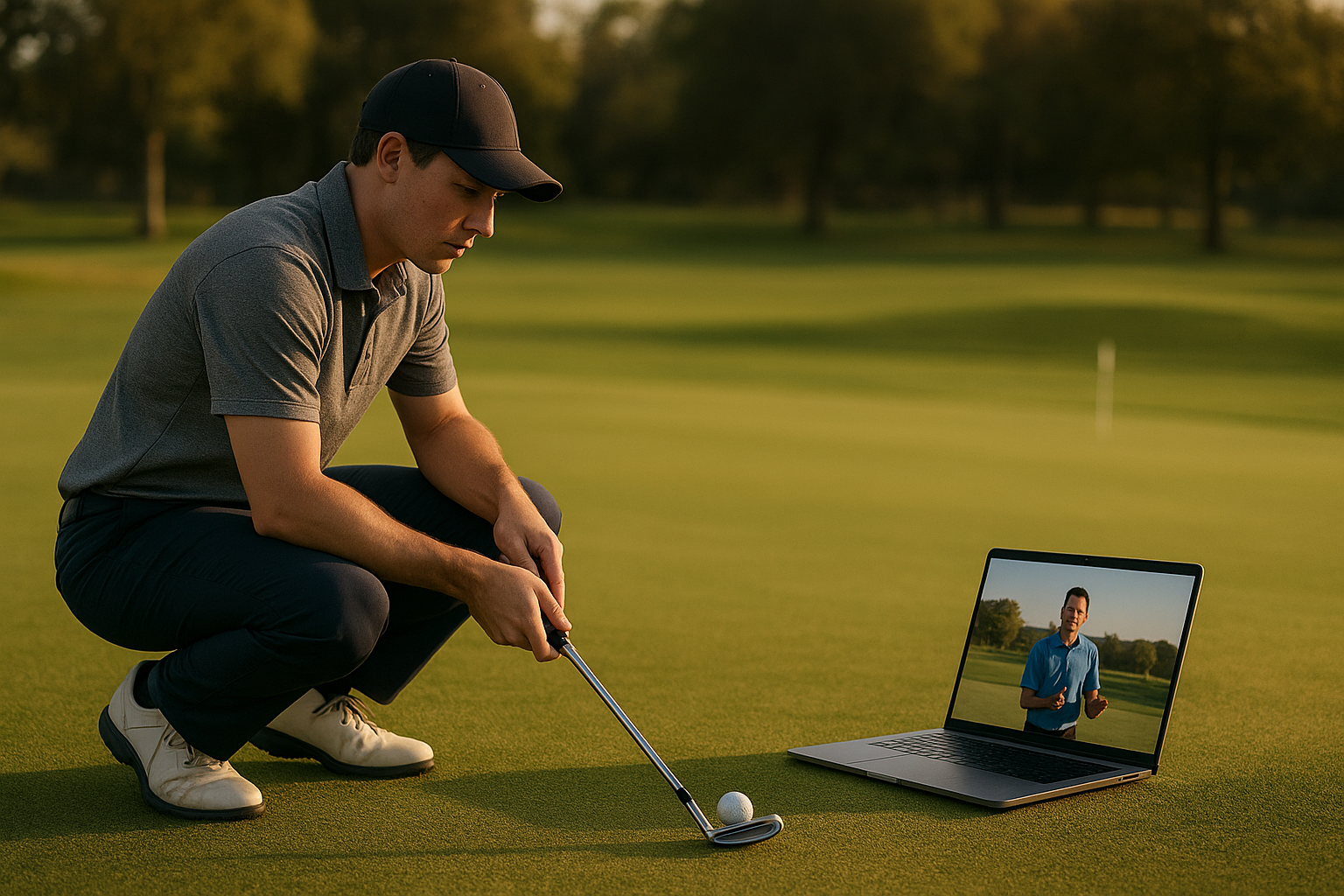
Remote delivery makes golf biomechanics coaching by a PhD accessible from anywhere.
Frequently Asked Questions About Golf Biomechanics Coaching by a PhD
What is golf biomechanics coaching by a PhD?
Golf biomechanics coaching by a PhD is instruction led by a coach with doctoral-level training in kinesiology, the science of human movement. It combines swing analysis, movement screening, and physics-based correction to improve efficiency and reduce injury risk.
How does a PhD in kinesiology improve golf instruction?
A PhD in kinesiology equips a coach to analyze force, rotation, and joint loading rather than relying on visual impressions alone. This allows corrections grounded in measurable movement science instead of general tips.
Why do competitive golfers seek biomechanics-based coaching?
Competitive golfers need precise, repeatable mechanics under pressure, and generic instruction often cannot address subtle inefficiencies. Biomechanics-based coaching identifies the exact cause of power loss or inconsistency at the joint and sequencing level.
How much does golf biomechanics coaching by a PhD typically cost?
Pricing varies by program length and depth of analysis, ranging from single-session assessments to ongoing monthly packages. Remote, digital delivery generally costs less than comparable in-person elite academies.
How long does it take to see results from biomechanical coaching?
Many golfers notice measurable changes in sequencing or clubhead speed within four to eight weeks of consistent drill work. Full integration under competitive pressure typically takes a full season of practice.
What is the difference between a biomechanics coach and a traditional golf instructor?
A traditional instructor typically teaches feel and visual cues based on experience, while a biomechanics coach analyzes movement data and force production. Both can be effective, but the biomechanics approach adds an objective, science-based layer.
What common swing mistakes does biomechanics coaching correct?
Common issues include early extension, poor hip-shoulder separation, and inefficient weight transfer that limit power and strain the lower back. Biomechanics coaching pinpoints these patterns using movement screening rather than guesswork.
Can golf biomechanics coaching be done online?
Yes, remote video analysis and structured feedback allow a PhD-level coach to assess mechanics without an in-person session. This removes geographic barriers for golfers who lack access to elite instruction locally.
What equipment is needed for remote biomechanics coaching?
Most programs only require a smartphone camera, a tripod or stable surface, and enough space to record a full swing from two angles. Some golfers add a launch monitor for additional data.
How does biomechanics coaching help prevent golf injuries?
By identifying excessive joint loading or compensatory movement patterns early, biomechanics coaching helps golfers adjust technique before pain develops. This matters given how frequently repetitive swing stress contributes to back and wrist injuries.
Who is golf biomechanics coaching best suited for?
It is best suited for competitive amateurs, collegiate players, and aspiring professionals who need advanced technical refinement beyond casual instruction. Golfers recovering from swing-related injuries also benefit from the safety-focused approach.
What credentials should I look for in a golf biomechanics coach?
Look for advanced teaching certifications, such as LPGA or PGA Master Professional status, combined with formal academic training in a movement science. This pairing signals both coaching experience and scientific grounding.
How often should I train with a biomechanics coach?
Most competitive golfers benefit from a structured session every two to four weeks, paired with independent drill practice in between. Frequency should adjust based on tournament schedules and retention of new mechanics.
Does golf biomechanics coaching help with driving distance?
Yes, improving kinetic sequencing and rotational efficiency often increases clubhead speed without added physical strain. Distance gains typically come from better energy transfer rather than simply swinging harder.
What makes yourgolfguru.com’s approach to golf biomechanics coaching unique?
Yourgolfguru.com pairs LPGA Master Professional teaching credentials with a PhD in kinesiology, delivering data-driven coaching entirely online. This gives competitive golfers anywhere access to elite, science-backed instruction without traveling to a physical facility.
Final Thoughts on Golf Biomechanics Coaching by a PhD
In summary, golf biomechanics coaching by a PhD offers competitive golfers a level of precision that traditional instruction often cannot match. By combining kinesiology-based analysis with elite teaching credentials, this approach targets the true cause of swing inefficiencies while prioritizing long-term joint health.
Ultimately, whether the goal is more clubhead speed, tournament-ready consistency, or injury-free longevity, this science-backed method gives serious players a clear, structured path forward. For golfers ready to explore this approach, resources like this high-level training program for serious competitors and yourgolfguru.com provide a practical starting point.