


Elite golf performance coaching is a specialized training approach that combines biomechanical science with advanced technical instruction to help competitive golfers refine their swing mechanics, generate more power, and build lasting consistency. Unlike general lessons that chase quick visual fixes, this coaching model relies on kinesiology — the scientific study of human movement — to uncover inefficiencies most local instructors never catch. As a result, serious players gain access to a level of precision usually reserved for tour professionals, without leaving home.
Competitive amateurs, collegiate athletes, and players chasing a professional career often outgrow what a weekend lesson can offer. Consequently, they look for coaching that treats the swing as a biomechanical system rather than a checklist of tips.
Direct Answer: Elite golf performance coaching uses movement science, video analysis, and personalized drills — often delivered remotely by credentialed coaches — to correct swing faults, boost clubhead speed, and reduce injury risk for competitive golfers.
What Is Elite Golf Performance Coaching?
In short, elite golf performance coaching is instruction built on kinesiology, or the science of human movement, rather than intuition alone. Coaches who practice at this level typically hold advanced teaching credentials, such as LPGA Master Professional status, alongside formal training in sports science.
Because the swing is analyzed as a chain of joint movements, coaches can trace a slice or inconsistent contact back to its true mechanical origin. Therefore, corrections target the cause, not just the symptom, which tends to produce changes that hold up under tournament pressure.
Why Competitive Golfers Need Advanced Swing Coaching
Local instructors are often excellent generalists, yet they rarely have the specialized background needed to work with athletes chasing scratch handicaps or professional status. In contrast, advanced swing coaching applies data from motion-capture systems and launch monitors to set a measurable baseline.
For instance, a 2019 biomechanics study published through the National Institutes of Health found that golfers who trained with objective motion-analysis feedback increased clubhead speed by a meaningful margin within twelve weeks (NIH research database). Similarly, players who receive structured, data-informed coaching tend to reduce the compensations that quietly limit both power and consistency over a season.
Programs such as precision golf instruction for competitive golfers illustrate how this specificity separates elite coaching from casual lessons.

Video-based feedback is a core tool in elite golf performance coaching.
The Science Behind Kinesiology-Based Swing Analysis
Kinesiology, formally defined by Wikipedia’s overview of the field, studies how muscles, joints, and the nervous system produce movement. When applied to golf, this science explains why two players with similar strength can produce very different swing speeds.
Specifically, coaches examine hip and shoulder sequencing, ground-force transfer, and spinal loading. In addition, they screen for restrictions that might force a golfer into compensating movements, which often show up as inconsistency under pressure rather than in a relaxed practice swing.
As a result, corrections are not generic. Instead, each recommendation is tailored to the athlete’s own movement capacity, which is precisely why this approach is favored by players competing at a high level. The guide on techniques for better golf impact and power expands on how these mechanics translate into measurable ball-flight gains.
Key Components of an Elite Coaching Process
Although every coach structures sessions differently, elite golf performance coaching generally follows a consistent, evidence-based sequence. The numbered steps below outline that typical process.
- Movement screening: The coach assesses joint mobility and posture to flag mechanical limitations before recommending swing changes.
- Swing analysis: High-speed video and launch-monitor data capture clubhead path, speed, and impact position for objective review.
- Personalized plan: A sequenced training plan is built around the specific faults limiting power, accuracy, or consistency.
- Remote feedback loops: The athlete practices drills while receiving ongoing video-based feedback between sessions.
- Progress tracking: Regular reassessment measures efficiency gains and screens for injury risk as training continues.
Notably, this cycle repeats throughout a competitive season, which allows the coaching to evolve alongside the golfer’s tournament schedule rather than staying static.
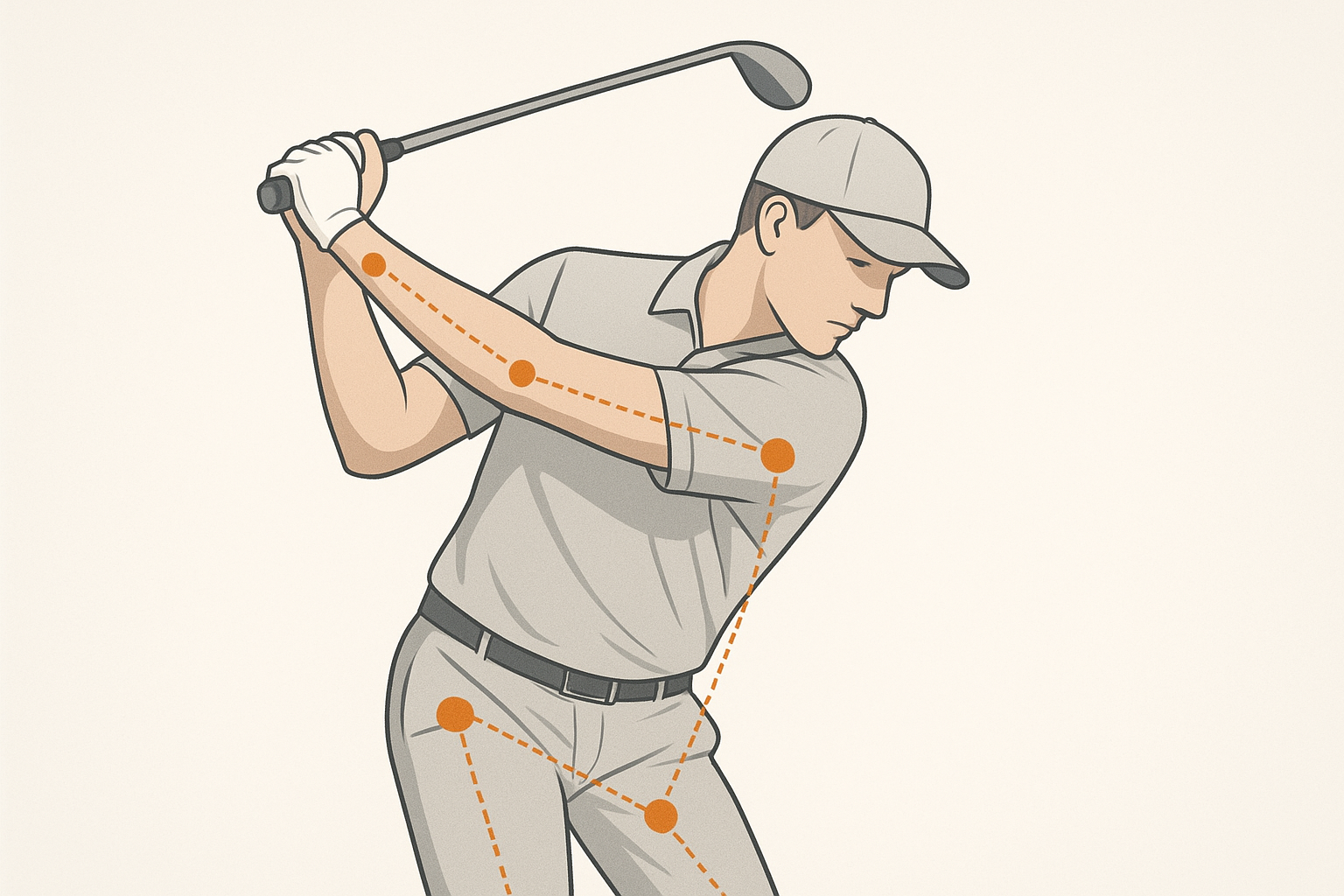
Kinesiology-based tracking pinpoints inefficiencies invisible to the naked eye.
How Remote Coaching Removes Geographic Barriers
Historically, athletes seeking advanced instruction had to travel to a handful of academies. Today, however, digital platforms deliver the same depth of analysis through submitted video, live virtual sessions, and shared data dashboards.
This shift matters most for golfers in smaller markets who otherwise have no access to a specialist. Furthermore, remote formats often reduce cost, since there is no facility overhead or travel expense built into the price. Programs like high-level golf training for serious competitive golfers show how a fully remote model can still deliver tour-level detail.
Choosing a Coach for High-Level Technical Guidance
Above all, credentials matter. A coach who pairs an LPGA or PGA teaching designation with formal education in kinesiology brings both practical experience and scientific grounding. This combination is rare, yet it is exactly what separates elite coaching from standard instruction.
In addition, ask how the coach measures progress. Reputable programs use launch-monitor metrics, video comparisons, and structured reassessment rather than subjective impressions alone. Resources such as the United States Golf Association also publish general player-development guidance worth reviewing alongside a coach’s own credentials. For athletes weighing a long-term path, the overview at coaching for aspiring golf professionals offers a fuller comparison of program structures.
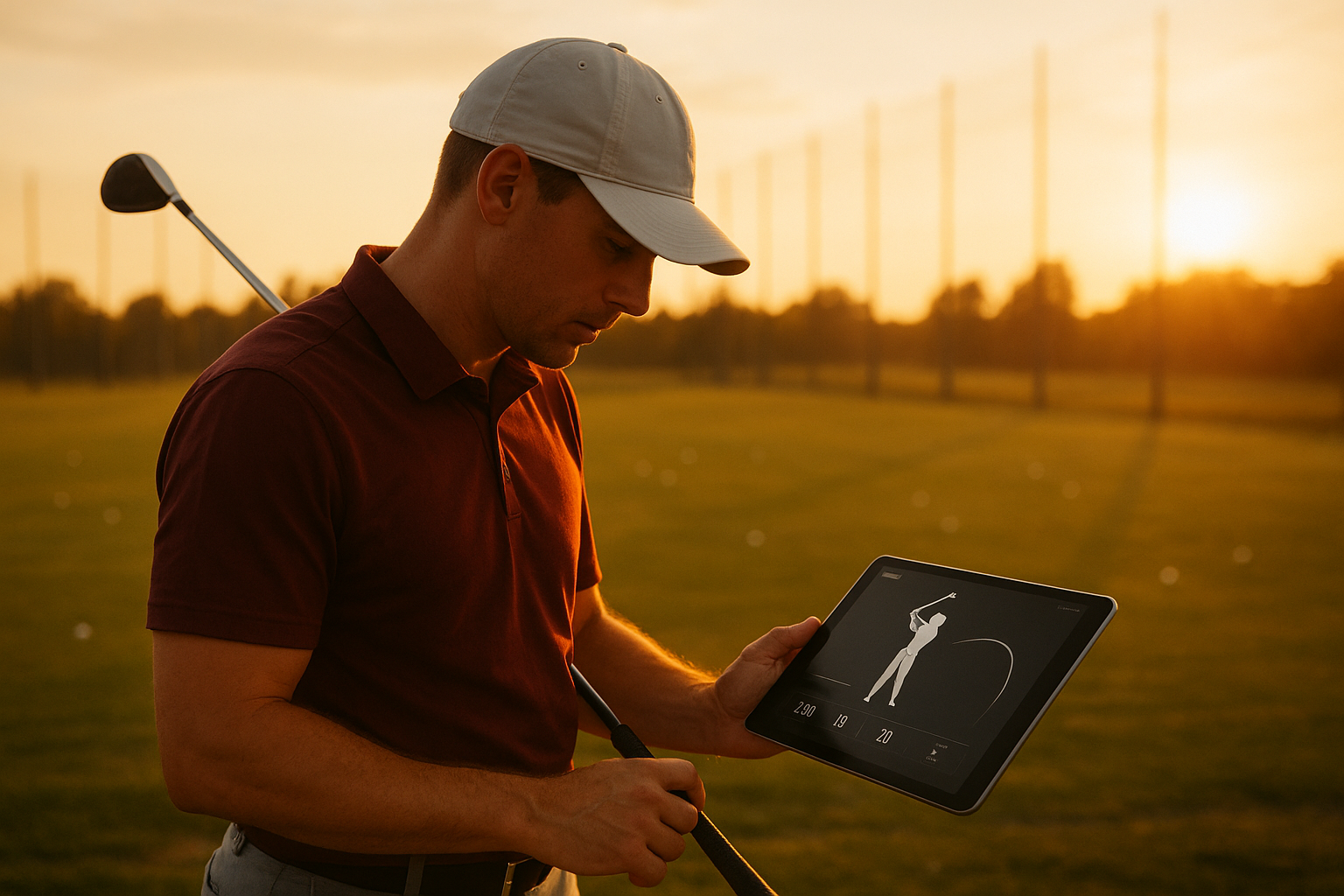
Remote sessions let competitive golfers train with elite golf performance coaching from any location.
Frequently Asked Questions
What is elite golf performance coaching?
Elite golf performance coaching is science-based instruction that uses kinesiology and swing analysis technology to improve power, accuracy, and consistency for competitive players. It goes beyond basic tips by correcting the underlying movement patterns causing swing faults.
How does elite golf performance coaching differ from traditional golf lessons?
Traditional lessons often focus on quick visual fixes, while elite coaching relies on biomechanical assessment and motion-capture data. This allows the coach to address root causes rather than surface symptoms.
Who benefits most from elite golf performance coaching?
Competitive amateurs, collegiate athletes, and aspiring professionals benefit most because they need technical refinement beyond typical local instruction. Players recovering from swing-related injuries also gain from the safety-focused approach.
How does online golf coaching work for competitive players?
Online coaching uses submitted swing videos, launch-monitor data, and live virtual sessions to analyze mechanics remotely. Coaches then assign corrective drills and track progress across subsequent sessions.
What role does kinesiology play in advanced swing training?
Kinesiology helps coaches identify joint restrictions, sequencing errors, and compensations that limit clubhead speed. This scientific lens turns swing changes into measurable, repeatable improvements.
How much does elite-level golf coaching typically cost?
Costs vary depending on session length, analysis depth, and coach credentials, often structured as program packages or monthly memberships. Remote coaching generally costs less than in-person academies since it removes travel and facility overhead.
How long does it take to see results from performance coaching?
Many golfers notice measurable changes in clubhead speed or ball flight within four to eight weeks of consistent practice. Full mechanical changes that hold up under competitive pressure usually take a full season to solidify.
What common swing mistakes does performance coaching correct?
Common issues include poor sequencing between the lower and upper body, early extension, and inconsistent impact position. Elite golf performance coaching identifies these through video and motion data rather than guesswork.
Can remote coaching really replace in-person lessons?
For technical swing analysis and drill-based development, remote coaching can match or exceed in-person instruction when high-quality video and data tools are used. It also gives athletes access to specialists who may not be available locally.
What credentials should an elite golf coach have?
Look for recognized teaching certifications, such as LPGA or PGA Master Professional status, combined with formal education in kinesiology or sports science. This pairing signals both practical coaching experience and scientific understanding of movement.
How often should competitive golfers train with a performance coach?
Most competitive players benefit from weekly or biweekly check-ins during active swing changes, tapering to monthly maintenance sessions once mechanics stabilize. Consistency matters more than session frequency alone.
Why is injury prevention important in advanced swing coaching?
High swing speeds and repetitive practice place significant stress on the spine, hips, and shoulders. Coaching grounded in kinesiology screens for risky movement patterns before they cause overuse injuries.
What equipment or technology is used in elite golf performance coaching?
Common tools include high-speed cameras, launch monitors, and motion-analysis software that measure clubhead path, speed, and body sequencing. These tools give coaches objective feedback instead of relying only on visual observation.
Final Thoughts on Elite Golf Performance Coaching
Ultimately, elite golf performance coaching gives competitive players a way to train with the same scientific rigor tour professionals rely on, regardless of where they live. By combining kinesiology-based assessment, motion technology, and structured remote feedback, athletes can correct root mechanical faults instead of chasing temporary fixes.
Because this approach also prioritizes injury prevention, it supports long-term development rather than short-term gains that fade under tournament stress. For golfers ready to pursue that level of guidance, exploring a platform such as yourgolfguru.com is a practical next step toward measurable, lasting improvement.