

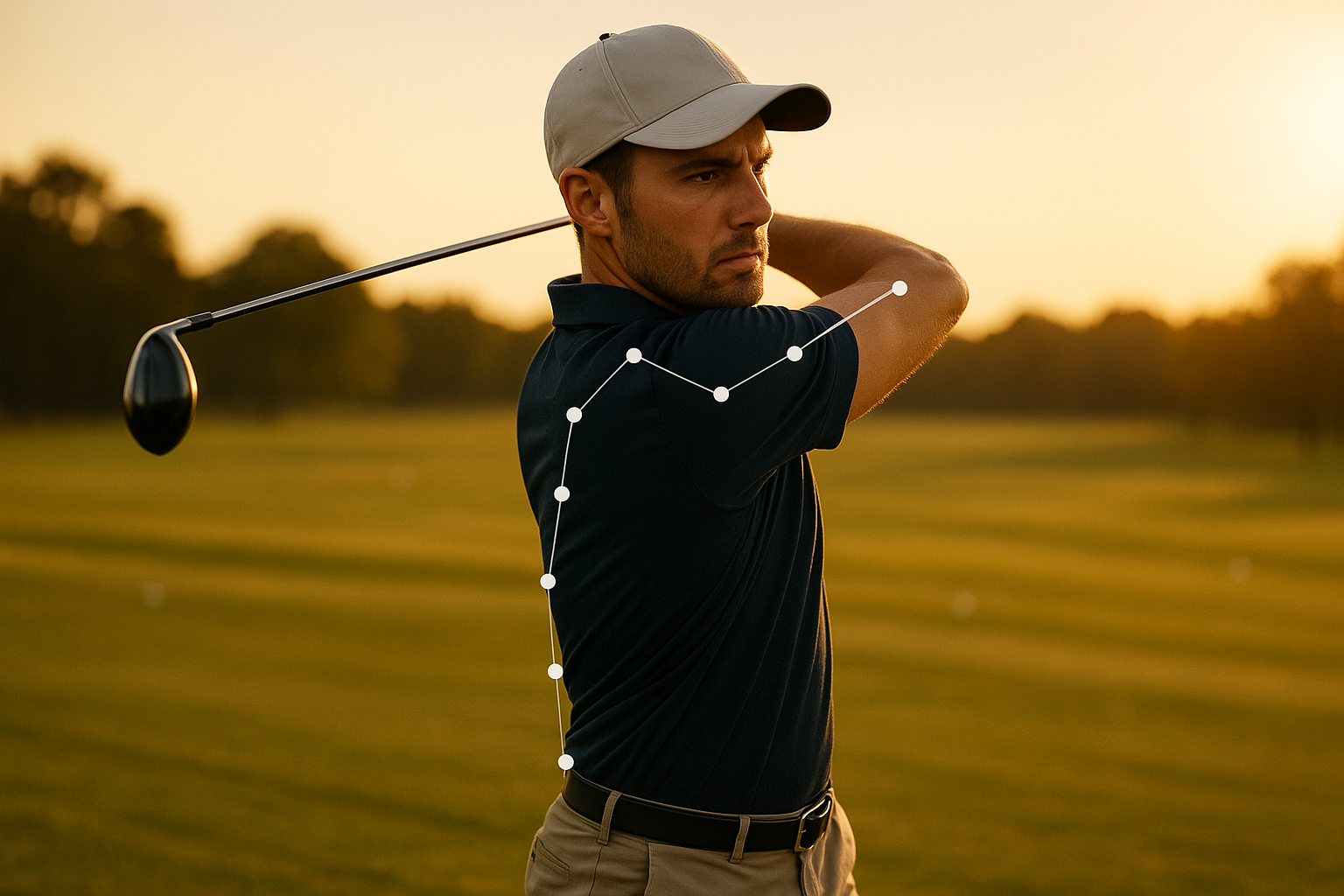
Elite golf instruction is the specialized, science-backed coaching that competitive players rely on to refine swing mechanics, generate more power, and build lasting consistency. Unlike typical local lessons, this level of coaching pairs biomechanical analysis — the study of how the body moves — with decades of elite teaching experience. As a result, golfers get feedback that goes far beyond “keep your head down.” For collegiate athletes, aspiring professionals, and serious amateurs, however, finding a coach who blends deep technical knowledge with real competitive results can be tough to find locally. That gap is exactly why remote platforms offering elite golf instruction, such as Your Golf Guru, have become an essential resource for players serious about long-term improvement.
In short: Elite golf instruction blends kinesiology-based biomechanics, video-driven swing analysis, and elite-level coaching credentials to help competitive golfers increase power, sharpen accuracy, and lower injury risk. This kind of coaching is increasingly delivered online, giving athletes access to expert guidance no matter where they live.
What Is Elite Golf Instruction?
Elite golf instruction is coaching delivered by highly credentialed professionals — often those with advanced degrees in sports science or kinesiology — who use data, video, and biomechanical assessment to correct swing faults at their root cause. Rather than offering generic tips, elite coaches diagnose why a fault occurs, then build a training plan around it.
In practice, this means combining traditional swing coaching with concepts borrowed from kinesiology, the scientific study of human movement. Furthermore, elite programs typically track measurable metrics like clubhead speed, spine angle, and ground force to confirm that changes are actually working, not just guessed at.
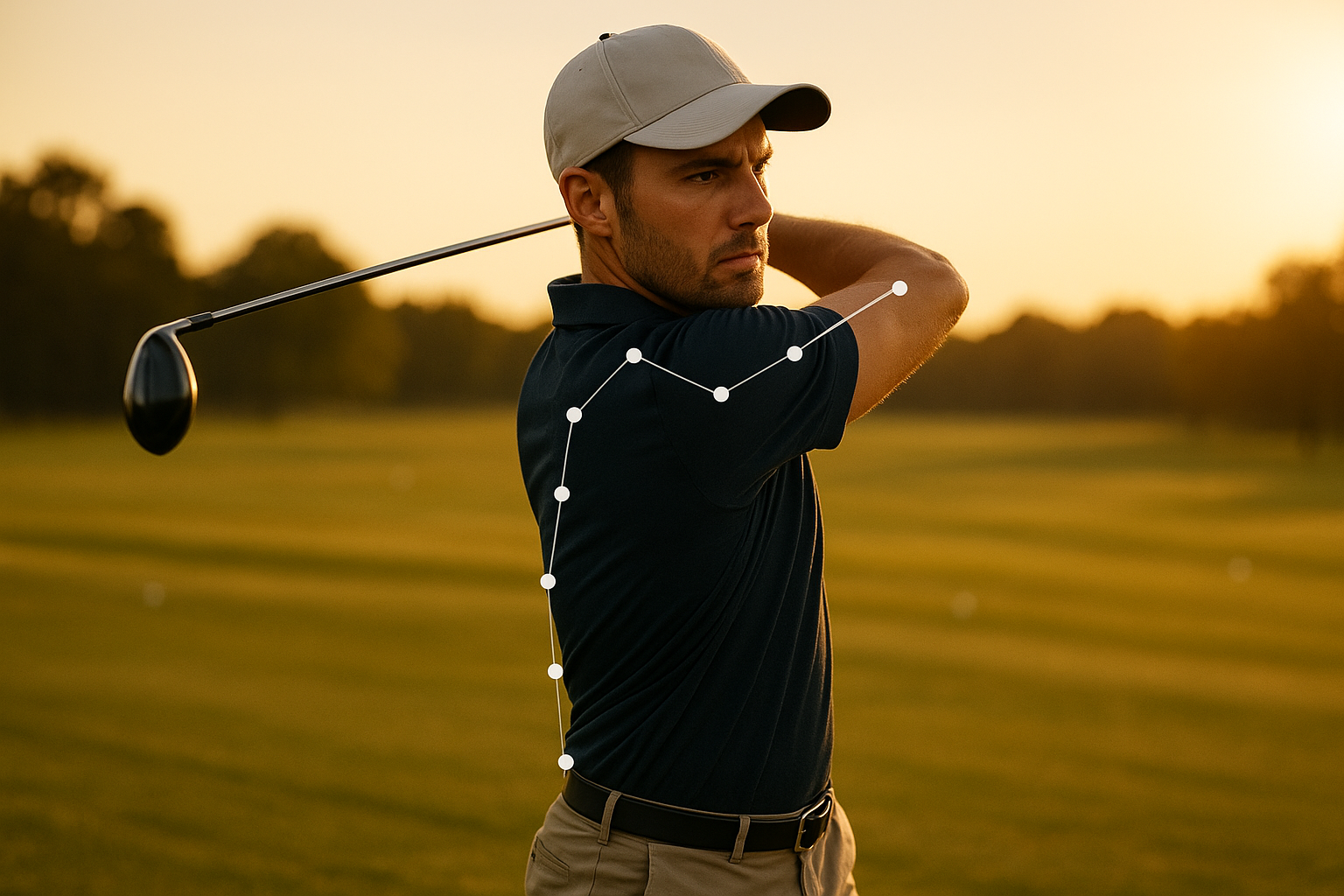
Elite golf instruction relies on detailed swing analysis to correct faults at their source.
Why Competitive Golfers Choose Advanced Golf Coaching
Competitive golfers face a different challenge than weekend players. Their swing already works most of the time; the goal is squeezing out the last few percentage points of power, accuracy, and consistency. Therefore, advanced golf coaching focuses on marginal gains rather than basic fundamentals.
According to LPGA teaching resources, tour-level players often adjust swing mechanics by fractions of a degree to gain measurable performance improvements. Similarly, collegiate and aspiring professional golfers need coaches who can identify those subtle inefficiencies. In addition, because injuries can end a competitive season, safety-focused coaching matters just as much as performance gains. For more on the technical side of this work, see this guide to advanced golf swing techniques for serious golfers.
The Science Behind High-Level Golf Instruction
High-level golf instruction increasingly borrows from exercise science and physical therapy. Coaches with a kinesiology background can explain, for example, why a golfer’s hips fail to rotate fully, and whether that limitation is mechanical, muscular, or simply a habit built over years of practice.
Research published through the U.S. National Institutes of Health has examined how biomechanical screening can help identify movement patterns linked to common golf injuries, including lower back strain, which affects a large share of regular players. As a result, coaches who understand this science can build training plans that improve performance while actively lowering injury risk. Consequently, science-backed golf training delivered online has grown popular among athletes who cannot access this expertise locally.
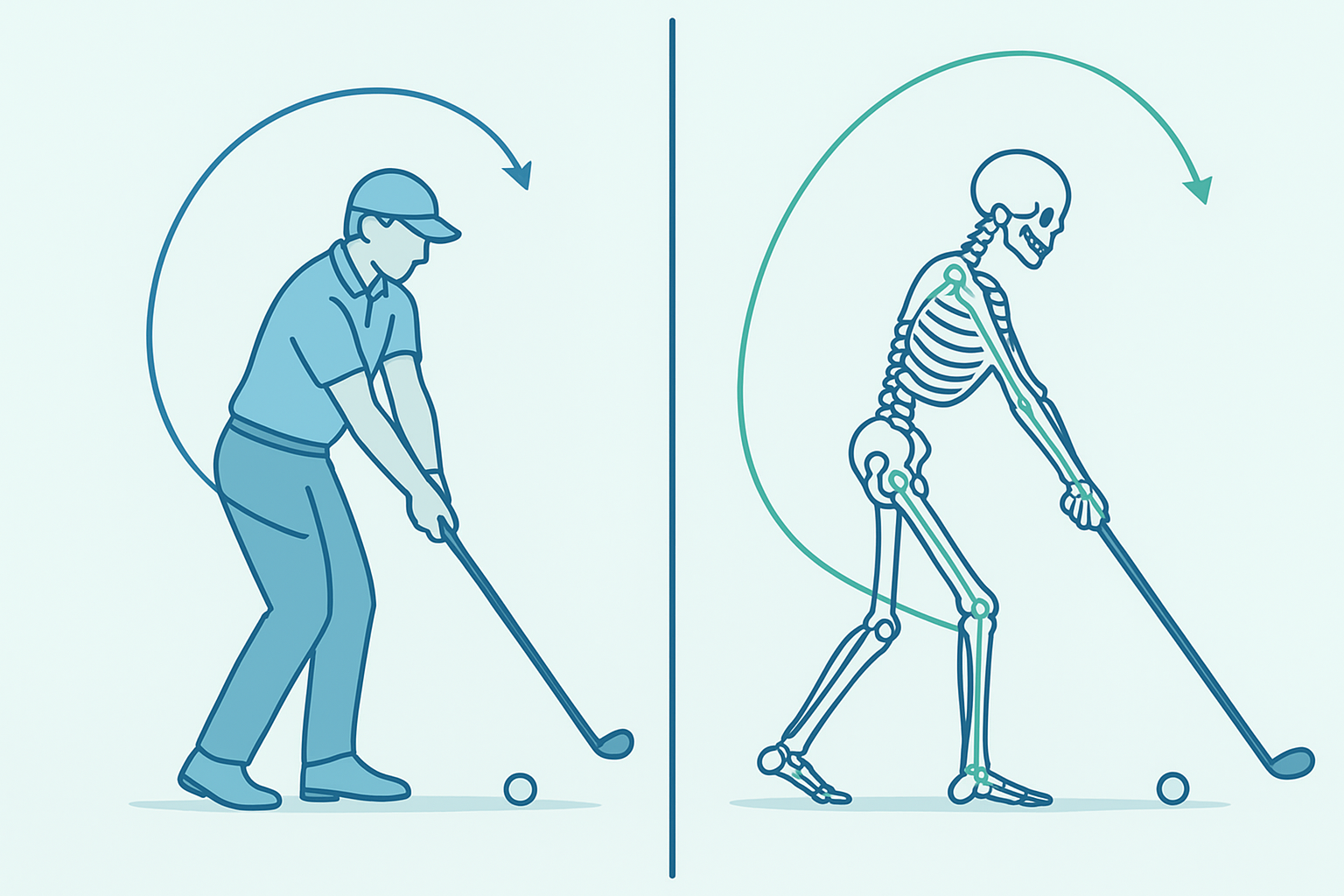
Biomechanics-based analysis helps coaches pinpoint the exact cause of swing inefficiencies.
How Elite Golf Instruction Works: A Step-by-Step Process
Although every coaching platform is different, most elite golf instruction programs follow a similar structured process. Understanding these steps can help golfers know what to expect before committing to a program.
- Submit swing footage for assessment. The golfer records their swing from multiple angles and shares it with the coaching platform for a detailed biomechanical review.
- Receive a personalized analysis report. The coach breaks down swing mechanics, identifies inefficiencies, and explains the root cause of each issue in plain language.
- Follow a customized training plan. Drills and exercises are assigned based on the specific faults found, rather than generic swing tips.
- Complete regular video check-ins. The golfer submits updated footage so the coach can track progress and adjust the plan as needed.
- Review measurable performance data. Metrics such as clubhead speed and consistency are tracked over time to confirm real improvement.
Golfers exploring this approach can browse examples in this library of golf science videos, which shows how biomechanical concepts translate into on-course results.
What to Look for in an Elite Golf Coach
Not every instructor labeled “elite” has the credentials to back it up. Specifically, golfers should look for a few key qualifications before committing to a coaching relationship.
First, verify teaching credentials, such as LPGA or PGA Master Professional status. Second, ask whether the coach has any formal background in sports science, physical therapy, or kinesiology. Third, request examples of past student results, particularly with players at a similar competitive level. Finally, above all, confirm that the coach prioritizes injury prevention alongside performance, since a swing change that produces short-term power at the cost of long-term health rarely serves a competitive athlete well.
Golfers preparing for the next level of competition may also benefit from this guide to coaching for aspiring golf professionals, which covers the path from advanced amateur to professional-level play in more depth.
Remote Coaching vs. Local Golf Lessons
Traditionally, elite coaching required living near a handful of well-known instructors. Today, however, remote coaching has changed that equation entirely. Video analysis technology now allows a coach anywhere in the world to review a swing in nearly the same detail as an in-person lesson.
In contrast to local lessons, which are often limited by an instructor’s regional experience, remote elite golf instruction connects golfers with specialists regardless of geography. For example, a competitive amateur in a small town can now access a coach with an LPGA Master Professional credential and a kinesiology background, something previously reserved for players near major golf hubs. To see this science applied directly to ball-striking, review these techniques for better golf impact and power.
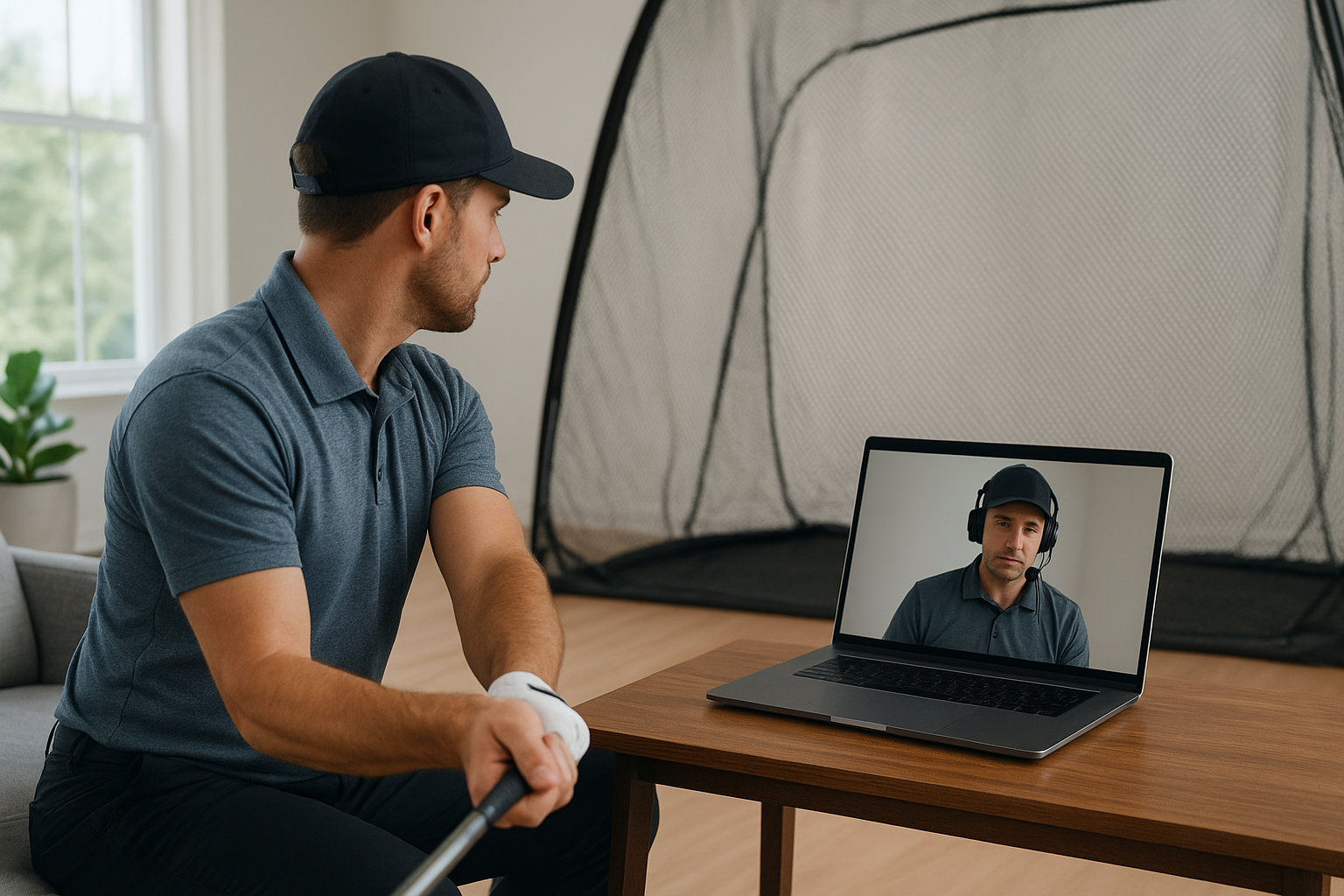
Video-based coaching sessions make elite golf instruction accessible from anywhere.
Frequently Asked Questions About Elite Golf Instruction
What is elite golf instruction?
Elite golf instruction is advanced, credential-backed coaching that uses biomechanical analysis and data tracking to improve swing power, accuracy, and consistency for competitive players. It differs from standard lessons by focusing on root-cause corrections rather than surface-level tips.
How much does elite golf instruction typically cost?
Pricing varies depending on the coach’s credentials and program format, but remote coaching is often more affordable than in-person sessions with a comparable expert. Many platforms offer tiered packages so golfers can choose a level that fits their budget and goals.
How long does it take to see results from elite golf coaching?
Most golfers notice measurable swing changes within four to eight weeks of consistent practice and coaching feedback. However, deeper mechanical changes, especially those involving injury prevention, may take a full season to fully integrate.
How is online golf coaching different from in-person lessons?
Online coaching relies on submitted video footage and data review instead of face-to-face sessions, which allows access to specialized coaches regardless of location. In many cases, the depth of biomechanical analysis is comparable to, or more detailed than, a typical in-person lesson.
Who benefits most from elite-level golf coaching?
Competitive amateurs, collegiate athletes, and aspiring professionals benefit most, since they need refinements beyond basic fundamentals. That said, dedicated players at any level who want a science-based approach can also gain value from this style of coaching.
What credentials should an elite golf coach have?
Look for recognized teaching credentials, such as LPGA or PGA Master Professional status, along with any formal education in kinesiology or sports science. Coaches with both a teaching pedigree and a science background can typically diagnose swing faults more precisely.
What mistakes do golfers make without professional biomechanical feedback?
Golfers often chase quick fixes, like adjusting grip or stance, without understanding the underlying movement pattern causing the fault. As a result, the same issue tends to resurface under pressure, since the root cause was never addressed.
How does kinesiology improve golf swing mechanics?
Kinesiology explains how muscles, joints, and movement patterns work together, which helps coaches identify why a swing fault occurs rather than just what it looks like. This allows for more targeted drills that fix the actual source of inefficiency.
Is elite golf instruction only for advanced players?
While elite golf instruction is designed with competitive players in mind, motivated golfers at earlier stages can still benefit from the structured, data-driven approach. The main requirement is a willingness to commit to a longer-term improvement process.
What technology is used in remote swing analysis?
Most programs rely on smartphone video, slow-motion playback, and sometimes motion-tracking software to break down swing positions frame by frame. Some coaches also incorporate launch monitor data when available to measure ball flight and clubhead speed.
How often should a competitive golfer train with an elite coach?
Many competitive golfers check in with their coach every one to two weeks to review progress and adjust drills. Consistent, spaced feedback tends to produce more lasting swing changes than infrequent, one-off lessons.
Is online elite golf instruction as effective as in-person coaching?
For many golfers, yes, especially when the remote coach has strong credentials and a systematic video review process. In fact, remote coaching often provides access to a more specialized expert than what is available locally, which can outweigh the lack of in-person contact.
The Bottom Line on Elite Golf Instruction
Elite golf instruction gives competitive players a way to refine their swing with the same level of precision found at the top of the sport. By combining biomechanical science with proven coaching credentials, this approach helps golfers build power and accuracy while protecting long-term physical health. Ultimately, whether training remotely or in person, golfers who commit to a structured, data-driven coaching process tend to see the most consistent gains over time. For golfers ready to take that next step, exploring a dedicated program such as Your Golf Guru is a practical place to start.