
Effective golf training programs combine biomechanical analysis, structured practice, and expert feedback to help golfers build power, accuracy, and consistency over time. Whether you’re a competitive amateur, a collegiate athlete, or an aspiring professional, the right program can accelerate progress far beyond what casual range sessions achieve. In this guide, you’ll learn what separates a genuinely effective program from a generic lesson plan, how science-backed coaching improves outcomes, and how to structure a training plan built for long-term results.
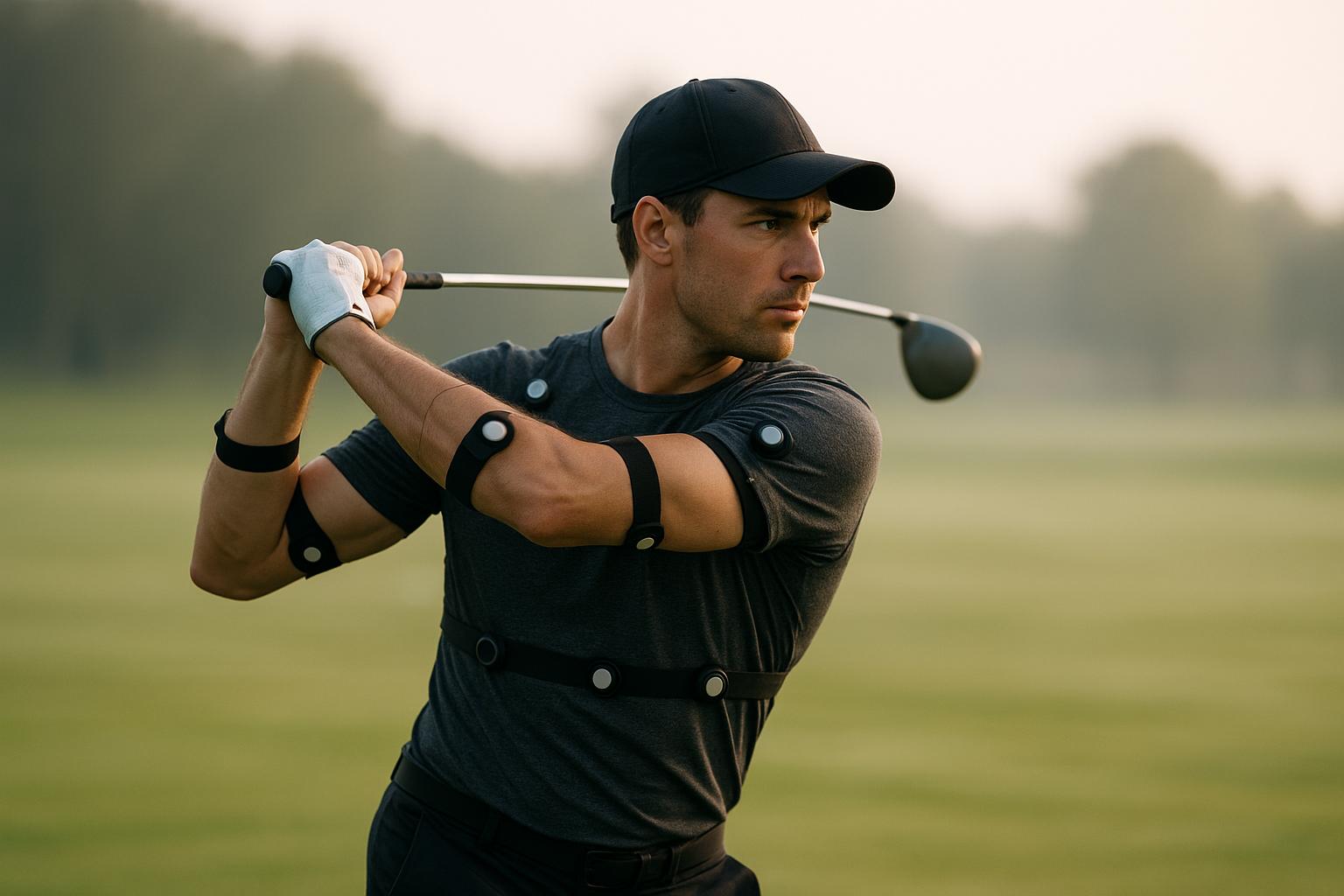
Biomechanical assessment is a foundation of effective golf training programs.
What Are Effective Golf Training Programs?
Effective golf training programs are structured coaching systems that diagnose swing flaws, set measurable goals, and apply progressive drills based on a golfer’s physical capabilities. Unlike casual practice, they rely on data and expert observation rather than guesswork.
For example, a well-designed program might start with a video-based swing assessment, followed by drills targeting hip rotation, sequencing, or clubface control. As a result, golfers see fewer wasted repetitions and faster technical gains. Furthermore, the best programs account for a golfer’s physical limitations, adjusting drills to prevent injury while still pushing performance forward. In contrast, unstructured practice often reinforces existing flaws because there’s no feedback loop to correct them. Consequently, golfers who rely solely on trial and error frequently plateau far below their potential, even after years of dedicated practice.
Core Elements of a High-Performing Training Plan
Above all, a high-performing training plan blends several components rather than isolating one skill. Specifically, most effective plans include four core elements: technical swing work, physical conditioning, mental preparation, and consistent performance tracking.
- Technical swing work targeting grip, posture, and sequencing
- Physical conditioning for rotational strength and mobility
- Mental preparation, including pre-shot routines and course management
- Performance tracking through radar, launch monitors, or coach review
Without tracking, it’s easy to mistake activity for progress. Therefore, golfers serious about improvement should expect their coach to measure outcomes, not just assign drills. According to the Centers for Disease Control and Prevention, consistent physical activity supports both performance and long-term joint health, a baseline that underpins the conditioning side of any golf program. For a deeper look at how these elements combine at an elite level, this guide to science-backed intensive training breaks down the process in more detail.
How Biomechanics Shapes Swing Training Programs
Biomechanics, the study of how the body moves and generates force, sits at the center of any effective golf training program. Specifically, a biomechanical assessment measures how a golfer’s joints and muscles sequence energy through the swing, from the ground up through the hips, torso, arms, and clubhead.
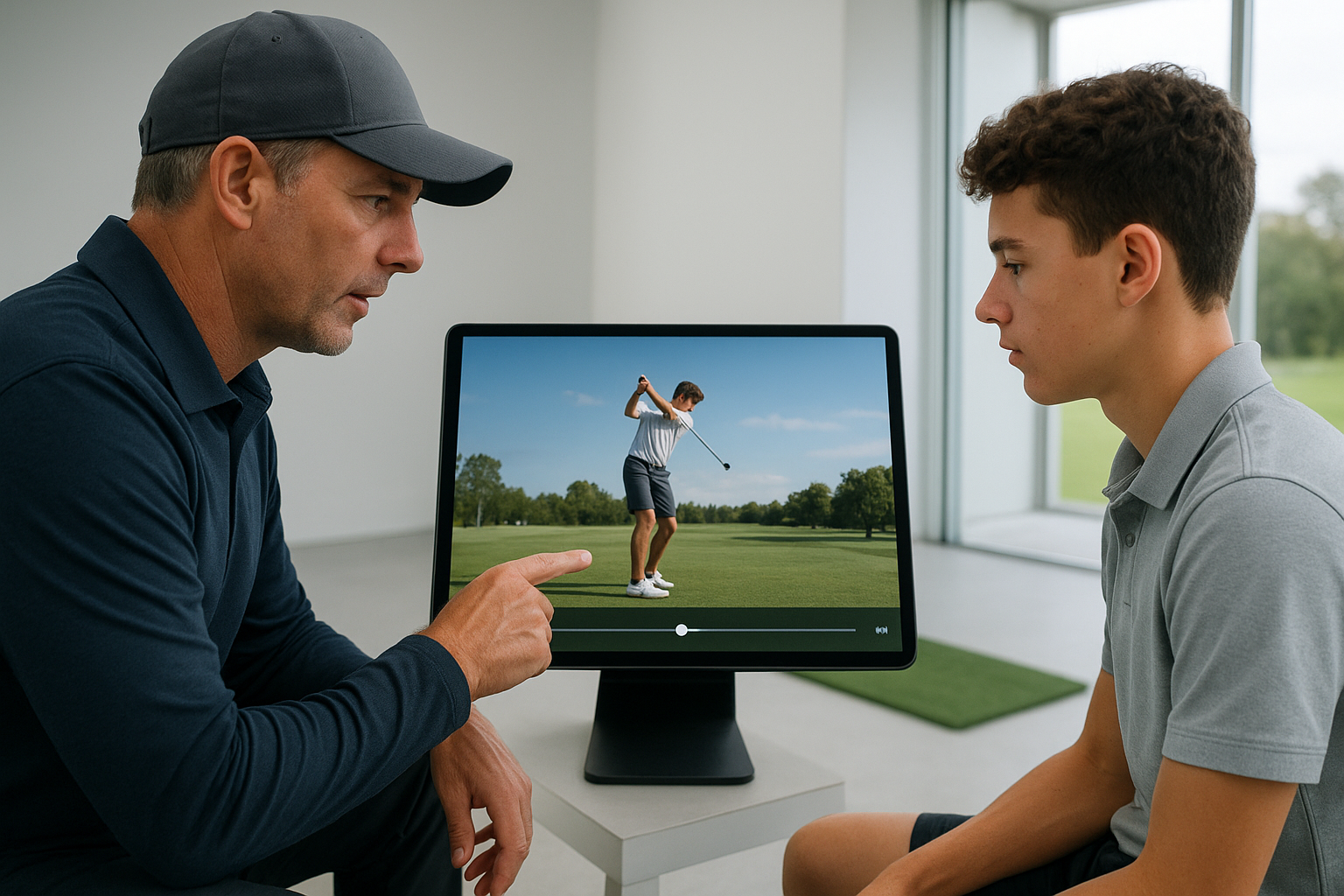
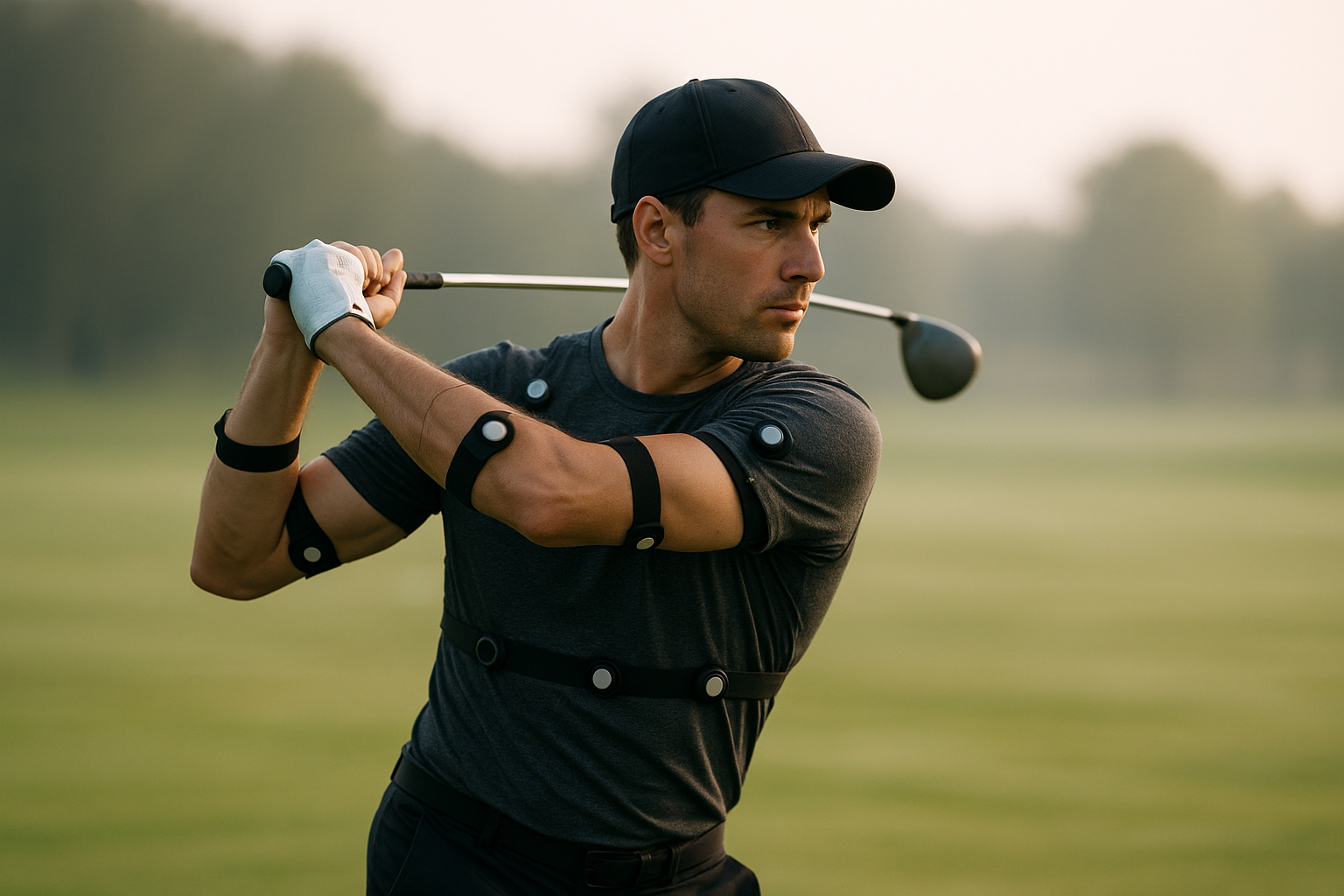
Video and biomechanical review help coaches personalize each training block.
For instance, a golfer who loses power due to poor hip-to-shoulder separation will benefit from very different drills than one who overuses their arms. As a result, biomechanics allows coaches to pinpoint the true cause of a swing fault instead of treating surface symptoms. Similarly, biomechanical analysis helps identify movements that place excessive stress on the lower back, wrists, or knees, which matters greatly for injury prevention. In particular, the field of kinesiology emphasizes individualized movement analysis over generic templates, since every golfer’s body moves differently. Learn more about how these principles apply to swing mechanics in this guide to advanced swing techniques for serious golfers.
Step-by-Step: Building Your Golf Practice Plan
Structuring a training plan doesn’t have to be complicated. However, it does require sequence and consistency. The following steps outline how competitive golfers can build a program from the ground up.
- 1. Assess Your Current Swing Mechanics. Begin with a professional video or biomechanical swing analysis to identify power leaks, inefficient sequencing, and injury risks before setting any training goals.
- 2. Set Measurable Performance Goals. Define specific targets such as clubhead speed, distance gains, or reduced dispersion so progress can be tracked objectively across each training block.
- 3. Schedule Structured Practice Blocks. Divide weekly practice into technique drills, on-course application, and physical conditioning sessions rather than relying only on unstructured range time.
- 4. Incorporate Strength and Mobility Work. Add golf-specific conditioning exercises that build rotational power and protect joints, since proper conditioning is linked to reduced injury risk during high-volume training.
- 5. Review Progress and Adjust the Plan. Reassess swing metrics every four to six weeks with a coach to refine drills, address plateaus, and keep the program aligned with competitive goals.

Mobility and conditioning work supports the technical side of any training plan.
Common Mistakes That Undermine Golf Improvement Plans
In addition, many golfers unintentionally sabotage their own progress. For example, practicing without a clear goal often leads to random repetition rather than real improvement. Similarly, ignoring physical conditioning increases injury risk, especially for players training at high volume. Above all, skipping consistent video or data review means flaws go uncorrected for months. Furthermore, some golfers try to copy a tour professional’s swing without accounting for their own mobility, strength, or body type, which can create new problems rather than solve old ones. To avoid these mistakes, review your approach against proven guidance such as these strategies for competitive golfers to improve fast.
Choosing the Right Online Golf Coaching Program
When comparing programs, it helps to ask who is designing the curriculum and how they measure progress. For instance, Your Golf Guru offers remote coaching developed by an LPGA Master Professional who also holds a PhD in kinesiology, blending biomechanical science with decades of teaching experience. As a result, golfers anywhere can access advanced technical guidance without traveling to a physical facility.
In particular, this model suits competitive amateurs, collegiate players, and aspiring professionals who need instruction beyond what typical local coaches provide. Moreover, programs built around video analysis and structured feedback, such as these golf training videos for competitive play, allow golfers to review mechanics between live sessions. Similarly, players aiming for collegiate or professional pathways may benefit from specialized coaching for aspiring golf professionals. Therefore, before committing to any program, confirm that it offers individualized assessment, injury-conscious instruction, and a clear way to track results over time. According to the technical breakdown of the golf swing, even small mechanical adjustments can meaningfully change ball flight, which is why precise, individualized feedback matters so much.
FAQs: Effective Golf Training Programs
What are effective golf training programs?
Effective golf training programs are structured coaching plans that combine biomechanical swing analysis, physical conditioning, and measurable goals to improve a golfer’s performance. Unlike casual practice, they rely on data and expert feedback to guide every drill.
How long does it take to see results from a golf training program?
Most golfers notice measurable changes in swing mechanics within four to six weeks of consistent practice. However, deeper improvements in on-course performance and consistency typically take three to six months.
How much do effective golf training programs cost?
Costs vary widely, from free instructional content to several hundred dollars per month for personalized remote coaching. Programs led by highly credentialed instructors, such as LPGA Master Professionals, generally cost more due to the depth of individualized analysis provided.
What is the difference between an effective golf training program and regular practice?
Regular practice often repeats existing habits without correction, while an effective golf training program uses assessment, feedback, and progressive drills to change mechanics deliberately. As a result, structured programs typically produce faster, more consistent improvement.
Can online golf coaching be as effective as in-person lessons?
Yes, online coaching can be just as effective when it includes detailed video analysis and individualized feedback. In fact, remote coaching often allows golfers to access higher-level expertise than what is available locally.
What role does biomechanics play in golf training?
Biomechanics identifies how a golfer’s body generates and transfers power through the swing, helping coaches pinpoint the true cause of technical faults. This approach also helps reduce injury risk by flagging movement patterns that place excess stress on joints.
How often should competitive golfers train each week?
Most competitive golfers train four to six days per week, balancing technical practice, physical conditioning, and recovery. However, training volume should always be adjusted to the individual’s physical capacity to avoid overuse injuries.
Do effective golf training programs help prevent injury?
Yes, programs that incorporate biomechanical screening and physical conditioning are specifically designed to reduce injury risk. By identifying inefficient or high-stress movement patterns early, coaches can adjust drills before minor issues become serious injuries.
What technology is commonly used in modern golf training?
Common tools include swing-speed radars, launch monitors, and slow-motion video analysis software. These technologies give coaches objective data instead of relying purely on visual observation.
Are effective golf training programs suitable for collegiate athletes?
Yes, collegiate athletes often benefit the most from structured programs because they need advanced technical guidance beyond typical team practice. Programs that combine biomechanics with sport-specific conditioning are particularly well-suited to this level of competition.
How do I know if a golf training program is working?
Track measurable metrics such as clubhead speed, shot dispersion, and scoring average over time. If these numbers improve consistently across several weeks, the program is working as intended.
What should a golfer look for when choosing a coach?
Look for a coach with verifiable credentials, a clear assessment process, and a track record of working with competitive players. Additionally, confirm whether the coach uses data-driven methods rather than generic, one-size-fits-all instruction.
Is video swing analysis necessary for effective golf training programs?
While not strictly mandatory, video analysis significantly improves the accuracy of coaching feedback. It allows both coach and golfer to identify subtle mechanical issues that are difficult to detect in real time.
Final Thoughts on Building an Effective Training Program
In summary, effective golf training programs succeed because they combine biomechanical insight, physical conditioning, and consistent feedback rather than relying on unstructured repetition. Therefore, whether you’re a competitive amateur, collegiate athlete, or aspiring professional, choosing a program built on measurable goals and expert analysis will accelerate progress and protect long-term health. As you evaluate your options, prioritize coaches who track results and adjust your plan over time. Above all, remember that consistency paired with expert guidance, not raw practice volume, is what ultimately turns a good golfer into a great one. You can review the full range of options, including remote coaching led by an LPGA Master Professional, at yourgolfguru.com.