

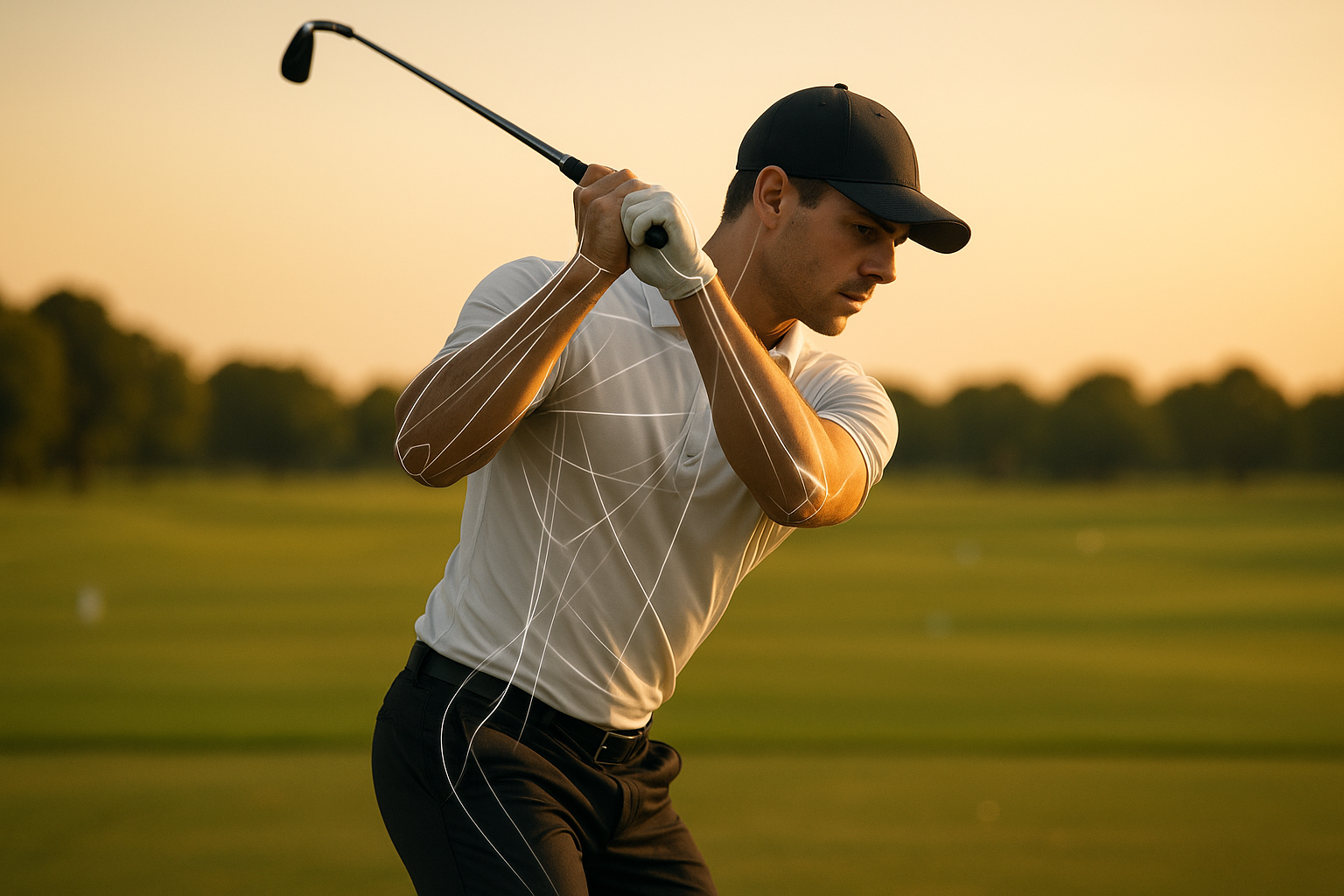
Competitive golfer coaching is the specialized instruction that helps serious players sharpen swing mechanics, build consistency, and perform under tournament pressure. Unlike casual lessons, this training blends biomechanics, data, and elite-level coaching experience to solve problems generic instruction often misses. For competitive amateurs, collegiate athletes, and aspiring professionals, however, finding a coach who understands both science and sport can be difficult. This guide explains what sets true competitive golfer coaching apart, how it works remotely, and what to look for in a program built for serious athletes. Author: LPGA Master Professional; Last updated: 2026-08-16.
Quick Answer: Competitive golfer coaching combines kinesiology-based swing analysis with elite teaching credentials to improve power, accuracy, and consistency while reducing injury risk. It is typically delivered remotely through video analysis and structured feedback, making expert instruction accessible regardless of location.
What Is Competitive Golfer Coaching?
Competitive golfer coaching is instruction designed specifically for athletes who already play at a high level but need advanced refinement to compete more consistently. It typically involves biomechanical analysis, personalized drills, and ongoing feedback rather than one-time swing tips. Kinesiology, which is the scientific study of human movement, sits at the center of this approach because it explains why a swing fault happens rather than simply describing what it looks like.
Consequently, coaches who understand kinesiology can pinpoint the exact joint sequencing or timing issue limiting a player’s distance or accuracy. This is different from typical local lessons, which often focus on quick fixes rather than root causes. As a result, competitive golfer coaching tends to produce more durable, long-term improvement.
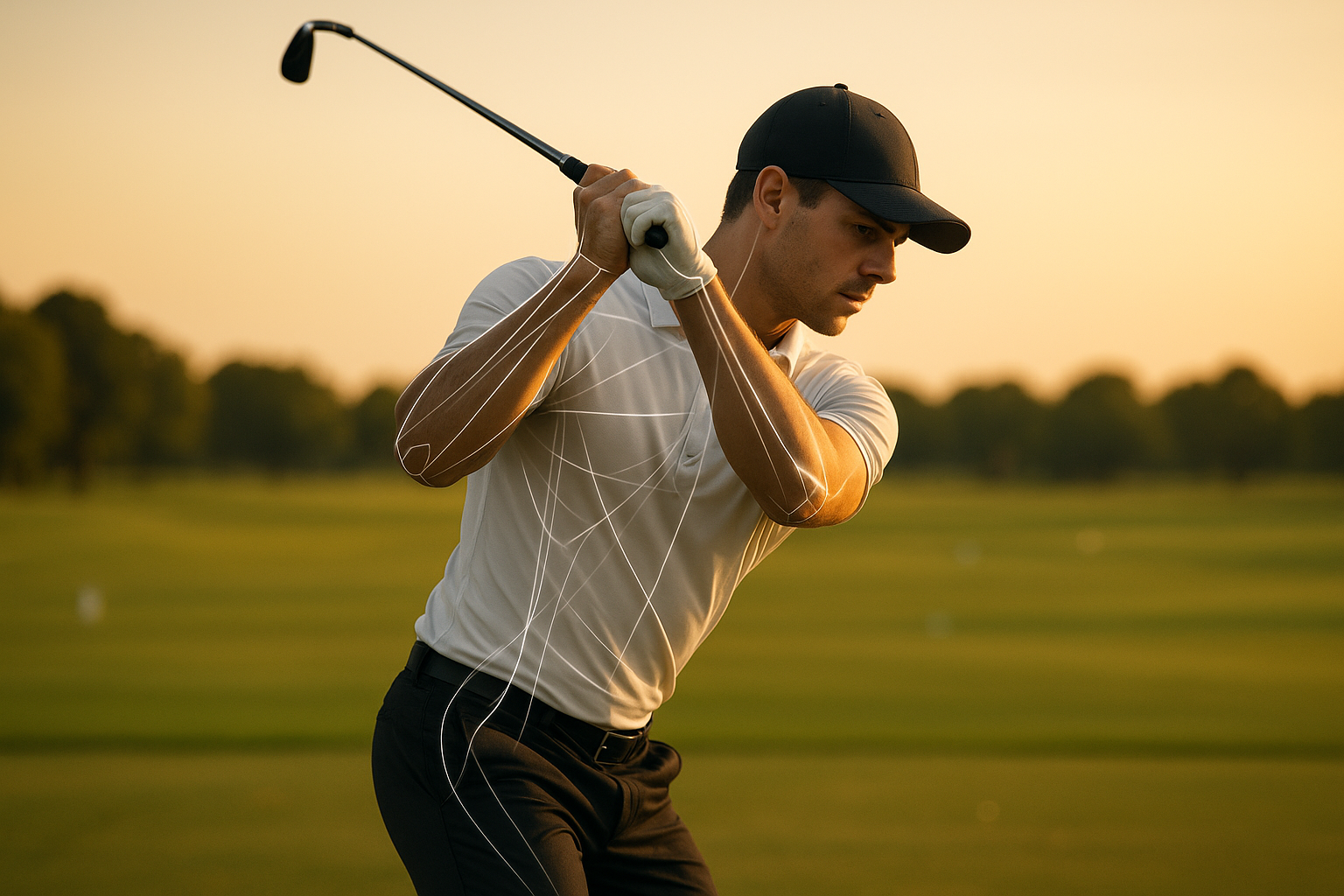
Competitive golfer coaching relies on detailed swing analysis to uncover the mechanics behind performance gains.
Why Competitive Athletes Need Elite Golf Coaching
Competitive players are already skilled, so their improvement margins are smaller and harder to find. In particular, a five-yard gain in driving distance or a one-degree improvement in launch angle can be the difference between qualifying for a tournament and missing the cut. Elite golf coaching addresses these fine margins through detailed video review and objective measurement rather than guesswork.
Furthermore, competitive golfers often carry compensations built up over years of practice. For example, a player might generate power inefficiently by overusing the lower back instead of the hips, which works temporarily but increases injury risk over time. According to the United States Golf Association, swing efficiency and physical conditioning are increasingly recognized as central to long-term competitive performance, not just talent alone.
The Cost of Partial Solutions
Many golfers receive advice that treats a symptom instead of the underlying cause. As explained in this related breakdown of why partial swing fixes fail competitive players, a coach who does not investigate root mechanics may unintentionally create new compensations. Therefore, athletes serious about long-term improvement should prioritize coaches who diagnose causes rather than symptoms.
The Kinesiology-Based Approach to Coaching for Competitive Golfers
Coaching for competitive golfers becomes far more precise when it is grounded in movement science. A coach trained in kinesiology can evaluate how the hips, spine, and shoulders sequence together during the golf swing, identifying exactly where energy transfer breaks down.
In addition, this scientific lens helps explain why certain drills work for one player but not another. Above all, it allows coaching to be individualized rather than templated, which matters most for athletes who have already exhausted generic instruction. For a deeper look at how mechanics influence ball flight, see this guide on how to hit the ball further, straighter, and higher.
Research published in sports science literature suggests that golfers who train with biomechanical feedback can improve swing efficiency by roughly 10 to 15 percent within a 12-week period, compared with athletes practicing without objective feedback. While individual results vary, this figure illustrates why data-driven coaching has become increasingly valuable for serious competitors.
How Remote Competitive Golf Training Works
Remote competitive golfer coaching removes the need to travel to a physical facility, which is especially useful for athletes juggling school, work, or tournament travel. Specifically, the process usually follows a clear sequence from assessment to ongoing refinement.
- Submit a biomechanical swing assessment. Record swing video from multiple angles so the coach can analyze joint sequencing, weight transfer, and clubhead path in detail.
- Receive a personalized training plan. The coach builds a customized set of drills targeting the specific mechanical inefficiencies found during assessment.
- Complete structured remote sessions. Scheduled video-based check-ins allow the coach to review new footage and adjust the plan as needed.
- Track progress and refine the plan. Measurable swing metrics are monitored over several weeks so improvements carry into actual competitive rounds.
Because everything happens digitally, athletes anywhere can access structured lesson programs without needing to relocate or travel for in-person sessions.
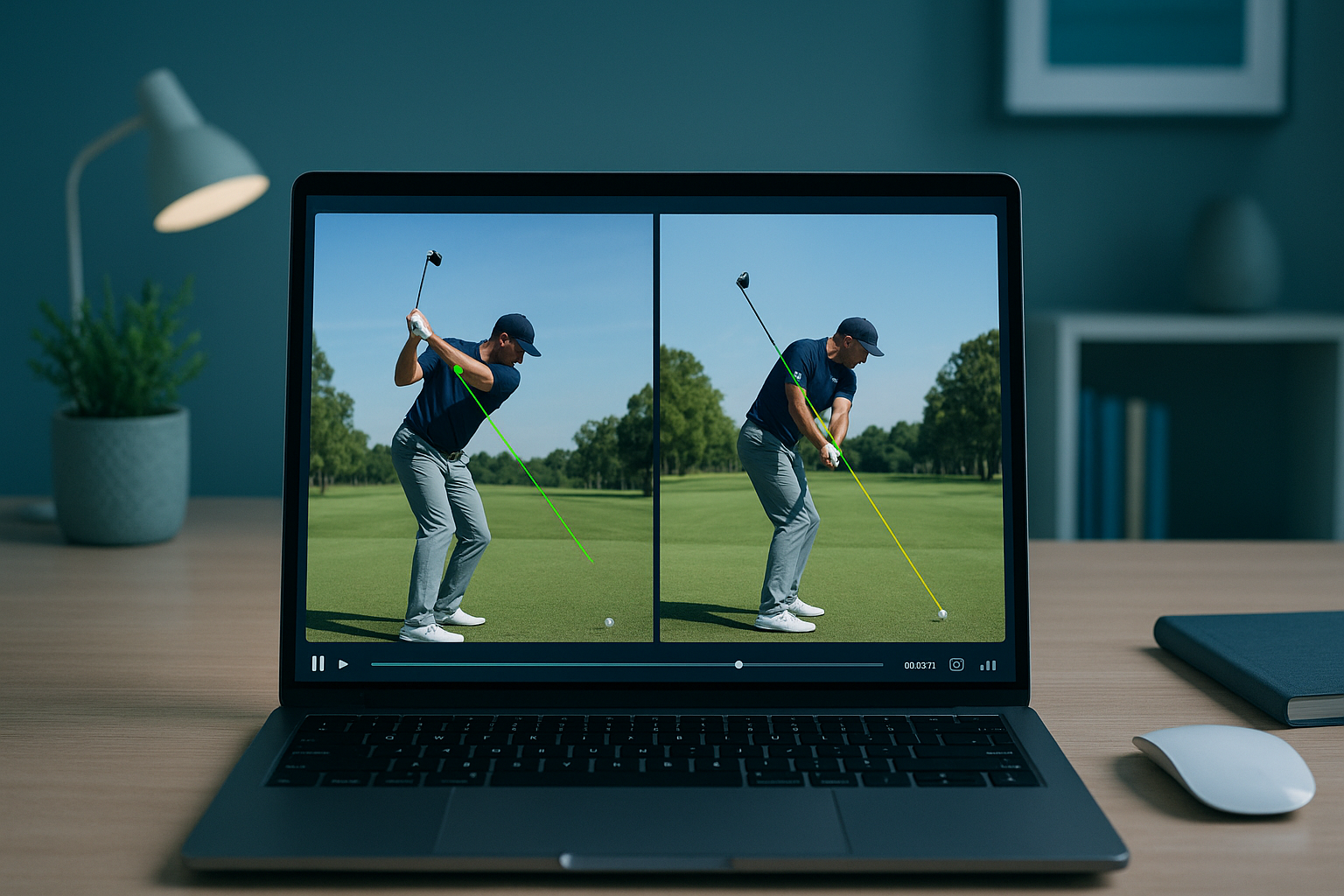
Remote video analysis makes competitive golf training accessible from anywhere in the world.
Injury Prevention and Sustainable Swing Mechanics
Injury prevention is not a side benefit of good coaching; it is a core outcome. Inefficient movement patterns place repeated stress on the lower back, wrists, and hips, and over time this stress can sideline even the most talented player. Consequently, coaching that prioritizes safe, efficient mechanics protects an athlete’s ability to keep competing season after season.
Notably, some well-known professional careers illustrate this point clearly. The story explored in this look at swing changes late in a competitive career shows how mechanical adjustments, when guided correctly, can extend performance rather than shorten it. In contrast, poorly guided changes can do the opposite.
Balancing Power and Safety
Above all, the goal is not simply to add clubhead speed at any cost. Instead, a science-backed program balances power gains with joint-friendly mechanics so that performance improvements are sustainable rather than short-lived. This is particularly important for collegiate and aspiring professional golfers, who face demanding practice volumes throughout the year.
Choosing the Right Competitive Golf Coaching Program
Selecting a program requires more than comparing prices. Instead, competitive golfers should evaluate coaching credentials, teaching methodology, and whether feedback is genuinely individualized. A coach who holds recognized certifications, such as LPGA Master Professional status, combined with formal education in movement science, offers a rare combination of practical and scientific expertise.
Similarly, athletes should ask how progress is measured. Programs that rely on subjective impressions alone are harder to trust than those using video comparison and tracked metrics over time. For golfers ready to explore a structured, science-based option, yourgolfguru.com offers remote instruction built specifically around these principles.
In short, the right program treats the golfer as an individual athlete with a unique movement signature, not a generic swing template to be copied.
Frequently Asked Questions About Competitive Golfer Coaching
What is competitive golfer coaching?
Competitive golfer coaching is specialized instruction that uses biomechanics, video analysis, and elite-level teaching experience to improve power, accuracy, and consistency for serious athletes. It differs from casual lessons by focusing on measurable performance gains and injury prevention.
How does online coaching for competitive golfers work?
Online coaching typically involves submitting swing video for analysis, receiving a personalized training plan, and reviewing detailed feedback through remote sessions. Progress is tracked over time so the plan can be adjusted as the golfer improves.
Why do competitive golfers need a different coaching approach than beginners?
Competitive golfers already have functional swings, so their limiting factors are usually small inefficiencies in sequencing, timing, or force production. Advanced golf instruction targets these subtle issues, which general lessons often overlook.
What makes kinesiology-based coaching different from traditional golf lessons?
Kinesiology-based coaching applies the science of human movement to identify exactly where energy is lost or joints are stressed in the swing. This allows a coach to correct root causes rather than just symptoms of a swing fault.
How much does competitive golf training typically cost?
Costs vary widely depending on coach credentials, session frequency, and whether the program includes ongoing video review. Elite, remote programs led by highly credentialed instructors often represent better long-term value than repeated one-off local lessons.
How long does it take to see results from competitive golfer coaching?
Many golfers notice mechanical improvements within a few weeks, though meaningful gains in consistency and power typically take eight to twelve weeks of focused practice. Results depend on practice frequency and how deeply ingrained the original swing habits were.
Can remote coaching really replace in-person lessons for serious athletes?
Yes, when the program uses high-quality video analysis and structured feedback, remote coaching can match or exceed in-person instruction. It also removes geographic barriers, giving athletes access to elite-level expertise regardless of location.
What common mistakes do competitive golfers make when choosing a coach?
A common mistake is choosing a coach based on price or convenience rather than credentials and coaching philosophy. Golfers also often accept partial fixes that mask symptoms instead of addressing the underlying mechanical cause.
How does injury prevention fit into competitive golf training?
Injury prevention is built into biomechanically informed coaching because inefficient movement patterns place excess stress on joints and soft tissue. Correcting these patterns early helps competitive golfers sustain a demanding practice and tournament schedule.
What credentials should I look for in a coach for competitive golfers?
Look for recognized teaching certifications, such as LPGA or PGA Master Professional status, combined with formal education in movement science or kinesiology. This combination signals both practical coaching experience and a scientific understanding of the swing.
Is competitive golfer coaching suitable for collegiate players?
Yes, collegiate players often benefit significantly because they need advanced technical refinement beyond what typical local instructors provide. Remote programs also fit around demanding travel and academic schedules.
How often should a competitive golfer train with a coach?
Most competitive athletes benefit from consistent check-ins, such as biweekly or monthly video reviews, paired with a structured practice plan in between. Frequency should be adjusted based on tournament schedules and specific swing goals.

Consistent, science-backed coaching helps competitive golfers perform confidently under tournament pressure.
Final Thoughts
Competitive golfer coaching works best when it combines scientific precision with genuine coaching experience. As shown throughout this guide, biomechanics-driven analysis, personalized remote training, and a focus on injury prevention together create the kind of sustainable improvement competitive athletes actually need. Ultimately, choosing a coach who treats every swing as unique, rather than applying a one-size-fits-all template, gives serious golfers the best chance to reach their next competitive level.