
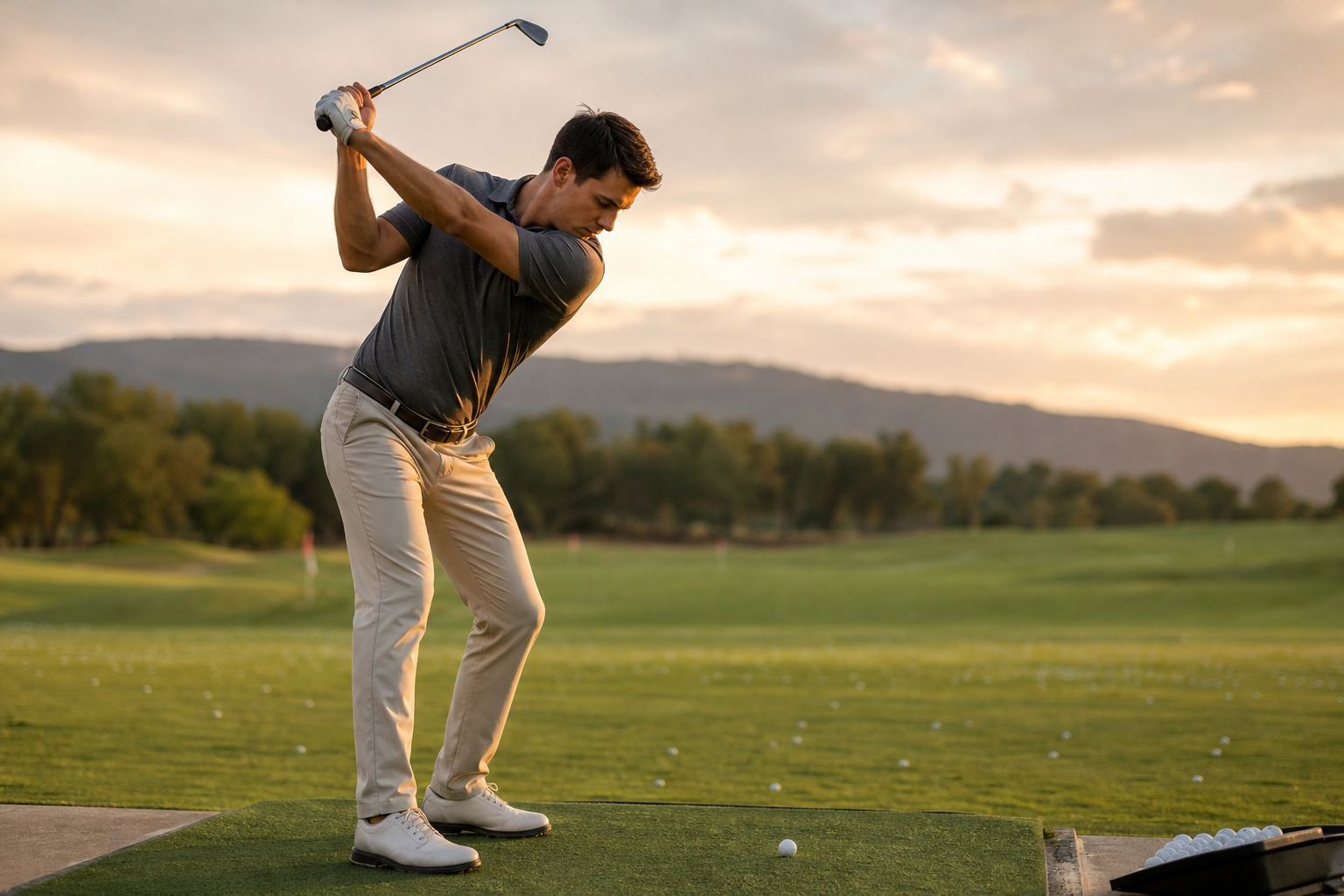
Competitive amateur golf coaching is the specialized instruction serious players need when local lessons no longer move the needle. For collegiate golfers, scratch amateurs, and aspiring professionals, generic tips rarely close the gap between a good round and a winning one. Instead, these athletes require biomechanical analysis, structured practice plans, and a coach who understands the physical demands of tournament golf. This guide explains what competitive amateur golf coaching looks like today, how remote programs deliver elite-level results, and how to choose a coach who can actually move your handicap.
Quick Answer: Competitive amateur golf coaching combines biomechanical swing analysis, structured practice design, and tournament-specific strategy—typically delivered online by credentialed instructors—to help serious amateurs, collegiate players, and aspiring pros improve consistency, power, and accuracy without relocating near a training facility.
What Is Competitive Amateur Golf Coaching?
Competitive amateur golf coaching is a results-driven form of instruction built for players who already compete regularly but need a sharper technical edge. Unlike weekend lessons, it centers on biomechanics, which is the scientific study of human movement, to explain exactly why a swing breaks down under pressure. As a result, coaching plans focus on sequencing, joint loading, and repeatable mechanics rather than one-off tips.
In practice, this means video-based swing review, structured drills between sessions, and ongoing communication with a coach who tracks progress over months, not minutes. Consequently, athletes gain a plan that evolves with their tournament calendar instead of a single static lesson.
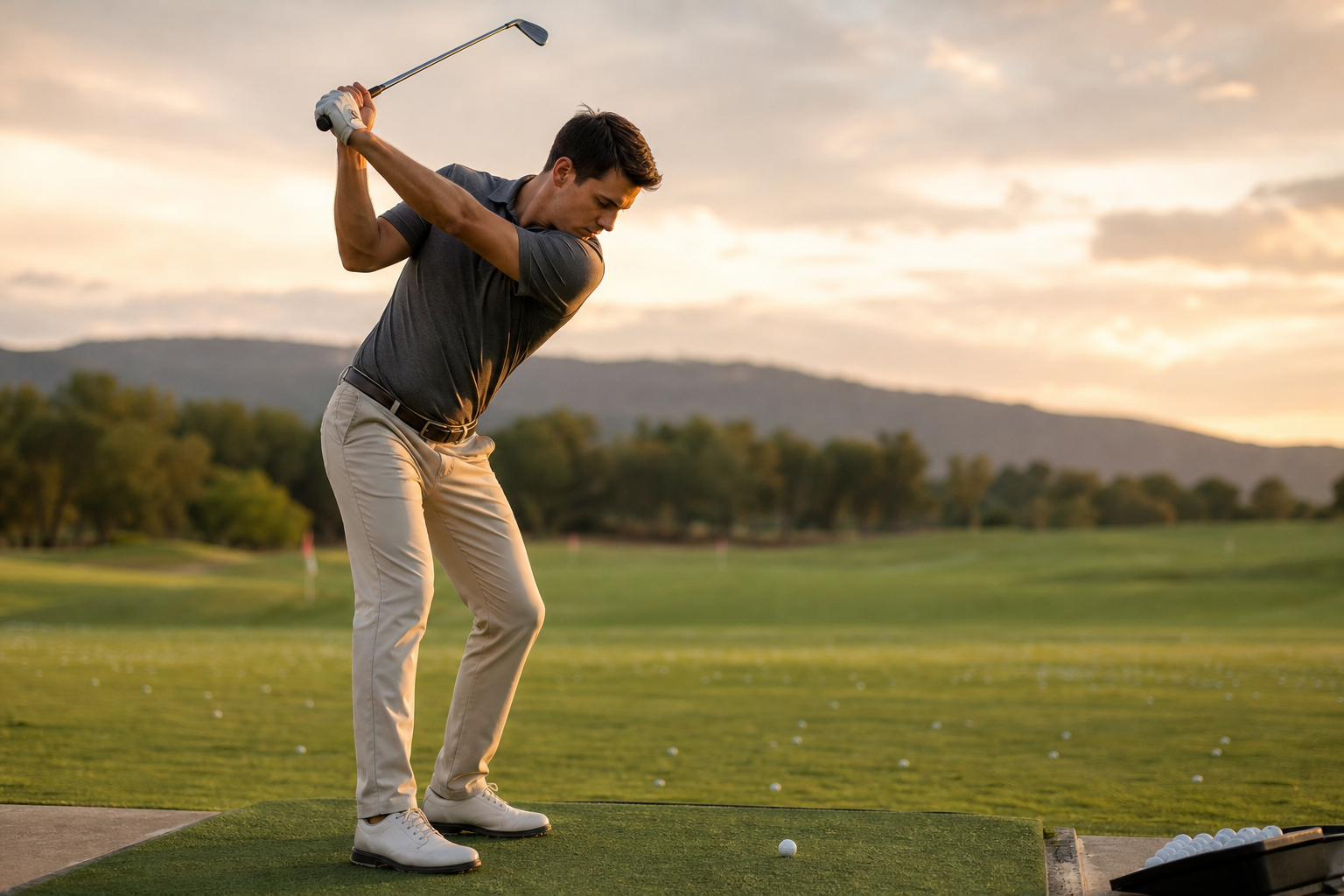
Consistent practice is central to competitive amateur golf coaching and long-term swing improvement.
Why Elite Amateur Golf Training Differs From Local Lessons
Most local instructors serve a wide range of skill levels, from beginners to weekend players. In contrast, elite amateur golf training is designed exclusively around competitive demands, including scoring pressure, course management, and physical durability across a long season.
Furthermore, a coach working with competitive athletes typically holds advanced credentials. According to USGA handicap data, the average recreational golfer in the United States carries a double-digit handicap, while competitive amateurs and collegiate players routinely play in the scratch-to-five range. That gap highlights why generic instruction rarely satisfies athletes already performing near the top of the field.
The Kinesiology Behind a Repeatable Swing
Kinesiology, the scientific study of body movement, allows coaches to pinpoint inefficiencies that limit both power and consistency. Specifically, analyzing hip rotation, spine angle, and energy transfer reveals why two golfers with similar swing speeds can produce very different ball flights. For a deeper look at this science-backed approach, this overview of kinesiology explains the foundational concepts coaches apply on the range.
Because every joint movement affects the next, even small corrections in the lower body can resolve chronic slices, inconsistent contact, or recurring lower-back strain.
How Remote Coaching for Competitive Golfers Works
Remote coaching for competitive golfers follows a clear, repeatable process. Below is the typical path serious amateurs take when starting a structured online program, similar to the approach outlined in this complete guide to remote golf coaching for amateurs.
- Record baseline swing video. Capture down-the-line and face-on footage with full-body visibility so the coach can assess posture, sequencing, and club path before building a plan.
- Complete a movement and goals assessment. Share competitive goals, injury history, and physical limitations so the plan balances performance with long-term joint health.
- Receive a biomechanical swing analysis. Review a breakdown of sequencing and energy transfer to understand which patterns are limiting consistency and power.
- Follow a structured practice plan. Work through assigned drills between sessions, tracking progress through follow-up video so adjustments stay on schedule.
- Refine strategy before tournaments. Confirm swing checkpoints and course strategy so performance holds up under competitive pressure.
Therefore, remote programs are not simply video calls; they are structured systems with checkpoints, much like in-person academies, but without the travel.
Key Benefits of Advanced Amateur Golf Instruction
Advanced amateur golf instruction offers several advantages beyond convenience. Specifically, it removes geographic limits, so a collegiate player training at school can keep working with the same specialist used during summer tournaments.
| Benefit | Why It Matters |
|---|---|
| Access to specialists | Connects athletes to credentialed coaches regardless of location |
| Consistency across travel | Maintains one coaching voice through the tournament season |
| Injury-aware mechanics | Prioritizes joint-safe movement alongside performance |
In addition, data-driven feedback helps athletes avoid plateaus. Similarly, coaches who specialize in competitive players often incorporate strength and mobility guidance, since NCAA golf programs increasingly treat physical conditioning as part of swing development.
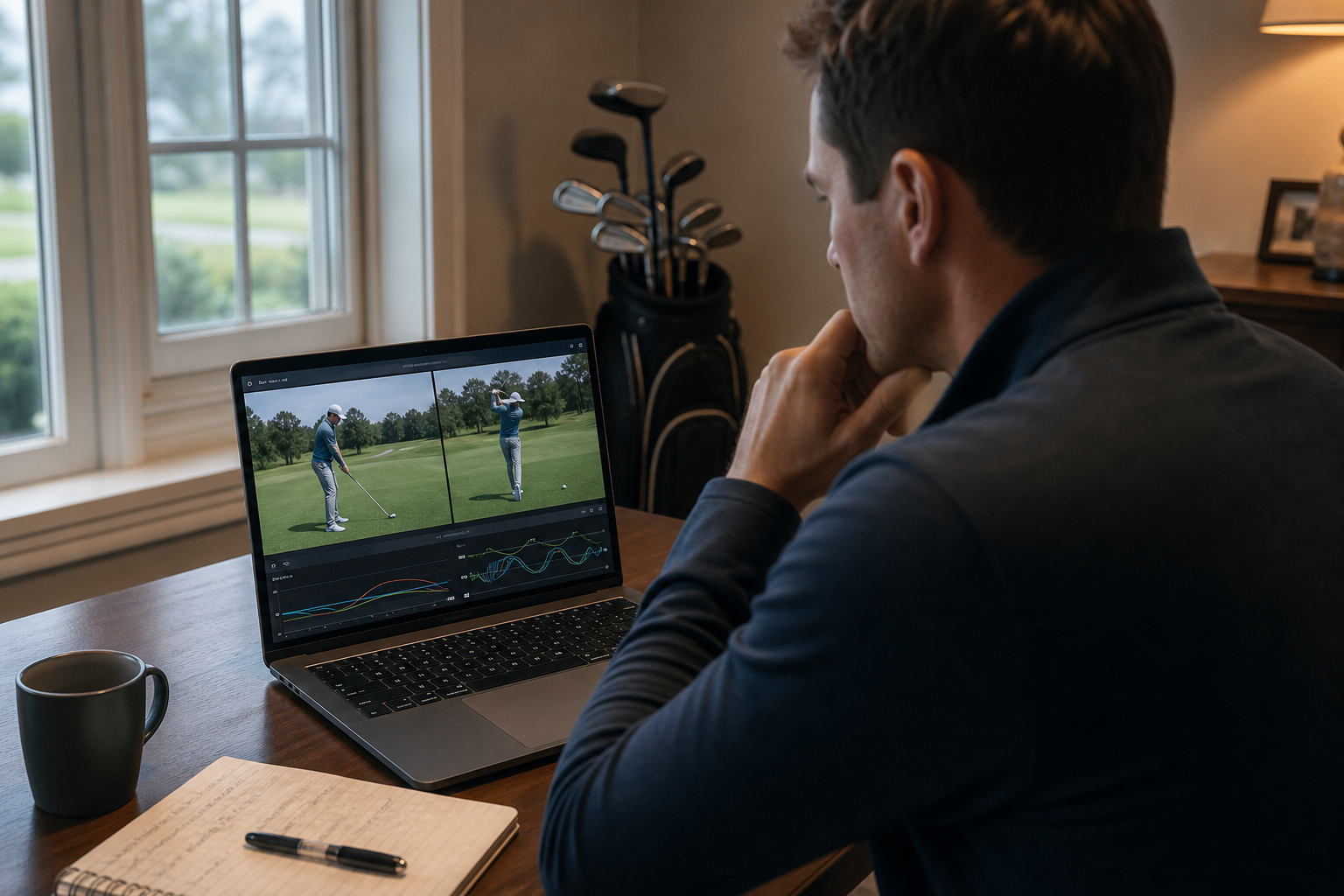
Reviewing swing footage remotely is a core part of modern competitive amateur golf coaching.
How to Choose the Right Competitive Golf Coach
Choosing the right coach starts with credentials. Above all, look for LPGA or PGA Master Professional status paired with formal training in biomechanics or kinesiology, since this combination signals both teaching skill and scientific depth.
For players targeting the highest level of competition, this guide to elite remote training for tour-level players outlines how top coaches structure long-term development. Similarly, golfers preparing for a specific event may benefit from this tournament preparation guide, which details how coaching shifts in the weeks before competition.
Players based in major metro areas sometimes assume in-person lessons are required. However, as this Los Angeles online coaching overview shows, remote instruction often matches or exceeds local options when the coach has elite-level credentials.
What to Expect in Your First Online Coaching Session
The first session typically focuses on assessment rather than immediate changes. Specifically, the coach reviews baseline video, discusses competitive goals, and identifies any injury history before recommending adjustments.
Afterward, most programs provide a written or video summary, so athletes can reference key checkpoints during independent practice. This resource from a science-backed guide to elite online training explains how these early checkpoints shape longer-term progress.
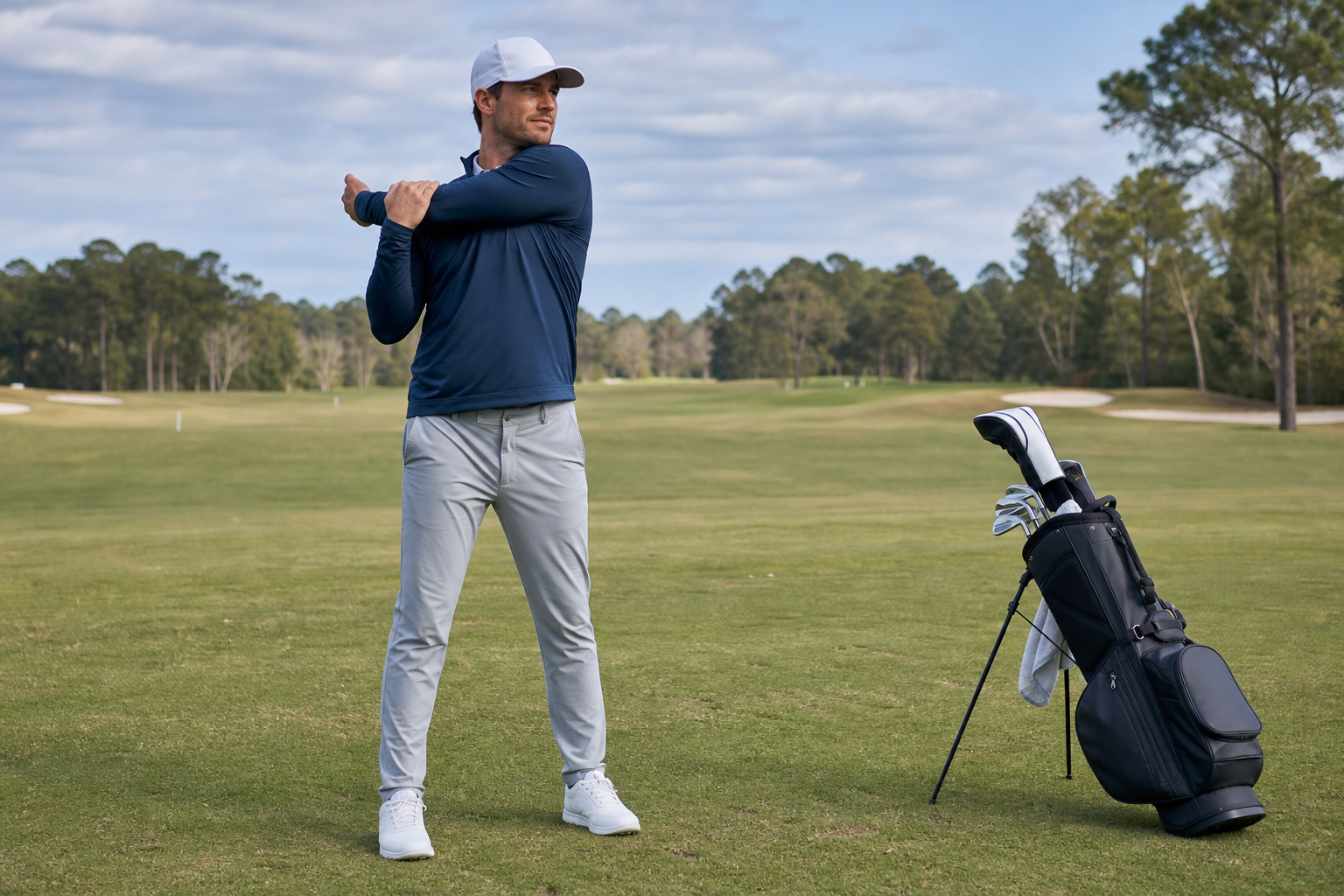
Injury-aware mobility work supports long-term consistency in competitive amateur golf coaching programs.
Frequently Asked Questions About Competitive Amateur Golf Coaching
What is competitive amateur golf coaching?
Competitive amateur golf coaching is specialized instruction for serious players, such as collegiate athletes and scratch golfers, that combines biomechanical swing analysis with tournament-focused strategy. It goes beyond basic lessons to deliver measurable, data-driven improvement.
How is competitive amateur golf coaching different from regular golf lessons?
Regular lessons often focus on general fundamentals, while competitive coaching targets performance under pressure, repeatable mechanics, and injury prevention. Coaches typically use video analysis and kinesiology principles to fine-tune every movement.
Can remote coaching really improve a competitive golfer’s swing?
Yes, remote coaching can produce elite-level results when it includes detailed video review, structured drills, and regular feedback loops. Many competitive amateurs now train primarily online to access specialists unavailable locally.
How much does competitive amateur golf coaching cost?
Pricing varies by coach credentials, session length, and program depth, ranging from single-session reviews to ongoing monthly programs. Elite, PhD-level instruction often costs more but reduces wasted practice time.
How long does it take to see results from online swing coaching?
Most dedicated amateurs notice measurable changes within four to eight weeks of consistent practice and feedback. Deeper sequencing changes can take a full season to feel fully automatic on the course.
What equipment do I need for remote golf coaching?
A smartphone for swing video, a stable internet connection, and access to a range or simulator are usually sufficient. Some programs also recommend a launch monitor for precise ball-flight feedback.
Is online coaching effective for collegiate golfers?
Online coaching is especially effective for collegiate golfers who travel frequently and cannot maintain a consistent local coaching relationship. It allows them to keep working with the same specialist regardless of tournament location.
What credentials should a competitive golf coach have?
Look for LPGA or PGA Master Professional status combined with formal education in biomechanics or kinesiology. This pairing signals both teaching expertise and scientific understanding of movement.
How often should competitive amateurs train with a coach?
Most competitive amateurs benefit from check-ins every one to two weeks, with independent practice in between. Tournament season may require more frequent touchpoints for in-season adjustments.
What’s the biggest mistake competitive amateurs make with their swing?
Many competitive amateurs chase power or distance before establishing a repeatable, efficient motion, which increases injury risk and inconsistency. A kinesiology-based coach typically prioritizes sequencing before adding speed.
Can kinesiology-based coaching prevent golf injuries?
Kinesiology-based coaching can reduce injury risk by identifying movement patterns that place excess stress on the spine, hips, or wrists. Correcting these patterns early is valuable for high-volume competitive players.
How do I prepare for tournament season with a coach?
Tournament preparation typically involves course-specific strategy sessions and swing checkpoints in the weeks leading up to competition. A coach helps balance peak performance with recovery to avoid burnout.
Is competitive amateur golf coaching worth it for aspiring professionals?
For golfers pursuing collegiate scholarships or professional status, competitive amateur golf coaching is often worth the investment because it accelerates technical development. The right coach can shorten the path to consistent low scores.
Final Thoughts
In summary, competitive amateur golf coaching gives serious players the biomechanical insight, structured practice, and tournament strategy that local lessons rarely provide. Because the instruction is delivered remotely, athletes can work with elite, credentialed coaches regardless of where they live or train. Ultimately, choosing a coach who pairs teaching experience with scientific understanding of movement offers the clearest path to lower scores and fewer injuries. To explore a science-backed program built specifically for competitive players, visit yourgolfguru.com and review the available coaching options.