


Customized swing coaching is the process of building a golf instruction plan around one player’s biomechanics, goals, and competitive schedule instead of relying on generic tips that fit no one particularly well. For competitive amateurs, collegiate athletes, and aspiring professionals, this distinction matters because small technical flaws compound under tournament pressure. Rather than guessing at fixes, a data-driven coach analyzes swing mechanics frame by frame and designs a plan that respects each athlete’s physical limits and long-term health. In particular, this article explains what customized swing coaching involves, how it differs from standard lessons, and how to choose a program built on real kinesiology science.
Quick Answer: Customized swing coaching pairs biomechanical video analysis with an individualized practice plan, so a golfer’s specific mechanics, mobility, and competitive goals shape every drill instead of a one-size-fits-all curriculum.
What Is Customized Swing Coaching?
Customized swing coaching is a form of golf instruction that starts with a detailed assessment of a player’s body and swing before any drills are assigned. Unlike a generic lesson, the coach studies clubhead path, joint sequencing, and mobility limits to understand why a particular fault exists rather than simply what it looks like. This distinction is significant because two golfers can share the same visible flaw, such as an early extension, for entirely different physical reasons.
Furthermore, this approach typically draws on biomechanics, the scientific study of movement and force within living bodies, to explain why certain positions create power while others create strain. As a result, the training plan addresses the root cause instead of masking a symptom with a temporary swing thought. Readers who want a deeper technical breakdown of this process can review this complete guide to swing analysis for serious golfers.

Analyzing swing mechanics frame by frame is central to customized swing coaching.
Why Competitive Golfers Need Personalized Swing Instruction
Competitive golfers face a different challenge than recreational players because their margin for error is much smaller. In tournament conditions, a two-degree face angle deviation can turn a fairway hit into a lost stroke. Consequently, personalized swing instruction becomes valuable precisely because it targets the specific inefficiencies that surface under pressure, not just casual practice.
In addition, collegiate players and aspiring professionals often lack access to instructors with advanced sports science training in their local area. A remote, credentialed coach fills that gap. For a closer look at how this specialized guidance compares to local options, see this guide to elite remote swing training. Similarly, a proper baseline assessment, outlined in this golf performance assessment resource, helps confirm which technical areas deserve the most attention before a training plan begins.
The Science Behind Biomechanical Swing Analysis
Biomechanical swing analysis examines how forces travel through the body during the golf swing, from ground reaction through the hips, torso, arms, and finally the clubhead. Specifically, coaches trained in kinesiology, the study of human movement, can identify where this energy transfer breaks down. For example, restricted hip rotation often forces compensatory strain on the lower back, a pattern well documented in sports medicine research published through the National Library of Medicine.
According to biomechanics research on rotational sports, inefficient kinetic sequencing can reduce clubhead speed by a measurable margin while simultaneously increasing joint stress. Therefore, addressing sequencing issues does more than improve distance; it also supports injury prevention over a long competitive career. This is precisely why the curriculum described in this science-backed biomechanical coaching guide pairs technical correction with physical safety.
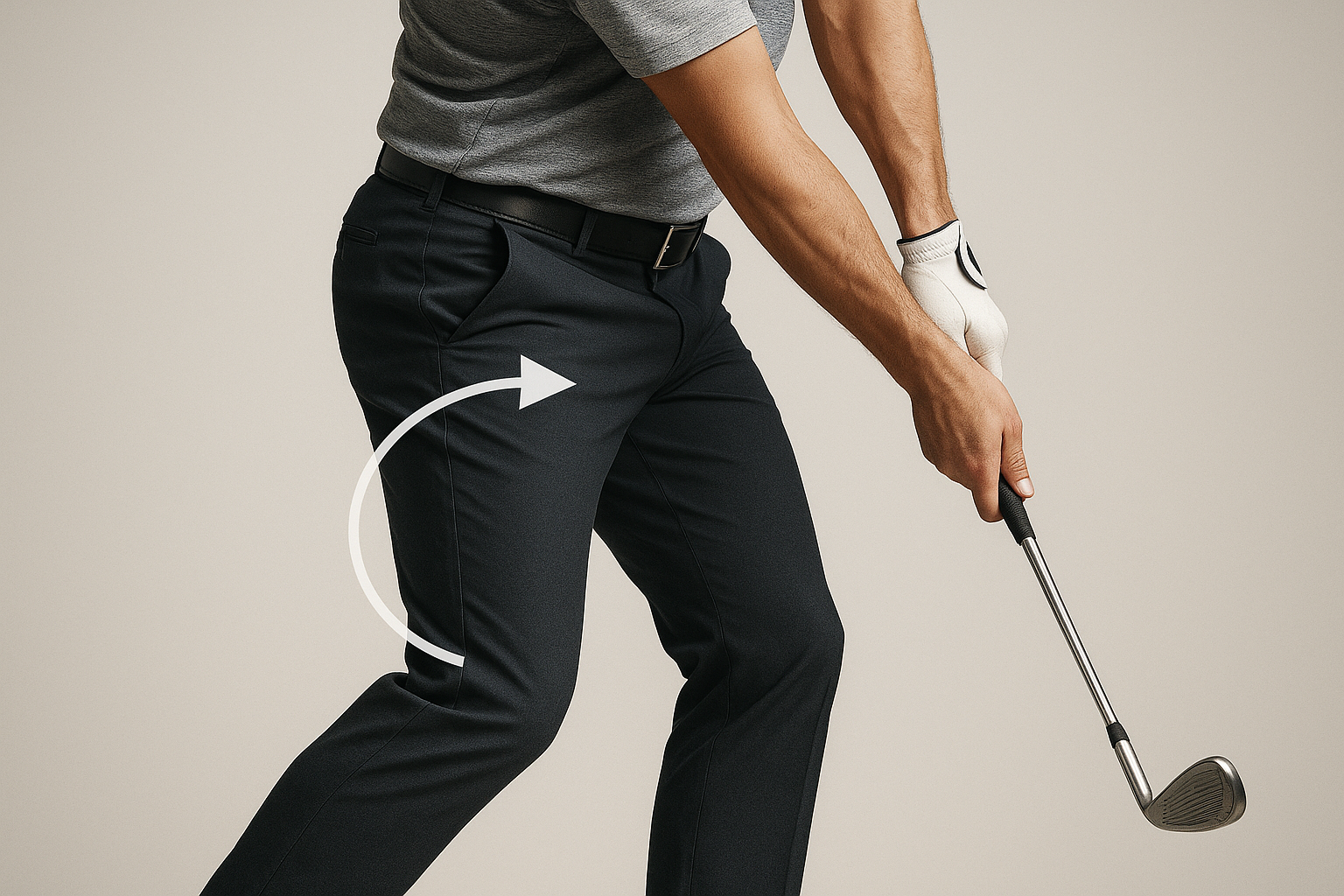
Understanding rotational biomechanics helps coaches build safer, more effective swing plans.
How Online Customized Swing Coaching Works: A Step-by-Step Process
Although remote training might sound less thorough than in-person lessons, a well-structured program follows a clear sequence to ensure nothing is overlooked. Below is the typical process a golfer can expect.
- Complete a movement and swing assessment. The golfer submits baseline video along with a mobility screening so the coach can evaluate current mechanics and physical limitations.
- Receive a biomechanical breakdown. The coach reviews joint angles, sequencing, and force transfer frame by frame to pinpoint the true source of any inconsistency.
- Get a personalized training plan. Drills and practice routines are built specifically around the golfer’s body type, goals, and tournament calendar.
- Practice with structured video feedback. The golfer practices independently, then submits follow-up video so the coach can adjust the plan and catch new compensations early.
- Track measurable progress over time. Metrics such as clubhead speed and shot dispersion are compared across sessions to confirm real, sustainable improvement.
Above all, this cycle repeats continuously, which allows the plan to evolve as the golfer’s swing improves rather than staying static like a one-time lesson.
Customized Swing Coaching vs. Traditional Golf Lessons
Traditional golf lessons often follow a fixed curriculum applied broadly across students of varying skill levels. In contrast, tailored golf instruction is built entirely around one athlete’s data, meaning two students rarely receive identical drills even if their handicaps are similar. This distinction becomes especially important for experienced players, as illustrated in this case study of an experienced senior golfer who needed adjustments specific to age-related mobility changes rather than generic fixes.
Moreover, traditional lessons are frequently limited by geography, since a golfer can only work with instructors available locally. A digital coaching platform such as yourgolfguru.com removes that barrier entirely, connecting athletes with an LPGA Master Professional and kinesiology PhD regardless of where they live or train.
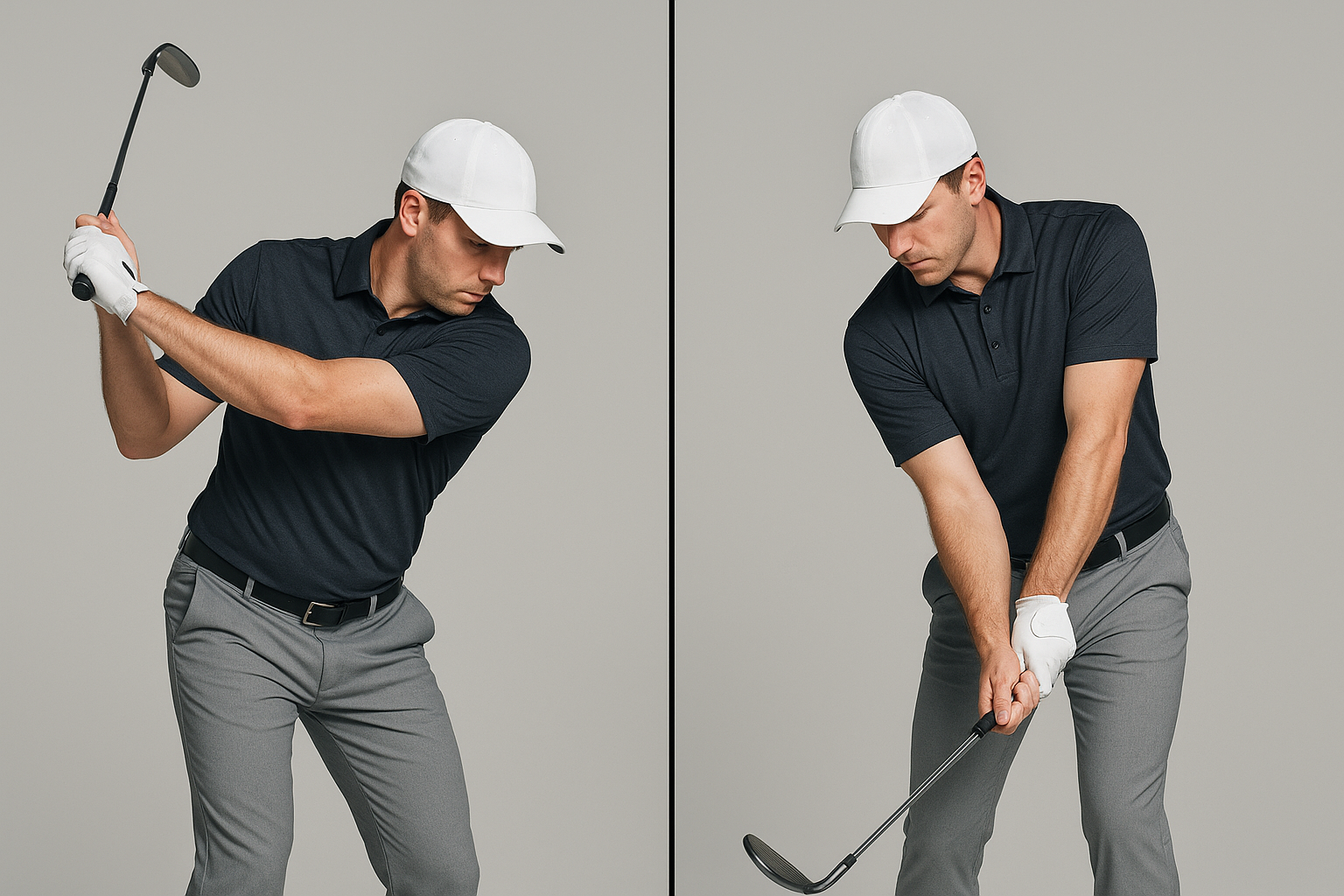
Comparing swing positions side by side highlights how customized swing coaching adapts to each athlete.
How to Choose the Right Tailored Golf Instruction Program
Selecting a coach is one of the most consequential decisions a competitive golfer will make, so it deserves careful evaluation. Specifically, look for verifiable credentials such as PGA or LPGA teaching certification, along with formal training in sports science or kinesiology. These qualifications signal that the coach can combine proven technique with an understanding of human movement, as recognized by organizations like the LPGA.
Additionally, ask how progress is measured. A credible program should track objective data such as swing speed, plane consistency, and shot dispersion rather than relying solely on subjective impressions. Finally, confirm that the coaching model includes ongoing video review, since a single assessment rarely produces lasting change without continued feedback.
Frequently Asked Questions About Customized Swing Coaching
What is customized swing coaching?
Customized swing coaching is a golf instruction approach that builds lesson plans around a specific player’s biomechanics, goals, and competitive schedule instead of using generic drills. It typically relies on video analysis and movement science to target the exact flaws holding a player back.
How does customized swing coaching differ from a standard golf lesson?
Standard lessons often apply the same checklist to every student, while a personalized program starts with a full movement assessment. As a result, the drills, cues, and practice plan are unique to that golfer’s body and swing patterns.
Who benefits most from personalized swing instruction?
Competitive amateurs, collegiate players, and aspiring professionals gain the most because they need small, precise improvements rather than beginner fundamentals. In particular, athletes who have plateaued with local instruction often see renewed progress.
How much does customized swing coaching cost?
Pricing varies widely depending on coach credentials, session length, and whether ongoing video review is included. Elite, PhD-level or LPGA-credentialed coaching typically costs more than local group lessons but often replaces multiple lower-value sessions.
How long does it take to see results from tailored golf instruction?
Many golfers notice measurable changes in ball flight or clubhead speed within four to six weeks of consistent practice. However, deeper mechanical changes involving sequencing or injury-prevention patterns can take several months to fully ingrain.
Can customized swing coaching be done online?
Yes, remote coaching platforms use video submissions, motion analysis, and virtual check-ins to deliver the same depth of feedback as in-person lessons. This removes geographic barriers so golfers can train with elite-level coaches from anywhere.
What role does kinesiology play in golf swing analysis?
Kinesiology, the scientific study of human movement, helps coaches understand joint mechanics, force production, and injury risk within the swing. Coaches trained in this field can identify inefficient movement patterns that generic instruction often misses.
What common mistakes do golfers make without personalized coaching?
Golfers without personalized guidance often chase generic swing tips that do not fit their body type or mobility limits. This frequently leads to compensations that reduce consistency or increase injury risk over time.
How often should I train with a customized swing coach?
Most competitive players benefit from a structured check-in every one to two weeks paired with independent practice in between. Consistency matters more than session frequency alone.
Is customized swing coaching worth it for competitive amateurs?
For golfers competing at a serious level, targeted coaching often produces faster, safer gains than trial-and-error practice. Therefore, many collegiate and competitive amateur players view it as a worthwhile long-term investment.
What equipment do I need for remote swing coaching sessions?
A smartphone or camera capable of recording slow-motion video, a tripod, and a reliable internet connection are usually sufficient. Some programs also recommend a launch monitor for additional data, though it is not always required.
How do coaches measure progress in a personalized swing program?
Coaches typically track measurable markers such as clubhead speed, swing plane consistency, and shot dispersion over time. Comparing video footage from different training phases also helps visualize mechanical improvement.
What credentials should a swing coach have?
Look for recognized certifications such as PGA or LPGA teaching credentials, along with any formal education in kinesiology or sports science. These qualifications indicate the coach can combine proven teaching methods with movement science.
In summary, customized swing coaching gives competitive golfers a science-backed alternative to generic instruction by combining biomechanical analysis with a training plan built around their unique body and goals. Because the process addresses root causes rather than surface symptoms, it tends to produce faster, safer, and more lasting improvements than one-size-fits-all lessons. For serious golfers ready to move beyond guesswork, working with a credentialed, kinesiology-trained coach through a platform like yourgolfguru.com offers a practical path toward consistent, high-level performance.