


Advanced golf swing speed training is the structured, science-based process competitive golfers use to generate faster clubhead speed without sacrificing accuracy or safety. Unlike casual range work, this type of training combines strength development, overspeed drills, and biomechanical feedback to push performance past what natural practice alone can achieve. For golfers chasing lower scores and longer drives, understanding how to train speed correctly matters more than simply swinging harder.
Direct Answer: Advanced golf swing speed training uses overspeed protocols, rotational strength work, and biomechanical analysis to safely increase clubhead speed, typically producing measurable gains within six to eight weeks when applied consistently.

Advanced golf swing speed training combines mechanics and power to generate faster, more controlled clubhead speed.
What Is Advanced Golf Swing Speed Training?
Advanced golf swing speed training refers to a deliberate, progressive approach that increases clubhead velocity through targeted drills, overspeed stimulus, and strength conditioning. It differs from standard practice because every element is measured and adjusted based on data rather than guesswork. Coaches typically start by establishing a baseline using a swing speed radar, as referenced on yourgolfguru.com, then build a plan around specific weaknesses in the kinetic chain, the sequence of body segments that transfer energy into the club.
In addition, this training style borrows heavily from sports science. Concepts drawn from kinesiology, the study of human movement, help identify exactly where energy leaks occur in a swing. As a result, programs become far more efficient than generic “swing harder” advice.
Why Swing Speed Training Matters for Competitive Golfers
Competitive golfers face a simple reality: distance creates options. A faster swing means shorter approach shots, which in turn improves scoring odds on tight courses. However, speed without control is a liability, which is why advanced programs always pair velocity work with accuracy checks.
Collegiate and aspiring professional players, in particular, often hit a plateau using only traditional lessons. Therefore, many turn to programs like the ones outlined in intensive, science-backed training paths that treat speed as a trainable skill rather than a fixed trait. Similarly, understanding clubhead speed mechanics, detailed on Wikipedia’s clubhead speed overview, gives golfers a clearer picture of what they are actually training.

Lightweight training clubs are a core tool in overspeed-based swing speed training.
The Science Behind Faster Swing Speeds
Faster swings come from efficient sequencing, not brute force alone. Specifically, the hips, torso, arms, and club must fire in a precise order, each segment transferring energy to the next like links in a whip. When this sequence breaks down, speed is lost even if the golfer is strong.
Research into overspeed training protocols, drawn from sports science literature, indicates that golfers can gain roughly three to five percent in clubhead speed within six to eight weeks of consistent training. This statistic matters because it sets realistic expectations rather than promising overnight transformation. Above all, consistency and proper progression determine whether those gains actually stick.
Step-by-Step Process to Build Elite Swing Speed
Building speed safely requires a sequence, not a shortcut. The following steps outline a typical progression used in advanced programs.
- Assess baseline speed and mobility. Measure current clubhead speed and screen joint mobility to pinpoint specific limitations before training begins.
- Build rotational power. Add hip, core, and shoulder exercises that develop the rotational force needed for faster, safer swings.
- Apply overspeed training protocols. Use lighter clubs in short sessions to train the nervous system to tolerate higher speeds.
- Refine sequencing with drills. Practice drills that reinforce correct kinematic sequencing so speed transfers into a controlled swing.
- Monitor progress and adjust. Track speed weekly and adjust training load based on measurable results and recovery status.
For a deeper breakdown of safe progression, see this guide on increasing golf swing speed safely.
Advanced Drills for Golf Swing Speed Gains
Drill selection separates average programs from elite ones. For example, resisted downswing drills using bands teach golfers to accelerate through impact rather than slowing down early. In contrast, underweighted club drills train faster backswing-to-downswing transitions without overloading the joints.
Furthermore, step-change drills, where a golfer shifts weight explosively before contact, mimic the ground reaction forces elite players use naturally. Many of these techniques are detailed further in a collection of elite swing drills built for power and accuracy. Practicing these consistently, rather than sporadically, is what produces lasting speed gains.
Avoiding Injury While Training for Golf Swing Speed
Speed training places real stress on the spine, wrists, and shoulders. Consequently, programs that skip a mobility or strength assessment increase the risk of overuse injuries, especially in golfers already managing minor physical limitations.
A kinesiology-informed approach reduces this risk by matching training intensity to a golfer’s actual physical capacity rather than a generic template. In addition, integrating fitness work alongside swing training, as outlined in this guide on combining fitness with a swing training plan, helps build the durability needed to sustain higher speeds long-term.
How Remote Coaching Enhances Speed Training Results
Remote coaching has changed how competitive golfers access elite instruction. Specifically, video-based feedback loops allow a coach to review mechanics frame by frame, something that is often difficult to replicate with purely in-person lessons.
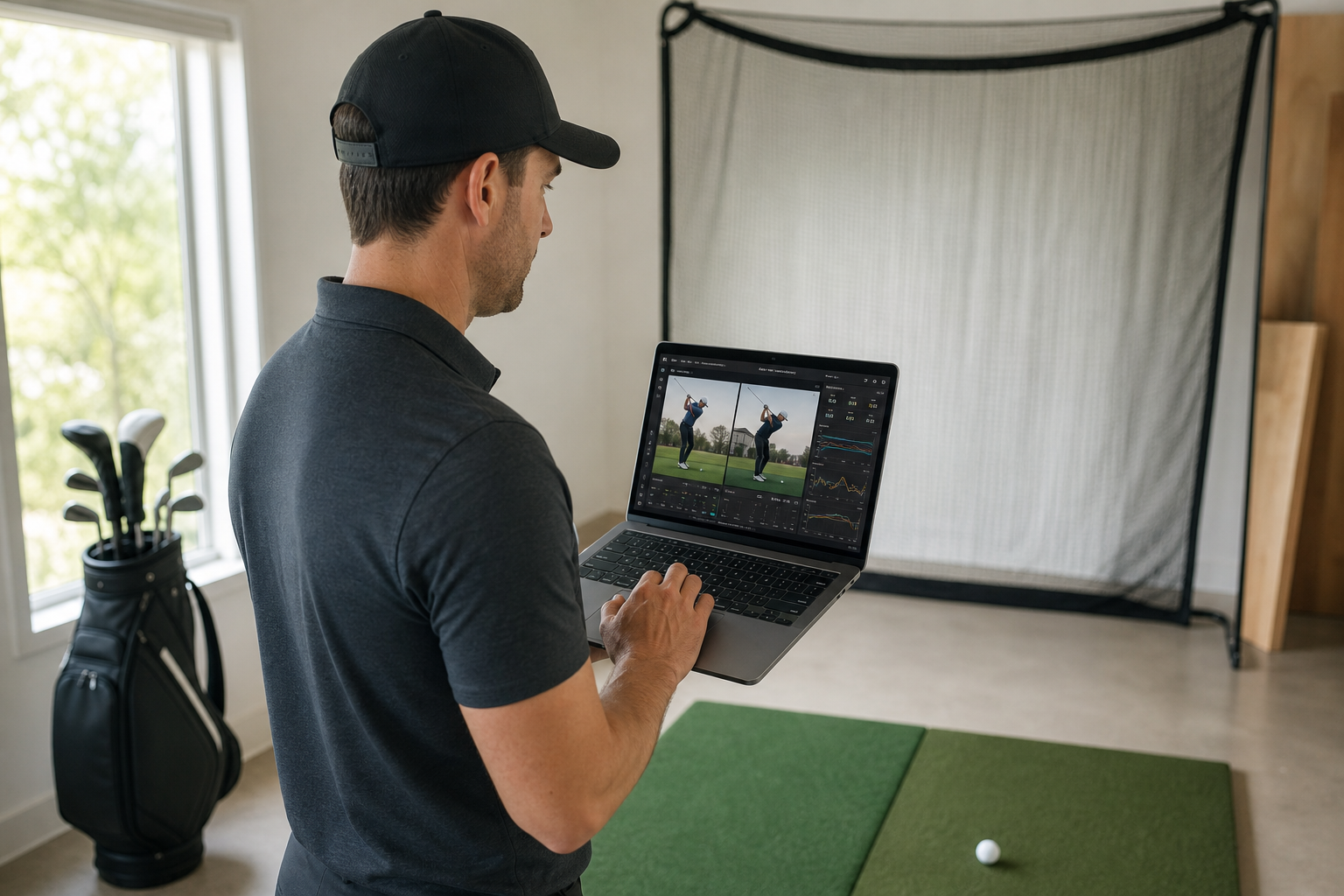
Feedback-driven remote coaching lets golfers refine swing speed training from anywhere.
This feedback-driven model, explored further in an article on feedback-driven remote golf coaching, removes the geographic barriers that once limited access to high-level instruction. As a result, golfers in smaller markets can now train with the same level of expertise available in major golf hubs.
Common Mistakes in Swing Speed Training Programs
Many golfers rush the process. For instance, jumping straight into heavy overspeed work without a strength foundation often leads to inconsistent contact rather than faster, controlled speed. Similarly, neglecting recovery between high-intensity sessions can stall progress entirely.
Another frequent error is training speed in isolation from the actual swing pattern. Therefore, the best programs always connect speed gains back to on-course performance, not just radar numbers on a screen.
A Quick Comparison of Training Approaches
| Approach | Primary Focus | Best For |
|---|---|---|
| General Range Practice | Repetition and feel | Beginners and casual players |
| Overspeed Training | Nervous system adaptation | Competitive golfers seeking speed |
| Advanced Golf Swing Speed Training | Sequencing, strength, biomechanics | Elite amateurs and aspiring pros |
Frequently Asked Questions
What is advanced golf swing speed training?
Advanced golf swing speed training is a structured program of drills, overspeed protocols, and strength work designed to increase clubhead speed beyond what general practice achieves. It targets rotational power, sequencing, and mobility specific to the golf swing.
How long does it take to see results from advanced golf swing speed training?
Most golfers notice measurable clubhead speed gains within six to eight weeks of consistent training. Results vary based on baseline fitness, training frequency, and how well the program is individualized.
Why do competitive golfers need advanced swing speed training?
Competitive golfers need advanced swing speed training because extra clubhead speed directly translates into longer drives and shorter approach shots. In tournament settings, even small speed gains can create a meaningful scoring advantage.
What is the difference between swing speed training and general strength training?
General strength training builds overall muscle and stability, while swing speed training specifically targets the rotational sequencing, timing, and overspeed stimulus that golf swings require. Speed training also incorporates sport-specific drills rather than generic lifts alone.
How much can advanced golf swing speed training increase clubhead speed?
Research into overspeed training protocols suggests golfers can gain approximately three to five percent in clubhead speed within six to eight weeks of consistent work. Individual results depend on training adherence and starting fitness level.
What equipment is used in advanced swing speed training?
Common equipment includes weighted and underweighted training clubs, resistance bands, and swing speed radars for measurement. Some programs also use stability trainers to reinforce proper sequencing.
Can swing speed training cause injury?
Swing speed training can increase injury risk if progression is too fast or form breaks down under added speed demands. A kinesiology-informed program reduces this risk by monitoring mechanics and building capacity gradually.
What is overspeed training in golf?
Overspeed training in golf uses lighter-than-standard clubs to let the body swing faster than normal, training the nervous system to accept and control higher speeds. Over time, this translated speed carries over to a standard-weight driver.
How does kinesiology improve swing speed training results?
Kinesiology, the scientific study of human movement, helps identify inefficiencies in a golfer’s kinetic chain that limit speed. Applying this science allows coaches to correct specific movement patterns instead of relying on generic drills.
What are common mistakes golfers make during speed training?
Common mistakes include skipping a mobility assessment, increasing training load too quickly, and neglecting recovery between high-intensity sessions. These errors often stall progress or lead to overuse injuries.
How much does advanced golf swing speed training typically cost?
Costs vary widely, from self-guided programs costing under one hundred dollars to personalized remote coaching packages priced based on session frequency and analysis depth. Programs combining biomechanical assessment with ongoing feedback generally cost more than generic training kits.
Is remote coaching effective for advanced golf swing speed training?
Remote coaching can be highly effective when it includes video analysis, measurable benchmarks, and regular feedback loops. It allows golfers to access elite-level, science-based instruction without needing to travel to a specialized facility.
Final Thoughts on Training for Swing Speed
In summary, advanced golf swing speed training works best when it combines measurable data, progressive overload, and sound biomechanics rather than raw effort alone. Golfers who respect the process, starting with an honest assessment and building through overspeed and strength work, tend to see the safest and most lasting gains. Above all, pairing this training with expert feedback, whether in person or through a remote platform like yourgolfguru.com, helps ensure that every added mile per hour of clubhead speed translates into better scores rather than new injuries. For competitive players serious about long-term performance, advanced golf swing speed training remains one of the most effective investments available today.