

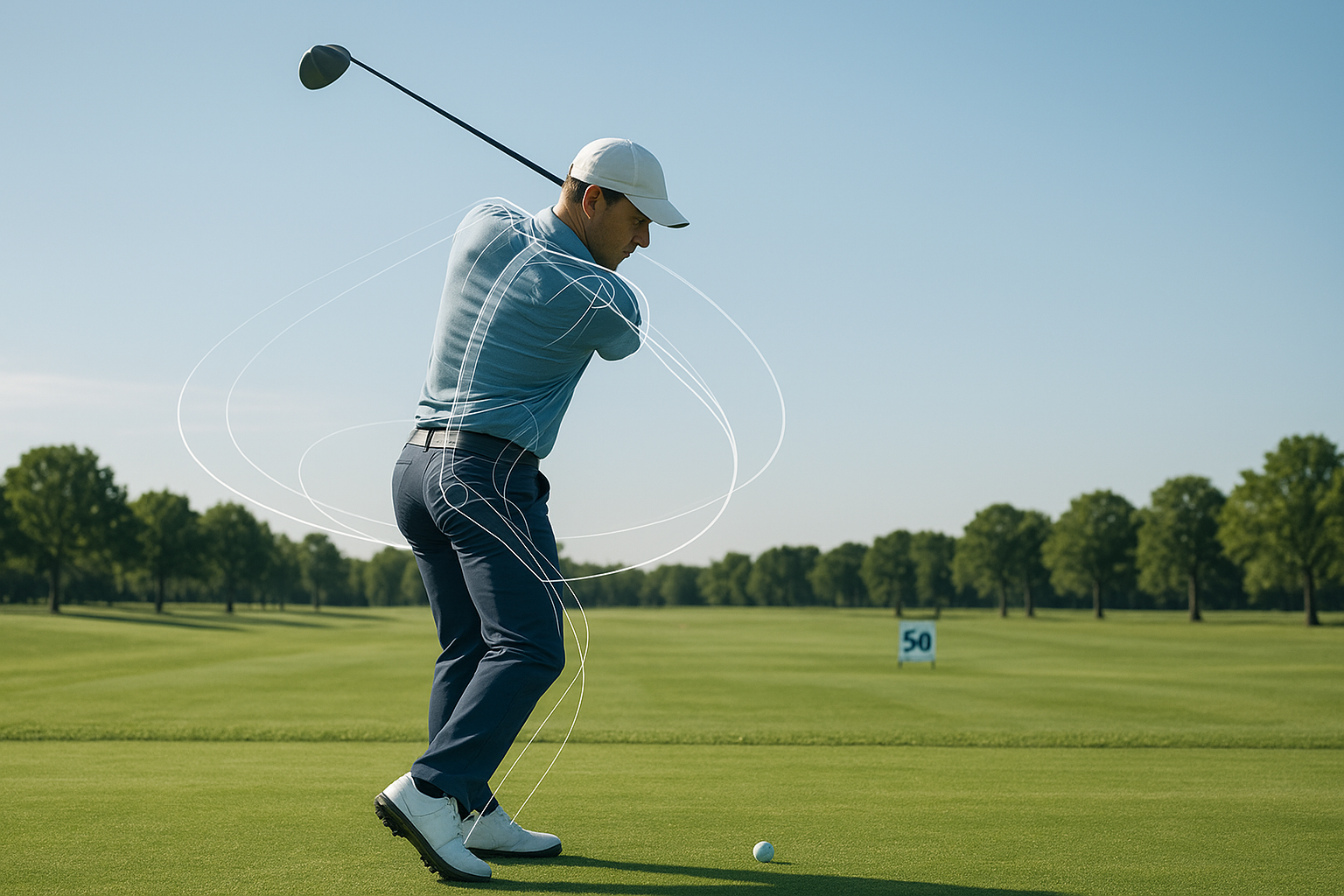
How to use science in golf instruction starts with understanding that every swing is governed by measurable physics and human movement patterns, not guesswork. Golfers who want lasting improvement increasingly turn to coaches who combine biomechanics, motion analysis, and kinesiology — the study of how the body moves — to diagnose swing faults and build repeatable, powerful mechanics. Because this approach relies on data rather than opinion, it tends to produce faster, safer results than traditional trial-and-error coaching. In this guide, we will break down exactly how to use science in golf instruction, step by step, so you can train the way today’s top competitive and collegiate players do.
Quick answer: To use science in golf instruction, apply biomechanical analysis, video or sensor-based data, and kinesiology-informed coaching cues to identify inefficient movement patterns, then correct them with drills matched to your body’s mechanics. This measurable approach improves clubhead speed, accuracy, and consistency while reducing injury risk compared with purely feel-based coaching.
What Is Science-Based Golf Instruction?
Science-based golf instruction is the process of using biomechanics, kinesiology, and performance data to evaluate and improve a golfer’s swing instead of relying solely on visual cues or generic drills. Biomechanics, in plain terms, is the study of how forces and movement interact in the body — essentially the physics of your swing. Kinesiology, similarly, examines how muscles, joints, and nervous system signals combine to produce motion, which helps explain why two golfers with different body types need different swing adjustments.
Consequently, a coach trained in these fields does not just tell you what your swing looks like; they measure what it is actually doing. For example, a PhD-level kinesiologist can quantify hip-shoulder separation, ground reaction forces, and clubhead speed sequencing, then translate those numbers into specific, correctable cues. This is the model behind science-backed swing moves taught by instructors who blend elite teaching credentials with formal movement science training.
In addition, this method matters because golf injuries are common among players who repeat inefficient mechanics thousands of times per season. According to research referenced on PubMed’s golf biomechanics studies, repetitive strain from poor swing sequencing is a leading contributor to lower back and wrist complaints in competitive golfers. Therefore, addressing mechanics scientifically is not just about performance; it is also about protecting your long-term ability to play.
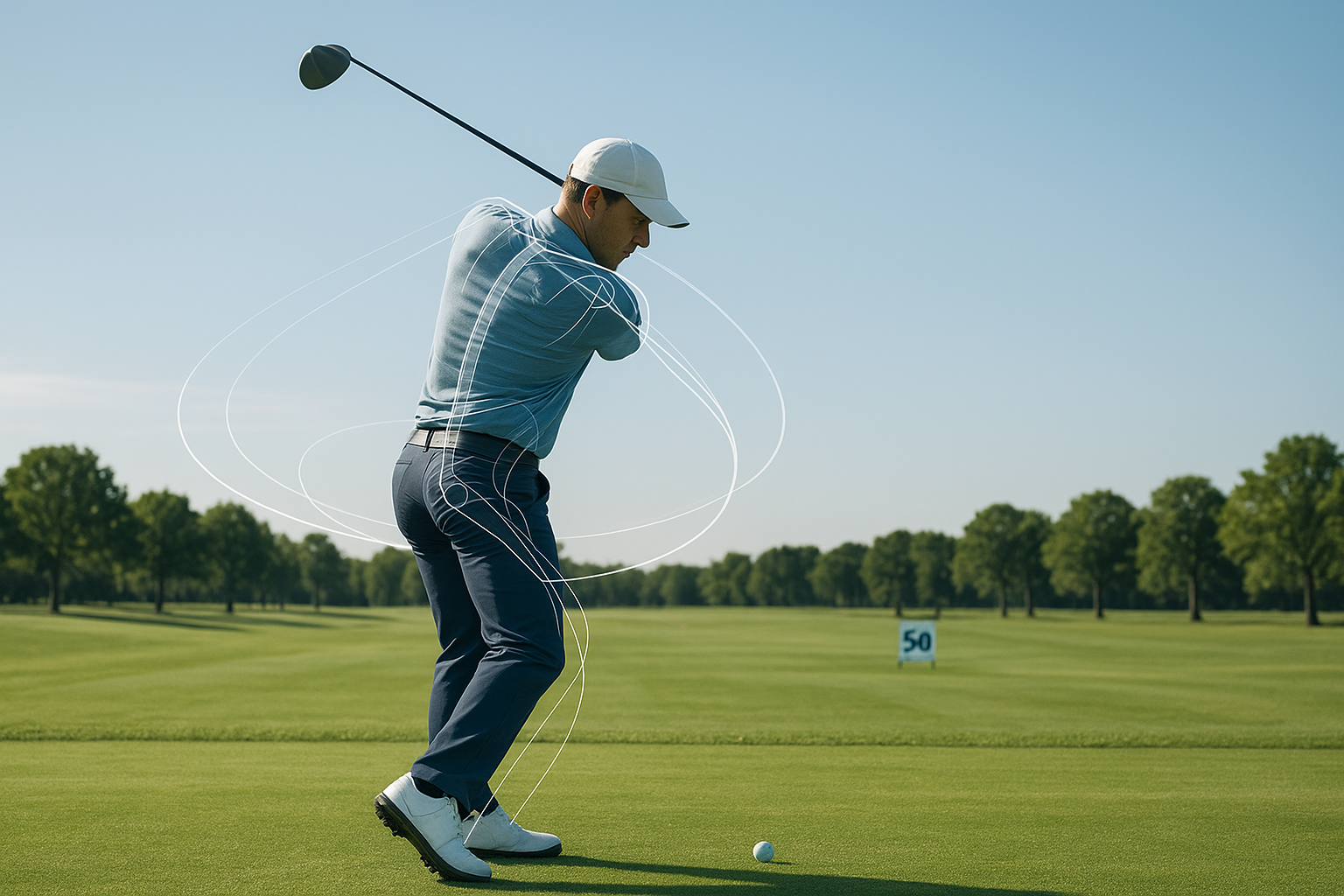
Biomechanical overlays like this help coaches show golfers how to use science in golf instruction to spot inefficiencies invisible to the naked eye.
How to Use Science in Golf Instruction: 5 Practical Steps
Above all, applying science to your game does not require a lab. It requires a clear, repeatable process. Below is the five-step framework coaches use to turn raw swing data into real improvement.
- Get a biomechanical swing assessment. Begin with a professional motion analysis or video-based swing assessment that measures joint angles, sequencing, and clubhead speed to establish your baseline mechanics.
- Identify movement inefficiencies. Compare your swing data against efficient biomechanical models to pinpoint energy leaks, such as early extension or poor hip-shoulder separation, that limit power and accuracy.
- Build a kinesiology-based training plan. Work with a coach who understands human movement science to design drills that retrain faulty patterns while respecting your body’s natural mobility and limitations.
- Track progress with objective metrics. Use launch monitors, motion sensors, or video overlays to measure clubhead speed, swing path, and consistency over time instead of relying on feel alone.
- Adjust training based on data trends. Review your metrics regularly with your coach and refine drills as patterns improve, ensuring the plan evolves alongside your swing.
For a structured example of this process, the tailored, science-based swing plans built around individual assessment data follow this exact framework from intake through retesting.
The Role of Biomechanics in Modern Swing Mechanics
Biomechanics, as defined by Wikipedia’s overview of the field, is the study of mechanical laws relating to the movement of living organisms. In golf, this translates into analyzing how ground force, rotational sequencing, and lever arms combine to generate clubhead speed. Specifically, elite players tend to sequence their downswing from the ground up, transferring energy through the hips, torso, arms, and finally the club.
In contrast, amateur golfers often rush this sequence, firing the arms and shoulders too early, which reduces power and increases strain on the spine. As a result, biomechanical screening can reveal these timing errors in ways that are nearly impossible to see with the naked eye during a live lesson. Furthermore, a study referenced in sports science literature found that golfers who corrected sequencing errors through targeted feedback improved clubhead speed measurably within a single training block, underscoring why objective measurement outperforms guesswork alone.
Similarly, understanding joint loading helps coaches protect long-term health. For instance, excessive lateral bending in the lumbar spine during the downswing is a well-documented contributor to back pain among competitive golfers. Therefore, biomechanics is not just a tool for speed; it is also a safeguard for longevity in the sport.
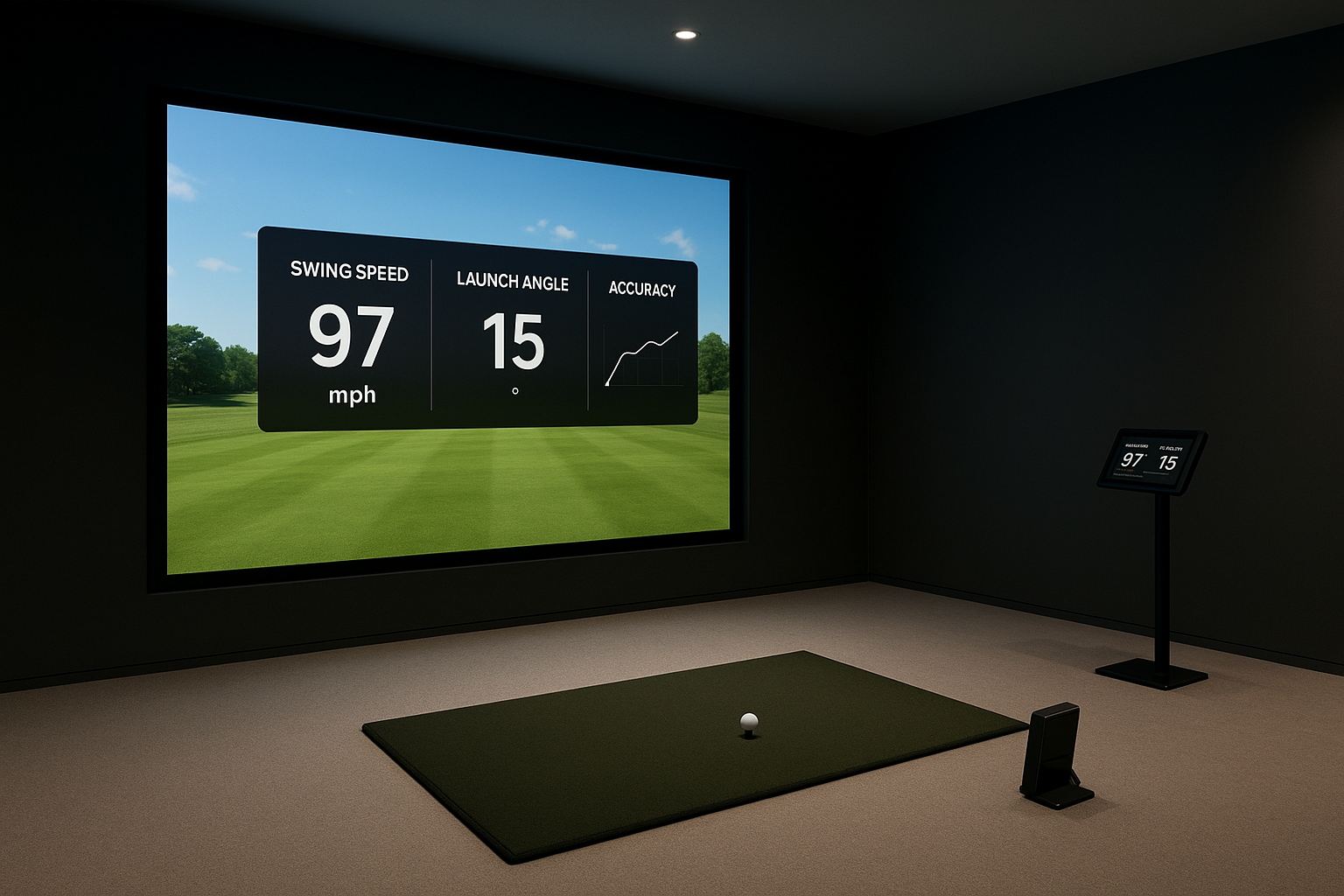
Launch monitor data turns subjective feel into objective numbers coaches can track session after session.
Data-Driven Coaching vs. Traditional Golf Lessons
Traditional golf lessons typically rely on a coach’s trained eye, verbal feedback, and repetition until the swing “looks right.” While experienced instructors can be highly effective this way, the method still depends on subjective interpretation. Data-driven coaching, on the other hand, pairs that same expertise with measurable inputs, such as clubhead speed, face angle at impact, and joint rotation timing.
As a result, data-driven coaching tends to shorten the feedback loop. Instead of waiting weeks to see if a change “feels” better, golfers can see within a single session whether a cue improved their numbers. Moreover, this approach is particularly valuable for remote coaching, since video and sensor data travel easily, which is why programs like the elite online swing coaching platform can deliver advanced, data-backed instruction to golfers regardless of their location.
Nevertheless, data alone is not enough. A number without context can mislead a golfer into chasing the wrong fix. Consequently, the real value comes from a coach who can interpret biomechanical data correctly and translate it into drills suited to that individual’s body and goals.
Why Kinesiology-Based Coaching Protects Against Injury
Kinesiology, as described on Wikipedia’s kinesiology overview, is the scientific study of human movement, including how muscles, joints, and the nervous system coordinate to produce motion. Applied to golf, this means a kinesiology-trained coach does not just ask “does this swing look good?” They ask “is this movement pattern sustainable for this golfer’s body over thousands of repetitions?”
For instance, a golfer with limited hip mobility who is coached to rotate like a player with elite flexibility may compensate through the lower back, creating long-term injury risk. In particular, this is where blending elite teaching credentials with kinesiology training becomes valuable, since the coach can design swing changes that respect each athlete’s physical limits rather than forcing a one-size-fits-all model.
Likewise, this safety-first, science-based philosophy is central to comprehensive programs such as the golf performance optimization guide, which pairs technical improvement with injury-conscious movement planning. You can review the full methodology at yourgolfguru.com for a closer look at how assessment, coaching, and progress tracking fit together.
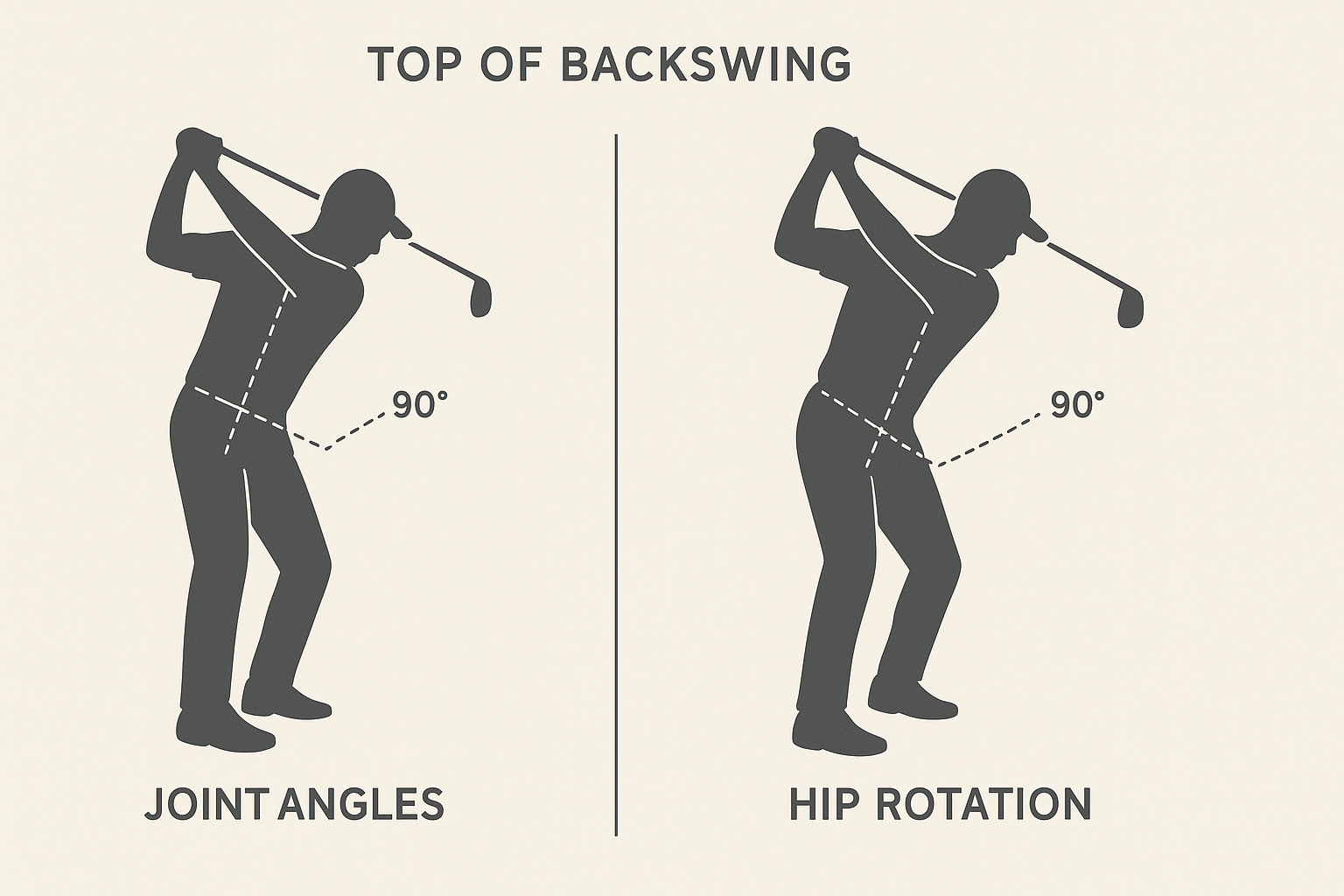
Comparing joint angles side by side shows coaches exactly where a swing deviates from an efficient, lower-injury-risk pattern.
Picking a Qualified Golf Coach for Science-Based Training
When evaluating a coach, look beyond marketing claims and check for real credentials in both golf and movement science. Specifically, a coach holding an LPGA Master Professional certification combined with a PhD in kinesiology brings a rare blend of elite teaching experience and formal biomechanical education, which matters for serious and competitive players.
Furthermore, ask how the coach measures progress. A qualified science-based coach should be able to explain, in plain language, what metrics they track and why those numbers matter for your specific swing goals. This is especially important for collegiate players and aspiring professionals, who often need guidance that goes beyond what a typical local instructor can offer, such as the structured support outlined in this guide to coaching for aspiring golf professionals.
Finally, consider whether remote coaching fits your schedule and location. Because digital platforms remove geographic barriers, golfers anywhere can now access science-based instruction that was once limited to those near major training facilities.
Frequently Asked Questions About How to Use Science in Golf Instruction
What does it mean to use science in golf instruction?
Using science in golf instruction means applying biomechanics, kinesiology, and measurable performance data to diagnose swing faults and build training plans, rather than relying only on visual feel or generic drills.
How to use science in golf instruction if I only have access to online coaching?
You can use science in golf instruction remotely by submitting swing video for biomechanical review, using affordable sensors or launch monitors at home, and following a data-driven plan from a qualified online coach.
Why is biomechanics important in golf coaching?
Biomechanics explains how joints, muscles, and movement sequencing generate clubhead speed and control, which helps coaches correct inefficient patterns safely instead of guessing based on appearance alone.
How is science-based coaching different from traditional golf lessons?
Traditional lessons often rely on a coach’s visual impression, while science-based coaching uses objective measurements like swing speed, joint angles, and consistency data to guide every adjustment.
Does science-based golf instruction cost more than regular lessons?
Pricing varies by provider, but many science-based programs are comparable to premium in-person lessons once travel time and facility fees are factored out, especially with remote coaching.
How long does it take to see results from data-driven golf coaching?
Many golfers notice measurable changes in swing metrics within four to eight weeks of consistent, data-driven practice, though full mechanical changes often take a full season to feel automatic.
What is kinesiology and why does it matter for golfers?
Kinesiology is the scientific study of human movement, and it matters for golfers because it explains how mobility, strength, and sequencing limitations affect swing efficiency and injury risk.
Can science-based golf instruction help prevent injuries?
Yes, biomechanical screening can identify movement patterns, such as early extension or excessive spinal loading, that commonly lead to back and wrist injuries, allowing coaches to correct them before they cause harm.
What equipment is needed for science-based swing analysis?
Basic analysis only requires a smartphone camera for video, while more advanced programs use launch monitors, motion sensors, or 3D capture systems to track clubhead speed, path, and body sequencing.
What common mistakes do golfers make when trying data-driven coaching?
A common mistake is collecting data without a coach trained to interpret it, which can lead to misreading metrics or chasing numbers that do not address the real cause of inconsistency.
Is science-based instruction suitable for beginners or only advanced players?
While it is especially valuable for competitive and collegiate players refining advanced mechanics, beginners can also benefit because correcting fundamentals early with objective feedback prevents bad habits from forming.
How do I choose a qualified science-based golf coach?
Look for credentials such as LPGA or PGA certification combined with formal education in kinesiology or sports science, along with a clear process for measuring and tracking your progress over time.
Ultimately, learning how to use science in golf instruction comes down to replacing guesswork with measurement. By combining biomechanics, kinesiology, and objective data tracking, golfers can identify the real cause of inconsistency, build safer and more powerful mechanics, and train with the same methods used by elite competitive and collegiate players. Whether you work with a local coach or an online, science-based program, the key is consistent measurement, expert interpretation, and a training plan built around your body rather than a generic template.