

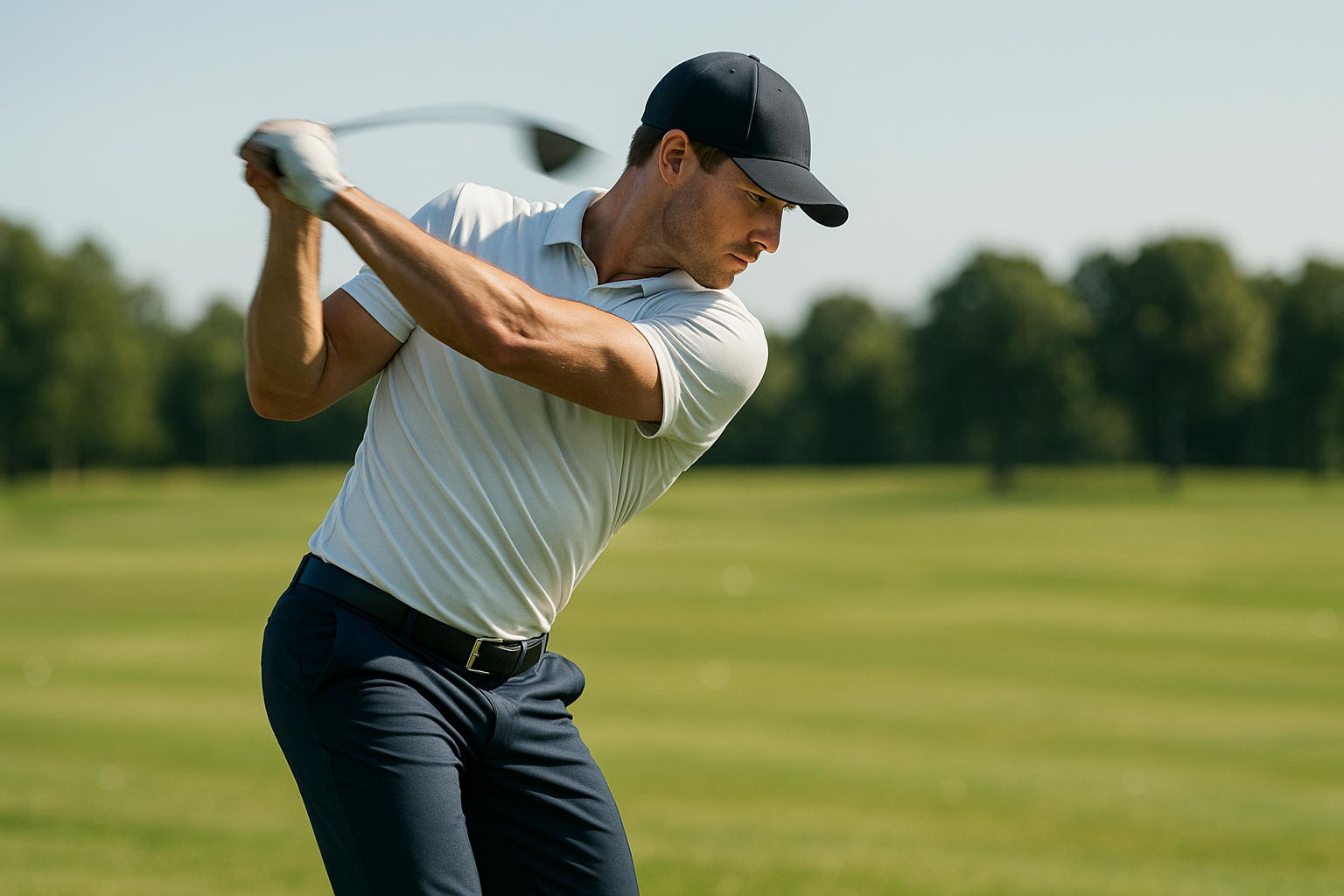
How to train golf swing for power and control is one of the most common questions competitive golfers ask once their ball speed stalls or their accuracy slips under pressure. Many players chase swing speed only to watch their shot dispersion widen. Others guard their accuracy so carefully that they leave clubhead speed on the table. However, power and control are not competing goals. They share the same biomechanical foundation, so with the right sequencing, strength work, and feedback, golfers can build both at once.
In short, how to train golf swing for power and control is best understood as a layered process: build the physical capacity for force, teach the body to sequence that force correctly, then reinforce accuracy until it holds up under fatigue. In particular, this is why elite coaching programs, including kinesiology-based platforms like yourgolfguru.com, treat speed and precision as one connected skill rather than two separate projects.
What Is Power and Control Training in the Golf Swing?
Power and control training in the golf swing is the structured practice of building clubhead speed through proper sequencing and ground force, while simultaneously reinforcing consistent contact and face control. It is not simply swinging harder. Instead, it is swinging smarter so that force transfers efficiently into the ball.
For example, a golfer who adds 10 mph of clubhead speed without improving sequencing often sees wider shot dispersion. In contrast, a golfer who trains sequencing alongside strength tends to keep the ball on target even as speed climbs. As a result, serious players increasingly train both qualities in the same program rather than treating them as separate goals.
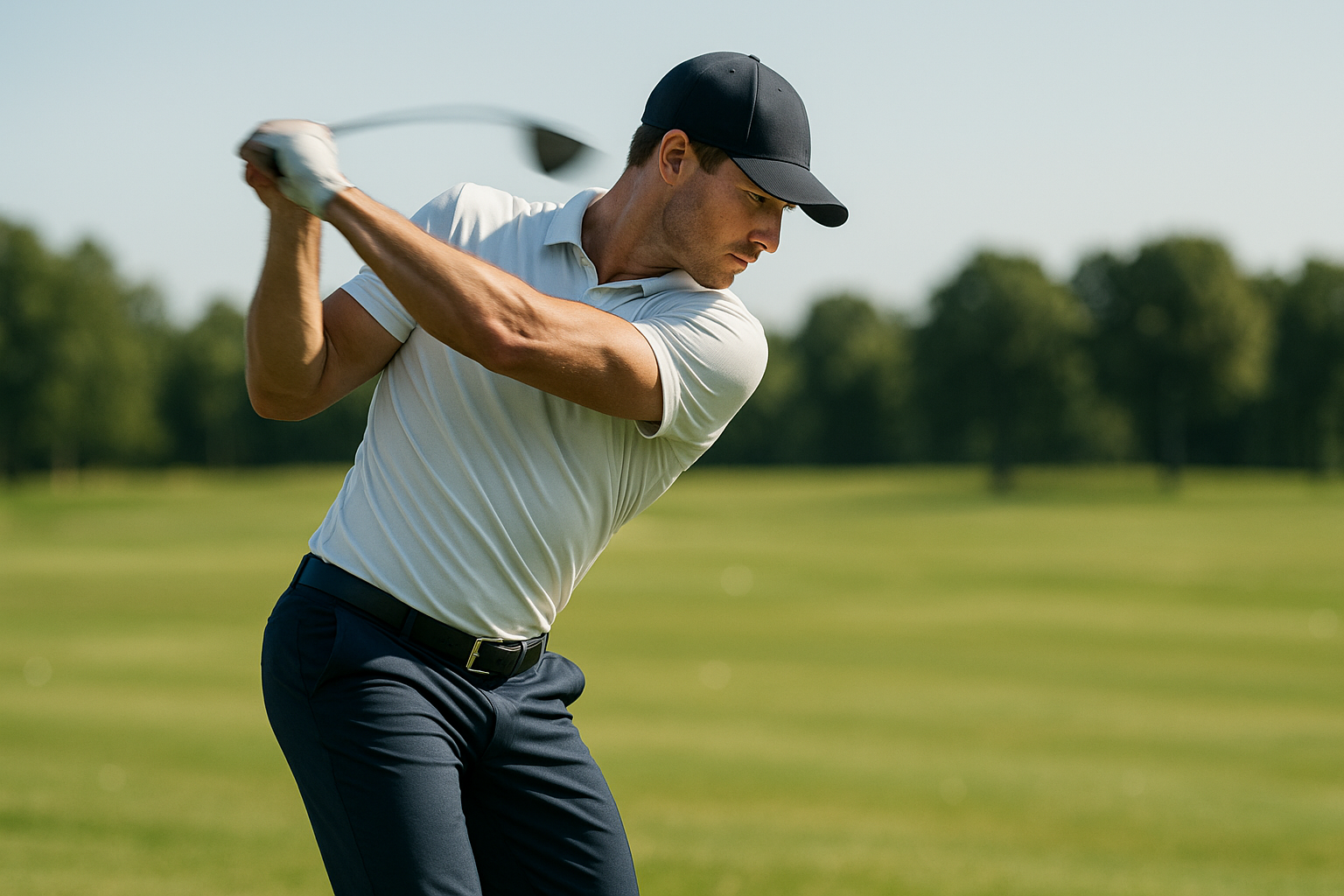
Proper sequencing is central to learning how to train golf swing for power and control safely.
How to Train Golf Swing for Power and Control: A Science-Based Framework
Most instruction programs focus heavily on one pillar at the expense of another. However, a science-based framework for how to train golf swing for power and control typically rests on three connected pillars: strength, sequencing, and feedback. Specifically, strength builds the raw force capacity, sequencing converts that force into clubhead speed, and feedback keeps the whole motion accurate under real swing speeds.
This structured approach is exactly what a detailed science-based performance optimization guide walks through in more depth, and it mirrors the biomechanical analysis used in advanced swing dynamics coaching for elite players. Consequently, golfers who follow this order tend to avoid the plateau that comes from chasing speed alone.
Building Rotational Power Through Kinetic Chain Sequencing
The kinetic chain describes how force travels through connected body segments, from the ground through the legs, hips, torso, arms, and finally into the clubhead. In golf, this sequence matters more than raw muscle. Therefore, a golfer with modest strength but excellent sequencing can often out-drive a stronger player with poor timing.
To illustrate the stakes, PGA Tour professionals average roughly 113 mph of clubhead speed, while recreational golfers typically average closer to 93 mph, based on launch monitor data widely tracked by performance researchers. That gap is rarely pure strength. Above all, it reflects superior sequencing and ground force use. Golfers looking to close that gap should review proven strategies competitive golfers use to improve quickly, since sequencing drills tend to produce faster results than generic gym work alone.
Mastering Swing Control With Biomechanical Feedback
Control is harder to measure than speed, which is why it often gets less attention. Nevertheless, control is what keeps added power from becoming added inconsistency. Biomechanical feedback, such as slow-motion video or 3D motion capture, helps golfers see exactly where the club face and path drift under speed.
Injury risk also rises when control breaks down, since the body often compensates with awkward joint angles to recover a mis-timed swing. According to general injury surveillance data published by public health researchers, overuse injuries account for a substantial share of golf-related injuries among frequent players, which underscores why safe mechanics matter as much as speed. For a deeper look at reducing that risk while still training hard, see this guide on injury prevention coaching built to protect your swing.
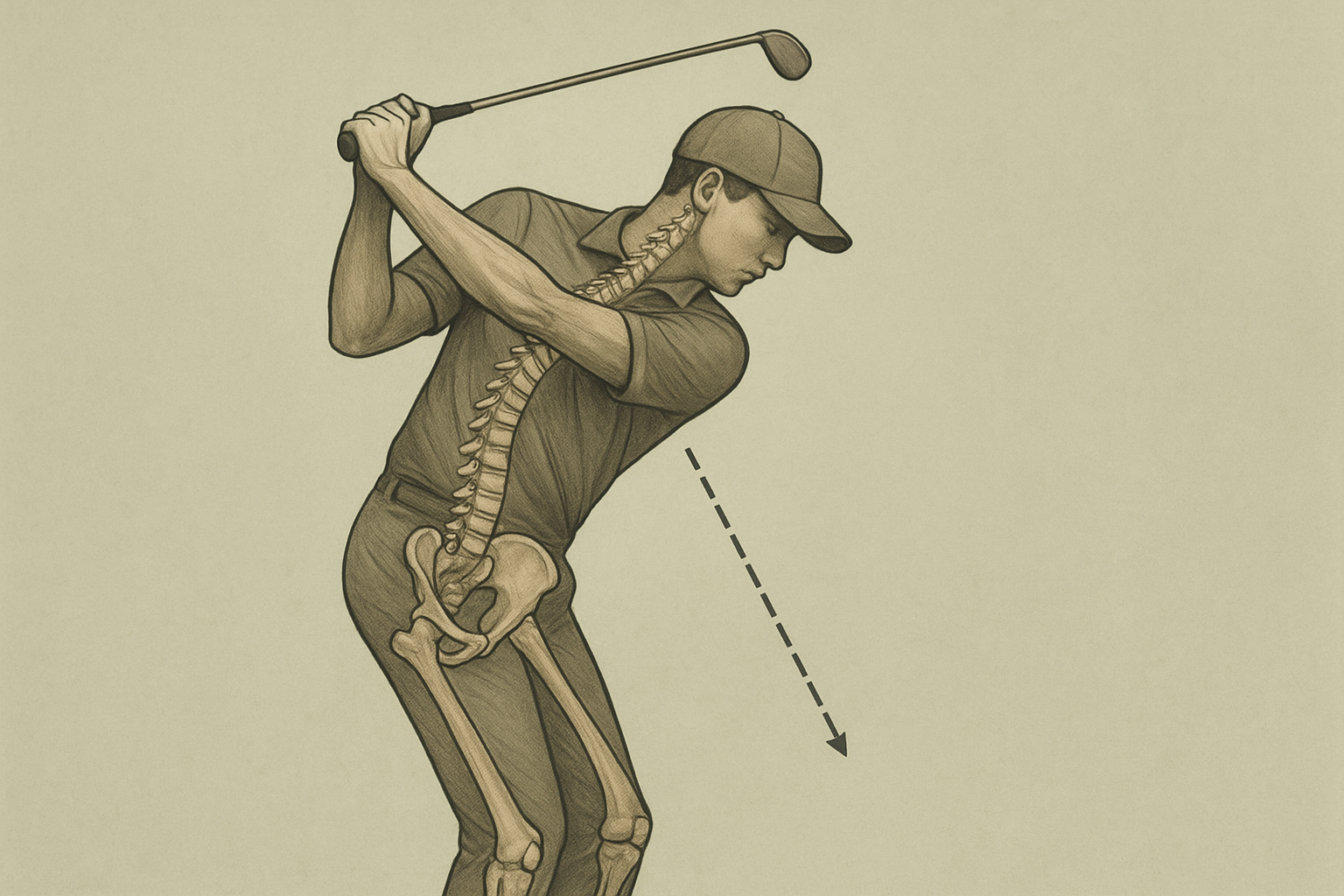
Biomechanical feedback helps golfers refine control without losing hard-earned power.
Step-by-Step Drills to Train Your Swing for Power and Accuracy
In addition to understanding the framework, golfers need a repeatable weekly process. The following sequence, drawn from the same methods used in exclusive golf tips and swing lessons, gives a practical starting point.
- Assess your baseline. Record current clubhead speed, swing path, and contact pattern using video or a launch monitor so progress can be measured accurately over time.
- Build ground force strength. Add lower-body and rotational strength work, such as split squats and cable rotations, two to three times weekly to increase usable force.
- Drill kinetic chain sequencing. Practice slow-motion transition drills that fire the hips ahead of the shoulders, reinforcing the order that transfers ground force into clubhead speed.
- Add speed training sets. Use overspeed swings or lighter weighted clubs in short sets so the nervous system learns to move faster without losing sequencing.
- Reinforce control under fatigue. Finish sessions hitting to specific targets while slightly tired, training the body to hold face control even as speed increases.
Common Mistakes When Training for Power and Control
Even motivated golfers derail their own progress with a few recurring habits. For instance, many swing harder with the arms instead of sequencing from the ground up, which raises injury risk without adding real speed. Similarly, skipping mobility work limits how far hips and shoulders can rotate, capping power regardless of strength gains.
Furthermore, some golfers train speed and control on completely separate days, which weakens the connection between them. Instead, combining both within the same session, as outlined earlier, tends to produce faster, safer results. Golfers who want this process personalized to their own mechanics can explore remote coaching options at yourgolfguru.com, where an LPGA Master Professional with a kinesiology PhD reviews swing data directly.
Frequently Asked Questions
What is the best way to train golf swing for power and control?
The best way to train golf swing for power and control is to combine ground-force strength training, kinetic chain sequencing drills, and feedback-based practice using video or launch monitor data. This layered approach builds speed without sacrificing consistency.
How long does it take to build more clubhead speed?
Most golfers see measurable gains within 6 to 12 weeks of consistent, structured training. Progress depends on training frequency, existing mobility, and how well sequencing is reinforced during practice.
Why is swing control just as important as power?
Swing control determines whether added speed actually produces solid contact and accurate ball flight. Without it, extra power often increases mis-hits rather than lowering scores.
What muscles should golfers strengthen for a more powerful swing?
Golfers benefit most from strengthening the glutes, obliques, forearms, and posterior chain, since these drive rotational force and club speed. Strong legs and hips also improve ground reaction force at impact.
Can you train golf swing for power and control without a coach?
Some progress is possible alone, but self-guided training often reinforces compensations that limit long-term gains. Expert-led remote coaching helps catch mechanical faults early and speeds up safe progress.
What’s the difference between power training and control training?
Power training focuses on generating clubhead and ball speed through strength and sequencing, while control training emphasizes consistent face angle, path, and contact. Elite programs train both at the same time.
How much does online golf swing coaching typically cost?
Costs vary depending on credentials and program depth, and specialized, science-based instruction from advanced-degree coaches generally commands a premium over general local lessons. Many programs offer tiered packages based on session frequency.
What are common mistakes when trying to increase swing speed?
Common mistakes include swinging harder with the arms instead of sequencing from the ground up, skipping mobility work, and ignoring feedback data. These habits often raise injury risk without improving performance.
Is strength training better than speed training for golfers?
Neither is better alone. Strength training builds the force capacity that speed training then converts into faster, more efficient movement, and combining both outperforms either method used in isolation.
How often should golfers do power and control drills each week?
Most competitive golfers benefit from two to four dedicated sessions per week, alongside regular range practice. Recovery days remain equally important to prevent overuse injuries.
Can flexibility training improve swing control?
Yes, improved hip and thoracic rotation allows golfers to maintain posture and sequencing through impact, which directly supports control. Limited mobility often forces compensations that reduce consistency.
What equipment helps golfers train for more power and control?
Resistance bands, weighted clubs, impact bags, and launch monitors are commonly used tools for structured swing training. These tools provide the overload and feedback needed to build speed and consistency together.
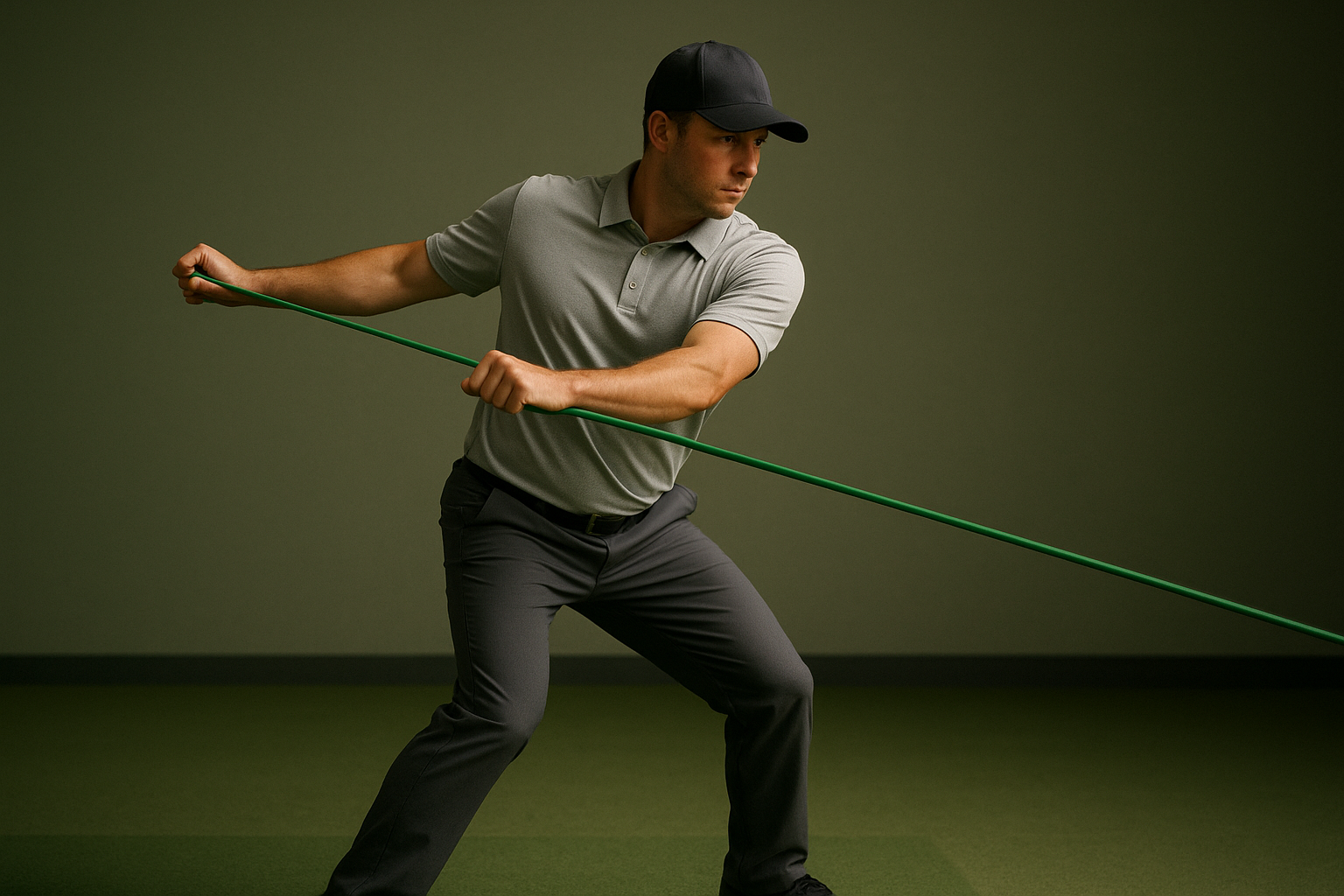
Resistance training supports the rotational strength needed to train golf swing for power and control effectively.
Final Thoughts on Training Your Golf Swing for Power and Control
Ultimately, learning how to train golf swing for power and control comes down to treating speed and accuracy as one connected system rather than two rival goals. Strength builds capacity, sequencing converts that capacity into clubhead speed, and feedback-driven control work keeps every extra mile per hour on target. As a result, golfers who follow this layered process tend to improve faster and more safely than those chasing power or precision alone. For a deeper, science-backed version of this approach, including biomechanical analysis from an LPGA Master Professional and kinesiology PhD, visit yourgolfguru.com and review the resource referenced throughout this guide.