


Learning how to improve golf release for better ball striking is one of the fastest ways competitive players can add distance, sharpen control, and eliminate the frustrating two-way miss that costs strokes on the scorecard. In simple terms, how to improve golf release for better ball striking is best understood as a repeatable process that retrains wrist rotation, grip pressure, and forearm timing so the clubface arrives square at impact instead of early or late. For golfers already working through elite swing mechanics fundamentals, release timing is often the missing piece between a good swing and a great one.
Consequently, this guide breaks the release down into its biomechanical parts, highlights the mistakes that sabotage contact, and offers a drill sequence built by an LPGA Master Professional and kinesiology PhD. As a result, you will finish with a clear plan you can start applying on the range today.

Proper wrist rotation at impact is central to how to improve golf release for better ball striking.
What Is Golf Release, and Why Does It Matter for Ball Striking?
Golf release is the unwinding of the wrists, forearms, and clubhead as it approaches and passes through the ball. In short, it determines whether your clubface arrives square, open, or closed at the moment that matters most. Above all, this single moving part influences ball flight, spin rate, and compression more than almost any other factor in the swing.
According to research summarized on Wikipedia’s overview of the golf swing, the transfer of angular momentum through the wrists and forearms is one of the primary sources of clubhead speed. In particular, golfers who release too early lose stored energy before contact, while those who release too late often struggle with consistency and directional control. Similarly, biomechanics studies on rotational sports movements support the idea that sequencing, not raw strength, drives the majority of usable power.
How to Improve Golf Release for Better Ball Striking: Core Mechanics
To understand how to improve golf release for better ball striking, it helps to separate the swing into three phases: loading, transition, and delivery. During loading, the wrists set an angle relative to the shaft, commonly called lag. During transition, the lower body begins rotating while the upper body and arms lag slightly behind. Finally, during delivery, the stored angle unwinds naturally as the hands pass the trail hip.
In particular, the timing of that unwinding is what separates elite ball strikers from inconsistent ones. For instance, tour-level players typically maintain wrist angle deep into the downswing, allowing the body’s rotation to pull the club through rather than the hands pushing it. Therefore, if you find yourself losing distance or hitting inconsistent shots, the issue is often sequencing rather than swing speed. For more on the fundamentals that support this sequence, review this pro’s guide to generating power at impact.
Common Release Mistakes That Sabotage Ball Striking
Even skilled golfers repeat a handful of predictable release errors. First, casting the club early releases stored energy before impact, producing weak, high shots. Second, gripping too tightly restricts natural wrist rotation and blocks the clubface from squaring up. Third, relying on the hands rather than body rotation to generate speed creates inconsistent timing under pressure.
In contrast, golfers who fix these patterns often see immediate improvement in both distance and dispersion. For example, a single-digit amateur working through inconsistent contact frequently discovers that grip pressure, not swing plane, was the root cause. As a result, addressing release mechanics before making larger swing changes can save months of unnecessary frustration. If your misses tend to start early in the swing, this simple backswing consistency test can help isolate the cause.

Correct sequencing keeps the release timed to the moment of impact rather than before it.
Step-by-Step Drills to Improve Your Golf Release
Fortunately, retraining release timing does not require rebuilding your entire swing. Instead, the following sequence isolates the release pattern directly, using feedback-driven repetition rather than guesswork.
- Assess your current release pattern. Record your swing from face-on and down-the-line angles, then review the clubface position at impact frame by frame.
- Practice the slow-motion transition drill. Swing at roughly twenty five percent speed and hold the wrist angle until the hands pass the trail hip.
- Add the towel-under-arm drill. Tuck a small towel under your lead arm during half swings to reinforce connection between arms and torso.
- Train with an impact bag. Strike the bag repeatedly while focusing on forearm rotation and a firm lead wrist through contact.
- Review video after every session. Compare fresh footage against your baseline to confirm the release is arriving later and more consistently.
Specifically, repeating this sequence three to four times per week for several weeks tends to produce noticeable timing changes. If you want a broader framework for turning these drills into distance gains, this guide on hitting the ball further, straighter, and higher pairs well with release-focused practice.
How Grip and Wrist Mechanics Shape Your Release Pattern
Grip pressure plays a surprisingly large role in release timing. Specifically, a grip that is too tight restricts the natural rotation of the forearms, forcing the hands to compensate late in the swing. Meanwhile, a grip that is too loose can cause the clubface to rotate excessively, leading to unpredictable ball flight.
According to teaching resources published by the United States Golf Association, consistent grip pressure throughout the swing correlates strongly with repeatable clubface control. Likewise, wrist flexibility and forearm strength both influence how efficiently a golfer can delay and then release stored energy. Therefore, incorporating light mobility work alongside your release drills can compound results over time.
When to Seek Expert Coaching for Golf Release Issues
While self-guided drills help many golfers, some release patterns are difficult to diagnose without expert eyes. In these cases, working with a coach who combines biomechanical analysis with elite teaching experience often accelerates progress significantly. For competitive amateurs, collegiate players, and aspiring professionals, remote coaching through Your Golf Guru pairs kinesiology-based video analysis with decades of LPGA-level teaching, removing the need to travel to a physical facility.
Ultimately, understanding what is actually producing your consistency, or lack of it, is the fastest path to lasting change. This resource on what produces greater swing consistency explains how structured feedback loops shorten the learning curve for serious players.
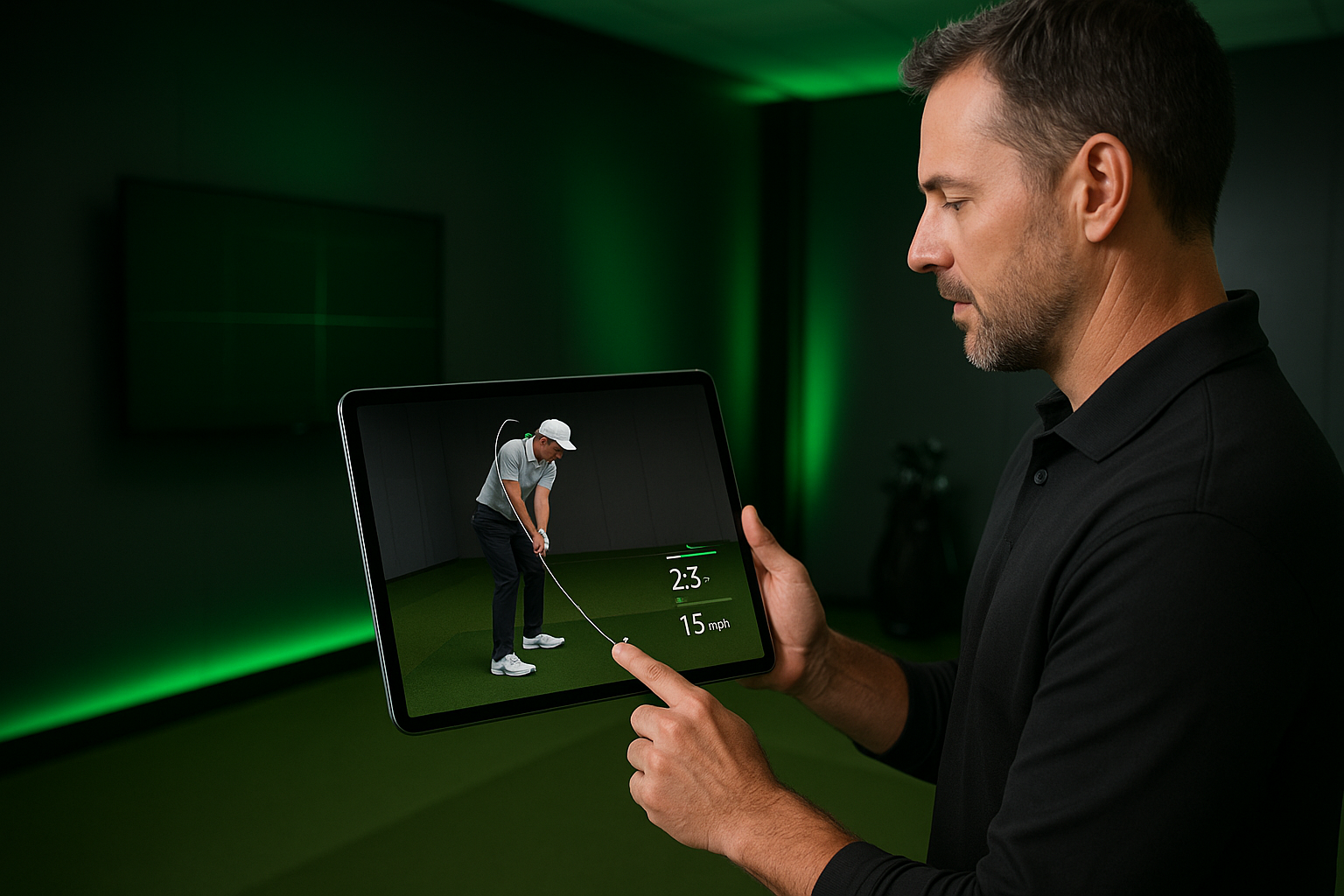
Frame-by-frame video review helps pinpoint exactly where a release pattern breaks down.
Frequently Asked Questions About How to Improve Golf Release for Better Ball Striking
What does golf release mean?
Golf release refers to the unwinding of the wrists, forearms, and clubface as the club approaches and passes through the ball. A well-timed release squares the clubface at impact, while a mistimed one leaves it open or closed.
How to improve golf release for better ball striking quickly?
The fastest way to improve golf release for better ball striking is to train forearm rotation with slow-motion swings and impact bag drills. Consistent repetition rewires timing without requiring a full swing overhaul.
Why does an early release cause a slice or weak contact?
An early release, often called casting, unwinds the wrists before impact and leaves the clubface open. This produces weak, high shots or slices because the club loses lag and speed before reaching the ball.
What is the difference between a proper release and a flip?
A proper release uses stored wrist angle and rotates through the ball with the body leading. A flip happens when the hands take over and add extra wrist bend right at impact, which reduces compression and consistency.
How long does it take to fix a poor release pattern?
Most competitive golfers notice measurable timing improvements within four to six weeks of focused drill work. Full integration under pressure often takes two to three months of consistent practice.
Does grip pressure affect how the club releases at impact?
Yes, excessive grip pressure restricts wrist and forearm rotation, delaying or blocking the release. Lighter, more consistent pressure allows the clubface to rotate naturally through impact.
What drills help train a later, more powerful release?
Impact bag training, the towel-under-arm drill, and slow-motion transition swings are proven ways to train a later release. Each drill isolates timing so the body learns to delay unwinding until just before contact.
Is a strong grip better for controlling golf release?
A stronger grip can help some golfers square the face more easily, but it is not universally better. The right grip depends on individual hand path, swing plane, and clubface tendencies at impact.
How much does online coaching for golf release typically cost?
Remote swing analysis packages generally range from roughly 100 to several hundred dollars depending on session length and video review depth. Ongoing programs with structured drills often provide the best value for serious players.
What common mistakes ruin a golfer’s release through impact?
The most common mistakes are casting the club early, gripping too tightly, and using the hands instead of body rotation to generate speed. Each disrupts sequencing and reduces power and accuracy.
Should beginners focus on release mechanics right away?
Beginners generally benefit more from grip, posture, and basic swing path before isolating release mechanics. Once fundamentals are stable, targeted release training accelerates improvement significantly.
How can remote coaching help fix golf release problems?
Remote coaching uses slow-motion video review and frame-by-frame analysis to pinpoint exactly when and how the release breaks down. This data-driven feedback allows precise drill prescriptions without requiring travel to a physical facility.
Final Thoughts on Building a Better Release
In summary, learning how to improve golf release for better ball striking comes down to sequencing, grip pressure, and deliberate practice rather than raw effort. First identify your current pattern, then apply targeted drills like impact bag work and slow-motion transitions, and finally verify progress with video review. As a result, small timing adjustments often produce outsized gains in both distance and accuracy. Above all, consistent, feedback-driven practice remains the most reliable path toward a repeatable, powerful release you can trust under pressure.