

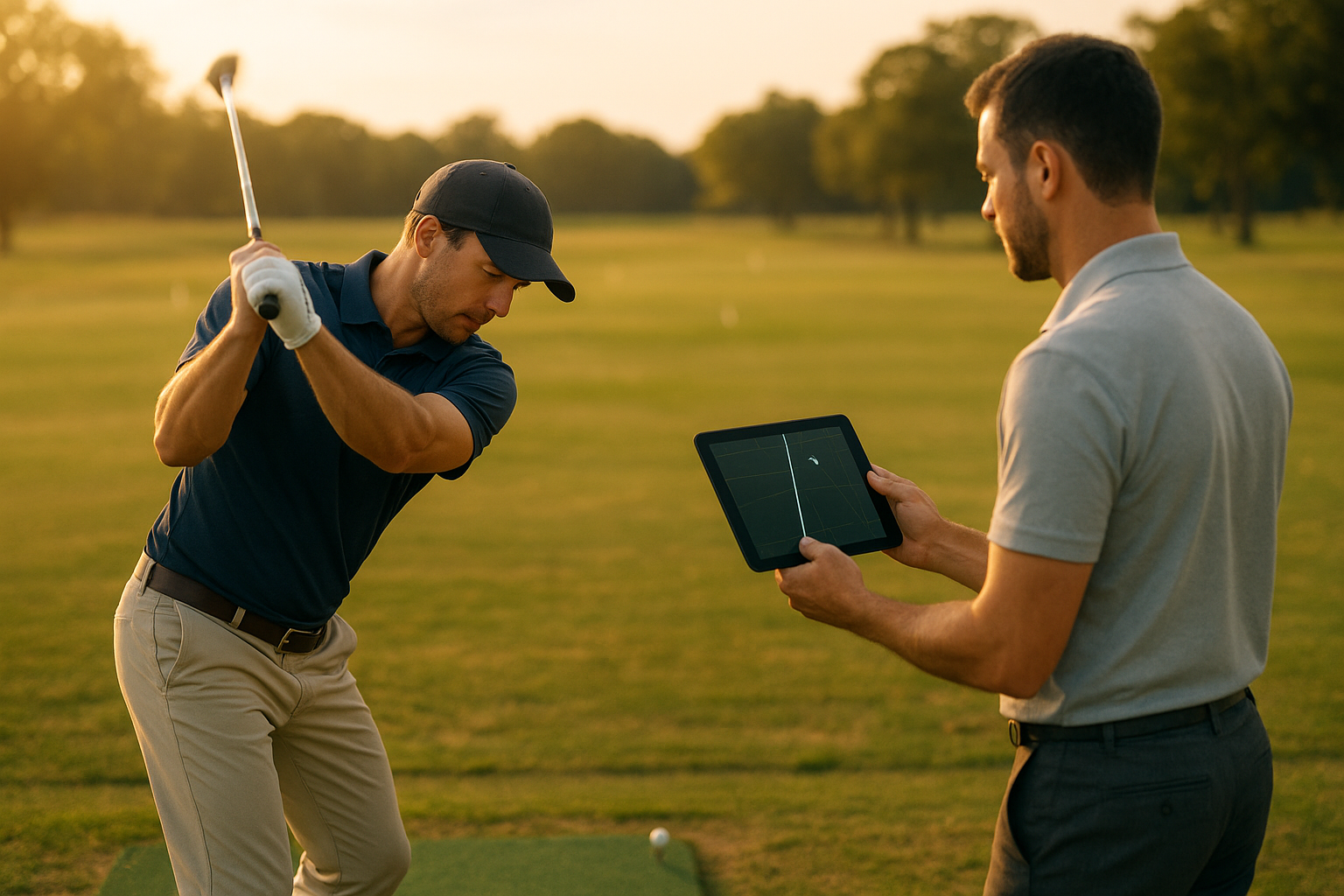
Competitive golf training programs give serious players the structured, science-backed coaching they need to refine swing mechanics, build controllable power, and perform consistently under pressure. Unlike casual weekend lessons, these programs are built around biomechanics — the study of how the body produces movement — and are designed specifically for competitive amateurs, collegiate athletes, and aspiring professionals. Because scoring at a high level demands more than raw talent, structured training closes the gap between natural ability and tournament-ready performance. In this guide, we’ll break down what these programs include, why kinesiology-based coaching outperforms generic instruction, and how golfers can choose a program that matches their competitive goals.
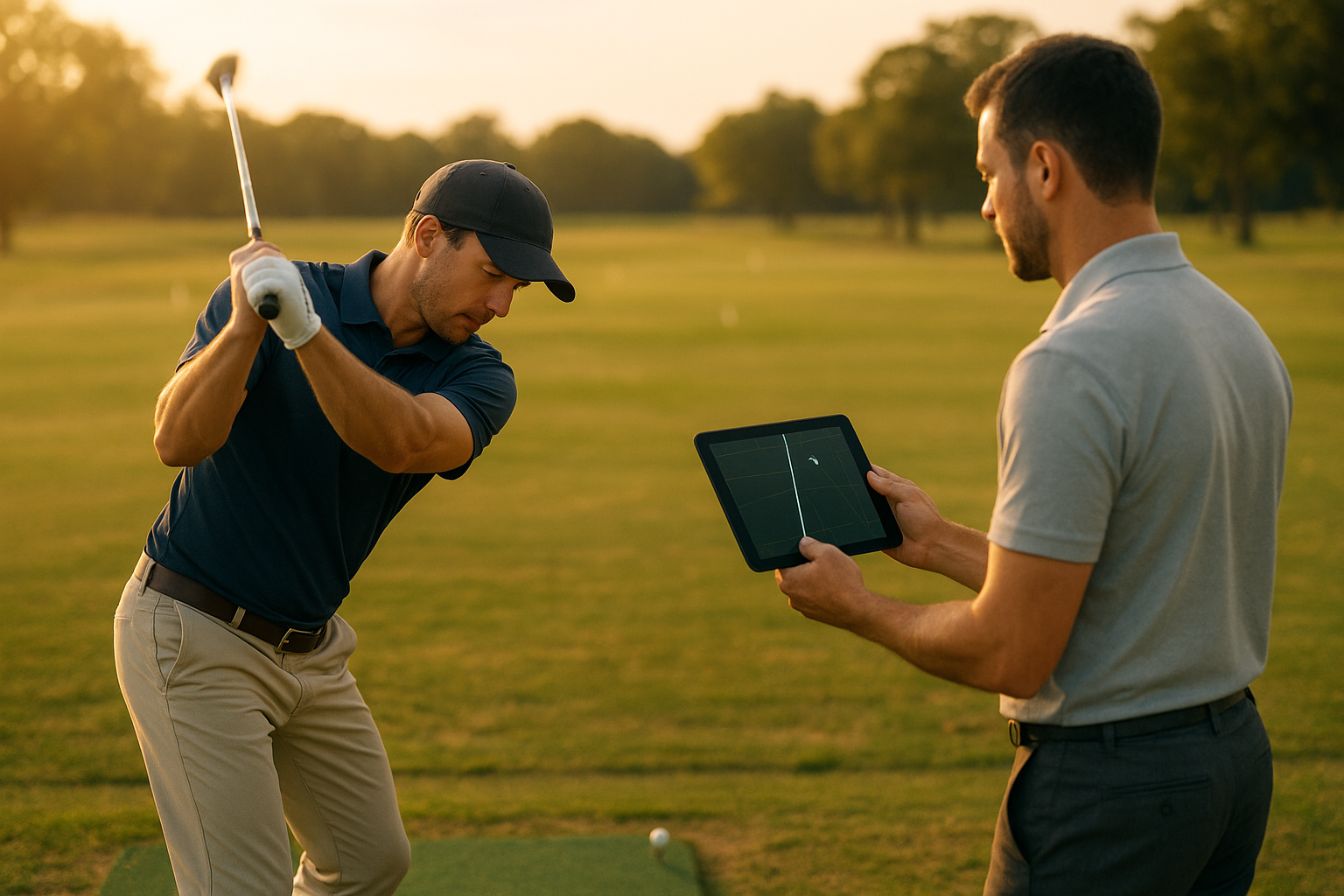
Structured feedback like this is central to any competitive golf training program.
What Are Competitive Golf Training Programs?
Competitive golf training programs are structured coaching systems that combine swing analysis, physical conditioning, and mental preparation to help serious golfers perform consistently in tournament settings. They typically include video-based swing review, a biomechanical assessment, and a progressive practice plan tailored to a player’s specific weaknesses.
Unlike a single lesson aimed at fixing one bad habit, these programs treat the golfer’s development as an ongoing process. Consequently, coaches track changes over weeks and months, adjusting drills as the player’s swing evolves. Because competitive golf punishes inconsistency more than casual play does, this longer-term structure matters. Programs built by instructors with a kinesiology background, in particular, tend to focus on how the body’s joints and muscles actually move, rather than relying purely on visual cues.
Why Structured Golf Coaching Matters for Serious Players
Tournament golf places a different kind of pressure on a player’s mechanics than a relaxed weekend round. As a result, small technical flaws that hold up fine on a casual Saturday often break down under competitive stress. Golf fitness research indicates that a large percentage of recreational golfers carry at least one physical limitation that affects their swing, which is one reason generic tips rarely produce lasting change.
In particular, players competing at the collegiate or elite amateur level need coaching that addresses the physical root of a swing fault, not just its visible symptom. For example, restricted hip rotation can force compensations in the shoulders and spine that look like a “swing problem” but are actually a mobility issue. A well-designed program, similarly to the ones outlined in this high-level training approach for competitive golfers, identifies these root causes before prescribing drills.
Key Components of an Effective Training Program
Above all, a strong competitive golf training program is built on repeatable structure rather than one-off advice. Most effective programs share a few core components that show up consistently across effective training programs designed for serious players.
Biomechanics-Based Swing Analysis
Biomechanics-based analysis examines how the body’s joints, muscles, and levers work together to produce clubhead speed and control. According to the study of golf swing mechanics, even small sequencing errors between the hips, torso, and arms can cost significant distance and accuracy. Coaches with training in kinesiology, the scientific study of human movement, use this framework to explain why a fault exists rather than only where it appears on video.
Injury Prevention and Physical Safety
Furthermore, injury prevention should be built into every phase of training, not treated as an afterthought once pain shows up. Programs that prioritize safety screen for restricted mobility or asymmetries before recommending speed or power drills. This approach protects a competitive golfer’s long-term career, since an injury during a peak competitive season can undo months of technical progress.
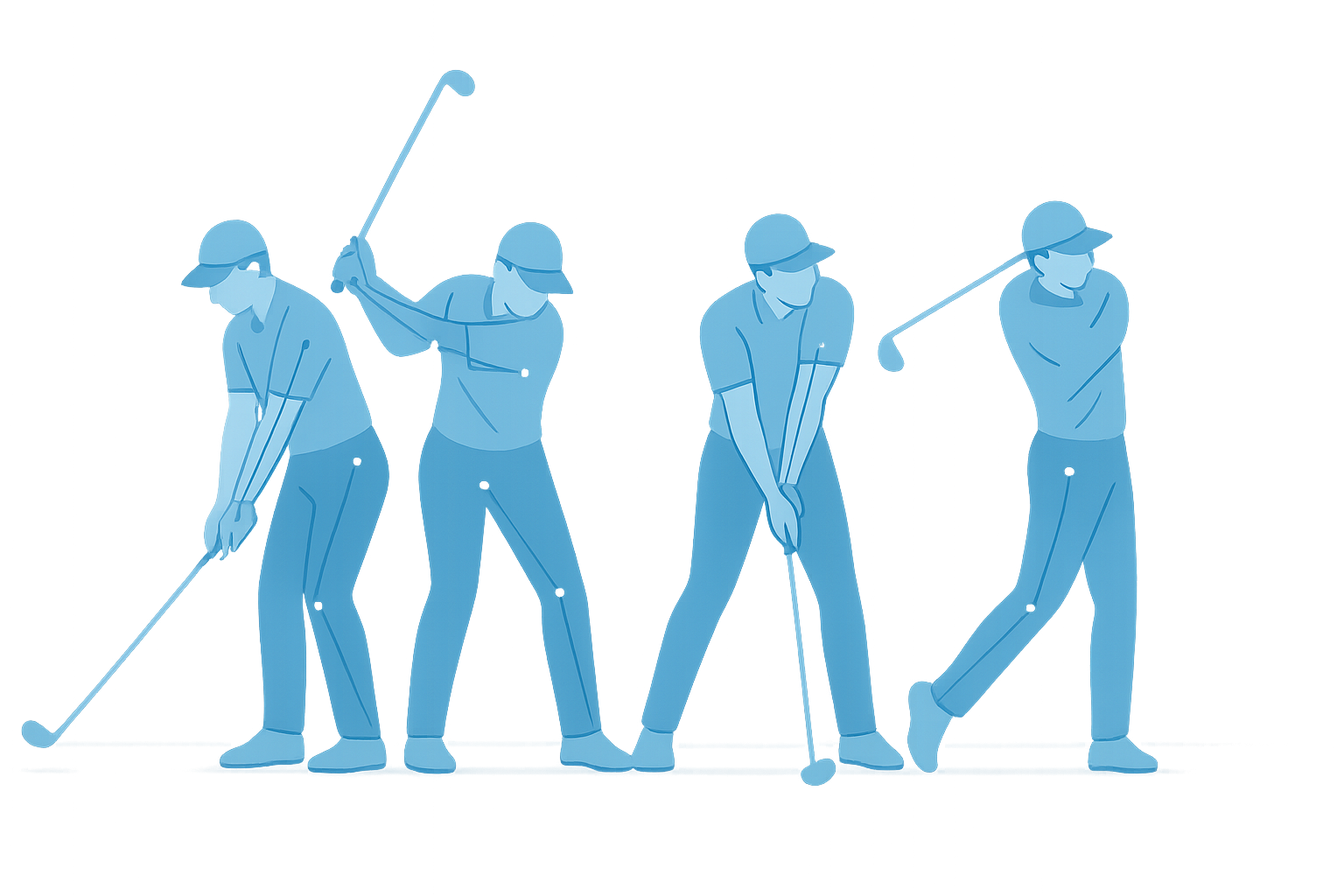
Breaking the swing into biomechanical phases helps coaches pinpoint inefficiencies.
How to Choose the Right Competitive Golf Training Program
Choosing a program can feel overwhelming given how many options exist online. However, breaking the decision into clear steps makes it much more manageable.
- Assess your competitive goals by writing down specific tournaments, scoring targets, or recruiting benchmarks so the coaching plan can be built around measurable outcomes rather than vague improvement.
- Verify coaching credentials by confirming the coach holds recognized certifications, such as LPGA or PGA status, and checking for formal training in kinesiology or biomechanics.
- Review the program structure by asking how swing video is submitted, reviewed, and returned, and confirming there is a clear progression of drills rather than a single isolated lesson.
- Confirm injury-prevention safeguards by making sure the program screens for physical limitations, since chasing power without a safety framework increases long-term injury risk.
For a deeper look at how these decisions play out in practice, this breakdown of strategies for competitive golfers looking to improve quickly walks through common prioritization mistakes.
Remote Coaching vs. Local Instruction for Competitive Golfers
Traditionally, competitive golfers assumed they needed a facility nearby to access elite coaching. Today, however, remote coaching removes that barrier entirely. A golfer in a small town can now work with a specialist who would otherwise be unreachable, simply by submitting swing video for review.
In contrast, local instructors, while convenient, are not always trained in biomechanics or credentialed at an elite level. Consequently, many competitive players now supplement or replace local lessons with a specialized remote coach. Resources like this full guide to training videos for competitive play show how video-based feedback loops can match, and sometimes exceed, the value of a weekly in-person lesson.
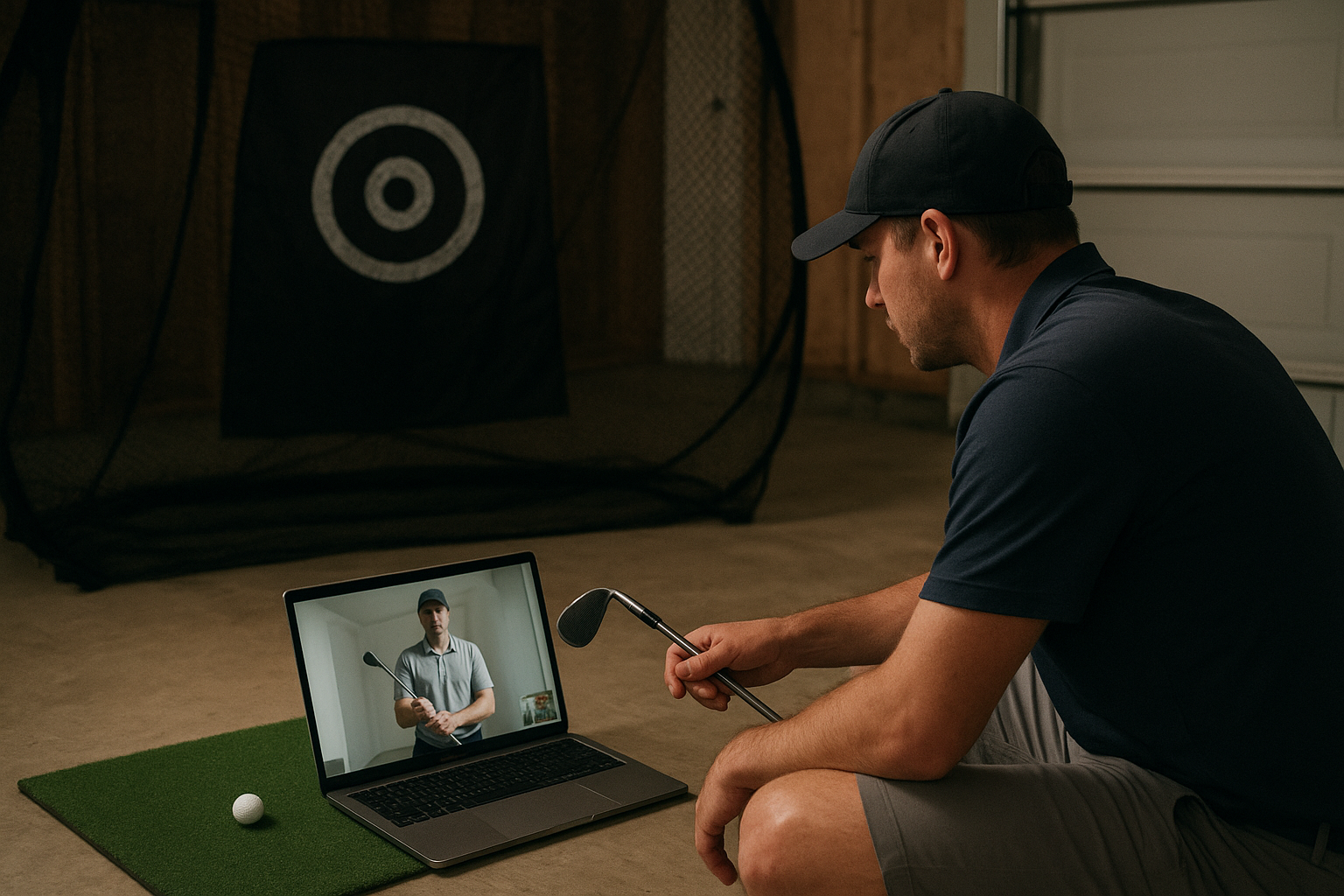
Remote sessions let competitive golfers train with specialists regardless of location.
How YourGolfGuru Delivers Elite Competitive Coaching
YourGolfGuru builds its curriculum around instruction from an LPGA Master Professional who also holds a PhD in kinesiology, pairing decades of teaching experience with a scientific understanding of swing mechanics. This combination is uncommon in typical local instruction, where coaches may have strong teaching credentials but limited formal training in movement science.
Because the platform operates entirely online, golfers can access this level of coaching without traveling to a physical facility. As detailed in this overview of science-backed elite swing coaching, the program is designed for competitive amateurs, collegiate players, and aspiring professionals who need guidance beyond what a typical local pro can offer. Readers can explore the full range of services directly at yourgolfguru.com to see how the curriculum is structured around long-term, injury-conscious performance gains.
Frequently Asked Questions About Competitive Golf Training Programs
What are competitive golf training programs?
Competitive golf training programs are structured coaching systems that combine swing analysis, physical conditioning, and mental preparation to help serious golfers perform consistently in tournament play. They are built around measurable progress rather than casual, one-off tips.
How do competitive golf training programs differ from casual lessons?
Casual lessons usually focus on quick fixes for one round, while competitive programs build a long-term plan around biomechanics, tournament pressure, and repeatable performance. They also track progress over weeks or months instead of a single session.
How long does it take to see results from a structured training program?
Most golfers notice measurable swing changes within four to eight weeks of consistent, focused practice. Full integration into competitive rounds typically takes a full season of deliberate reinforcement.
What should a golfer look for in an online golf coach?
Look for verified teaching credentials, a biomechanics or kinesiology background, and a clear system for reviewing swing video remotely. Client results and a structured curriculum matter more than generic promises of quick fixes.
Why is biomechanics important in golf swing training?
Biomechanics explains how the body generates and transfers force, which helps coaches correct inefficient movement patterns before they cause injury. Understanding it allows for swing changes that are both powerful and physically sustainable.
How much do competitive golf training programs typically cost?
Pricing varies widely depending on coach credentials and program depth, ranging from monthly video-review subscriptions to premium one-on-one packages. Elite, kinesiology-based coaching generally costs more than generic online lesson bundles because of the specialized expertise involved.
Can remote golf coaching really replace in-person lessons?
For competitive players, remote coaching can match or exceed in-person instruction when it includes detailed video analysis and structured feedback loops. It also removes geographic limits, giving athletes access to specialists they could never reach locally.
What common mistakes do competitive golfers make without structured coaching?
Many golfers chase quick tips instead of addressing root causes in their swing mechanics, which leads to inconsistent results under pressure. Others skip physical screening entirely, increasing injury risk as they try to add speed and power.
How often should competitive golfers train with a coach?
Most competitive programs recommend structured check-ins every one to two weeks, paired with daily independent practice drills. Frequency should adjust around tournament schedules to avoid overtraining before key events.
What credentials should a lead coach in a training program hold?
Strong credentials include recognized teaching certifications, such as LPGA or PGA status, plus formal education in kinesiology or sports science. This combination signals both teaching experience and a scientific understanding of human movement.
Are competitive golf training programs suitable for collegiate players?
Yes, collegiate golfers often benefit the most because these programs address the technical and physical demands of a packed competitive schedule. Remote formats also fit around travel and academic commitments better than fixed in-person lesson slots.
How do injury-prevention principles factor into swing training?
Injury-prevention principles guide coaches to correct movement patterns that place excess stress on the spine, hips, or wrists during the swing. Prioritizing safe mechanics allows golfers to build power without shortening their competitive careers.
What technology is used in modern competitive golf coaching?
Modern programs typically use slow-motion video review, swing-sequence overlays, and remote screen-sharing tools to analyze mechanics frame by frame. Some coaches also incorporate launch monitor data when it is available to the athlete.
Final Takeaways on Competitive Golf Training
Ultimately, competitive golf training programs work best when they combine biomechanical understanding, injury-conscious coaching, and a clear long-term structure rather than isolated tips. Golfers who commit to this kind of program tend to build swings that hold up under tournament pressure instead of breaking down when it matters most. Whether a player chooses remote or local coaching, the underlying principle stays the same: consistent, science-informed feedback beats scattered advice. As competitive golf continues to reward precision and durability, programs grounded in kinesiology and elite teaching experience remain one of the most reliable paths toward measurable, lasting improvement.