
Remote golf coaching for amateurs is transforming how competitive players sharpen their swing mechanics without ever stepping onto a range with a local instructor. Instead, golfers upload video, receive detailed biomechanical feedback, and follow a customized plan from a coach anywhere in the world. As a result, serious amateurs, collegiate players, and aspiring professionals can now access expertise that once required travel, membership at an elite academy, or years on a waiting list.
Because talent alone rarely closes the gap between good and great, technical precision matters. Consequently, more players are turning to virtual coaching relationships that combine slow-motion video analysis with data-driven insight, similar to the approach detailed in this remote golf coaching resource.
What Is Remote Golf Coaching for Amateurs?
Remote golf coaching for amateurs is a system of online instruction in which a qualified coach reviews swing video, analyzes movement patterns, and delivers personalized feedback and drills through digital tools rather than face-to-face lessons. It typically includes video capture, written or verbal breakdowns, and structured follow-up plans.
In practice, this means a player in a small town can train under a coach with elite-level credentials in a major golf hub. For a deeper explanation of how this format compares to on-course lessons, see this complete guide to remote golf performance coaching.
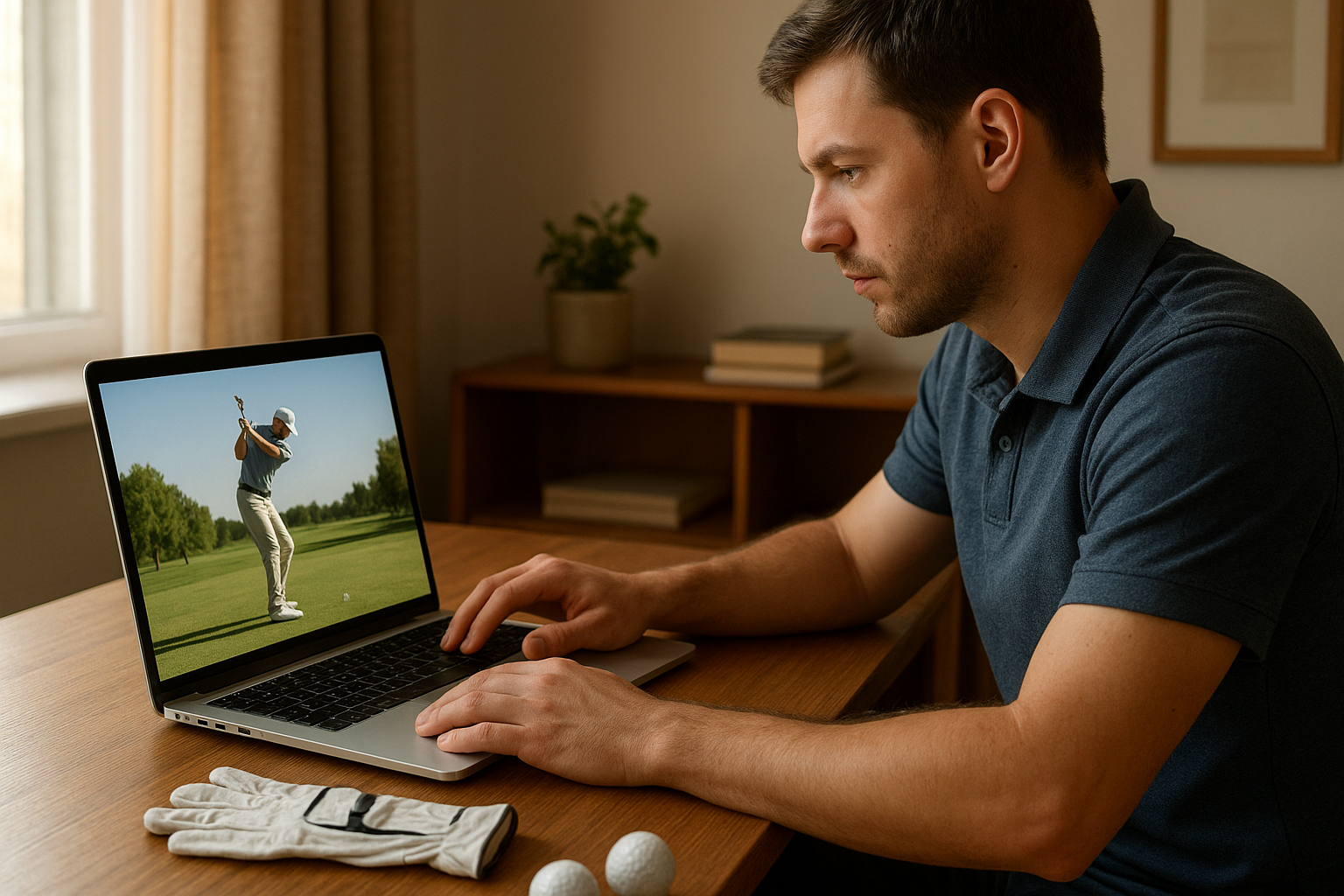
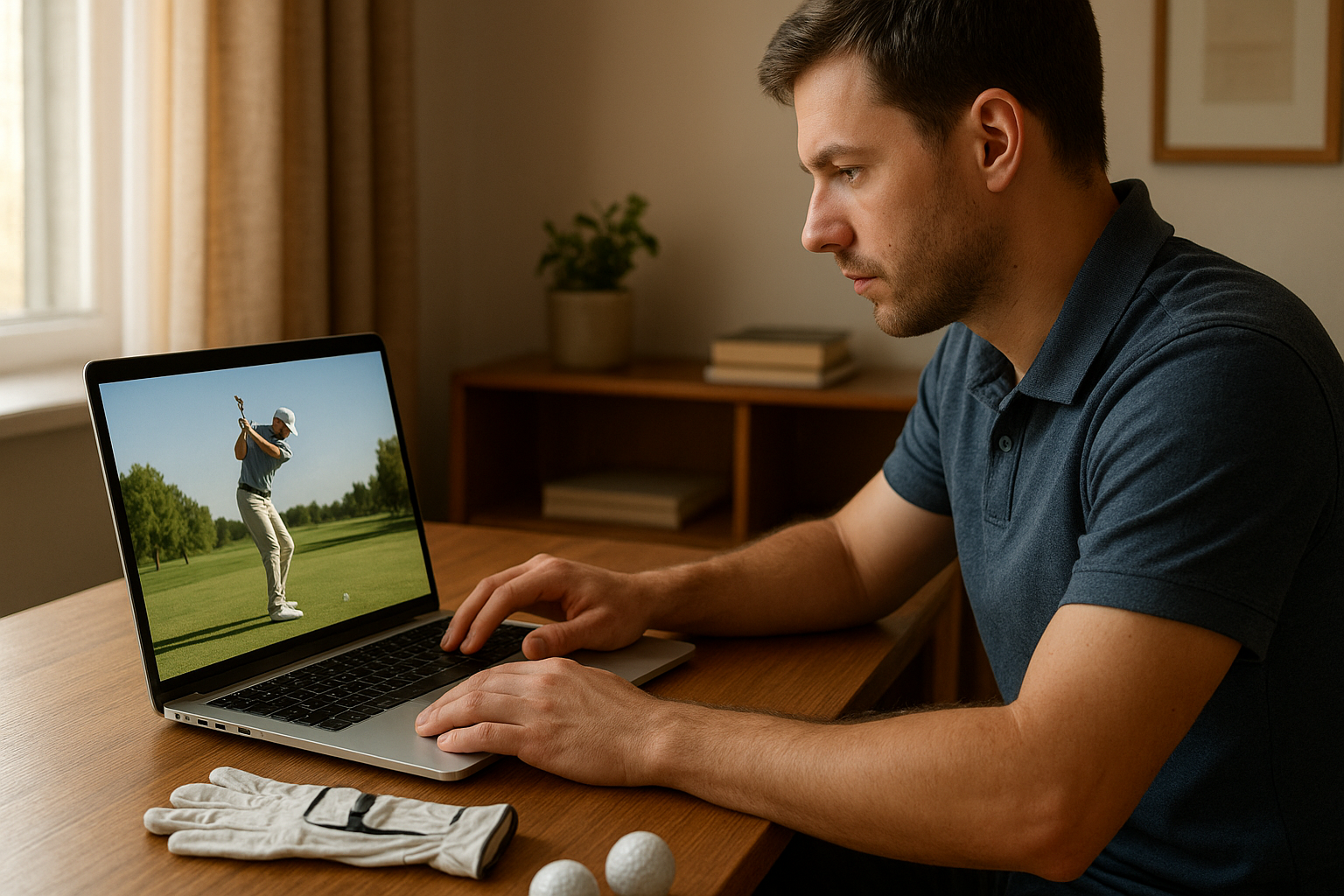
Reviewing frame-by-frame video is central to remote golf coaching for amateurs.
How Online Golf Coaching Works for Competitive Amateurs
Typically, the process starts with a player recording swings from two angles: face-on and down-the-line. Afterward, the footage is uploaded to a secure platform where the coach reviews positions, tempo, and sequencing frame by frame.
Next, the coach delivers a written or video breakdown, often supported by drawn lines and annotations that highlight specific joint angles or club positions. In addition, many programs include a live video call to discuss findings and answer questions in real time. This structure mirrors the approach used in elite remote training used by tour-level players, simply adapted for amateur schedules and goals.
Because feedback loops are faster than waiting for a monthly in-person lesson, players can often correct small errors before they become ingrained habits.
Key Benefits of Remote Golf Lessons for Serious Players
First, geographic barriers disappear. A player in a rural area gains the same access to advanced coaching as someone living near a major golf academy. Second, scheduling flexibility improves significantly, since sessions do not depend on shared travel time or range availability.
Third, video-based analysis often reveals flaws that a live lesson misses, particularly subtle timing or sequencing issues that only appear in slow motion. According to the National Golf Foundation, tens of millions of Americans play golf annually, yet only a small fraction ever receive instruction backed by biomechanical analysis, which highlights a clear opportunity for competitive players who want a real edge.
Finally, documentation matters. Because every session is recorded, players can track swing changes over months or years, which is difficult to replicate with occasional in-person lessons.
The Kinesiology Advantage: Science-Backed Swing Analysis
Kinesiology, the scientific study of human movement, gives coaches a framework for understanding why a swing flaw exists rather than just what it looks like. For example, a coach trained in kinesiology can trace an early extension in the downswing back to limited hip mobility rather than treating it as a simple habit to break.
This matters because generic swing tips often ignore individual physical limitations, which can lead to compensations that raise injury risk. The CDC notes that proper movement mechanics play a meaningful role in reducing sports-related injuries, a principle that applies directly to repetitive, high-torque motions like the golf swing.
Consequently, science-backed coaching prioritizes sustainable mechanics over quick fixes. To see how this method is applied in practice, review this breakdown of science-backed swing coaching methods.
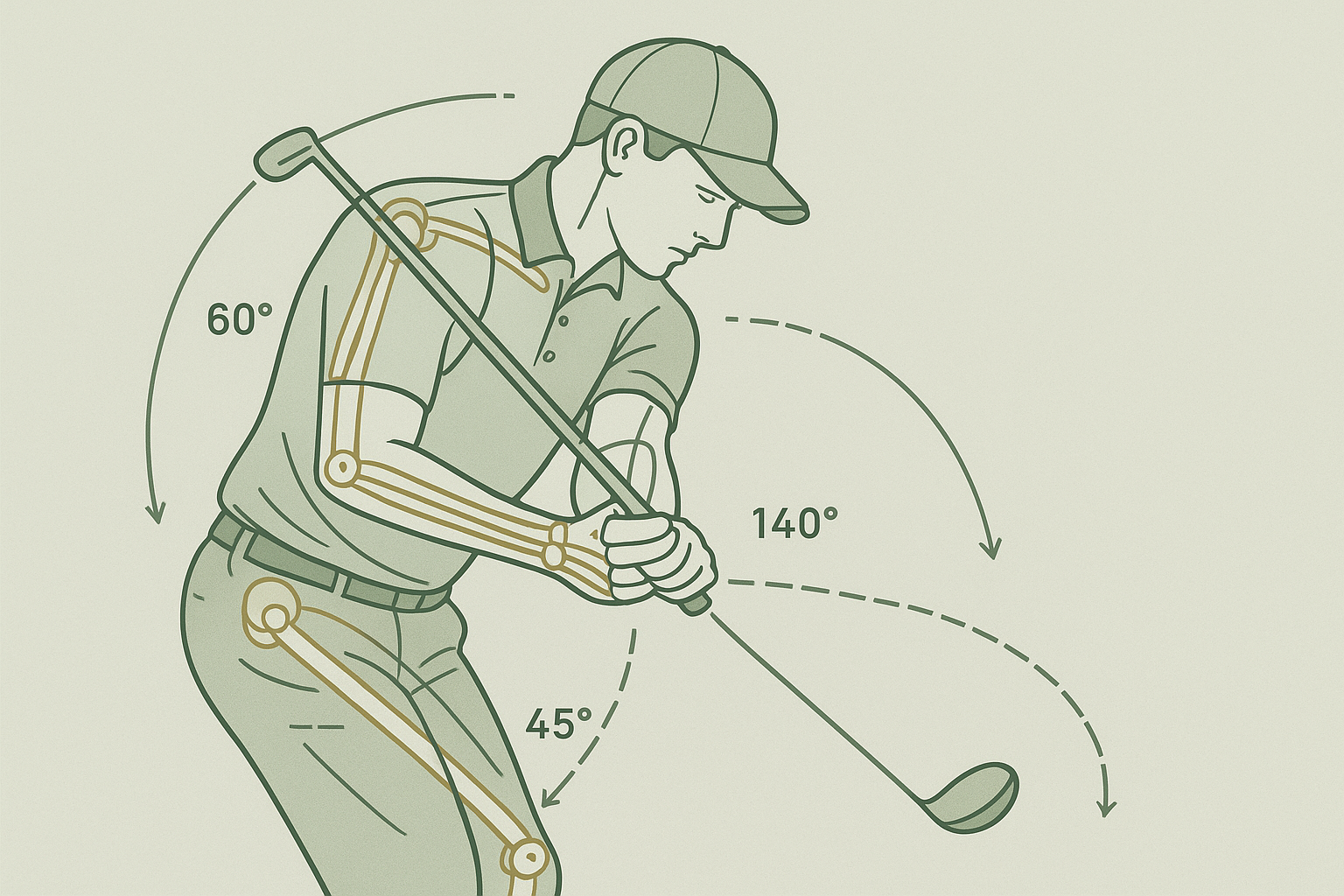
Kinesiology-based analysis identifies the root cause of swing flaws, not just the symptom.
How to Get Started With Virtual Golf Instruction (Step-by-Step)
Starting a remote coaching relationship is simpler than most players expect. The following process outlines a practical starting point.
- Assess your current swing. Record several full-speed and slow-motion swings from face-on and down-the-line angles.
- Choose a qualified remote coach. Prioritize verifiable credentials, such as LPGA or PGA Master Professional status.
- Submit video and goals. Include your handicap, competitive goals, and any physical limitations.
- Review the feedback report. Study flagged positions before starting physical practice.
- Practice drills and reassess. Send follow-up video after two to three weeks to track progress.
For players aiming beyond amateur competition, this same process aligns with the elite performance coaching for serious players pathway, simply scaled to individual goals.
Choosing the Right Remote Swing Coach
Above all, credentials matter more than marketing claims. A coach who holds recognized certifications, such as an LPGA Master Professional designation, combined with formal education in movement science, brings a rare combination of teaching experience and technical depth.
In particular, players pursuing college recruitment or professional status should look for coaches who specialize in that trajectory. This guide to coaching for aspiring golf professionals outlines what to expect at that level, while the broader USGA offers useful context on competitive standards amateurs are often measured against.
Ultimately, the right fit depends on communication style, response time, and whether the coach explains the reasoning behind each drill rather than issuing instructions without context.
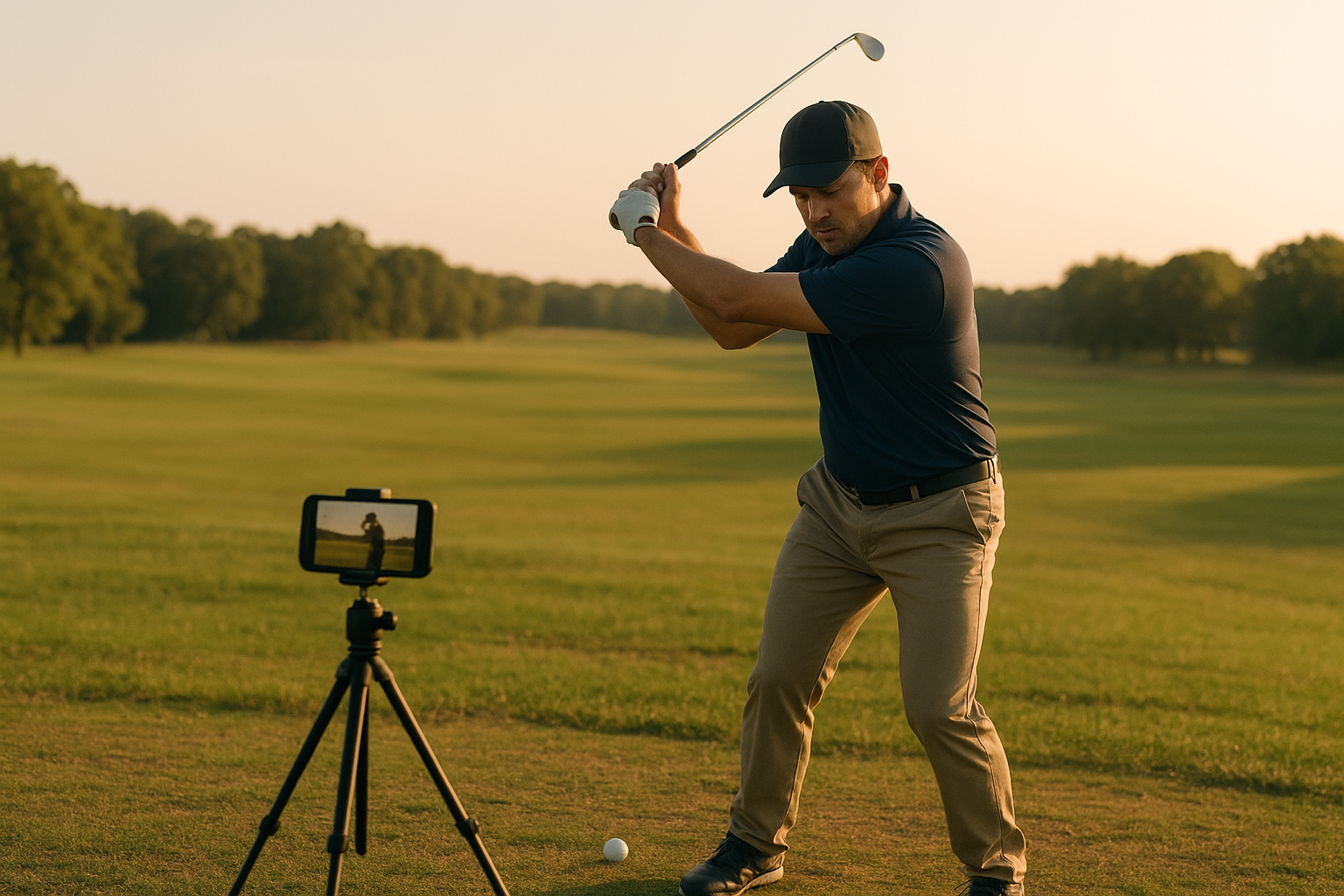
Consistent, high-quality video capture is essential for accurate remote coaching feedback.
Common Mistakes to Avoid When Training Remotely
Even strong programs fail when execution is inconsistent. Poor lighting, shaky camera angles, or incomplete swings make accurate analysis difficult, so coaches often ask for a specific setup before reviewing footage.
Similarly, skipping prescribed drills between sessions slows progress considerably, since remote coaching depends on the player’s own repetitions between check-ins. Likewise, vague self-reporting about pain, fatigue, or on-course results limits how precisely a coach can adjust the plan.
Therefore, treating remote sessions with the same discipline as an in-person lesson consistently produces better outcomes.
Frequently Asked Questions About Remote Golf Coaching for Amateurs
What is remote golf coaching for amateurs?
Remote golf coaching for amateurs is a system of online instruction where a coach analyzes swing video, provides biomechanical feedback, and builds a training plan without in-person sessions. It relies on video capture, data analysis tools, and virtual calls to replace the traditional range lesson.
How does online golf coaching actually work?
Golfers record swing footage on a phone or camera, upload it to a coaching platform, and receive detailed breakdowns covering positions, tempo, and sequencing. Follow-up video calls or written reports then translate that analysis into specific drills.
Is remote golf coaching as effective as in-person lessons?
For technical swing correction, remote coaching can match or exceed in-person lessons because slow-motion video and frame-by-frame review often reveal flaws a live lesson misses. However, it works best when paired with consistent practice and honest self-reporting.
How much does remote golf coaching typically cost?
Pricing varies widely, but many programs charge per session, per month, or as a package covering several video reviews and check-ins. Elite, credential-backed coaching tends to cost more than general online tips because it includes personalized biomechanical analysis.
What equipment do I need to start remote golf lessons?
At minimum, you need a smartphone with a slow-motion video setting, a tripod or stable surface, and reliable internet access. Some coaches also recommend a launch monitor for additional data on ball speed and spin.
How long does it take to see results from remote coaching?
Most amateurs notice measurable swing changes within four to eight weeks of consistent remote coaching and drill work. Deeper mechanical rewiring often takes a full season of focused practice.
What is the biggest mistake amateurs make with remote training?
The most common mistake is submitting inconsistent or poor-quality video, which makes accurate analysis difficult. Skipping the prescribed drills between sessions also slows progress significantly.
Can remote golf coaching help prevent injuries?
Yes, coaches trained in kinesiology can identify swing patterns that place excessive stress on the back, hips, or wrists before they cause injury. Correcting these patterns early protects long-term playing ability.
Who benefits most from remote golf coaching for amateurs?
Competitive amateurs, collegiate players, and aspiring professionals who lack access to advanced local instruction benefit most. It also suits golfers who travel frequently or live far from specialized coaches.
How is remote coaching different from watching free YouTube tips?
Generic online tips are not personalized to your specific swing flaws or physical limitations. Remote coaching provides individualized analysis, direct feedback, and accountability that generic content cannot replicate.
What credentials should a remote golf coach have?
Look for recognized certifications such as LPGA or PGA Master Professional status, plus any advanced education in movement science or kinesiology. These credentials indicate both teaching experience and a scientific understanding of the swing.
Can remote golf coaching for amateurs replace a local instructor entirely?
For many serious players, remote coaching can fully replace a local instructor, especially when the remote coach offers higher-level expertise. Some golfers choose a hybrid approach, using a local coach for quick tune-ups and remote coaching for deeper technical work.
Final Thoughts
In summary, remote golf coaching for amateurs removes the geographic and scheduling limits that once kept competitive players from accessing elite-level instruction. By combining video analysis, kinesiology-based feedback, and structured accountability, players can build sustainable, data-driven improvement rather than chasing quick fixes.
As a result, amateurs who commit to this process, submit quality video, and follow through on drills consistently gain a measurable edge over those relying on generic tips alone.