

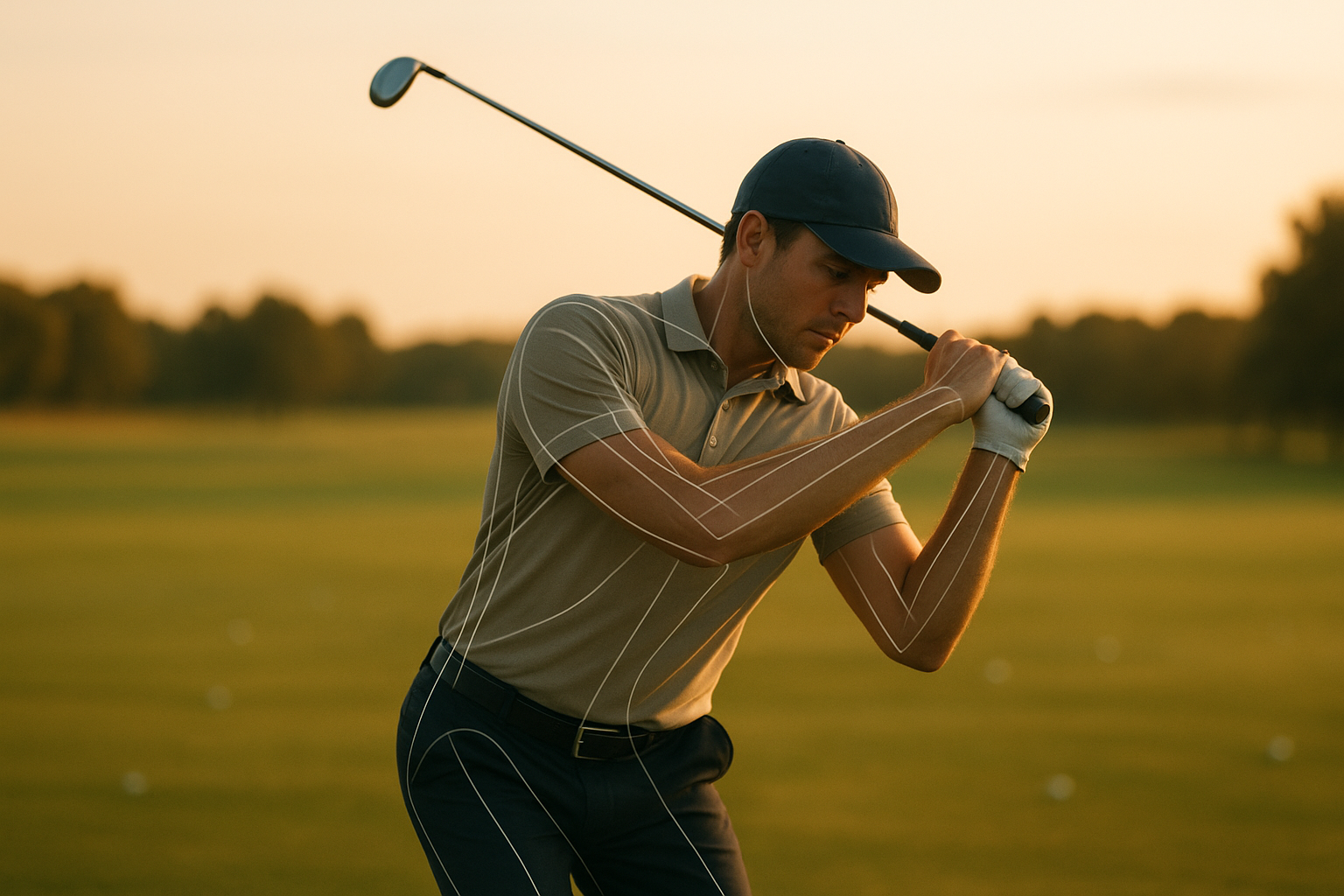
High performance golf training is the structured, science-backed process elite and competitive golfers use to sharpen swing mechanics, build power, and protect their bodies from injury. Unlike casual lessons, this approach blends biomechanics, data analysis, and expert coaching to produce measurable, lasting results. For golfers who are serious about competing at the collegiate, amateur, or professional level, this style of training closes the gap between talent and consistent performance. You can explore this science-backed coaching approach directly at yourgolfguru.com.
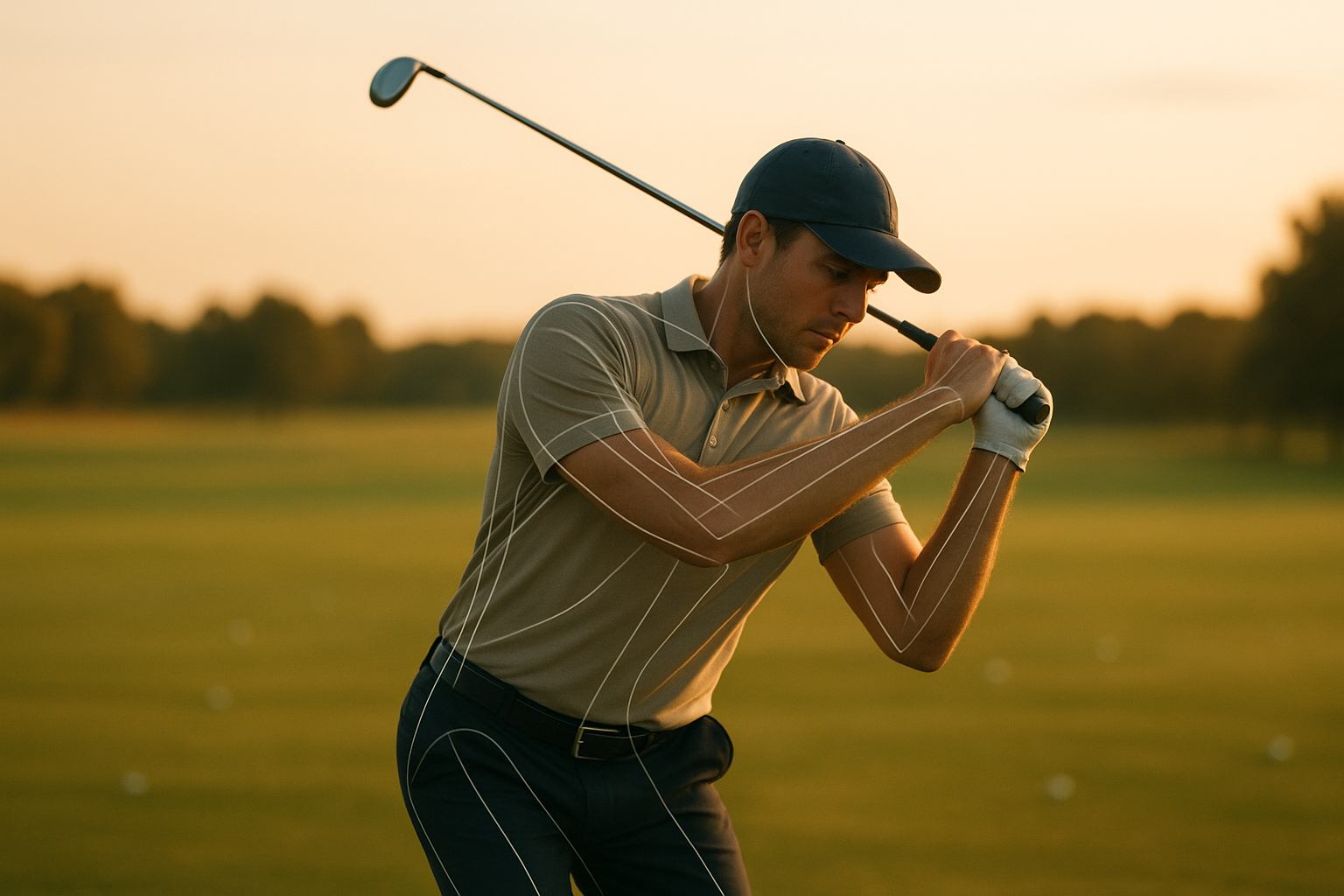
High performance golf training combines biomechanics and coaching expertise to refine swing mechanics.
What Is High Performance Golf Training?
High performance golf training is a specialized coaching methodology that combines biomechanical analysis, data-driven feedback, and elite-level technique correction to help competitive golfers improve power, accuracy, and consistency while minimizing injury risk. It goes beyond casual lessons by grounding every correction in movement science rather than guesswork.
In particular, this approach draws heavily on kinesiology, the scientific study of human movement. Coaches who hold advanced credentials, such as an LPGA Master Professional certification paired with a PhD in kinesiology, can identify inefficient movement patterns that typical instructors might miss. As a result, athletes receive corrections that are both technically sound and physically sustainable.
Why Elite Golfers Choose Science-Backed Coaching
Competitive golfers often plateau under generic instruction because their swing faults are rooted in physical limitations rather than simple habits. Therefore, elite athletes increasingly seek coaching that examines the body’s mechanics, not just the club’s position at impact.
According to research summarized by the National Institutes of Health, structured strength and mobility programs can meaningfully reduce overuse injuries among golfers who train at higher volumes. Consequently, science-backed coaching does more than improve scores; it extends a competitive golfer’s career by addressing the physical demands of repetitive swinging. You can review the underlying guidance at the NIH sports injury resource.
Biomechanics and Injury Prevention in the Golf Swing
The golf swing places significant rotational stress on the spine, hips, and shoulders, especially at high clubhead speeds. Understanding the mechanics of the golf swing allows coaches to spot compensations, such as excessive spinal tilt, before they turn into chronic pain.
For a deeper technical breakdown of these corrections, many golfers explore advanced swing techniques for serious golfers, which pairs well with a broader training plan.
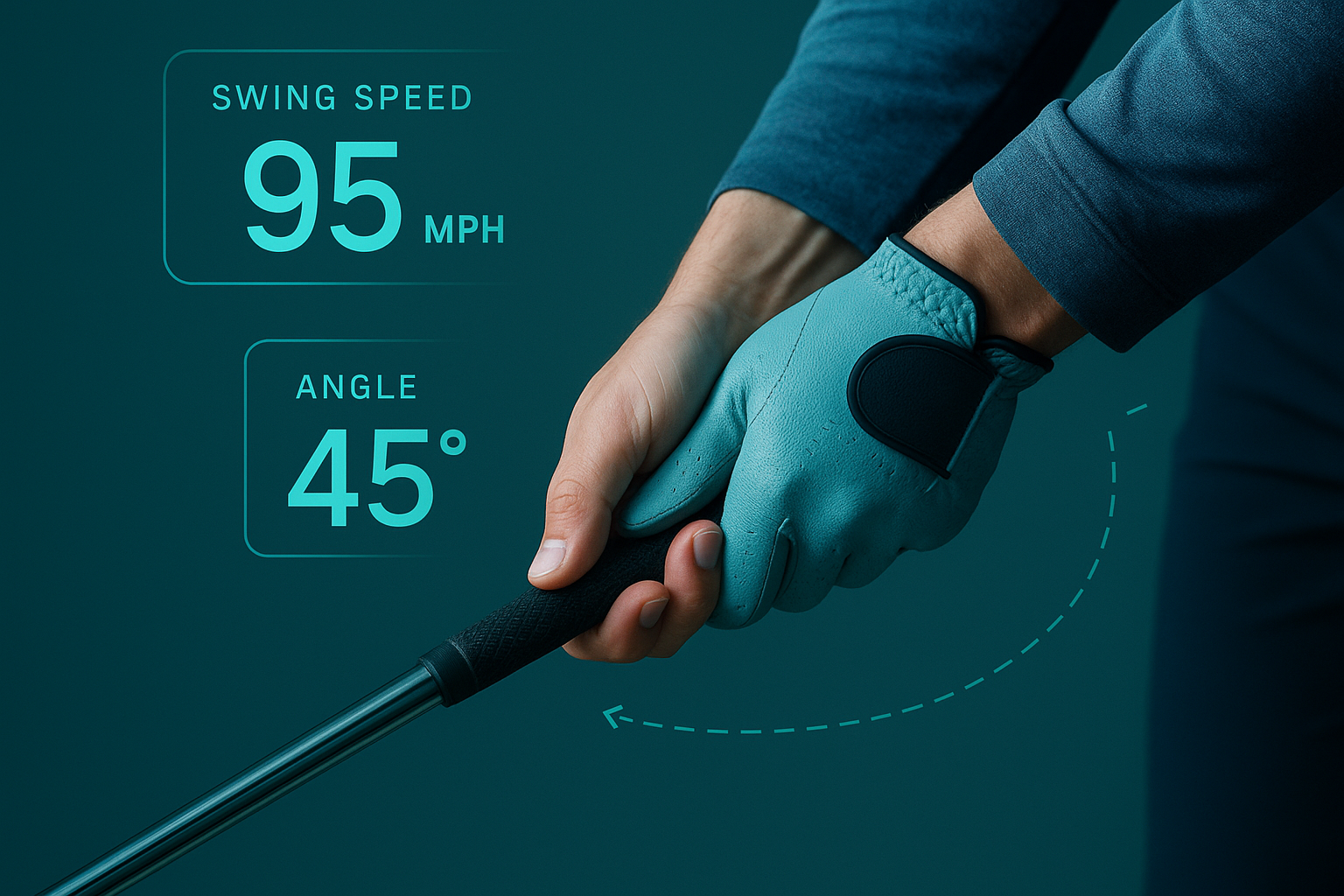
Objective swing data supports every decision made during high performance golf training sessions.
Core Components of a High-Performance Training Program
A well-built program rarely relies on a single fix. Instead, it layers several components together so improvements reinforce one another over time.
- Biomechanical swing analysis: Video and motion data reveal inefficiencies invisible to the naked eye.
- Strength and mobility work: Targeted exercises support rotation, stability, and injury resistance.
- Technical coaching: Expert feedback corrects mechanics without sacrificing natural athleticism.
- Performance tracking: Metrics such as clubhead speed and dispersion guide ongoing adjustments.
For golfers building a full curriculum, the guide on a science-backed path to elite play lays out how these components fit together in practice.
How to Build a High-Performance Golf Swing: Step-by-Step
Building a durable, powerful swing follows a logical sequence. Skipping steps often leads to short-term gains that fade under tournament pressure.
- Assess current swing mechanics. Record swing video from multiple angles and compare movement patterns against biomechanical benchmarks to identify inefficiencies affecting power and accuracy.
- Build golf-specific strength and mobility. Complete targeted exercises that improve hip rotation, shoulder turn, and core stability, since limited mobility often forces compensations in the swing.
- Refine technique with expert feedback. Work with a qualified coach to correct swing faults using video breakdowns and data, focusing on one change at a time.
- Implement a progressive practice plan. Practice new mechanics at reduced speed before gradually increasing intensity so the nervous system reinforces the corrected movement.
- Track metrics and adjust. Measure clubhead speed, ball flight, and consistency data regularly, then adjust priorities based on the slowest-improving metric.
Golfers who prefer visual learning often pair this process with structured training videos for competitive play.
Remote Coaching Versus Traditional Local Instruction
Historically, elite coaching required access to a physical academy, which limited opportunities for golfers outside major metro areas. Remote coaching removes that barrier entirely.
Specifically, digital platforms let a golfer in a small town receive the same biomechanical review as an athlete training at a national facility. In addition, remote programs often cost less than repeated in-person sessions, since travel and facility overhead disappear. Many competitive players now combine remote video review with periodic in-person check-ins for the best of both formats.
Direct answer: High performance golf training uses biomechanics, video analysis, and expert coaching to build a more powerful, consistent, and injury-resistant golf swing for competitive players. It works effectively in-person or through remote digital coaching platforms.
Choosing the Right Program for Competitive Golfers
Not every program labeled “advanced” delivers science-backed results. Therefore, golfers should evaluate a few key factors before committing time and money.
First, check coaching credentials, such as LPGA or PGA Master Professional status combined with formal education in kinesiology. Second, confirm the program uses objective data rather than opinion alone. Finally, review the strategies at strategies for competitive golfers to improve fast to compare structured approaches before choosing a coach.
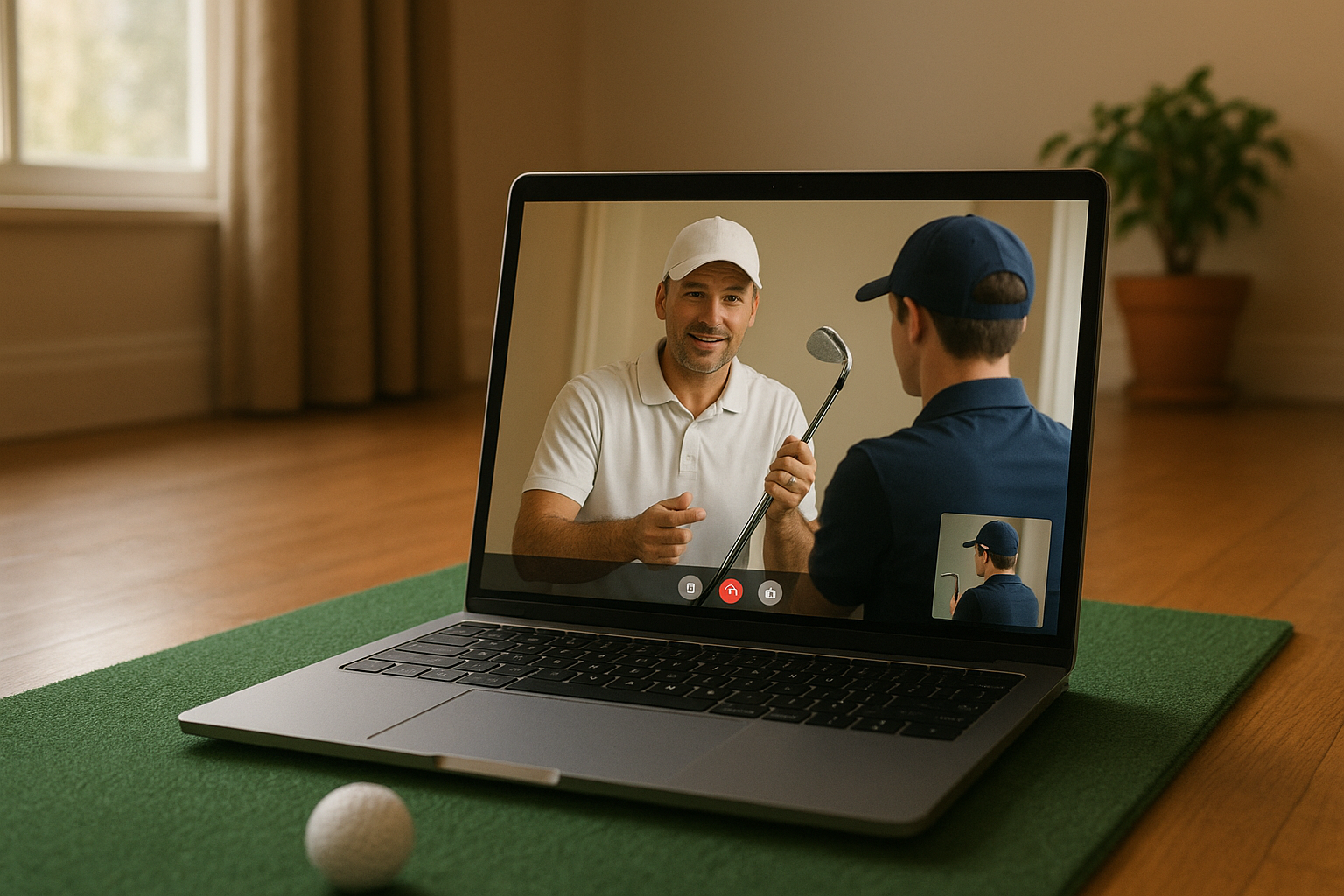
Remote sessions make high performance golf training accessible from any location.
Frequently Asked Questions About High Performance Golf Training
What is high performance golf training?
High performance golf training is a structured coaching method that uses biomechanics, data analysis, and elite-level instruction to improve a golfer’s power, accuracy, and consistency. It focuses on measurable swing improvement while reducing injury risk.
How does high performance golf training differ from regular golf lessons?
Regular lessons often focus on quick fixes, while high performance golf training builds a long-term plan rooted in biomechanics and physical conditioning. It typically includes video analysis, data tracking, and injury-prevention strategies that standard lessons rarely cover.
Who benefits most from high performance golf training?
Competitive amateurs, collegiate players, and aspiring professionals benefit most because they need advanced technical guidance beyond casual instruction. Golfers preparing for tournaments or scholarship evaluations gain the most measurable improvement.
How long does it take to see results from high performance golf training?
Most golfers notice mechanical improvements within four to eight weeks of consistent training. However, full swing changes and injury-resistant patterns often take three to six months to become automatic under pressure.
What role does biomechanics play in swing improvement?
Biomechanics explains how the body generates and transfers force during the swing, which helps coaches pinpoint inefficient movement patterns. Understanding this science allows for targeted corrections instead of generic tips.
Can high performance golf training be done remotely?
Yes, remote coaching platforms allow golfers to submit swing video and receive detailed biomechanical feedback without traveling to a facility. This removes geographic barriers so athletes anywhere can access elite-level instruction.
How much does high performance golf training typically cost?
Costs vary widely depending on coach credentials and program depth, ranging from monthly digital coaching subscriptions to higher-priced one-on-one packages. In general, remote programs cost less than repeated in-person sessions with an elite instructor.
What credentials should a golf coach have for advanced instruction?
Look for coaches with recognized certifications, such as an LPGA or PGA Master Professional designation, combined with formal education in kinesiology or sports science. This combination ensures both technical teaching skill and scientific understanding of movement.
What are common mistakes competitive golfers make without proper training?
Common mistakes include chasing distance through unsafe compensations, ignoring mobility limitations, and practicing without objective feedback. As a result, golfers often plateau or develop overuse injuries.
How often should serious golfers train each week?
Most competitive golfers benefit from three to five focused training sessions per week that combine technique work, strength training, and mobility exercises. Consistency matters more than volume for long-term progress.
Does high performance golf training help prevent injuries?
Yes, because it identifies mechanical faults that place excess stress on the spine, hips, and shoulders before they cause injury. Addressing these patterns early is one of the core goals of science-backed coaching.
What equipment or technology is used in this style of coaching?
Programs commonly use high-speed video capture, swing analysis software, and sometimes launch monitors to measure clubhead speed and ball flight. This data gives coaches objective evidence to guide instruction.
Final Thoughts on Building a Competitive Edge
Ultimately, high performance golf training gives competitive players a repeatable framework for improvement rather than a collection of scattered tips. By combining biomechanics, structured practice, and expert feedback, golfers can build a swing that holds up under tournament pressure while protecting their long-term health.
In summary, whether training locally or through a remote platform, the athletes who progress fastest are those who commit to data-driven coaching and consistent practice. For golfers ready to take that step, exploring a dedicated high performance golf training program with proven credentials is a practical way to start turning potential into measurable results.