

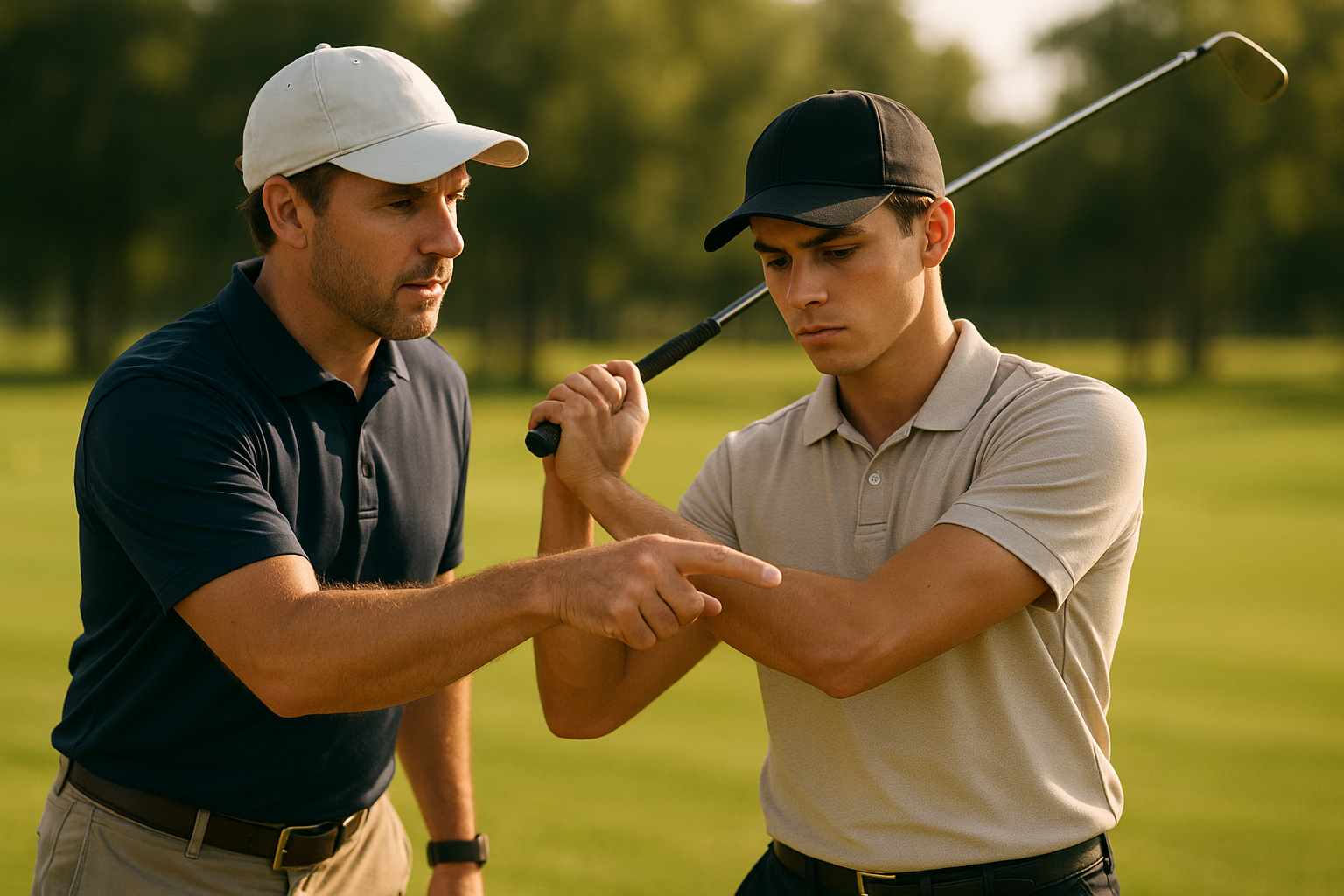
In person golf lessons for maximum success remain one of the most reliable ways for competitive players to sharpen their swing mechanics under a trained eye. For many golfers, nothing replaces the feedback of a coach standing beside them on the range, adjusting grip, posture, or tempo in real time. However, choosing the right instructor, session structure, and follow-up plan matters just as much as simply showing up. This guide breaks down how to get the most from face-to-face coaching, when it works best, and how pairing it with data-driven remote analysis can push results even further.
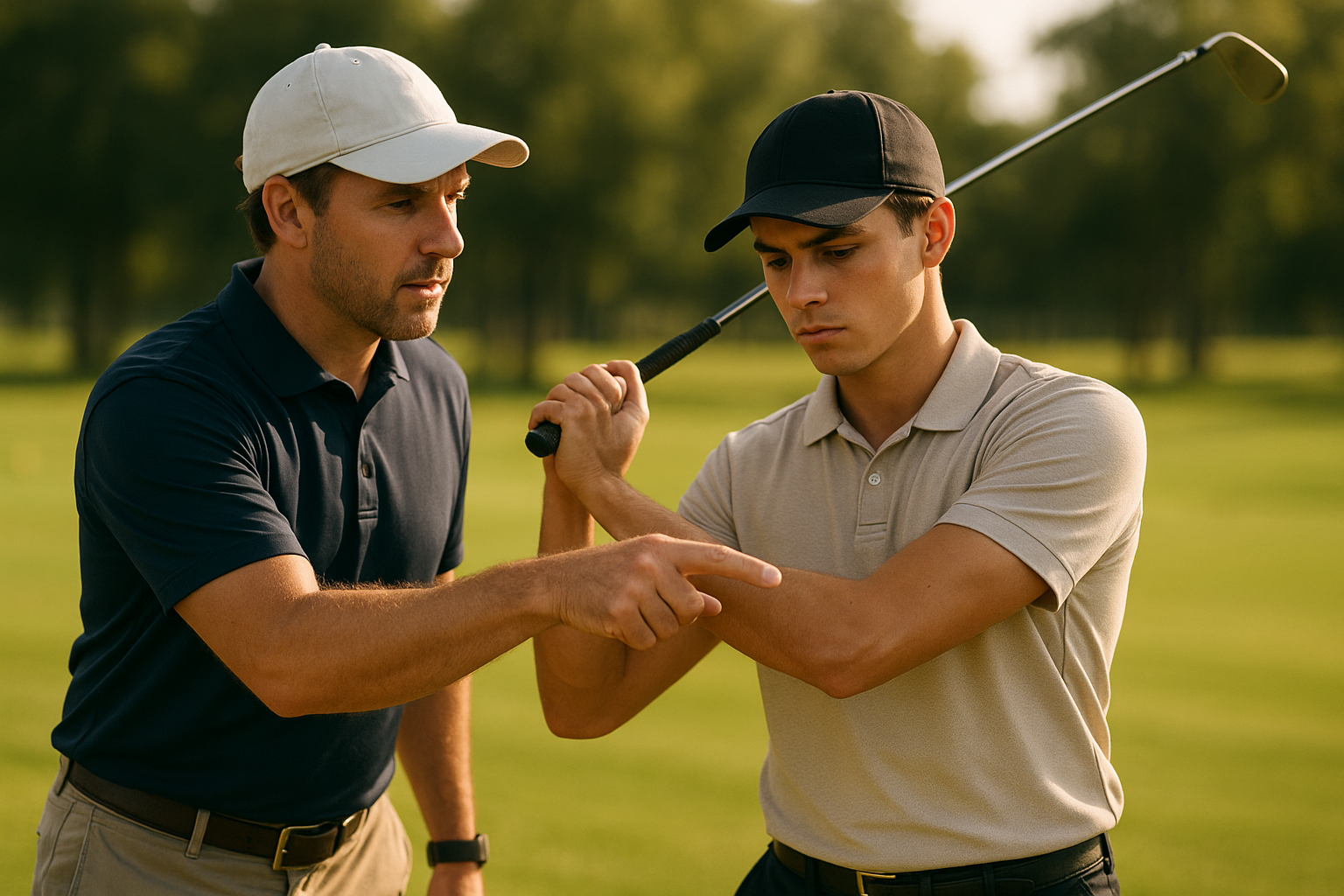
In person golf lessons for maximum success rely on real-time feedback between coach and player.
What Are In Person Golf Lessons for Maximum Success?
In person golf lessons for maximum success are structured, face-to-face coaching sessions where an instructor watches your swing live and gives immediate feedback. Because the coach can see body position, weight transfer, and club path from multiple angles at once, corrections happen faster than they would through video alone.
In addition, in-person sessions allow instructors to use physical cues, such as guiding a shoulder turn by hand, that simply cannot be replicated remotely. Consequently, many golfers use this format specifically when they need to fix a deeply ingrained habit. Still, the quality of the lesson depends heavily on the instructor’s expertise, not just their proximity to your home course.
Why Face-to-Face Golf Instruction Still Matters
Despite the rise of digital coaching tools, face-to-face golf instruction still holds real value for competitive players. For example, an instructor standing on the range can immediately catch a subtle timing flaw that a camera angle might miss entirely. As a result, many collegiate and elite amateur programs still require some level of in-person coaching as part of their development plans.
According to the National Golf Foundation, golfers who take at least three formal lessons per year tend to lower their handicap significantly faster than those who practice without guidance. This statistic highlights a broader truth: structured coaching, whether delivered in person or remotely, consistently outperforms unguided repetition. In particular, players preparing for tournaments benefit from the accountability that comes with scheduled sessions and a coach tracking their progress over time.
How to Choose the Right In-Person Golf Instructor
Selecting the right coach is arguably more important than the lesson format itself. The following steps can help you evaluate an instructor before committing to a long-term coaching relationship.
- Verify credentials, such as PGA or LPGA certification, and ask about experience coaching players at your competitive level.
- Ask whether the coach uses video analysis or biomechanical assessment, since data-driven methods typically produce more measurable results.
- Book a single trial lesson before purchasing a package, so you can judge communication style firsthand.
- Set specific, measurable goals, such as improving clubhead speed or fixing an inconsistent takeaway, before the first session.
- Record video during lessons so you can review coaching cues later and compare swing positions over time.
- Request structured drills to repeat between sessions, since practice without direction often reinforces old habits instead of new ones.
Where In-Person Coaching Falls Short for Competitive Golfers
In-person coaching is powerful, but it is not without limitations, especially for serious competitors. Geography is often the biggest obstacle: a golfer training for collegiate play may not live near an instructor with elite-level credentials. Therefore, many players end up settling for convenience over quality, which slows long-term progress.
Scheduling is another common issue. Because top-tier coaches are frequently booked weeks in advance, in-person lessons alone can create long gaps between feedback sessions. Furthermore, travel time and cost add up quickly for players who need frequent, ongoing adjustments rather than occasional check-ins. This is exactly the gap that specialized online coaching, like the programs detailed on this golf lessons resource, was designed to close.
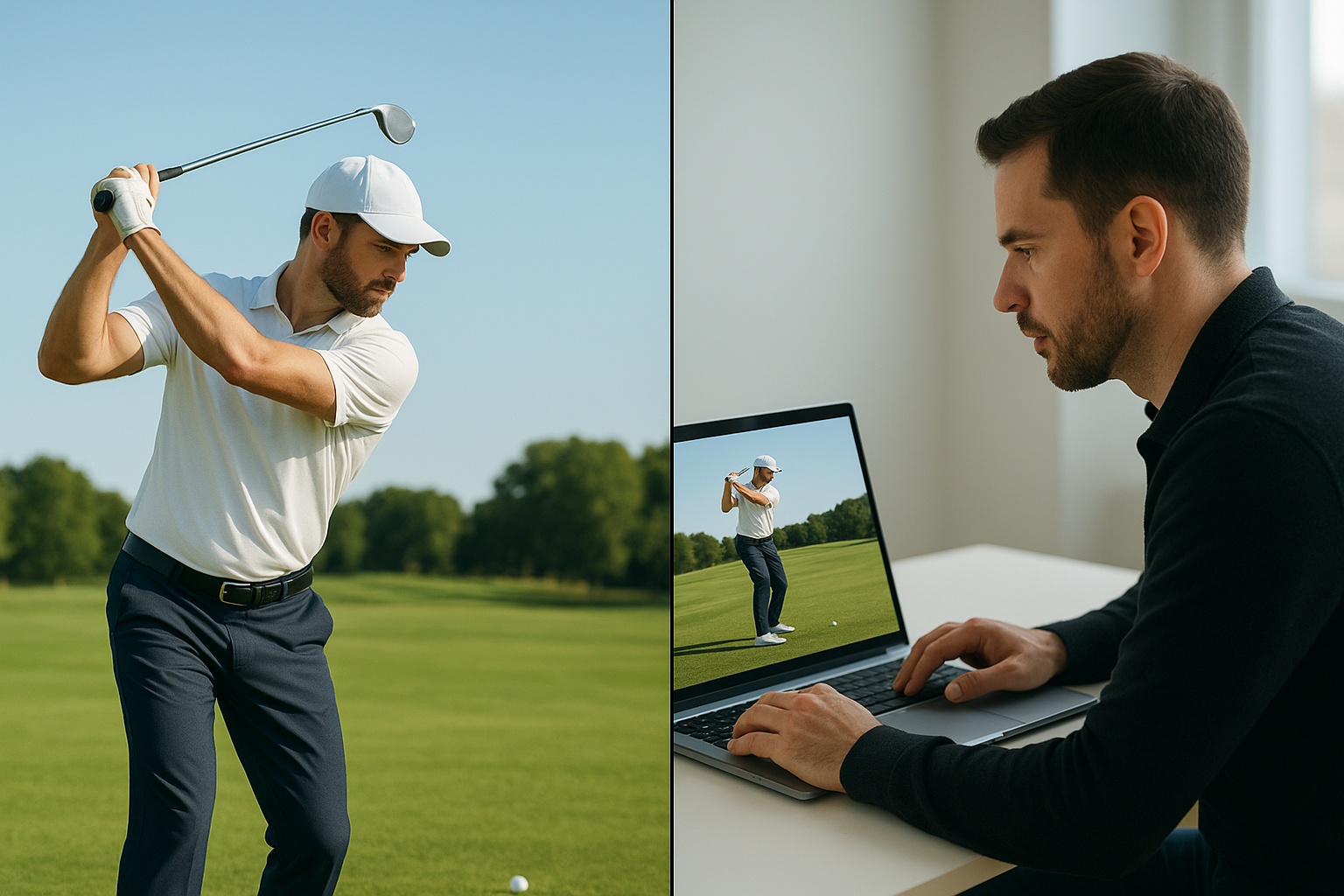
Combining local practice with remote swing analysis can close the gaps between in-person sessions.
Pairing On-Site Lessons With Data-Driven Remote Coaching
For competitive amateurs, collegiate players, and aspiring professionals, the strongest results often come from combining local, in-person work with expert remote analysis. Specifically, platforms built around kinesiology, the scientific study of human movement, can pinpoint mechanical inefficiencies that visual coaching alone might overlook.
Yourgolfguru.com, for instance, offers online instruction developed by an LPGA Master Professional who also holds a PhD in kinesiology, blending biomechanical science with decades of teaching experience. Because the coaching is delivered digitally, players anywhere can access advanced technical guidance without traveling to a physical facility. In practice, this means a junior golfer in a small town can receive the same caliber of feedback as someone training near a major golf academy. Resources such as the golf science video library, the minimalist swing system, and the guide to generating more impact power all reinforce lessons learned on the range. Consequently, many serious players now treat in-person sessions and remote analysis as two halves of the same training plan rather than competing options.
Tips to Maximize Every In-Person Golf Lesson
Showing up is only the first step. To truly get in person golf lessons for maximum success, players need to treat each session as part of a longer development plan rather than an isolated event.
- Arrive warmed up so lesson time focuses on correction, not stretching.
- Ask the instructor to explain the “why” behind each adjustment, not just the “what.”
- Take notes or record short video clips immediately after each key correction.
- Practice drills within 48 hours of the lesson while cues are still fresh.
- Review progress with your coach at the start of the next session before moving forward.
Common Mistakes That Undermine In-Person Coaching Results
Even with a highly qualified instructor, certain habits can quietly limit progress. For instance, some golfers switch instructors too often, never allowing a coaching relationship to mature past the introductory phase. Others skip practice between lessons entirely, which causes new mechanics to fade within days.
Similarly, players sometimes focus on quick fixes for ball flight instead of addressing underlying swing mechanics, which tends to produce short-term results that don’t hold up under competitive pressure. As explained in this coaching guide for aspiring professionals, sustainable improvement almost always requires patience, structured practice, and a coach who understands both technique and physical safety. According to the CDC’s guidance on physical activity, proper movement mechanics also play a role in reducing overuse injuries, which is especially relevant for golfers training at a high volume.
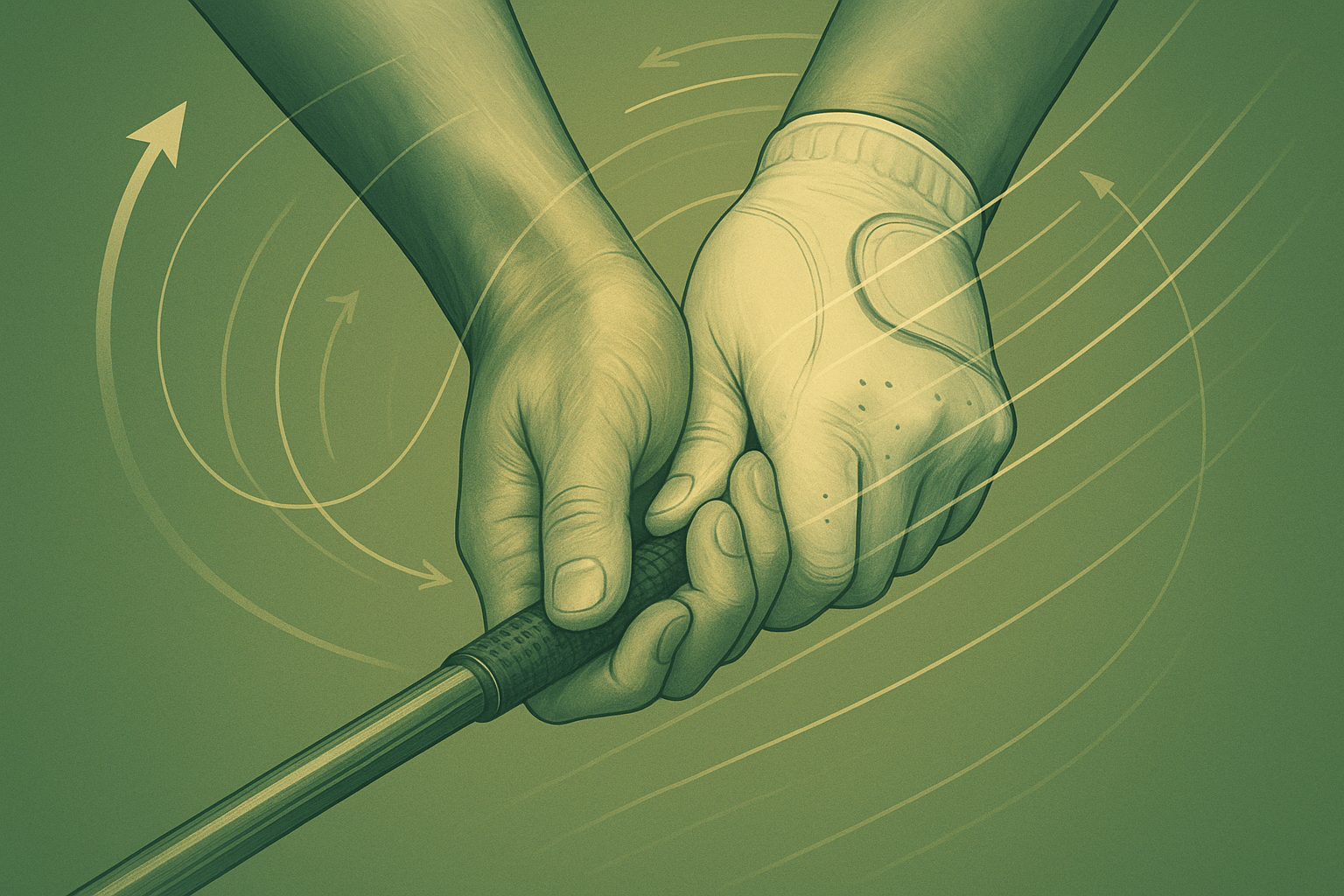
Understanding swing biomechanics helps coaches correct movement patterns safely and effectively.
Frequently Asked Questions About In Person Golf Lessons for Maximum Success
What are in person golf lessons for maximum success?
In person golf lessons for maximum success are structured, face-to-face coaching sessions where an instructor observes your swing live and gives real-time feedback. This hands-on correction helps players fix posture, grip, and tempo faster than self-study alone.
How much do in-person golf lessons typically cost?
In-person golf lessons generally range from $60 to $200 per hour depending on the instructor’s credentials and location. Elite-level coaches, including those with tour experience, often charge on the higher end of that range.
How often should competitive golfers take lessons?
Competitive golfers usually benefit from lessons every one to two weeks during active development phases. Consistent, spaced sessions allow new mechanics to become habits rather than temporary adjustments.
What should I look for in a qualified golf instructor?
Look for recognized certifications such as PGA or LPGA credentials, plus a track record coaching players at your skill level. Experience with competitive or collegiate athletes matters if you are chasing advanced performance goals.
Are online golf lessons as effective as in-person coaching?
Online golf lessons can be highly effective, particularly when they include detailed video analysis and biomechanical feedback from a qualified coach. For many competitive players, remote coaching also removes travel and scheduling barriers entirely.
How long does it take to see swing improvement?
Most golfers notice measurable changes within four to eight weeks of consistent lessons and practice. However, ingrained habits or complex mechanical flaws can take several months to fully resolve.
What is the biggest mistake golfers make in lessons?
The most common mistake is skipping practice between sessions, which causes new mechanics to fade quickly. Golfers who only work on their swing during the lesson itself rarely see lasting improvement.
Can in-person lessons help prevent golf-related injuries?
Yes, a qualified instructor can spot movement patterns that place excess stress on the back, wrists, or hips before they cause injury. Correcting these patterns early is especially important for players training at high volume.
What’s the difference between a PGA and LPGA certified instructor?
PGA and LPGA certifications both require rigorous testing and ongoing education, but they are administered by separate governing bodies for men’s and women’s professional golf. Both credentials indicate a verified level of teaching expertise.
How do kinesiology-based coaching methods improve swing mechanics?
Kinesiology-based coaching applies the science of human movement to identify inefficient patterns in the swing. This approach helps instructors correct mechanics in ways that improve power and consistency while reducing injury risk.
Should juniors and collegiate players train differently than adults?
Junior and collegiate players often need more frequent technical adjustments because their bodies and swings are still developing. Coaches typically balance technical work with physical conditioning to support long-term, injury-free growth.
What is the best way to combine in-person and remote coaching?
Many competitive golfers use in-person sessions for hands-on adjustments and remote, video-based coaching for ongoing swing review between visits. This hybrid approach keeps feedback consistent even when a local expert isn’t always available.
Final Thoughts
Ultimately, in person golf lessons for maximum success work best when they are part of a consistent, well-structured plan rather than a one-time fix. A qualified coach, clear goals, and regular practice between sessions make the biggest difference in how quickly a player improves. At the same time, geography and scheduling can limit access to elite-level, in-person coaching, which is why many competitive golfers now pair local lessons with science-based remote instruction. Whether you train primarily on the range or through a digital platform like yourgolfguru.com, the core principle stays the same: expert feedback, applied consistently, is what turns practice into real performance gains. For further reading on structured skill development, resources from the USGA and the Wikipedia entry on golf swing mechanics offer helpful background for players building a long-term training plan.