

Professional golf training is the structured, science-based coaching process that competitive and elite golfers use to refine swing mechanics, build consistency, and protect their bodies from injury. Unlike casual lessons, this approach blends biomechanical analysis with measurable performance goals, helping golfers translate practice into real results on the course. For serious players — collegiate athletes, competitive amateurs, and aspiring professionals — generic instruction rarely closes the gap between good and great. Instead, they need a data-driven method that treats the golf swing as a repeatable, trainable movement pattern. This article breaks down what professional golf training actually involves, why kinesiology matters, and how to build a program that supports long-term, sustainable improvement.
Direct answer: In short, professional golf training combines biomechanical swing analysis, structured practice programming, and injury-prevention strategies — typically guided by a credentialed coach — to help competitive golfers build power, accuracy, and consistency more efficiently than standard lessons.
What Is Professional Golf Training?
Professional golf training is a structured coaching methodology that applies sports science, video analysis, and performance metrics to improve a golfer’s swing efficiency and course results. It goes beyond weekly lessons by tracking measurable data, such as clubhead speed, launch angle, and consistency percentages, over time. As a result, golfers can identify precisely which mechanics need adjustment rather than guessing based on feel alone.
Elite programs are often led by coaches holding advanced credentials, such as an LPGA Master Professional designation or a PhD in kinesiology — the scientific study of human movement. Because these coaches understand joint mechanics and muscle sequencing, they can spot swing faults that create both inefficiency and injury risk. In addition, this approach shifts training from generic tips toward personalized, biomechanically sound instruction. For golfers who compete regularly, this precision matters: small mechanical corrections can translate into meaningful gains in distance, accuracy, and round-to-round consistency.
Why Elite Athletes Choose Science-Backed Golf Coaching
Competitive amateurs, collegiate players, and aspiring professionals typically outgrow standard local lessons fairly quickly. Consequently, they look for coaching that matches the intensity of their competitive schedule. Science-backed programs, like those built around kinesiology and biomechanics, offer a level of technical detail that generalized instruction cannot match.
For example, a coach trained in kinesiology can analyze how hip rotation, spine angle, and shoulder sequencing interact during the downswing. Furthermore, this analysis helps prevent overuse injuries, which are common among golfers who train at high volume. Research on golf-related injuries frequently links them to repetitive swing faults rather than single traumatic events, underscoring why mechanically sound coaching matters — a point supported by studies indexed through the National Center for Biotechnology Information.
Remote coaching platforms have also removed geographic barriers. Golfers no longer need to live near an elite academy to access this level of instruction; instead, they can submit swing video and receive detailed, credentialed feedback from anywhere, including through resources like yourgolfguru.com. This is particularly valuable for athletes exploring strategies for competitive golfers to improve fast.
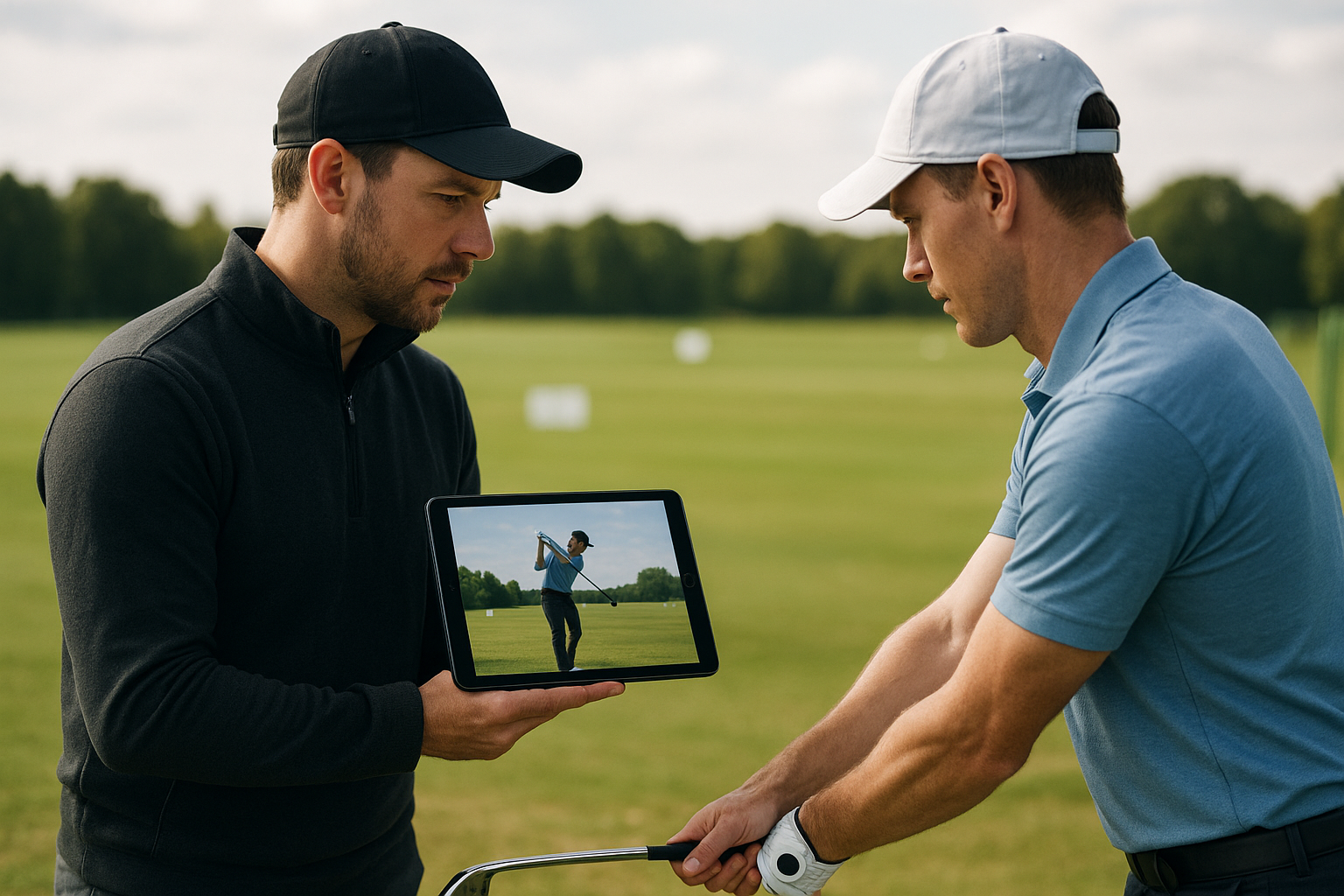
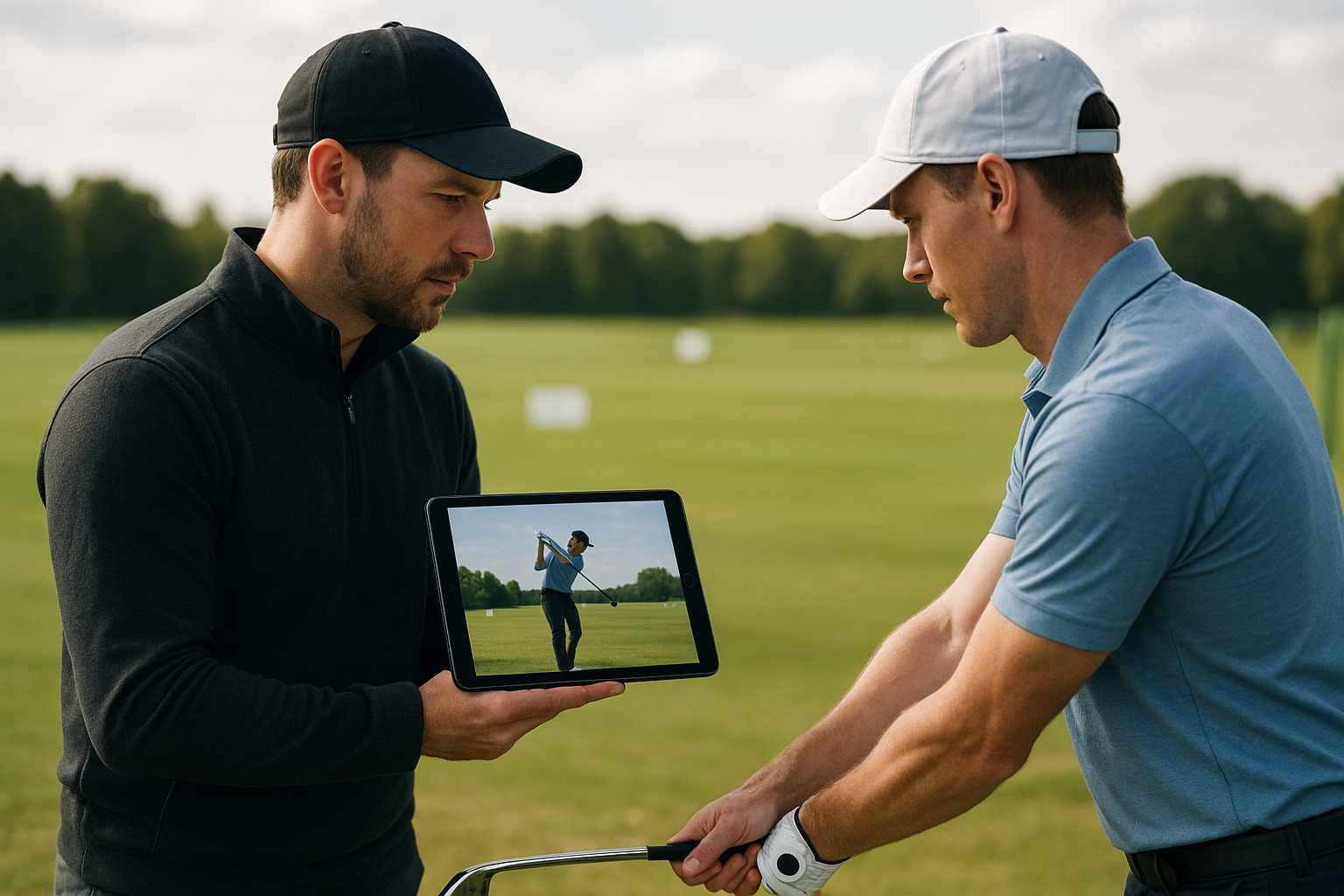
Reviewing swing video is a core part of any professional golf training session.
Key Components of a Golf Training Program
A well-designed program does not rely on random drills. Instead, it follows a sequence that builds on assessment, goal-setting, and consistent feedback. Below is a simplified version of the process many elite coaches use when structuring a golf training program for competitive players.
- Assess your current swing mechanics — get a biomechanical evaluation from a kinesiology-trained coach to identify inefficiencies and injury risks before starting any new drills.
- Set measurable performance goals — define specific targets for clubhead speed, accuracy percentage, and consistency scores so progress can be tracked objectively over each training block.
- Build a structured practice schedule — combine technical swing work, strength conditioning, and mental preparation into a weekly plan that balances volume with adequate recovery time.
- Review video and data feedback regularly — schedule consistent check-ins with your coach to analyze swing video, launch monitor data, and adjust technique based on measurable results.
- Adjust and progress the program — increase difficulty and specificity as your metrics improve, layering on-course scenarios and competitive pressure testing into your routine.
Each step feeds into the next, which is why skipping the assessment phase often leads to wasted practice time.
How Kinesiology Shapes Golf Swing Mechanics
Kinesiology is the scientific study of body movement, including how muscles, joints, and the nervous system work together during physical activity. In simple terms, it explains why certain swing positions create power efficiently while others create strain.
When a coach applies kinesiology within a professional golf training program, they look at movement patterns often invisible to the naked eye. For instance, sequencing — the order in which the hips, torso, arms, and hands rotate — determines both clubhead speed and joint stress. Similarly, a golfer with limited hip mobility may unconsciously overuse their lower back to generate rotation, a common source of injury.
By identifying these patterns early, kinesiology-based training allows adjustments that increase performance and reduce risk simultaneously. This approach contrasts with older training models that focused purely on visual swing checkpoints without addressing the physical mechanics producing them. As a result, science-backed correction tends to hold up better under competitive pressure, when swings are tested against fatigue and adrenaline.
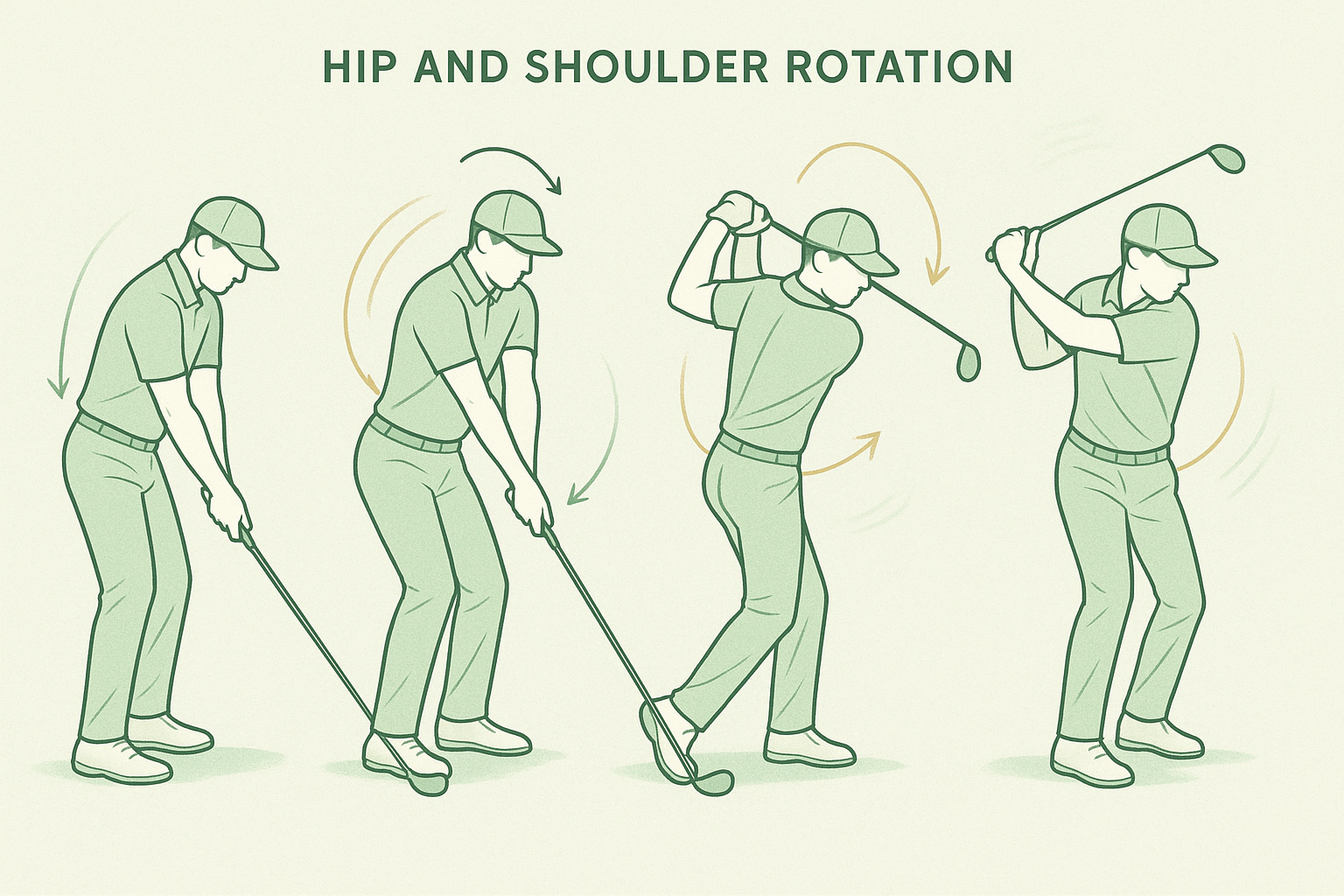
Understanding rotation sequencing is central to biomechanically sound swing training.
Choosing the Right Program for Competitive Play
Selecting a program is not only about credentials; fit matters too. Competitive golfers should look for coaching that matches their level of play, training volume, and specific goals.
Above all, verify the coach’s qualifications. A program led by an LPGA Master Professional with a PhD in kinesiology, for example, combines elite playing credentials with formal movement science training — an uncommon pairing in the golf industry. This combination supports both technical refinement and physical safety, which matters for golfers training at high volume.
Golfers who cannot access this level of expertise locally often turn to remote coaching platforms. Programs such as the coaching guide for aspiring golf professionals or the precision instruction pathway for competitive golfers illustrate how structured, remote coaching can replicate — and in some cases exceed — the specificity of in-person academy training. Golfers exploring more intensive options may also benefit from an intensive, science-backed path to elite play, which layers biomechanics, strength work, and competitive simulation into a single structured plan.
Common Mistakes That Slow Down Training Progress
Even motivated golfers can stall out if training lacks structure. Below are common issues that reduce the effectiveness of an otherwise solid program.
- Focusing on swing feel over data, which leads to inconsistent self-diagnosis.
- Skipping recovery and strength work, increasing injury risk during high-volume practice.
- Training without clear metrics, making it difficult to know if real improvement is occurring.
- Working with a coach who lacks movement-science background, especially for golfers dealing with physical limitations.
Avoiding these pitfalls typically requires a coach who blends technical feedback with physical literacy — the ability to understand how the body moves and adapts under load. According to the USGA, golfers who train with clear, structured feedback tend to retain swing changes longer than those relying on isolated tips.

Proper downswing mechanics are a key focus area in advanced golf training.
Frequently Asked Questions About Professional Golf Training
What is professional golf training?
Professional golf training is a structured, science-based coaching process that uses biomechanical analysis, measurable goals, and expert feedback to improve a golfer’s swing efficiency, consistency, and safety. It differs from casual lessons by relying on data rather than general tips.
How does professional golf training differ from local golf lessons?
Local lessons often focus on quick fixes for immediate results, while professional golf training builds a long-term plan based on swing mechanics, physical assessment, and performance tracking. Elite programs are typically led by coaches with advanced credentials in movement science.
How long does it take to see results from a structured golf training program?
Many golfers notice measurable swing changes within four to eight weeks of consistent, guided practice. However, full integration of new mechanics into competitive play often takes several months of repetition and feedback.
How much does professional golf training typically cost?
Costs vary widely depending on coach credentials, format, and program length, ranging from single video-review sessions to multi-month structured plans. Remote coaching platforms often cost less than in-person academy training while offering comparable expertise.
What credentials should a golf coach have for elite-level training?
Look for recognized playing or teaching credentials, such as an LPGA or PGA professional designation, combined with formal education in movement science like kinesiology. This pairing supports both technical accuracy and injury prevention.
Can professional golf training be done online?
Yes, many elite coaches now deliver professional golf training remotely using swing video, launch monitor data, and virtual check-ins. This format removes geographic barriers for golfers without access to elite academies nearby.
What is kinesiology’s role in golf swing improvement?
Kinesiology is the study of human movement, and it helps coaches understand how joints, muscles, and sequencing affect swing power and safety. Applying kinesiology allows more precise correction of faults that cause both inefficiency and injury.
What are the most common mistakes competitive golfers make in training?
Common mistakes include relying on swing feel instead of data, skipping strength and recovery work, and training without clear performance metrics. These habits often stall progress even when practice volume is high.
How often should serious golfers train each week?
Most competitive golfers benefit from three to six focused sessions per week that combine technical work, physical conditioning, and course-specific practice. Recovery time is equally important to avoid overuse injuries.
Is professional golf training suitable for junior or collegiate golfers?
Yes, junior and collegiate golfers often benefit the most, since early biomechanical correction can prevent long-term injury and build a durable swing foundation. Structured programs also help these athletes meet competitive performance standards sooner.
What equipment or technology is used in modern golf training?
Common tools include launch monitors, slow-motion video analysis, and wearable motion sensors that track swing sequencing. These tools give coaches objective data instead of relying solely on visual observation.
How can golfers prevent injury while training intensively?
Injury prevention starts with a proper biomechanical assessment to identify compensations that place excess stress on joints, especially the lower back and wrists. Balanced strength work and adequate recovery further reduce overuse injury risk.
What should I look for when choosing a golf training program?
Prioritize coaches with verifiable credentials, a data-driven methodology, and a track record with competitive players at your level. It also helps if the program offers flexible, remote access for consistent, ongoing feedback, such as the options detailed at yourgolfguru.com.
Final Thoughts
Ultimately, professional golf training gives competitive players a structured, evidence-based path toward better swing mechanics, greater consistency, and fewer injuries. Rather than guessing at fixes, golfers who commit to a kinesiology-informed program can track real progress and adjust with confidence. Whether working with a local elite coach or a remote platform, the same principles apply: assess honestly, set measurable goals, and stay consistent with feedback. For collegiate athletes, competitive amateurs, and aspiring professionals alike, this science-backed approach to professional golf training remains one of the most reliable ways to build lasting, sustainable performance gains.