

Virtual golf lessons for competitive players have become one of the fastest-growing ways for serious athletes to sharpen their swing without leaving home. Instead of relying only on a local instructor, players can now work directly with elite-level coaches through video analysis, biomechanical breakdowns, and structured remote feedback. For golfers chasing lower scores, college scholarships, or professional status, this shift matters because access to expert coaching often determines how quickly technical flaws get fixed.
Quick answer: Virtual golf lessons for competitive players are remote coaching sessions, usually built around swing video and biomechanical analysis, that let elite instructors deliver science-backed feedback from anywhere. They are designed for athletes who need advanced technical guidance beyond what typical local instruction provides.
What Are Virtual Golf Lessons for Competitive Players?
Virtual golf lessons for competitive players are structured, one-on-one coaching relationships conducted through digital platforms rather than in-person sessions. Specifically, a player submits swing footage, and a qualified instructor reviews it using biomechanics — the study of how muscles, joints, and forces work together during movement — to pinpoint exactly where technique breaks down.
Because the feedback is grounded in movement science rather than generalized tips, this format suits athletes who already have a solid foundation and need precision adjustments. As a result, many competitive amateurs, collegiate players, and aspiring professionals now treat virtual coaching as a core part of their training rather than a backup option. You can review a detailed walkthrough of this process on the golf lessons page.
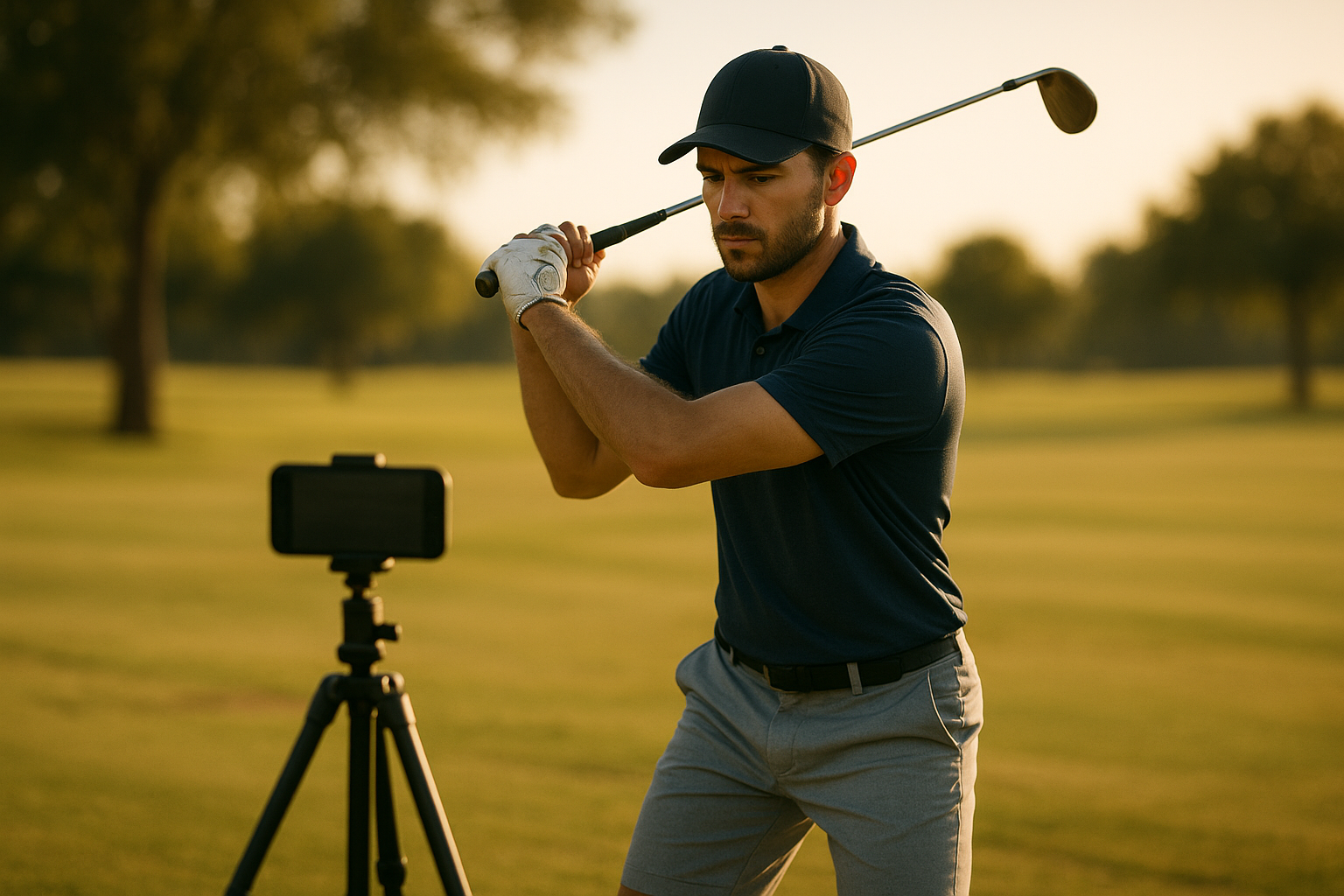
Recording accurate swing footage is the first step in virtual golf lessons for competitive players.
Why Competitive Golfers Choose Online Golf Coaching
Competitive golfers often outgrow what a local pro shop or club instructor can offer. In particular, players competing at a collegiate or elite amateur level need coaches who understand tournament pressure, advanced ball-flight laws, and long-term physical durability, not just basic setup fixes.
Consequently, online golf coaching has expanded rapidly because it removes geography as a barrier. A junior golfer in a small town, for example, can now train with an instructor who has decades of tour-level experience simply by uploading video. Furthermore, because sessions are recorded, players can revisit feedback repeatedly instead of trying to remember verbal cues from a single lesson.
According to industry estimates from the National Golf Foundation, fewer than one in four golfers ever receive formal one-on-one instruction, which highlights how rare specialized coaching remains — and how much of an edge it can create for those who seek it out consistently.
The Science Behind Remote Swing Instruction
Remote swing instruction works best when it’s rooted in kinesiology, the scientific study of human movement. Instead of guessing at what “looks off,” a kinesiology-trained coach can identify exactly which joint sequence or force pattern is limiting clubhead speed or causing inconsistency.
This matters because the golf swing involves rapid, coordinated movement across the entire kinetic chain, from the ground up through the hips, torso, and arms. Therefore, small inefficiencies early in the sequence often show up as bigger problems by impact. Similarly, understanding these mechanics helps prevent injury, since many common golf injuries stem from compensations athletes make to overcome a technical flaw. You can see this kind of analysis in action through the golf science videos library.
How Virtual Golf Lessons Work: A Step-by-Step Process
Although platforms vary slightly, most virtual golf lessons for competitive players follow a similar structure. Below is a typical process:
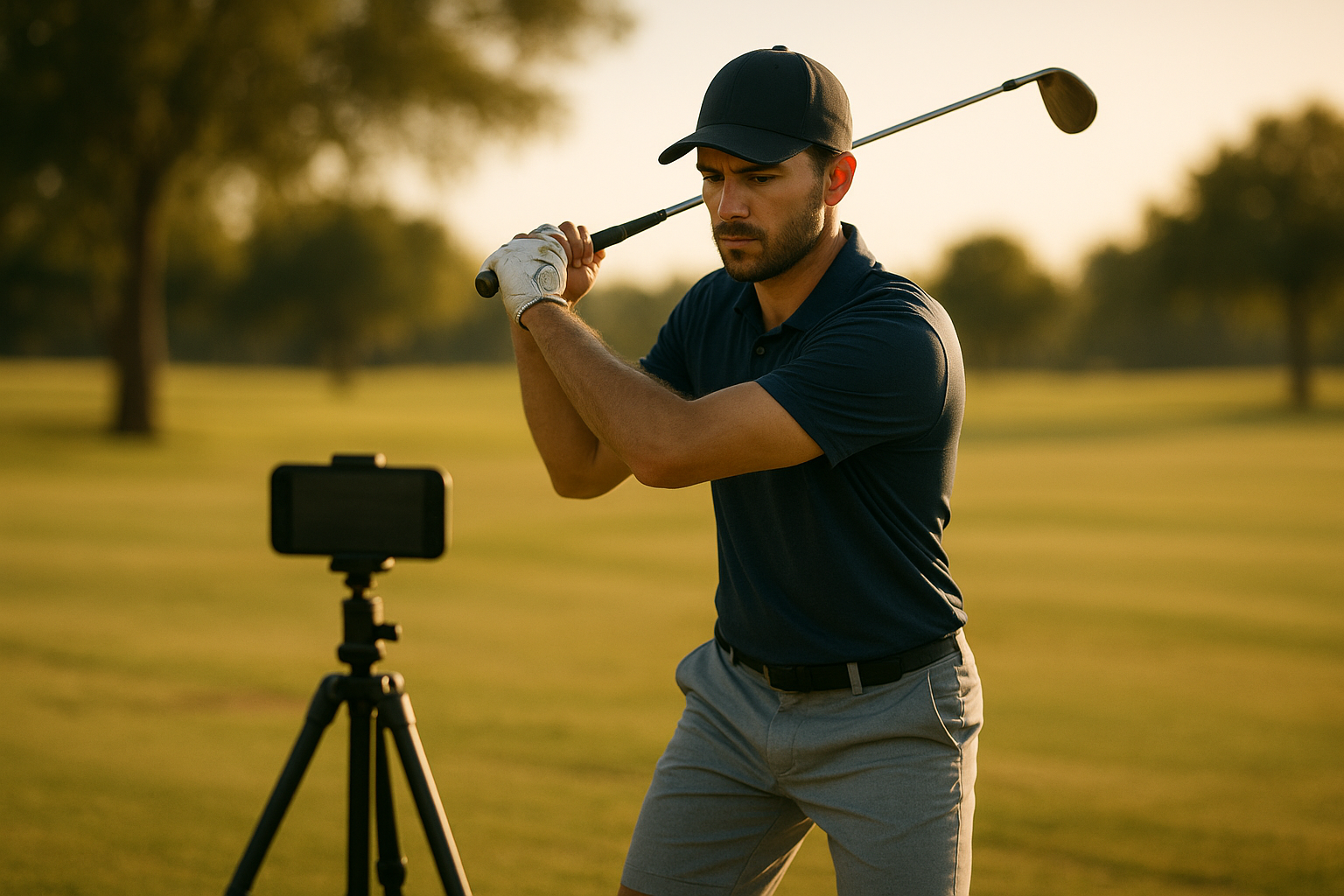
- Record swing footage: Capture slow-motion video from face-on and down-the-line angles using a smartphone on a tripod for stable, consistent framing.
- Submit for biomechanical review: Send the footage along with your current goals so the instructor can evaluate posture, sequencing, and force transfer.
- Receive personalized feedback and drills: Get a detailed breakdown of what’s happening mechanically, plus specific drills that target the root cause of the issue.
- Practice with structured follow-up: Apply the drills over several sessions, then schedule a review to confirm the changes hold up under competitive pressure.
- Track progress over time: Compare video and performance metrics across sessions to measure gains in accuracy, power, and consistency.
In short, the process mirrors an in-person lesson cycle, but with more detailed documentation and flexibility around scheduling. For a practical example of the drills involved, see this guide to hitting the ball further, straighter, and higher.
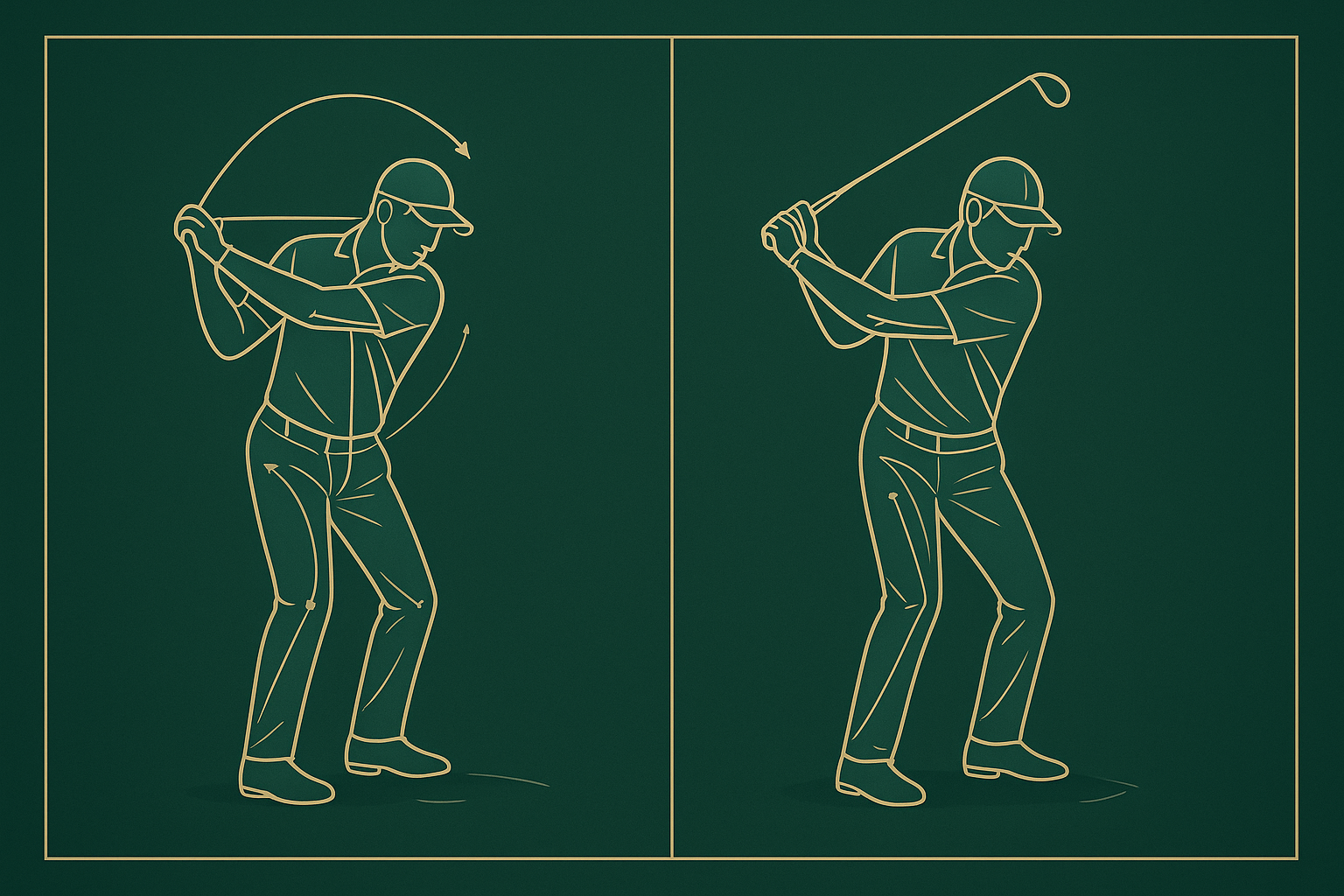
Biomechanical overlays help instructors pinpoint inefficiencies during remote swing review.
Who Benefits Most From Virtual Golf Training?
Virtual golf training tends to deliver the biggest gains for players who already compete regularly, such as collegiate athletes governed by NCAA programs, ambitious junior golfers, and adults chasing scratch-level handicaps. These players typically need refinement rather than beginner fundamentals, which fits well with detailed video-based coaching.
Aspiring professionals also benefit significantly, especially those preparing for qualifying tournaments who need consistent, data-driven feedback rather than occasional tips. In addition, players training in areas without access to elite-level local instruction often find that virtual coaching is the only realistic way to work with a credentialed specialist.
For a broader look at building a full season training plan around this kind of coaching, the resource on making this your best golf year outlines how structured goals pair with ongoing instruction.
Virtual Lessons vs In-Person Coaching: What’s the Difference?
In-person coaching allows an instructor to physically cue a player in real time, which can be useful for immediate feel-based adjustments. However, virtual lessons offer something in-person coaching often cannot: access to a highly specialized instructor regardless of where the player lives.
Moreover, video-based review tends to be more thorough because coaches can pause, slow down, and re-watch footage multiple times before responding, rather than relying on a single live look. As a result, many competitive players use a hybrid approach, combining occasional in-person work with ongoing virtual coaching for detailed technical progress.
Choosing the Right Online Golf Instructor for Elite Performance
Not all online golf coaching is created equal, so credentials matter. Above all, look for verifiable teaching qualifications, such as certification through a recognized body like the USGA or LPGA, along with any specialized education in movement science.
Similarly, ask how feedback is structured. A coach who provides written breakdowns, drill assignments, and follow-up review tends to produce better long-term results than one offering only a single recorded video response. Finally, consider whether the instructor has experience specifically with competitive players, since coaching a beginner and coaching a scholarship-track athlete require very different approaches. You can explore this kind of program directly at yourgolfguru.com.
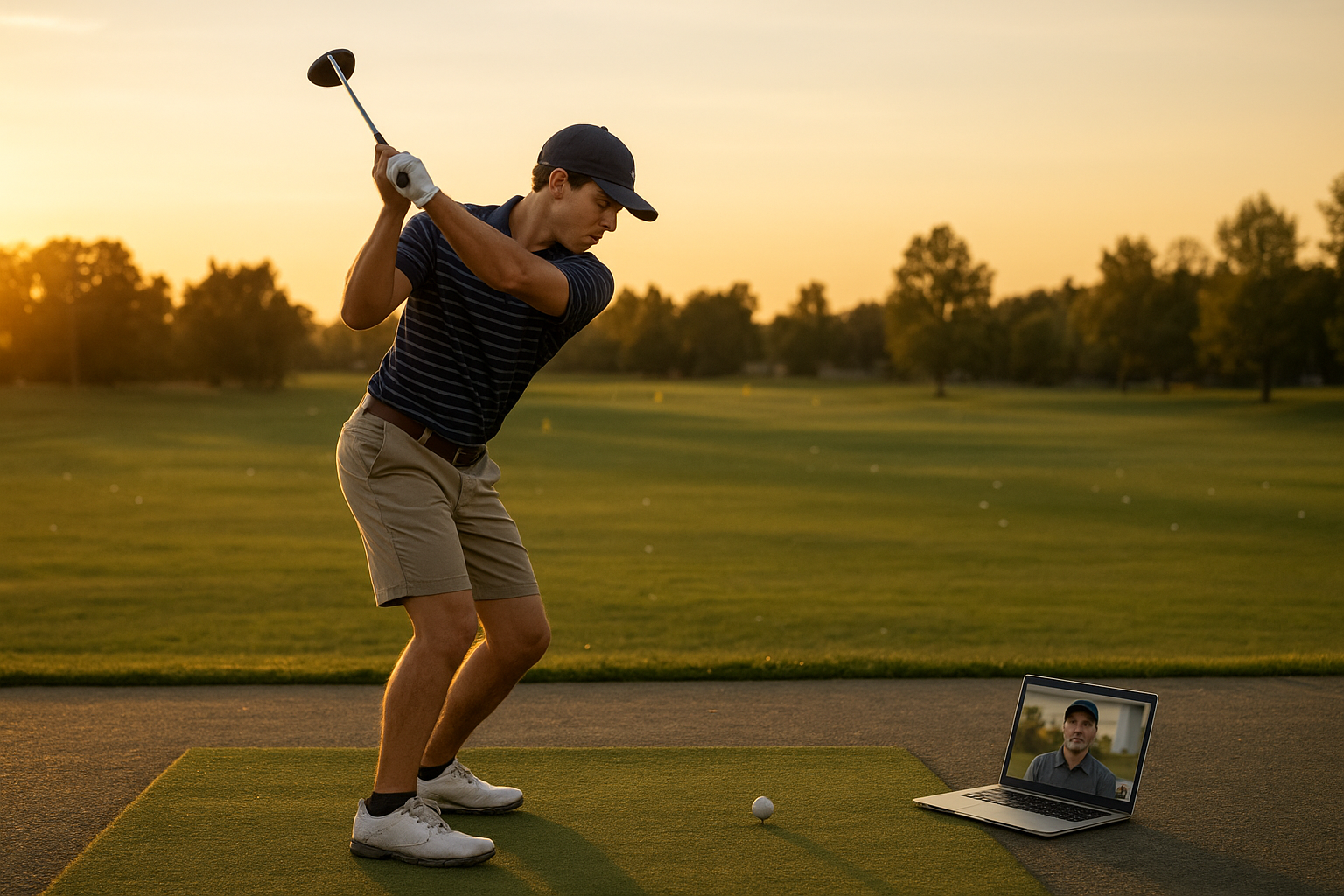
Collegiate and competitive amateur players increasingly rely on remote coaching to refine technique between tournaments.
Frequently Asked Questions About Virtual Golf Lessons for Competitive Players
What are virtual golf lessons for competitive players?
Virtual golf lessons for competitive players are remote, one-on-one coaching sessions where an elite instructor reviews swing video and biomechanical data to deliver personalized feedback. They allow serious athletes to access specialized instruction without traveling to a facility.
How do virtual golf lessons work?
Players record swing footage and upload it to a coaching platform. The instructor analyzes mechanics, provides feedback, and assigns drills, then follows up to track progress.
Are virtual golf lessons effective for elite performance?
Yes, when the instructor uses biomechanical analysis rather than generic tips. Many collegiate and competitive amateur players see measurable gains in consistency and power within a season.
How much do virtual golf lessons cost?
Pricing varies by coach and format, but virtual lessons are typically less expensive than in-person elite coaching since there are no facility or travel costs.
How long does it take to see improvement with online coaching?
Most players notice measurable changes within four to six weeks of consistent practice. Deeper mechanical changes can take a full season to fully integrate under pressure.
What equipment do I need for online golf coaching?
A smartphone with slow-motion video, a tripod, and a stable internet connection are usually sufficient. Some coaches also request launch monitor data if available.
Can virtual lessons fix swing faults as well as in-person lessons?
In many cases, yes, particularly when the coach applies kinesiology-based analysis to find root causes. Video review often reveals details hard to catch in real time on a range.
Who benefits most from virtual golf training?
Competitive amateurs, collegiate athletes, and aspiring professionals benefit most, especially those without access to a qualified elite instructor nearby.
What is the difference between virtual and in-person golf lessons?
In-person lessons allow real-time physical cueing, while virtual lessons rely on detailed video breakdown and recorded feedback. Both can be effective, though virtual coaching removes geographic limits.
How often should I take virtual golf lessons?
Most competitive players benefit from a session every one to three weeks, paired with structured practice between sessions.
What credentials should a virtual golf coach have?
Look for certification such as LPGA or PGA status, plus specialized education like kinesiology or biomechanics, which indicates a scientific approach to movement analysis.
Can virtual golf lessons help prevent injury?
Yes, coaches trained in kinesiology can identify swing patterns that place excess stress on the spine, hips, or shoulders and correct them early.
What is kinesiology-based golf instruction?
It applies the science of human movement to analyze how the body generates and transfers force during the swing, improving both performance and safety.
How do I choose the best virtual golf coach for competitive play?
Prioritize elite-level credentials, a track record with competitive athletes, and a structured feedback process rather than one-off video responses.
Is video analysis accurate enough for serious swing changes?
High-frame-rate video combined with trained biomechanical analysis is generally accurate enough to identify meaningful faults, and it’s now a standard tool even among in-person coaches.
Final Thoughts
Ultimately, virtual golf lessons for competitive players remove the biggest obstacle standing between serious athletes and elite-level instruction: geography. Because coaching now happens through detailed video review and biomechanical analysis, players can work with a specialist regardless of where they live or train.
Whether the goal is a lower handicap, a college roster spot, or a professional career, choosing a coach with real credentials and a structured feedback process makes all the difference. For competitive golfers ready to take that step, exploring a program built specifically around science-backed, elite-level virtual coaching is a logical next move.