

Swing correction techniques are the structured methods golfers use to identify, diagnose, and fix flaws in their swing mechanics. Whether you are a competitive amateur or an aspiring professional, small technical errors can quietly erode power, accuracy, and consistency over time. Fortunately, modern coaching blends biomechanics with hands-on feedback to correct these faults faster than trial-and-error practice ever could. In this guide, we will break down the science, the step-by-step process, and the most effective methods used by elite instructors today. Above all, understanding these techniques is the first step toward a more reliable swing under pressure.

Applying swing correction techniques during focused range practice helps golfers rebuild consistency.
What Are Swing Correction Techniques?
Swing correction techniques are a combination of diagnostic tools and targeted drills designed to eliminate faults in a golfer’s motion. In short, they help players move from an inconsistent swing to a repeatable one that holds up under pressure. Instead of guessing, coaches use video review, launch monitor data, and biomechanical analysis to pinpoint exactly where the swing breaks down.
For example, a golfer who slices the ball might assume the clubface is the problem, when the real issue is an inefficient top-of-backswing position. As a result, correcting the true root cause matters far more than treating the visible symptom. This distinction is exactly why science-based coaching, like the approach detailed in this breakdown of backswing inefficiencies, tends to outperform generic tips.
Why Correcting Swing Faults Matters for Competitive Golfers
Competitive golfers cannot rely on luck. Therefore, every stroke saved from a more consistent swing directly affects tournament results. Unlike casual players, competitive amateurs, collegiate athletes, and aspiring professionals face a smaller margin for error, since even minor swing plane deviations show up under pressure.
In addition, uncorrected faults tend to compound over time. A golfer who compensates for one issue often develops a second one to counteract it, creating a chain of inefficient movements. Consequently, addressing swing faults early prevents years of unlearning bad habits later in a competitive career.
Common Swing Faults That Require Correction
Several faults appear repeatedly among competitive players, and each produces a predictable pattern in ball flight. Specifically, coaches often see the following issues during video analysis:
- An over-the-top swing path that produces a pull or slice, explained in detail in this guide to the over-the-top swing.
- Early extension, where the hips move toward the ball during the downswing, reducing rotational power.
- Excessive or inefficient overall swing movement, which is discussed further in this analysis of reducing swing movement.
- Loss of posture through impact, which affects both accuracy and long-term joint health.
According to the general mechanics of the golf swing, small deviations in sequencing can significantly change club path and face angle at impact. That is precisely why coaches prioritize root-cause analysis over quick fixes.
The Science Behind Effective Swing Correction Techniques
Effective swing correction techniques rely heavily on kinesiology, the scientific study of human movement, explained further on Wikipedia’s kinesiology overview. This field examines how joints, muscles, and rotational forces work together during athletic motion. As a result, coaches trained in kinesiology can identify inefficiencies that purely visual coaching often misses.
For instance, biomechanical feedback tools have shown measurable results in structured training environments. Research on movement-based coaching has found that golfers who receive objective feedback, rather than verbal cues alone, tend to improve swing plane consistency significantly faster within a similar training period. Similarly, real-world case studies illustrate this principle in action, such as this case study of an experienced senior golfer who used data-driven correction to restore lost distance safely.
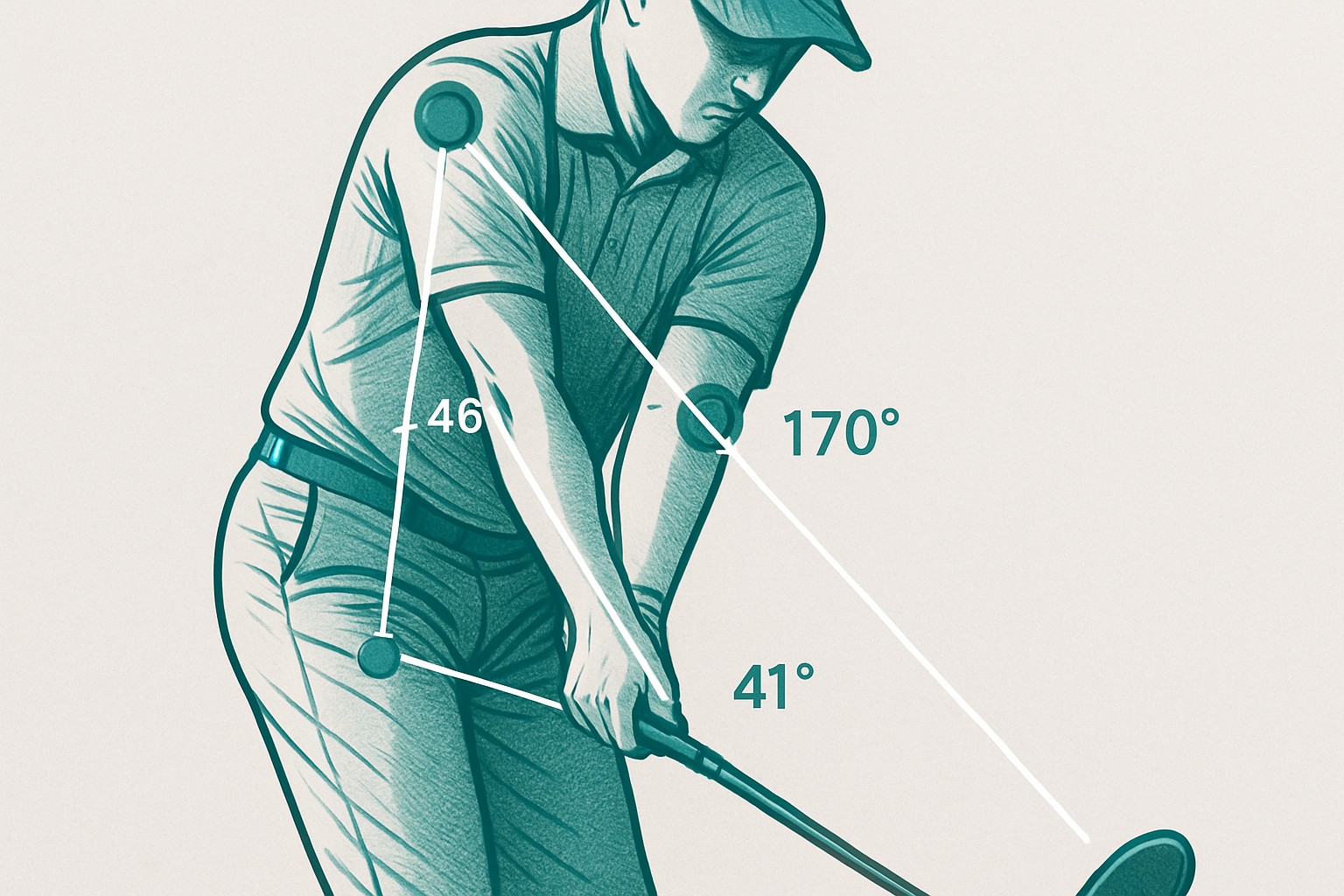
Kinesiology-based analysis reveals joint sequencing issues that purely visual coaching often overlooks.
Step-by-Step Process to Correct Your Golf Swing
Once a fault is identified, the correction process should follow a clear sequence rather than random experimentation. The following steps outline how coaches typically structure this process:
- Record your swing from multiple angles. Film face-on and down-the-line footage during both practice and live rounds to capture true movement patterns.
- Identify the root cause. Work with a coach to trace the visible fault back to its true origin, since compensations often mask the real issue.
- Select one targeted drill. Focus on isolating a single faulty movement instead of trying to change several positions simultaneously.
- Practice with feedback loops. Use short, frequent sessions and compare progress against video or data to keep adjustments accurate.
- Test the change under pressure. Validate the new pattern on the course, since a fix that only holds up on the range is not finished yet.
Advanced Swing Correction Methods for Elite Players
Elite and collegiate players often need more advanced correction methods than casual golfers. For example, the stack and tilt approach reorganizes weight transfer and spine angle to improve ball striking consistency, a concept explored in this analysis of stack and tilt principles. In contrast, some players benefit more from sequencing adjustments alone, without a full positional overhaul.
Furthermore, advanced correction usually requires ongoing measurement rather than a one-time fix. Golfers competing at a high level should expect periodic reassessment, since swing mechanics can drift under fatigue or during heavy competitive schedules.
How to Choose the Right Swing Correction Coach
Choosing the right coach matters as much as the correction technique itself. Above all, look for instructors who combine credentialed teaching experience with a science-based understanding of movement. Remote platforms have made this easier, since geographic location no longer limits access to elite-level expertise.
For instance, Your Golf Guru’s online coaching platform pairs LPGA Master Professional experience with a PhD in kinesiology, offering data-driven analysis for competitive amateurs, collegiate players, and aspiring professionals. According to the PGA’s coaching resources, credentialed instruction combined with objective feedback consistently produces more reliable long-term results than informal tips alone.
Common Mistakes to Avoid When Correcting Golf Swing Flaws
Even motivated golfers make predictable mistakes when attempting swing corrections on their own. Specifically, many players try to fix several faults at once, which usually creates confusion rather than progress. Others focus on the follow-through when the real problem starts earlier in the backswing.
Similarly, some golfers skip the testing phase entirely, assuming a drill that works on the range will automatically transfer to the course. However, pressure changes movement patterns, so validation under realistic conditions remains an essential final step.

Structured drills, like alignment stick practice, reinforce corrected movement patterns over time.
Frequently Asked Questions About Swing Correction Techniques
What are swing correction techniques?
Swing correction techniques are structured methods coaches use to identify and fix flaws in a golfer’s swing mechanics. They combine video analysis, biomechanical assessment, and targeted drills to restore power, accuracy, and consistency.
How do I know if my golf swing needs correction?
Signs include inconsistent ball flight, a plateau in scoring, or recurring pain during the swing. If these patterns persist across multiple rounds, a professional swing assessment is usually the fastest path to improvement.
Why is swing correction important for competitive golfers?
Competitive golfers rely on repeatable mechanics under pressure, so small faults can cost strokes in tournament settings. Correcting these issues early prevents compensations that become harder to unlearn over time.
How much does professional swing correction cost?
Costs vary widely, from single-session local lessons to ongoing remote coaching packages with elite instructors. Online programs often provide more affordable access to advanced expertise than in-person academies.
How long does it take to fix a golf swing fault?
Simple faults can improve within a few weeks of focused practice, while deeply ingrained habits may take several months. Consistency and quality feedback matter more than the total number of practice hours.
What is the difference between swing correction and a full swing overhaul?
Swing correction targets specific faults within an existing motion, while a full overhaul rebuilds the swing from the ground up. Most competitive players benefit more from targeted correction than a complete rebuild.
What are the most common swing faults amateurs need corrected?
Common faults include an over-the-top swing path, early extension, and an inefficient top-of-backswing position. Each fault tends to produce a predictable ball flight pattern that helps coaches diagnose it quickly.
Can I correct my swing without a coach?
Self-correction is possible for minor issues using video feedback, but complex faults usually require expert analysis. Without objective feedback, golfers often reinforce the same compensation they are trying to fix.
What tools do coaches use for swing correction techniques?
Coaches commonly use slow-motion video, launch monitors, and motion analysis software to measure swing plane, clubhead speed, and body sequencing. These tools remove guesswork from the diagnosis process.
What mistakes do golfers make when trying to self-correct their swing?
A frequent mistake is fixing the symptom rather than the root cause, such as adjusting the follow-through when the real fault starts in the backswing. This often creates new compensations instead of solving the original problem.
How does kinesiology improve swing correction techniques?
Kinesiology, the study of human movement, helps coaches understand how joints and muscles sequence energy through the swing. This science-based view allows corrections that improve performance while reducing injury risk.
Is online golf instruction effective for swing correction?
Yes, remote coaching can be highly effective when it includes detailed video review and personalized drills. It also gives golfers access to specialized instructors regardless of their location.
What is the over-the-top swing fault and how is it corrected?
An over-the-top swing happens when the club moves outside the ideal downswing path, often causing a slice or pull. Correction usually involves adjusting the transition sequence so the lower body leads before the arms release.
How often should I practice swing correction drills?
Short, focused sessions three to five times per week tend to produce better results than infrequent long sessions. Quality repetition with feedback matters more than total swing volume.
When should a collegiate or aspiring pro golfer seek advanced swing correction help?
Advanced players should seek expert help when local instruction no longer explains performance plateaus or recurring faults under pressure. At that level, biomechanical analysis often uncovers issues generic lessons miss.
Final Thoughts on Swing Correction Techniques
In summary, swing correction techniques work best when they combine accurate diagnosis, targeted drills, and consistent feedback. Rather than chasing quick fixes, competitive golfers benefit most from addressing root causes with science-backed methods. As a result, players who commit to this process tend to see more durable improvements in power, accuracy, and consistency over time.
Ultimately, the golfers who progress fastest are those who pair credentialed coaching with objective feedback rather than guesswork. Whether you are refining a single fault or rebuilding a larger pattern, applying proven swing correction techniques with patience and structure remains the most reliable path to long-term performance gains.