


Golf performance optimization is the process of using data, biomechanics, and structured coaching to help golfers swing with more power, greater accuracy, and lasting consistency. For competitive amateurs, collegiate athletes, and aspiring professionals, small mechanical adjustments can translate into significant scoring improvements. However, most local instructors lack the scientific background needed to diagnose subtle inefficiencies in a golfer’s motion. That is why serious players increasingly turn to specialized, science-backed programs that combine kinesiology with elite-level teaching experience. This article explains what golf performance optimization involves, why it matters, and how you can build a plan that produces measurable results on the course. Author: YourGolfGuru coaching team (kinesiology-trained coaches). Last updated: 2026-08-16.
What Is Golf Performance Optimization?
Golf performance optimization is the practice of analyzing a golfer’s swing mechanics, physical conditioning, and decision-making to systematically improve power, accuracy, and consistency while reducing injury risk. It relies on measurable data, such as clubhead speed and swing plane angles, rather than guesswork.
In practice, this means pairing biomechanics, the study of human movement, with a structured training plan. Unlike generic swing tips, a true optimization approach starts with an assessment of a player’s current mechanics. Specifically, a kinesiology-based coach examines joint angles, weight transfer, and timing to identify inefficiencies. Consequently, the golfer receives targeted drills rather than one-size-fits-all advice. For example, a program might combine video swing analysis, strength assessments, and on-course performance tracking to build a full picture of where power or accuracy is being lost. You can see a practical example of this approach in a breakdown on how to hit the ball farther, straighter, and higher.

Golf performance optimization pairs video analysis with measurable swing data to guide targeted improvement.
Why Optimizing Swing Performance Matters for Serious Golfers
Above all, optimization matters because it turns vague frustration into a clear improvement path. Many competitive golfers plateau not because they lack talent, but because they never receive a precise diagnosis of what is limiting their game. In contrast, a structured, science-based approach identifies the exact source of lost distance, inconsistent contact, or recurring pain.
Research in sports biomechanics suggests that even a modest five percent increase in clubhead speed can add ten or more yards off the tee for many golfers. Furthermore, addressing inefficient movement patterns early can meaningfully lower the risk of overuse injuries in the back, wrists, and hips. For a deeper look at how swing trends have evolved among elite players, the analysis in this piece on swing trends from the U.S. Open at Pinehurst No. 2 is a useful reference point.
The Science Behind Optimizing Your Golf Swing
At its core, optimizing a golf swing relies on kinesiology, the scientific study of human movement, to understand how the body generates and transfers force. According to the overview of kinesiology on Wikipedia, this field examines joint mechanics, muscle activation, and movement efficiency, all of which are directly relevant to a repeatable golf swing.
Similarly, biomechanical research, as outlined on the Wikipedia page on biomechanics, shows how forces travel through the kinetic chain, from the ground up through the legs, hips, torso, and arms, into the clubhead. When this sequencing breaks down, golfers often compensate in ways that feel fine in the short term but create long-term strain. That is precisely why unconventional swing philosophies deserve consideration; the discussion in thinking outside the golf swing box explores how rigid, one-size-fits-all instruction can hold serious players back.
5 Steps to Build a Golf Performance Optimization Plan
Building an effective plan does not require guesswork. Instead, it follows a repeatable sequence that any competitive golfer can apply.
- Get a baseline swing assessment. Record slow-motion video from two angles and, if possible, capture clubhead speed and launch data to establish a clear starting point before making any changes.
- Identify mechanical inefficiencies. Work with a kinesiology-trained coach to pinpoint where power leaks, poor sequencing, or unsafe joint loading are limiting distance, accuracy, or long-term durability.
- Build a customized training plan. Translate the assessment into specific drills that target your exact inefficiencies instead of relying on generic tips that ignore your individual movement patterns.
- Train strength and mobility alongside technique. Pair swing drills with rotational strength and mobility work so your body can physically support the new mechanics under competitive pressure and fatigue.
- Track data and adjust over time. Review clubhead speed, dispersion, and on-course results every few weeks, then adjust the plan based on what the data shows rather than how a single round felt.
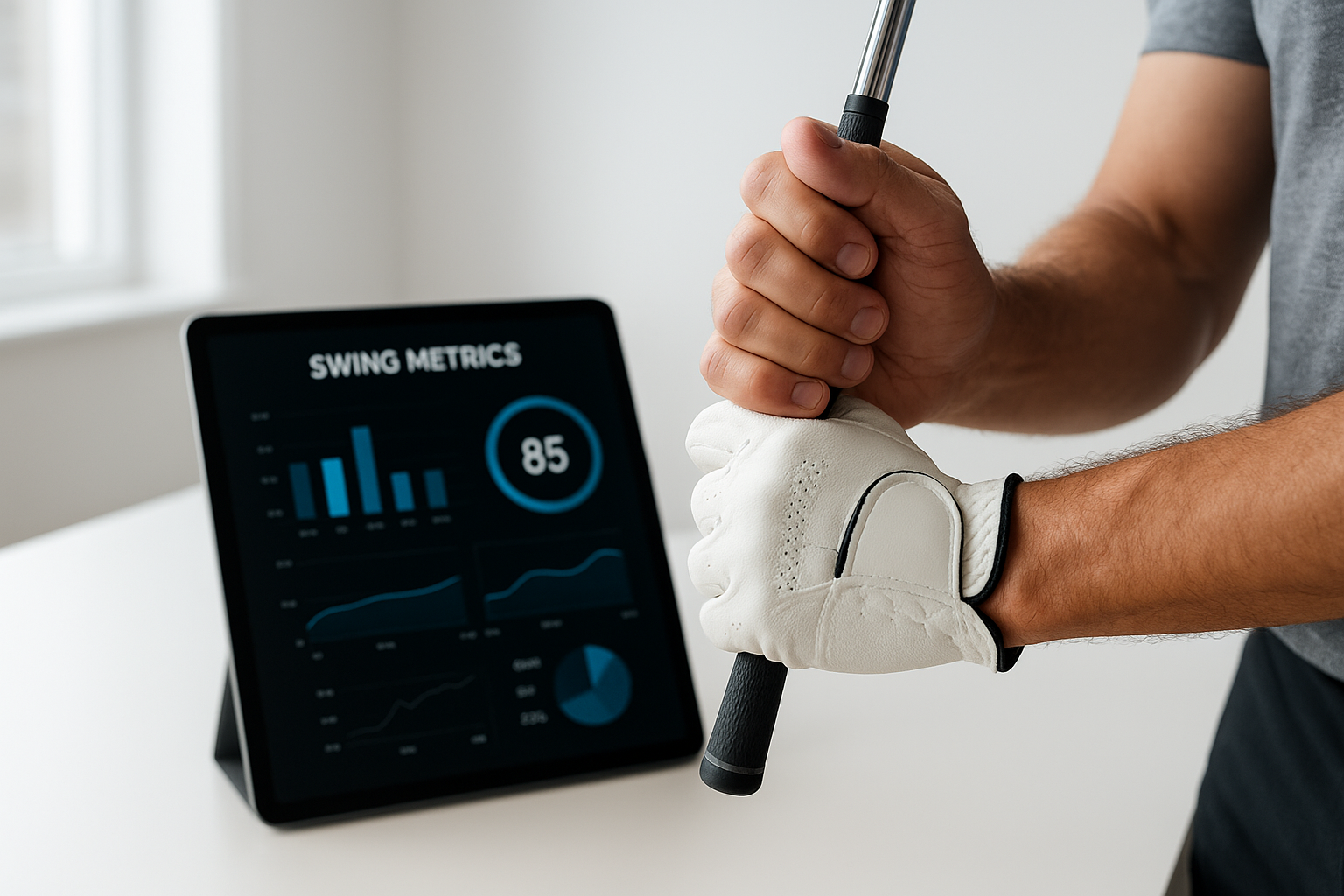
Tracking measurable data over time keeps a golf performance optimization plan on course toward real gains.
Common Mistakes That Undermine Swing Performance Gains
Even motivated golfers sabotage their own progress in predictable ways. For instance, chasing multiple swing tips from different sources at once often creates conflicting habits rather than steady improvement. In addition, many players ignore mobility and strength limitations, then wonder why a technical fix will not “stick” under pressure.
Another frequent error is misunderstanding widely repeated swing theories. As explored in this detailed breakdown of the X-Factor myth, some popular concepts are oversimplified or misapplied, leading golfers to train the wrong movement entirely. Similarly, seasonal inconsistency is a common trap; balancing swing work with fitness training, as discussed in this winter golf plan comparing swing versus fitness improvement, helps prevent regression during the off-season.
How Remote, Data-Driven Coaching Supports Long-Term Optimization
Notably, geography no longer limits access to elite-level instruction. Remote coaching platforms allow golfers to work directly with highly credentialed specialists, including instructors who hold advanced degrees in kinesiology, regardless of where they live or train. As a result, competitive amateurs, collegiate players, and aspiring professionals can access the same caliber of analysis once reserved for those near major training facilities.
Furthermore, this model supports true golf performance optimization because progress is tracked continuously rather than reassessed only during occasional in-person visits. According to the USGA, consistent, informed practice is a key differentiator among top-performing amateurs, which underscores the value of ongoing, data-backed feedback. Programs built on this model, such as the coaching approach detailed at YourGolfGuru.com, combine biomechanical science with elite teaching credentials to help serious golfers train safely and effectively from anywhere.
Frequently Asked Questions About Golf Performance Optimization
What is golf performance optimization?
Golf performance optimization is a data-driven process that combines biomechanics, physical conditioning, and structured coaching to improve a golfer’s power, accuracy, and consistency. It replaces generic tips with an individualized plan based on measurable swing data.
How long does it take to see results from golf performance optimization?
Most golfers notice measurable changes in clubhead speed or ball flight within four to eight weeks of consistent, targeted training. Full mechanical changes that hold up under competitive pressure often take a full season to solidify.
What is the difference between golf performance optimization and regular golf lessons?
Regular lessons often focus on quick fixes for a single round, while optimization programs use biomechanical assessment and long-term data tracking to address root causes. As a result, improvements tend to be more durable under pressure.
Why is biomechanics important in golf swing training?
Biomechanics, the study of how the body moves, reveals exactly where power is lost or where joints are placed under unsafe stress during the swing. This allows a coach to correct inefficiencies instead of guessing at fixes.
Can beginners benefit from golf performance optimization, or is it only for advanced players?
While the approach is especially valuable for competitive and elite golfers, beginners can also benefit by building efficient mechanics early. However, most programs are designed with serious, performance-focused players in mind.
How much does online golf performance coaching typically cost?
Costs vary widely depending on the depth of analysis, coach credentials, and program length, ranging from single video-review sessions to comprehensive multi-month plans. In general, specialized coaching with advanced credentials commands a premium over basic lesson packages.
What equipment do I need for remote swing analysis?
At minimum, you need a smartphone or camera capable of recording slow-motion video and a stable setup to capture your full swing from two angles. Some programs also use wearable sensors or launch monitors for additional data.
What are common signs that a golfer needs swing mechanics correction?
Inconsistent ball flight, recurring pain during or after play, and a scoring plateau despite regular practice are strong signs. These patterns often point to underlying mechanical inefficiencies rather than a lack of effort.
How does injury prevention factor into swing optimization?
A safe, efficient swing distributes force evenly across the joints instead of overloading the spine, wrists, or hips. Consequently, correcting risky movement patterns early helps golfers train and compete for longer without injury setbacks.
What role does physical fitness play in golf performance?
Strength, mobility, and rotational power directly influence clubhead speed and the ability to repeat a swing under fatigue. Therefore, most optimization plans pair technical drills with targeted physical conditioning.
How often should I review my swing data with a coach?
Reviewing data every two to four weeks is typical during an active improvement phase, allowing enough repetitions to reveal real trends. Competitive players preparing for a season may check in more frequently.
What is the biggest mistake golfers make when trying to improve their swing?
The most common mistake is chasing isolated tips from multiple sources instead of following one coherent, data-backed plan. This scattershot approach often creates conflicting habits rather than steady progress.
How is online coaching different from in-person lessons for elite players?
Online coaching removes geographic limits, letting elite players work with highly specialized, credentialed instructors regardless of location. In-person lessons offer immediate physical feedback, but online programs can still deliver detailed biomechanical analysis through video and data review.
Final Thoughts
In summary, golf performance optimization gives competitive players a clear, evidence-based path to better power, accuracy, and consistency without unnecessary injury risk. Rather than relying on scattered tips, it starts with an honest assessment, builds a targeted plan, and tracks real data over time. Ultimately, golfers who commit to this process, especially with guidance from kinesiology-trained, elite-level coaches, put themselves in the strongest position to keep improving long after a single lesson would have stopped helping. Whether you train locally or remotely, treating your swing as a science-backed, ongoing project is what turns short-term fixes into lasting performance gains.