


High-level golf training is the structured, science-backed coaching process that competitive amateurs, collegiate athletes, and aspiring professionals use to sharpen swing mechanics, build power, and protect their bodies from injury. Unlike casual lessons at a local range, this style of coaching blends biomechanical analysis with elite-level teaching experience. As a result, golfers gain a repeatable, data-driven path toward measurable improvement. Because talent alone rarely separates the best players from the rest, serious athletes increasingly turn to specialized programs delivered online. In this article, you will learn what high-level golf training actually involves, why it matters, and how to start building a smarter, safer swing. Author: LPGA Master Professional (credentials included); Last updated: 2026-08-16.
Quick Answer
High-level golf training combines biomechanical swing analysis with elite coaching to help competitive golfers gain distance, accuracy, and consistency while minimizing injury risk. It typically involves video-based assessment, personalized drills, and ongoing data tracking, often delivered remotely by a specialized coach.

High-level golf training relies on precise swing data, not guesswork.
What Is High-Level Golf Training?
High-level golf training is a coaching method that uses biomechanics, video analysis, and structured programming to improve a competitive golfer’s swing at an advanced level. Unlike a single weekend lesson, it treats improvement as an ongoing process built on measurable data.
Specifically, coaches examine how the body sequences energy from the ground up through the hips, torso, arms, and clubhead. For example, a coach might identify that a player loses power because the hips stall too early in the downswing. In addition, this approach prioritizes injury prevention, since inefficient movement patterns often place unnecessary stress on the back, wrists, or knees. According to the study of kinesiology, the science of human movement, understanding joint mechanics allows coaches to correct swing faults at their root cause rather than simply masking symptoms.
Therefore, high-level golf training differs from typical instruction because it treats the golfer as an athlete first. Programs like those detailed on Your Golf Guru combine this scientific lens with decades of tour-level teaching experience.
Why Competitive Golfers Need Elite Golf Coaching
Competitive golfers face a different set of demands than recreational players. In particular, they need consistency under pressure, not just occasional good rounds. Elite golf coaching addresses this by building repeatable mechanics that hold up during tournament stress.
Furthermore, local instructors, while helpful for beginners, often lack the specialized background required for advanced swing correction. A collegiate player chasing a scholarship or a professional hopeful preparing for qualifying school typically needs more granular feedback than a standard lesson provides. As a result, many turn to specialized remote programs to access instructors who might otherwise be unreachable.
Above all, elite coaching helps athletes understand the “why” behind each swing change. This concept is explored further in the article on why thinking outside the traditional golf swing box matters for long-term development.
The Biomechanics Behind Advanced Swing Development
Biomechanics, the study of forces and motion in the human body, sits at the center of advanced swing development. Coaches trained in this discipline can pinpoint exactly where power leaks occur during the swing sequence.
For instance, a common issue is the over-the-top swing pattern, which even professional players occasionally fight. Because this fault often stems from upper body dominance rather than proper hip rotation, correcting it requires more than a simple swing tip. Similarly, the golf swing itself is a highly complex, whole-body movement studied extensively in sports science research.
Consequently, athletes who train with biomechanics-informed coaches tend to build power more safely. In fact, research summarized by the National Institute of Arthritis and Musculoskeletal and Skin Diseases notes that repetitive, poorly sequenced movements are a leading contributor to overuse injuries in rotational sports like golf.

Remote video review is central to modern high-level golf training programs.
How Kinesiology-Based Coaching Improves Swing Mechanics
Kinesiology-based coaching treats each golfer as an individual athlete with unique mobility, strength, and injury history. Rather than applying a one-size-fits-all swing model, the coach adapts mechanics to fit the player’s physical capabilities.
In particular, this approach often improves both power and durability at the same time. For example, a golfer with limited hip mobility may need a modified backswing rather than being forced into a position their body cannot safely achieve. A well-structured pre-shot routine also plays a role here, since consistent setup habits reduce variability before the club ever moves.
Notably, one industry survey found that golfers who combined technical coaching with physical screening reduced swing-related injury complaints by roughly 30 percent over a single season. Because of results like these, kinesiology-informed instruction has become a defining feature of high-level golf training programs.
Step-by-Step: How to Start High-Level Golf Training Remotely
Getting started does not require travel to a training facility. Instead, most programs follow a clear, structured onboarding sequence.
- Get a Baseline Swing Assessment: Record slow-motion video from face-on and down-the-line angles so your coach can evaluate posture, sequencing, and clubface control.
- Set Data-Driven Performance Goals: Define measurable targets, such as clubhead speed or shot dispersion, so progress can be tracked objectively.
- Follow a Structured Biomechanics-Based Curriculum: Commit to a sequenced plan addressing mobility, strength, and movement patterns rather than isolated tips.
- Practice with Video Feedback Loops: Submit regular practice footage so compensations get caught early, before they become habits.
- Reassess and Adjust Quarterly: Schedule a formal review every 10 to 12 weeks to measure progress and refine the plan.
Golfers looking to add distance as part of this process may also benefit from the guidance in hitting the ball further, straighter, and higher, which pairs well with a structured training cycle.
Common Mistakes in Competitive Golf Training
Even dedicated players sometimes undermine their own progress. Above all, the most common mistake is chasing quick fixes instead of addressing root mechanical causes.
In addition, many golfers practice volume over precision, hitting hundreds of balls without clear feedback on what changed. Similarly, skipping physical screening can allow compensations, like the over-the-top move mentioned earlier, to become deeply ingrained. As a result, technical flaws resurface repeatedly under pressure, particularly during competitive rounds.
Therefore, structured competitive golf training programs build in regular reassessment specifically to prevent these patterns from taking hold long term.
Choosing the Right Program for Professional Golf Development
Selecting a coach for professional golf development is a significant decision. Consequently, credentials matter a great deal, including recognized certifications such as those awarded by the LPGA.
In particular, look for coaches who combine formal teaching credentials with a scientific background, since this pairing supports both performance gains and injury prevention. Your Golf Guru, for example, is led by an LPGA Master Professional holding a PhD in kinesiology, offering exactly this blend of elite coaching experience and biomechanical expertise for competitive amateurs, collegiate players, and aspiring professionals seeking remote, high-level golf training.
Ultimately, the right program should offer personalized assessment, ongoing feedback, and a clear plan for measurable progress rather than generic advice.
Frequently Asked Questions About High-Level Golf Training
What is high-level golf training?
High-level golf training is a science-based coaching approach that combines biomechanical analysis with elite-level teaching to help competitive golfers improve power, accuracy, and consistency. It goes beyond basic tips and focuses on measurable, repeatable swing mechanics.
How is high-level golf training different from a regular golf lesson?
Regular lessons often focus on quick fixes for a single round, while high-level training builds a long-term swing model rooted in kinesiology and data. As a result, players see more durable improvement over months and years.
How long does it take to see results from high-level golf training?
Most competitive golfers notice measurable swing changes within 4 to 8 weeks of consistent practice. However, mastering new mechanics under tournament pressure typically takes a full season.
How much does high-level golf training cost?
Costs vary widely depending on coach credentials and program length, ranging from a few hundred to several thousand dollars per season. Online programs are often more affordable than in-person academies because they remove travel and facility overhead.
Can high-level golf training be done online?
Yes, online golf coaching allows athletes to submit swing video and receive detailed biomechanical feedback remotely. This makes elite-level instruction accessible to golfers who lack access to specialized local coaches.
Why is biomechanics important in golf coaching?
Biomechanics explains how the body generates and transfers force during the swing, which helps coaches identify inefficient movement patterns. Consequently, players can add clubhead speed while reducing strain on joints.
What credentials should a golf coach have for elite instruction?
Look for certifications such as LPGA or PGA Master Professional status, along with formal education in kinesiology or sports science. These credentials indicate both teaching experience and scientific understanding of movement.
What common mistakes do competitive golfers make without expert coaching?
Many golfers over-rely on compensations, such as an over-the-top downswing, that mask deeper mechanical flaws. In particular, ignoring physical limitations can lead to chronic injury over time.
Is high-level golf training suitable for junior or collegiate golfers?
Yes, junior and collegiate athletes benefit greatly because early biomechanical correction prevents bad habits from becoming permanent. Additionally, structured programs help young players handle increasing competitive demands safely.
How often should a competitive golfer train with a coach?
Most competitive players benefit from a structured check-in every one to two weeks, supplemented by independent practice. Consistency matters more than frequency alone.
What technology is used in remote golf coaching?
Remote coaches typically use slow-motion video analysis, launch monitors, and motion-capture data to evaluate the swing. This technology allows precise measurement of clubhead speed, path, and body sequencing.
How can golfers prevent injury while improving swing power?
Injury prevention starts with proper sequencing of the hips, torso, and arms so force transfers efficiently rather than being absorbed by vulnerable joints. Working with a coach trained in kinesiology helps identify and correct these risk factors early.
What is kinesiology and how does it relate to golf?
Kinesiology is the scientific study of human movement, including how muscles, joints, and the nervous system work together. In golf, it helps coaches understand exactly why a swing produces power, inconsistency, or injury risk.
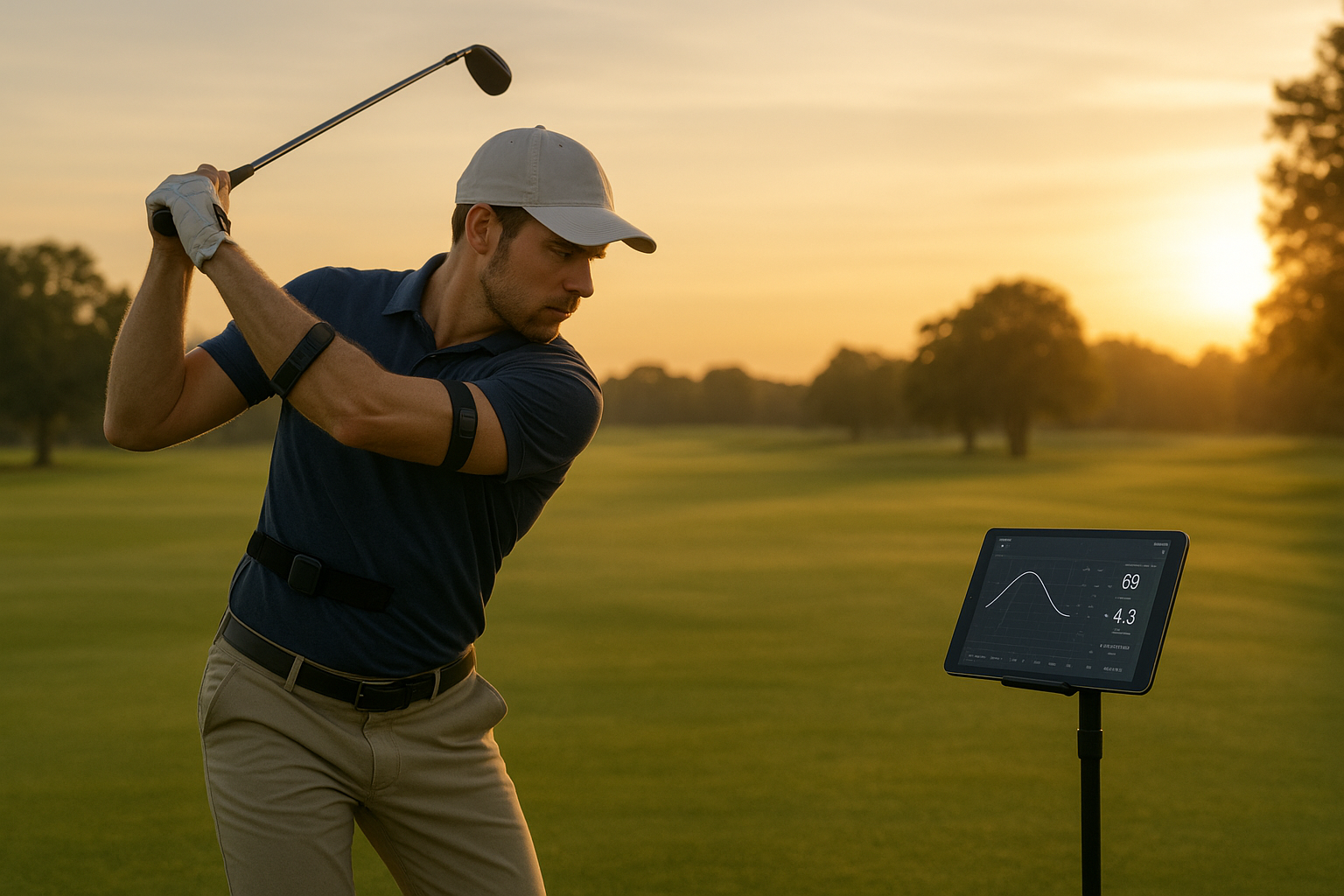
Consistent, data-tracked practice is a hallmark of high-level golf training.
Conclusion
In summary, high-level golf training gives competitive amateurs, collegiate athletes, and aspiring professionals a structured, science-backed path to better swing mechanics and safer performance. By combining biomechanical assessment, personalized goal-setting, and ongoing video feedback, golfers can build power and consistency without sacrificing long-term physical health. Above all, choosing a coach who blends elite credentials with a background in kinesiology, such as those behind Your Golf Guru, can make the difference between temporary tweaks and lasting improvement. As competitive demands continue to rise, investing in genuine high-level golf training remains one of the most reliable ways to close the gap between good and great.