

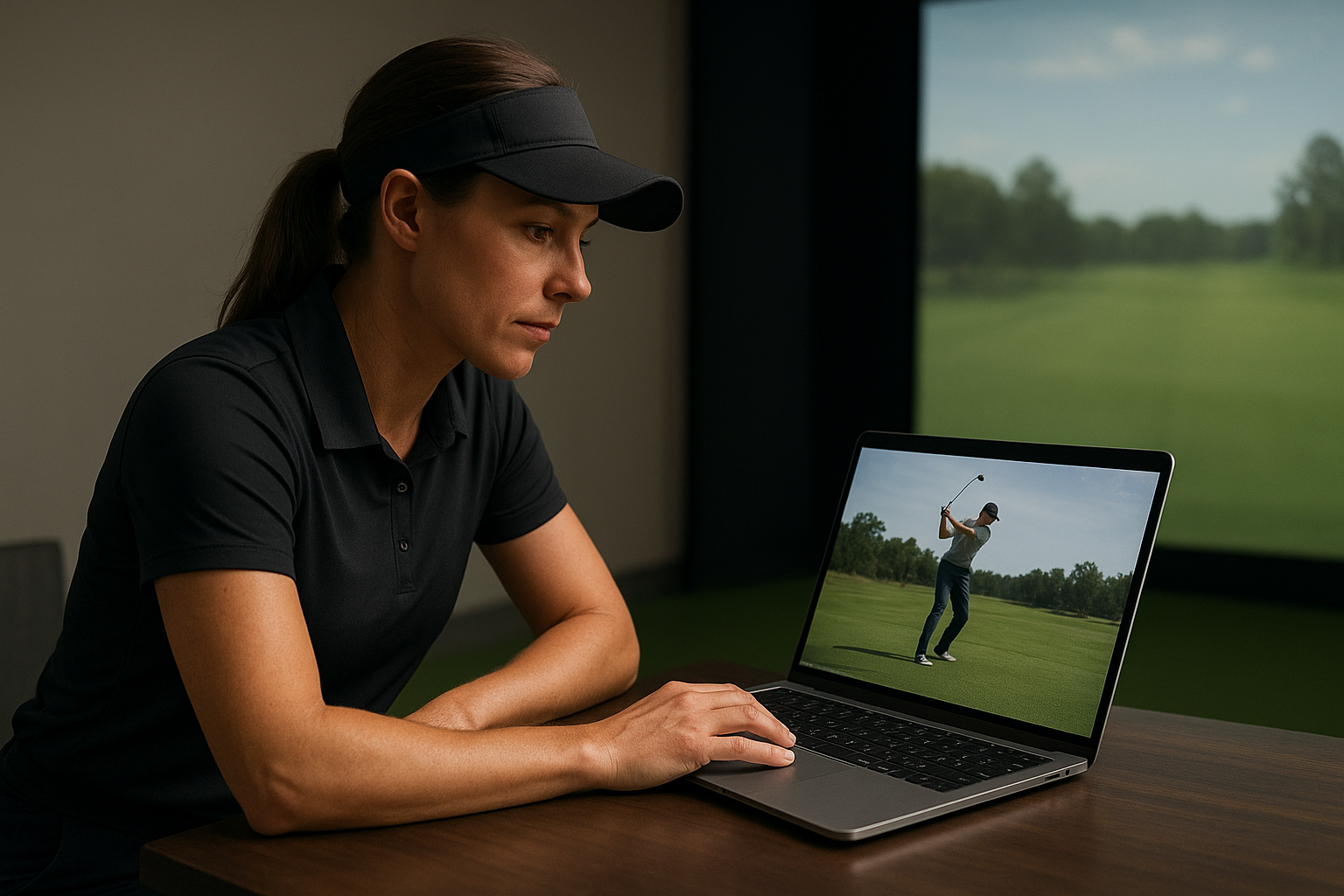
An LPGA master golf instructor brings a rare combination of elite teaching credentials and scientific training to every lesson. For competitive golfers who want more than generic tips, this level of coaching offers biomechanical precision that most local pros simply cannot match. In this guide, we’ll explore what the LPGA Master Professional designation means, why kinesiology-based coaching matters, and how remote instruction from a credentialed expert can transform your swing. Last updated: 2026-08-16.
Quick answer: An LPGA master golf instructor is a coach who has earned the LPGA’s highest teaching credential, the Master Professional designation. This requires years of documented experience, advanced exams, and ongoing certification in swing mechanics, teaching methodology, and player development.
What Is an LPGA Master Golf Instructor?
An LPGA master golf instructor is a coach who has completed the highest tier of certification offered by the LPGA’s teaching and club professional program. Unlike a standard Class A credential, the Master Professional designation demands additional exams, mentorship hours, and demonstrated success working with competitive players.
As a result, golfers who hold this title are qualified to work at a technical depth that goes well beyond swing tips. Specifically, they are trained to evaluate posture, sequencing, and force production with the same rigor used in elite athletic performance labs. Therefore, when a coach also holds a PhD in kinesiology, the combination becomes especially valuable for serious players.
Why Kinesiology Matters in Elite Golf Coaching
Kinesiology is the scientific study of human movement, meaning it examines exactly how muscles, joints, and force interact during athletic motion. In golf, this translates into understanding why a swing produces power, why it breaks down under pressure, and why certain movement patterns create injury risk over time.
In particular, a coach trained in kinesiology can pinpoint the root biomechanical cause of a swing fault rather than simply treating the visible symptom. For example, an inconsistent slice might stem from limited hip rotation rather than a hand or wrist issue. Consequently, corrections become more targeted, safer, and longer-lasting.
Furthermore, research on athletic movement patterns consistently shows that injury prevention and performance gains are closely linked. According to biomechanics literature referenced by organizations like the study of the golf swing, even small mechanical inefficiencies can compound into significant power loss or repetitive strain over a competitive season.
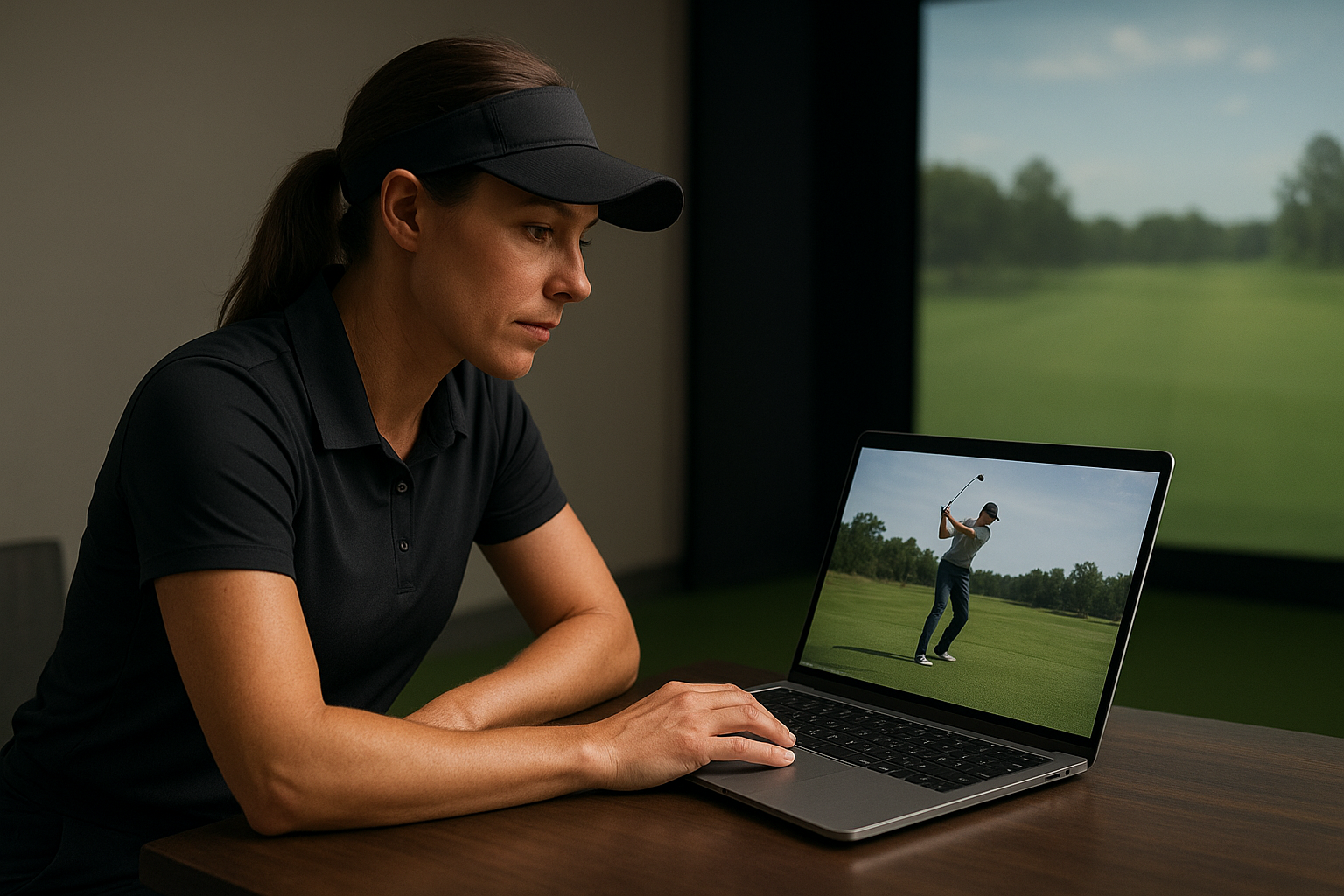
An LPGA master golf instructor reviewing swing mechanics through detailed video analysis.
How an LPGA Master Professional Diagnoses Your Swing
Typically, the diagnostic process begins with multi-angle video capture, followed by a structured movement screening. This allows the instructor to separate true mechanical limitations from simple habit or tension. In addition, many coaches use frame-by-frame comparison against efficient swing models to identify timing gaps in the kinetic chain.
Above all, this process prioritizes safety alongside performance. Since competitive golfers often practice at high volume, an LPGA master golf instructor with kinesiology training can flag movement patterns likely to cause overuse injuries before they become serious. As a result, players can pursue power and consistency without sacrificing long-term joint health.
How to Start Remote Coaching: A Step-by-Step Process
Getting started with online coaching from a credentialed instructor generally follows a consistent structure. Below is the typical process used by science-based remote coaching platforms.
- Submit baseline swing videos. Record several swings from front-on and behind-the-target angles using slow-motion video so the instructor can evaluate posture, sequencing, and club path accurately.
- Complete a movement screening. Answer questions about mobility, past injuries, and physical limitations so the coach can factor safety considerations into your swing plan.
- Review your personalized swing plan. Receive a detailed breakdown identifying the specific mechanical priorities that will most improve your power, accuracy, and consistency.
- Practice with structured feedback drills. Work through assigned drills between sessions, recording new videos so progress can be tracked and adjusted over time.
- Schedule ongoing video review sessions. Book recurring check-ins so the coach can refine your technique and prepare your swing for upcoming competitive events.
You can explore this exact process in more detail through the golf lessons program offered by yourgolfguru.com.
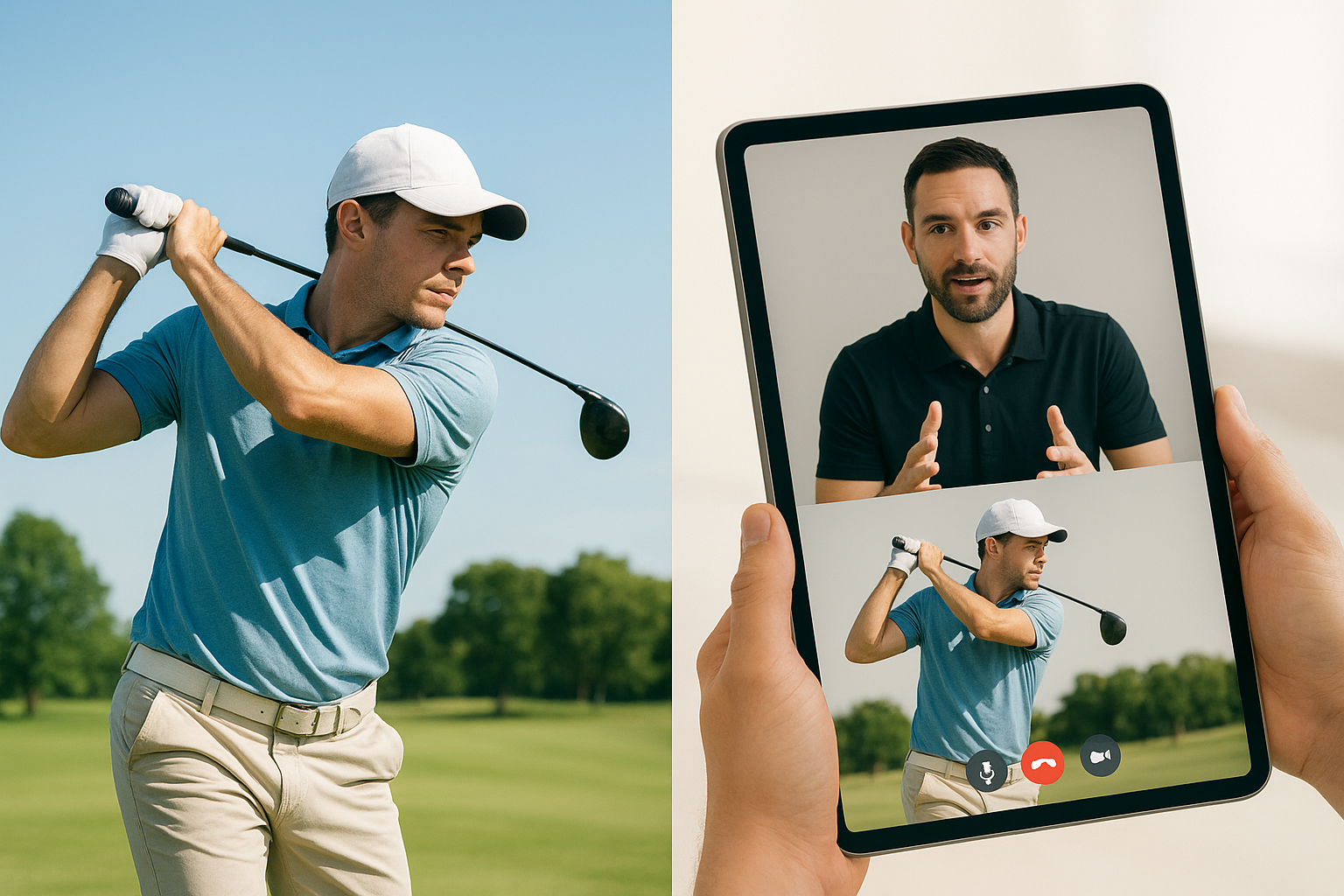
Remote coaching sessions allow competitive golfers to train from anywhere.
Benefits of Online Coaching From a Master-Level Instructor
One major advantage of remote coaching is access. Since instruction happens digitally, golfers are no longer limited to whichever coaches are available nearby. Instead, they can work directly with a Master Professional regardless of location, which is especially valuable for collegiate players and traveling competitors.
Additionally, remote programs often include recorded lessons, written swing plans, and progress tracking that in-person sessions rarely provide. Similarly, biomechanical analysis tools allow instructors to catch subtle issues, such as early extension or restricted hip turn, that are easy to miss with the naked eye. For a closer look at these science-backed teaching methods, see the golf science video library.
Choosing the Right Golf Swing Coach for Competitive Play
When evaluating coaches, it helps to look beyond general reputation and focus on verifiable credentials and methodology. Specifically, ask whether the instructor holds an advanced LPGA or PGA certification, and whether their approach is grounded in movement science rather than trend-based tips.
In contrast, generic instruction often relies on one-size-fits-all corrections that ignore individual anatomy and injury history. Therefore, competitive players preparing for tournaments should prioritize coaches who combine credentials with a clear, explainable teaching system. You can review platform updates and coaching credentials directly on the latest program announcements page, or browse independent perspectives on the news and reviews section.
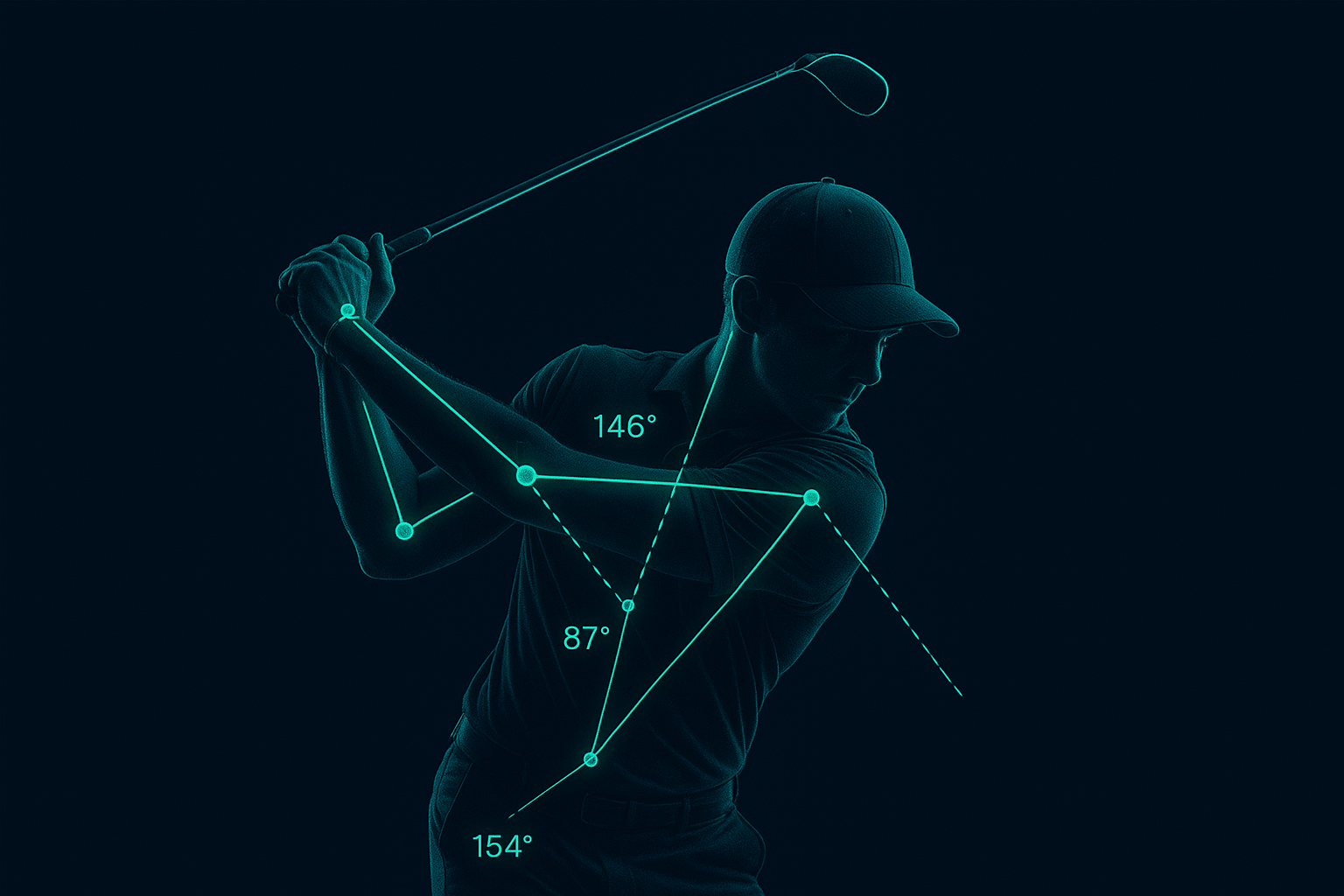
Biomechanical analysis helps identify the true cause of swing inefficiencies.
Who Benefits Most From This Coaching?
This type of instruction is best suited to competitive amateurs, collegiate athletes, and aspiring professionals who need guidance beyond what typical local instructors offer. In fact, players already competing at a high level often see the fastest results, since baseline fundamentals are already established and coaching can focus on precision, power, and consistency.
That said, dedicated junior golfers with serious long-term goals can also benefit, particularly when injury prevention is a priority. Learn more about program eligibility and structure directly at yourgolfguru.com.
Frequently Asked Questions
What is an LPGA master golf instructor?
An LPGA master golf instructor is a coach who holds the LPGA’s Master Professional designation, the organization’s highest teaching credential. This status requires years of documented teaching experience, advanced certification exams, and ongoing education in swing mechanics and player development.
How is a Master Professional different from a standard LPGA teaching pro?
A Master Professional has completed additional levels of certification beyond the standard Class A credential, demonstrating deeper expertise in instruction, business, and player performance. As a result, they typically work with more advanced or competitive golfers.
Why does kinesiology matter for golf swing coaching?
Kinesiology is the scientific study of human movement, and it helps coaches understand exactly how muscles, joints, and force production affect a golf swing. Consequently, kinesiology-based coaching can identify inefficient or risky movement patterns that generic instruction might miss.
How does online golf instruction work?
Online golf instruction typically involves submitting swing videos from multiple angles, followed by a detailed biomechanical breakdown from the coach. After that, players receive a personalized improvement plan along with recorded feedback and follow-up video reviews.
Who benefits most from working with an LPGA master golf instructor?
Competitive amateurs, collegiate athletes, and aspiring professionals benefit most, since they typically need more advanced technical guidance than local instructors provide. In particular, golfers preparing for tournaments often see the fastest gains from this level of coaching.
What should I expect in a first lesson?
The first session usually starts with a movement screening and swing video analysis to establish a performance baseline. From there, the instructor outlines specific priorities based on your biomechanics and competitive goals.
How much does elite online golf coaching cost?
Pricing varies widely depending on session length and the credentials of the instructor, though specialized coaching from a Master Professional often costs more than standard local lessons. However, many golfers find the investment worthwhile because of the depth of analysis provided.
How long does it take to see swing improvements?
Most golfers notice measurable changes within four to six weeks of consistent practice and video review. That said, deeper mechanical changes involving timing and sequencing can take a full competitive season to fully integrate.
What equipment do I need for remote lessons?
You generally need a smartphone or camera capable of recording slow-motion video, a stable internet connection, and enough space to swing safely. Additionally, some coaches recommend simple alignment sticks or markers for at-home reference.
Can beginners work with a master-level instructor?
While the service is designed primarily for competitive players, beginners with serious long-term goals can still benefit from foundational biomechanics coaching. Nevertheless, this option tends to be most cost-effective for players already competing at a higher level.
What is the biggest mistake competitive golfers make with swing changes?
One common mistake is changing swing mechanics without understanding the underlying movement pattern, which often creates new inconsistencies or injury risk. Instead, changes should be based on individual biomechanical assessment rather than generic tips.
How do I choose the right golf coach for tournament preparation?
Look for verified credentials, a clear teaching methodology, and experience working with competitive players at your level. Furthermore, a coach who explains the science behind swing changes can help you trust and sustain the process long term.
Final Thoughts
Ultimately, working with an LPGA master golf instructor offers a level of technical precision that few local coaching options can match. By combining kinesiology-based analysis with elite teaching credentials, this approach helps competitive golfers build power, accuracy, and consistency while protecting long-term physical health. Whether you’re a collegiate athlete, competitive amateur, or aspiring professional, science-backed remote coaching removes geographic barriers and puts expert-level guidance within reach from anywhere you play.