

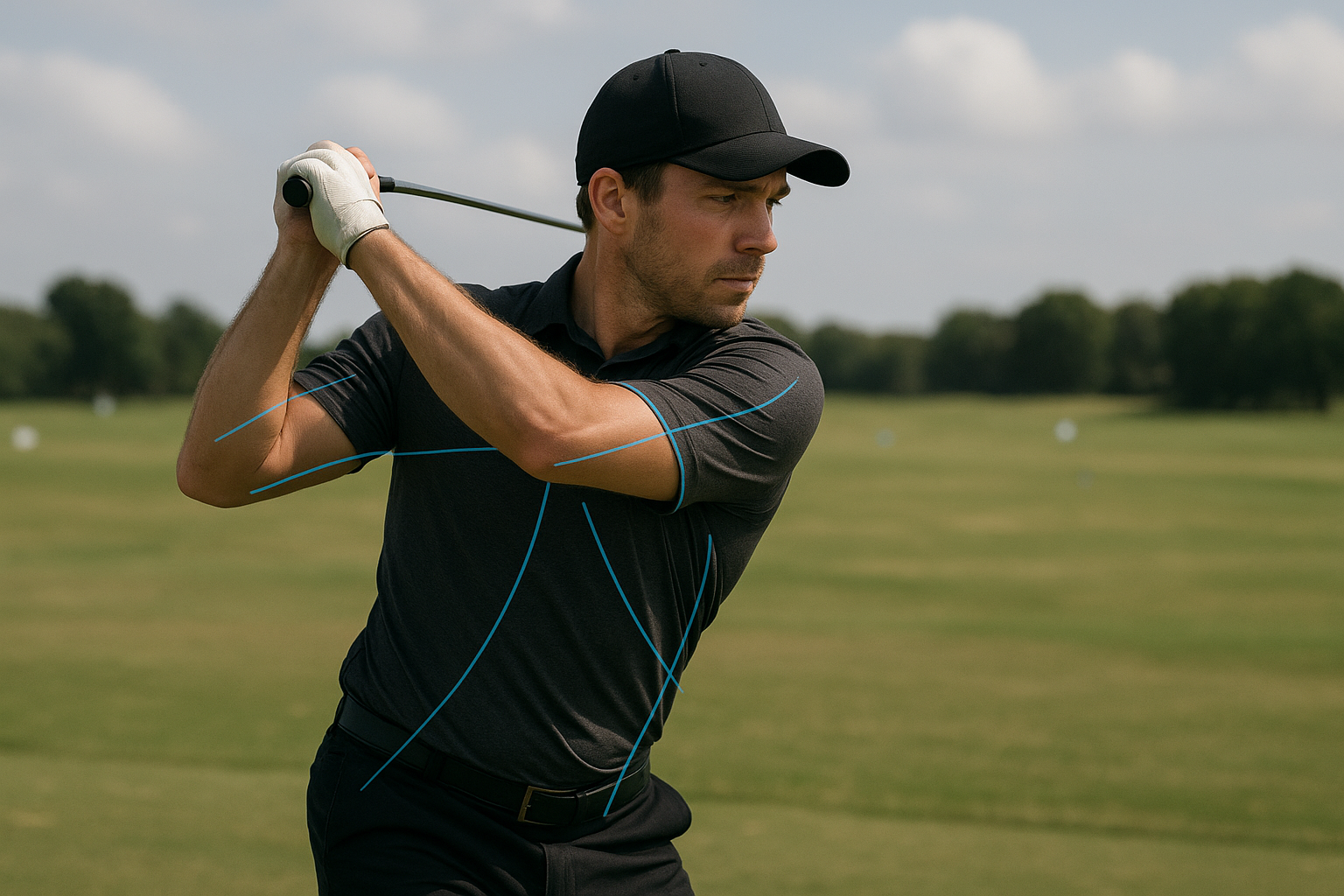
A golf performance assessment gives competitive golfers an objective, data-backed look at what their swing is actually doing, instead of relying on guesswork or generic tips picked up at the range. For serious players — collegiate athletes, aspiring professionals, and elite amateurs — this kind of evaluation uncovers the exact mechanical faults limiting power, accuracy, and consistency. Rather than chasing feel-based fixes, a proper assessment measures how the body moves through the swing and turns that data into a specific, prioritized improvement plan.
Direct answer: A golf performance assessment is a structured evaluation, usually combining video or motion analysis, launch monitor data, and physical screening, used to identify swing inefficiencies and injury risks. Coaches then use those findings to build a personalized, biomechanics-based training plan for the player.
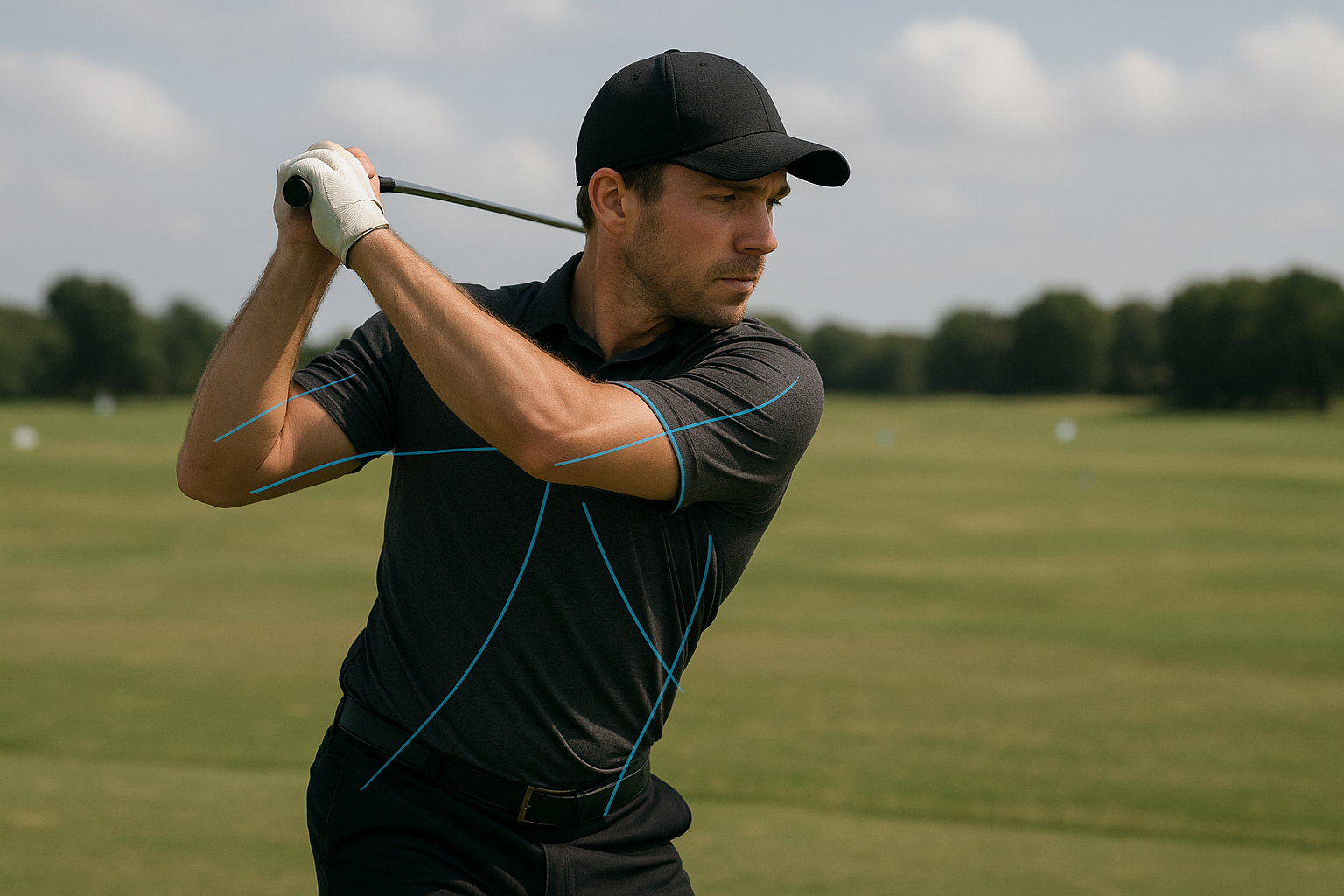
A golf performance assessment maps how the body moves through every phase of the swing.
What Is a Golf Performance Assessment?
A golf performance assessment is a formal evaluation of swing mechanics, physical mobility, and ball-flight data, designed to pinpoint what is limiting a player’s power, accuracy, or consistency. Unlike a casual lesson, it produces measurable benchmarks a coach can track over time.
Specifically, the process usually blends three data sources: high-speed video or motion capture, launch monitor readings, and a physical screening of joint mobility and stability. Together, these paint a complete picture rather than a single snapshot of one swing flaw.
In addition, because the assessment is data-driven, it removes much of the subjectivity that comes from relying purely on a coach’s eye. For a deeper look at how science is reshaping instruction, this overview of golf and science explains the broader shift toward measurable coaching.
Why Competitive Golfers Need a Professional Swing Evaluation
Competitive golfers face a different problem than recreational players. Their swings are already fairly efficient, so the remaining gains are small, technical, and easy to miss without a detailed swing evaluation. A generic tip that helps a beginner can actually hurt an advanced player’s timing.
Furthermore, local instructors — however skilled — often lack access to advanced motion analysis tools or a kinesiology background. As a result, elite players frequently plateau not because they lack talent, but because their feedback loop is too shallow to catch subtle inefficiencies in sequencing or rotation.
Consequently, many serious players now look beyond their local pro shop. Historical shifts in technique, like those documented in this analysis of US Open swing trends, show how quickly elite mechanics evolve, reinforcing why regular reassessment matters.
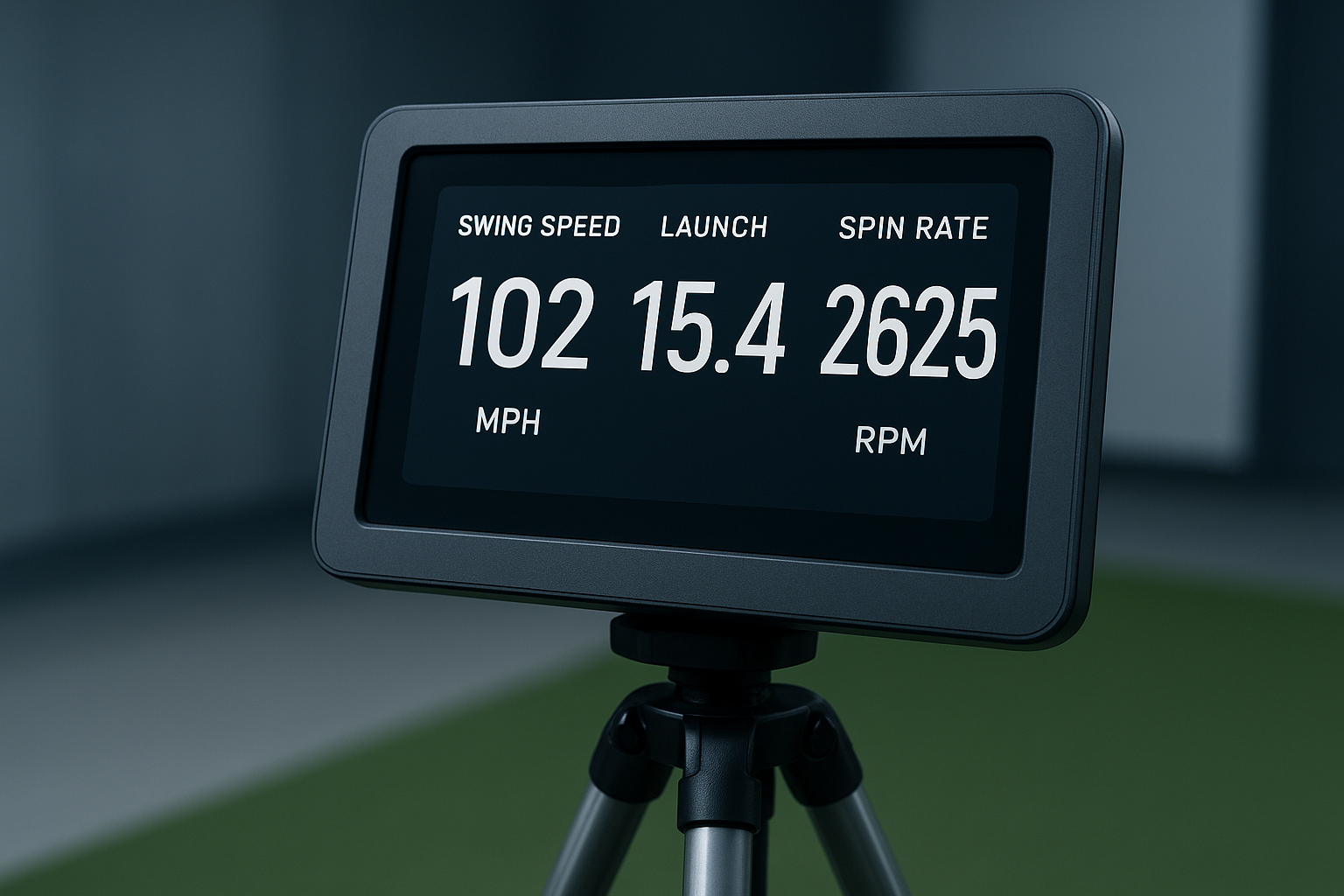
Launch monitor data forms one pillar of a complete performance evaluation for golfers.
The Kinesiology Behind Biomechanical Swing Analysis
Kinesiology — the scientific study of human movement — sits at the core of a rigorous biomechanical swing analysis. It explains not just what the club is doing, but why the body produces that particular pattern of motion. You can read more about the discipline itself on Wikipedia’s kinesiology overview.
According to research summarized in sports biomechanics literature indexed on PubMed, structured biomechanical feedback has been associated with clubhead speed gains of up to 8 percent over a 12-week training block. That kind of improvement rarely comes from swing tips alone; it comes from correcting how joints sequence energy through the kinetic chain.
This is precisely why coaches who hold both elite teaching credentials and formal kinesiology training, such as a PhD-level background, can identify problems that a purely technical eye might miss. They understand physical safety alongside performance, which matters greatly for injury prevention in repetitive, high-force movements like the golf swing.
How a Golf Performance Assessment Works: Step-by-Step
While details vary between providers, most golf performance assessments follow a similar sequence. Understanding each step helps golfers prepare and get more accurate, useful results.
- Initial mobility and movement screening: The coach reviews joint mobility, posture, and any physical limitations to understand what the body can safely support before analyzing the swing itself.
- Baseline swing recording: The golfer records several swings with different clubs from face-on and down-the-line angles so the coach can compare mechanics consistently across club types.
- Launch monitor data collection: Clubhead speed, launch angle, spin rate, and carry distance are captured to connect what the body is doing with what the ball actually does in flight.
- Biomechanical pattern analysis: The coach compares rotation, sequencing, and tempo against proven benchmarks to identify specific inefficiencies that are quietly limiting performance.
- Written report and training plan: The golfer receives a detailed report outlining strengths, weaknesses, injury risks, and a prioritized plan for the coming weeks of practice.
Because this process is entirely video and data-based, it works well through remote, online coaching platforms like yourgolfguru.com, which removes the need to travel to a physical facility for elite-level analysis.
Key Metrics in a Performance Evaluation for Golfers
Not all metrics carry equal weight. A thorough performance evaluation for golfers typically prioritizes the following data points, each tied to a specific outcome on the course.
Clubhead speed and tempo ratio — linked directly to distance potential and timing consistency.
Hip-to-shoulder separation — a strong indicator of power generation and injury risk.
Swing plane consistency — closely tied to shot dispersion and directional control.
Launch angle and spin rate — determine how efficiently clubhead speed converts into distance.
Common Mistakes That Skew Swing Assessment Results
Even a well-designed assessment can produce misleading results if the setup is flawed. Poor camera angles, inconsistent lighting, and unfamiliar clubs are among the most frequent culprits, and they can quietly distort otherwise accurate data.
Similarly, warming up incorrectly or rushing through swings before the session often produces unnaturally tight or fatigued movement patterns. In contrast, a relaxed, properly warmed-up swing gives a far more honest picture of true mechanics.
History offers a useful reminder here too: even seasoned professionals experience performance dips tied to subtle mechanical drift, as explored in this look at senior tour performance trends. Regular, accurate assessment helps catch that drift early.
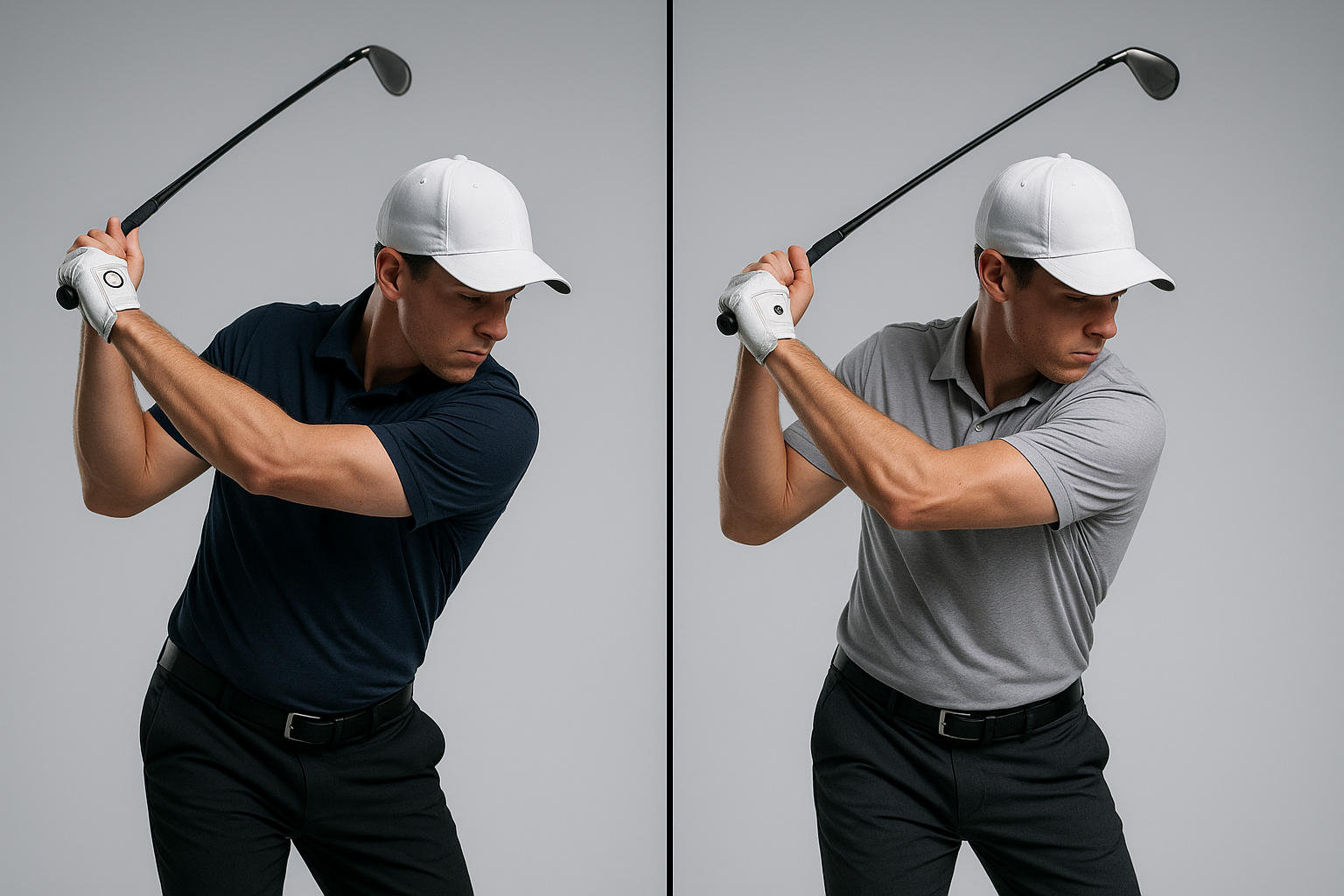
Side-by-side comparisons help coaches quantify small but meaningful swing changes.
Choosing the Right Remote Coaching Platform
Given how technical this process has become, choosing the right coach matters as much as the assessment itself. Look for instructors who combine recognized teaching credentials, such as LPGA or PGA status, with formal training in movement science.
For example, yourgolfguru.com delivers assessments through an LPGA Master Professional who also holds a PhD in kinesiology, blending biomechanical science with decades of elite teaching experience. This pairing is especially valuable for collegiate players and aspiring professionals who need guidance beyond what typical local instructors can offer.
Because the platform operates entirely online, golfers anywhere can access this level of coaching without travel. Recent program updates are outlined in this important announcement, and the enduring value of sound fundamentals is echoed even in reflections on legends of the game, such as this piece on Jack Nicklaus’s career.
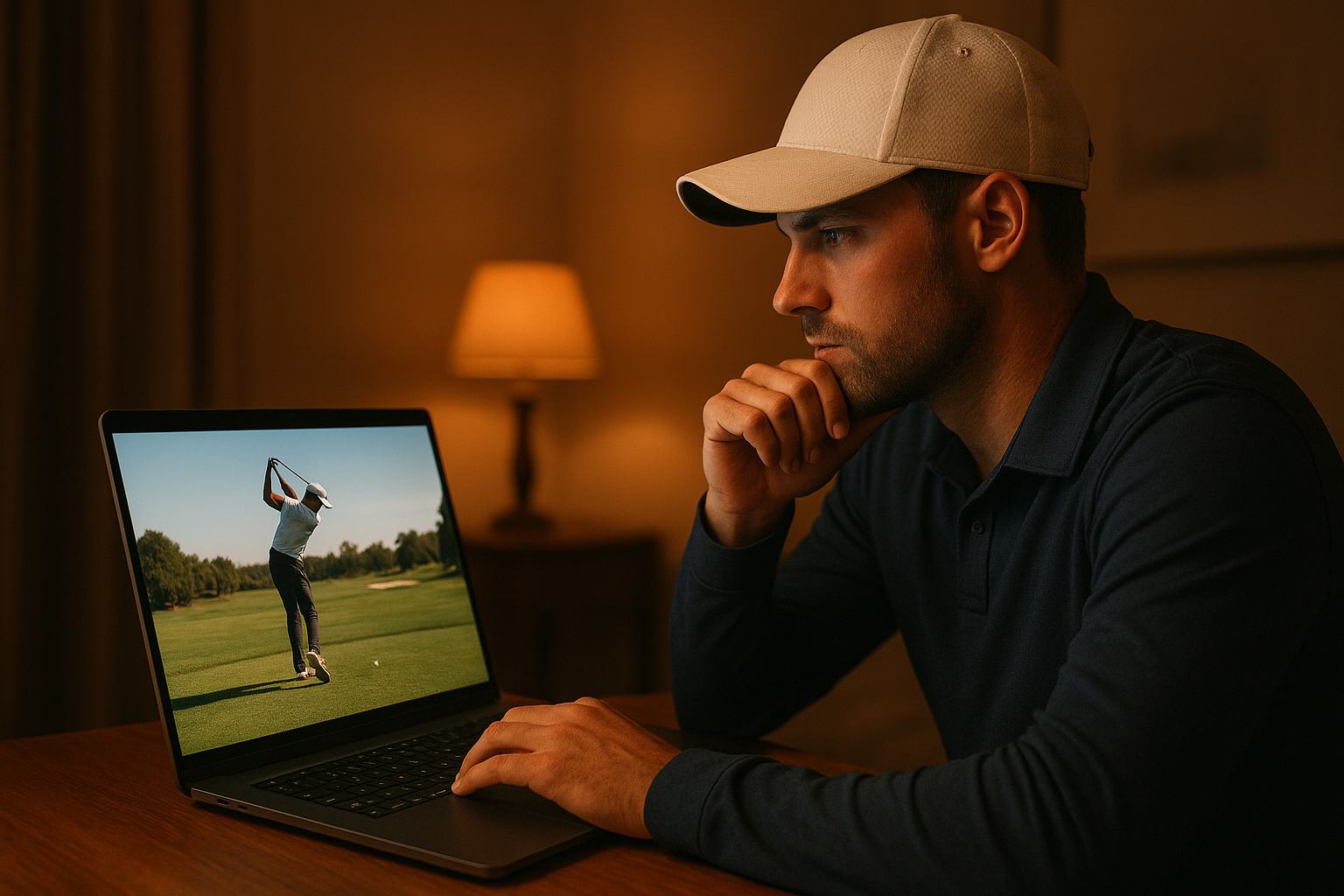
Remote coaching makes elite-level golf performance assessment accessible from anywhere.
Frequently Asked Questions About Golf Performance Assessments
What does a golf performance assessment include?
A golf performance assessment typically includes motion capture or video analysis of the swing, launch monitor data, physical mobility screening, and a written report of findings. The goal is to identify mechanical inefficiencies and injury risks before building a training plan.
How long does a golf performance assessment take?
Most assessments take between 60 and 90 minutes, depending on how many swings and metrics are reviewed. Remote assessments may take slightly longer since video files need to be uploaded and processed.
How much does a golf performance assessment cost?
Pricing varies widely, from around $75 for a basic video review to several hundred dollars for a full biomechanical workup with a credentialed specialist. Elite, kinesiology-based assessments generally cost more due to the depth of analysis involved.
What equipment is needed for a golf performance assessment?
At minimum, a smartphone camera capable of recording slow-motion video is sufficient for a remote review. More advanced assessments may use launch monitors, force plates, or motion sensors attached to the club or body.
How is a golf performance assessment different from a regular lesson?
A regular lesson usually focuses on one or two immediate swing fixes, while an assessment provides a comprehensive, data-driven baseline across multiple metrics. It often becomes the foundation for a longer-term coaching plan rather than a single session.
Can a golf performance assessment be done remotely?
Yes, remote assessments are common and effective when video quality and camera angles follow the coach’s instructions. Many competitive players now prefer this format because it removes travel time and expands access to specialized instructors.
What common mistakes reduce the accuracy of assessment results?
Poor camera angles, inconsistent lighting, and swinging with unfamiliar clubs are among the most common mistakes. Fatigue or rushing through swings before the session can also skew the data collected.
How often should a competitive golfer get a performance assessment?
Most competitive golfers benefit from a full assessment every six to twelve months, with shorter check-ins after major swing changes or injuries. Frequent reassessment helps confirm new mechanics are holding up under pressure.
What credentials should someone performing the assessment have?
Look for coaches with recognized teaching certifications, such as LPGA or PGA credentials, combined with formal training in kinesiology or biomechanics. This combination ensures both technical swing knowledge and a scientific understanding of movement.
Can a golf performance assessment help prevent injury?
Yes, a thorough assessment can flag movement patterns linked to common injuries like lower back strain or wrist overload. Correcting these patterns early often prevents the chronic injuries that sideline competitive players.
What data points are measured during the assessment?
Common data points include clubhead speed, swing plane, tempo ratio, hip and shoulder rotation, and ball flight metrics such as launch angle and spin rate. Some assessments also measure joint mobility and stability.
Who benefits most from a golf performance assessment?
Competitive amateurs, collegiate players, and aspiring professionals benefit most because they need precise, objective feedback beyond generic tips. Recreational golfers can also benefit, though the depth of analysis is usually less intensive.
Key Takeaways for Serious Golfers
Ultimately, a golf performance assessment turns vague frustration into a clear, measurable plan. Rather than guessing why scores have stalled, competitive players gain objective data on speed, sequencing, and injury risk, along with a coach’s roadmap for addressing each issue.
For golfers who take their development seriously, pairing a science-based assessment with an experienced, credentialed coach — like the kinesiology-trained LPGA Master Professional at yourgolfguru.com — offers a practical, remote path toward sustainable, long-term improvement. Add an author byline and short bio (name, credentials, photo, and last-updated date) near the top of the article to surface expertise and trust for readers.