
Coaching for aspiring golf professionals requires far more than a handful of swing tips and a bucket of range balls. Serious competitors—collegiate players, competitive amateurs, and future tour hopefuls—need structured, science-backed training that addresses biomechanics, consistency, and long-term physical health. Below, this guide explains what elite-level coaching actually looks like, why kinesiology-based instruction matters, and how remote programs deliver expert guidance without requiring travel to a physical facility. Author: add author name and short bio in the footer. Last updated: 2026-08-09.
Quick Answer: Coaching for aspiring golf professionals is specialized instruction that combines biomechanical analysis, personalized practice plans, and measurable performance tracking to prepare competitive golfers for tournament-level play. It differs from casual lessons by focusing on long-term, data-driven improvement rather than quick fixes.
What Is Coaching for Aspiring Golf Professionals?
Coaching for aspiring golf professionals is specialized, high-level instruction designed to help competitive golfers refine swing mechanics, build consistency, and prepare for tournament pressure. Unlike casual lessons, it combines biomechanics—the scientific study of human movement—with structured practice plans and measurable goals. Consequently, it typically involves ongoing coach-athlete collaboration rather than a single one-off session.
In particular, this type of coaching addresses the full picture: technical swing flaws, physical mobility limitations, and mental preparation for competition. For example, a coach with a background in kinesiology can identify why a swing fault exists, not just how to mask it temporarily. As a result, players build habits that hold up under pressure instead of breaking down at the worst possible moment.
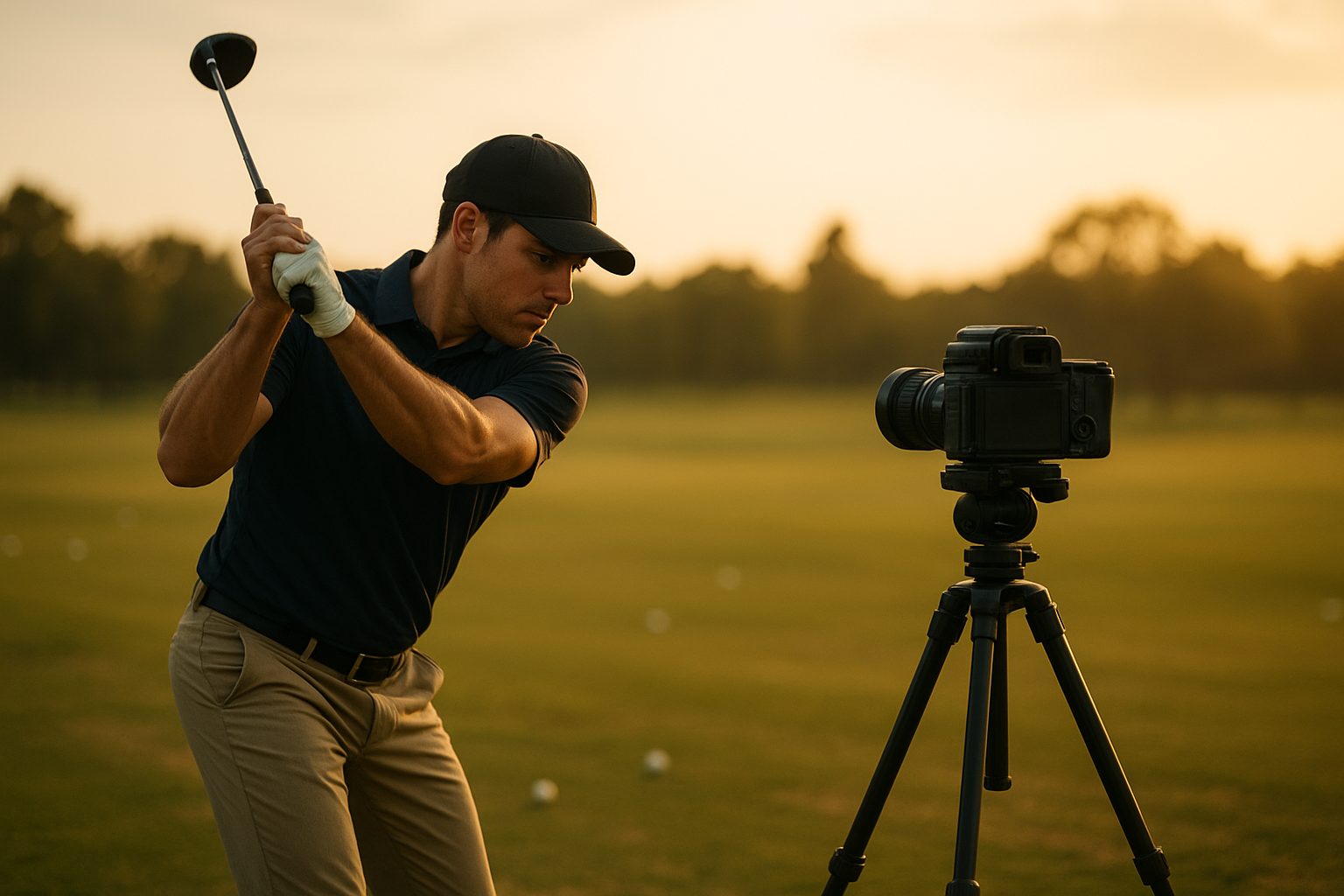
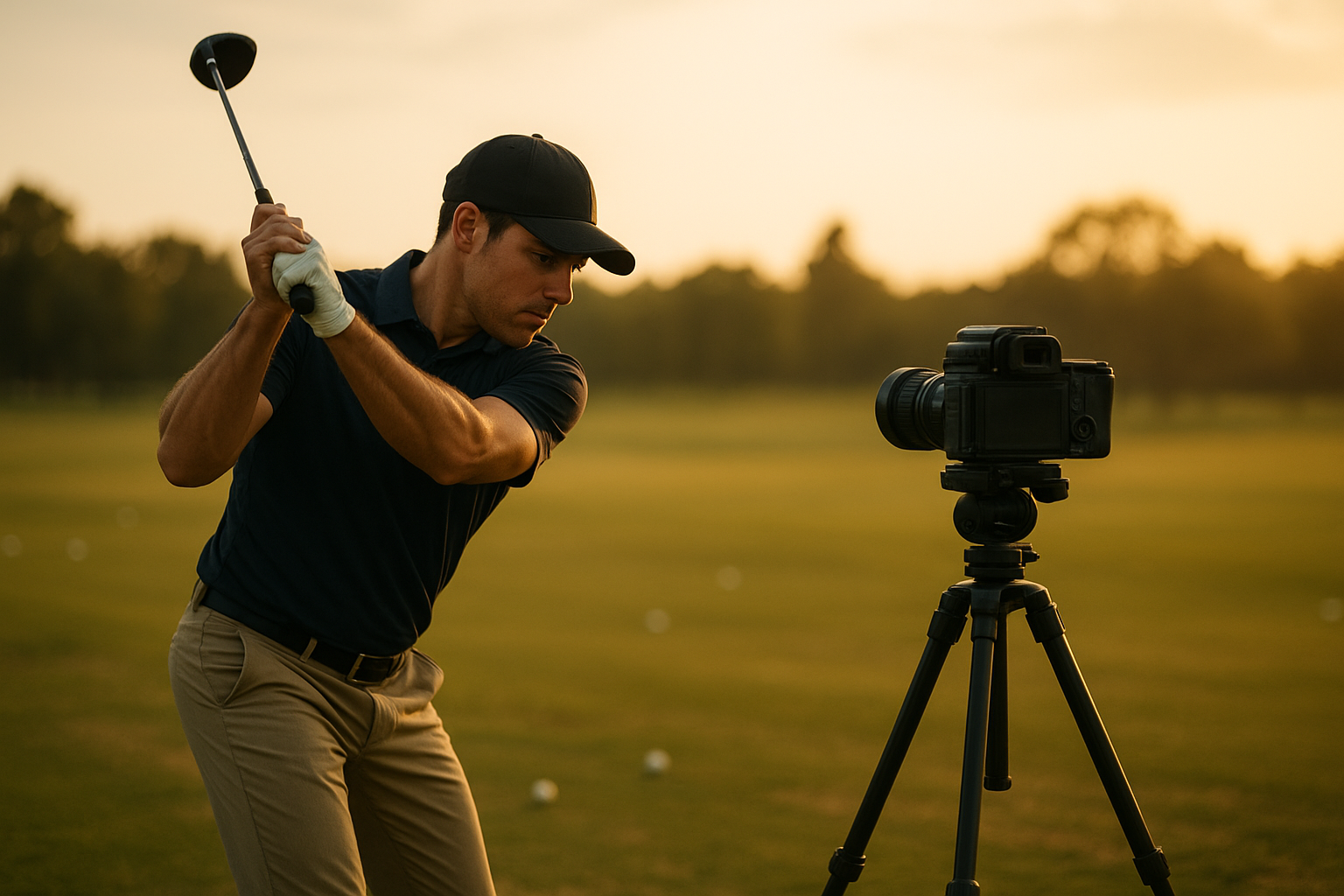
Coaching for aspiring golf professionals often relies on slow-motion video to reveal subtle mechanical flaws.
Why Serious Competitors Need Science-Based Swing Instruction
Above all, competitive golf rewards precision, and precision comes from understanding movement, not just repeating drills. Kinesiology-based coaching studies how joints, muscles, and sequencing interact throughout the golf swing. Therefore, a coach trained in this science can pinpoint exactly where power leaks or inconsistency originates, rather than guessing based on appearance alone.
Industry data from the National Golf Foundation suggests that only a small fraction of competitive junior golfers ever advance to college programs, and an even smaller percentage turn professional. Because the margin for error is so thin, aspiring professionals cannot afford instruction built on outdated or generic methods. In contrast, biomechanical analysis provides objective feedback that removes guesswork from the improvement process. You can read more about the risks of fragmented coaching approaches in this breakdown of partial swing solutions.
Furthermore, organizations such as the USGA and the PGA of America continue to emphasize proper technique and injury prevention as core pillars of long-term player development, reinforcing why science-based instruction matters at every competitive level.
Core Components of Elite Golf Coaching Programs
Specifically, effective programs share several common elements. First, they rely on video and data analysis instead of visual impressions alone. Second, they set measurable goals rather than vague improvement targets. Third, they prioritize physical safety, since injuries can end a competitive season or a career.
Additionally, strong programs pair technical correction with an understanding of the player’s individual body mechanics. Not every golfer can execute the same swing model, and forcing one often causes pain or inconsistency. To see how a full-service program structures these elements, explore the coaching services offered at yourgolfguru.com, which blend an LPGA Master Professional’s teaching experience with a PhD-level understanding of kinesiology.
Moreover, the qualities of the coach themselves matter enormously. A detailed look at what separates a good teacher from a great one is available in this discussion of golf teaching qualities, which highlights communication, patience, and technical depth as non-negotiable traits.
How Remote Coaching Helps Competitive and Collegiate Golfers
Meanwhile, geography has traditionally limited access to elite instruction. Many talented players simply do not live near a coach capable of advanced biomechanical analysis. However, remote coaching removes that barrier entirely by using video submissions, data tracking, and virtual communication.
Similarly, collegiate golfers often juggle travel schedules, academic demands, and team practices that leave little room for in-person lessons. As a result, a flexible remote model allows them to receive individualized feedback without disrupting their schedules. Consequently, players from any location can now access the same caliber of instruction once reserved for those near major training hubs. To learn more about the philosophy behind this approach, visit yourgolfguru.com directly.
Even legendary careers show the importance of adapting instruction over time; the reflections shared in this piece on Jack Nicklaus’s career decisions illustrate how even the greatest players continually reassess their approach to the game.
A Step-by-Step Path to Professional-Level Golf Instruction
Building a competitive swing does not happen overnight. Instead, it follows a repeatable process that experienced coaches use with serious players. Below is a general framework many elite programs follow.
- Assess current swing mechanics. Record slow-motion video from multiple angles and compare movement patterns against biomechanical benchmarks.
- Set measurable performance goals. Define specific targets such as clubhead speed or shot dispersion so progress can be tracked objectively.
- Build a personalized training plan. Work with a qualified coach to design drills addressing the exact faults identified during assessment.
- Practice with structured feedback loops. Submit regular updates and adjust drills weekly based on data rather than guesswork.
- Track long-term progress and adjust. Review results every few weeks and refine the plan as competitive demands increase.
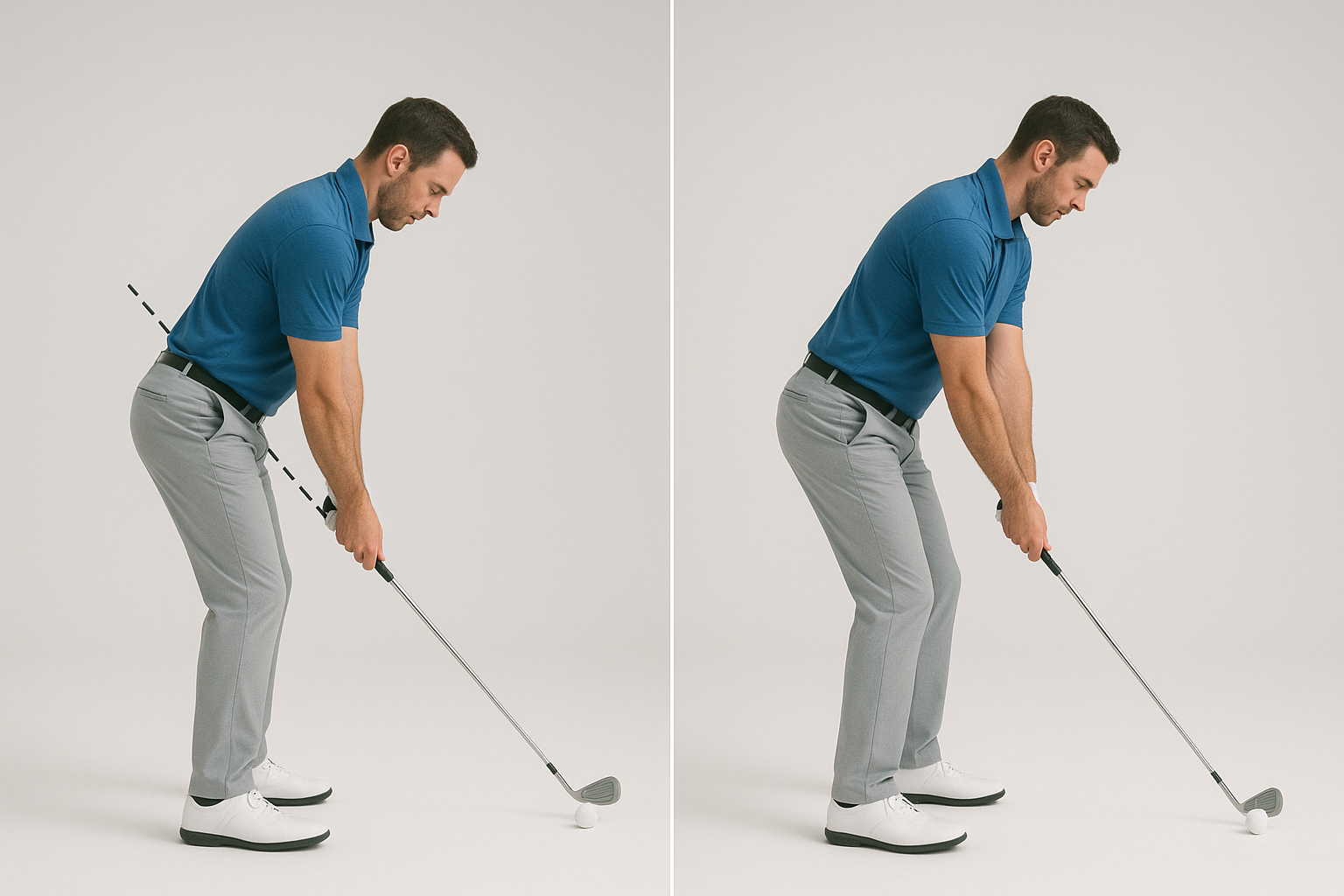
Tracking measurable progress is a core part of coaching for aspiring golf professionals.
Common Mistakes Aspiring Golf Professionals Make
Nevertheless, even talented players fall into predictable traps. Many chase quick tips found online instead of addressing the underlying cause of a swing fault. As a result, problems resurface under tournament pressure because the root issue was never actually corrected.
Others ignore physical limitations such as limited hip rotation or shoulder mobility, which forces compensations that eventually lead to injury. In contrast, a coach trained in kinesiology can catch these patterns early and adjust the training plan accordingly. Above all, patience and consistency outperform shortcuts every time.
Frequently Asked Questions About Coaching for Aspiring Golf Professionals
What is coaching for aspiring golf professionals?
Coaching for aspiring golf professionals is structured, science-based instruction that helps competitive golfers refine swing mechanics, build consistency, and prepare for tournament-level performance. It typically includes biomechanical analysis, personalized practice plans, and ongoing feedback rather than one-off lessons.
How much does professional-level golf coaching typically cost?
Costs vary widely depending on coach credentials and program length, ranging from a few hundred to several thousand dollars for multi-month packages. Remote programs are often more affordable than in-person academies because they remove travel and facility overhead.
How long does it take to see swing improvements?
Most golfers notice measurable changes within four to eight weeks of consistent, guided practice. However, deeply ingrained habits may take several months to fully correct, especially when injury prevention is part of the plan.
What makes online golf coaching different from in-person lessons?
Online coaching uses video analysis, data tracking, and remote communication instead of face-to-face sessions on a range. This allows golfers to work with elite-level coaches regardless of location, which is especially valuable for those without access to specialized instructors nearby.
Can collegiate golfers benefit from remote coaching?
Yes, collegiate golfers often benefit significantly because remote coaching fits around travel and academic schedules. It also supplements team coaching with individualized, biomechanics-focused feedback.
What credentials should a serious golf coach have?
Look for recognized certifications such as LPGA or PGA teaching credentials, plus advanced education in movement science when available. A coach with a kinesiology background can better identify the root cause of swing faults instead of just treating symptoms.
How does kinesiology improve golf swing mechanics?
Kinesiology, the scientific study of human movement, helps coaches understand how joints, muscles, and sequencing work together during a swing. This allows for corrections that improve power and accuracy while reducing injury risk. You can explore the fundamentals of this field on Wikipedia’s kinesiology overview.
What is the biggest mistake aspiring golf professionals make?
Many aspiring professionals chase quick tips instead of addressing underlying mechanical or physical limitations. As a result, problems resurface under tournament pressure because the root cause was never fixed.
How often should serious golfers train with a coach?
Weekly or biweekly check-ins are common for competitive players working toward specific goals. Consistency matters more than frequency alone, so regular feedback loops tend to produce better long-term results.
Is online coaching effective for injury prevention?
Yes, when a coach understands biomechanics, video analysis can reveal movement patterns that place excess stress on the spine, hips, or wrists. Correcting these patterns early helps golfers train harder without breaking down physically.
What equipment do I need for remote golf coaching sessions?
A smartphone or camera capable of recording slow-motion video is usually sufficient. Some programs also recommend simple alignment aids or launch monitors for more detailed data.
How do I choose the right coach for competitive golf goals?
Prioritize coaches with proven credentials, a clear teaching philosophy, and experience working with players at your competitive level. In addition, ask how they measure progress, since data-driven feedback separates elite coaching from generic instruction. Reviewing credentials such as those listed on the LPGA’s official site can help confirm a coach’s qualifications.
Final Thoughts
Ultimately, coaching for aspiring golf professionals works best when it treats the golfer as a whole athlete, not just a swing to be fixed. By combining kinesiology-based analysis, measurable goals, and consistent feedback, competitive players can build swings that hold up under pressure while protecting long-term physical health. Whether you are a collegiate athlete, a competitive amateur, or someone chasing a professional career, structured, science-backed coaching offers a clear path forward. Because remote programs remove geographic barriers, expert-level instruction is now available no matter where you train.