

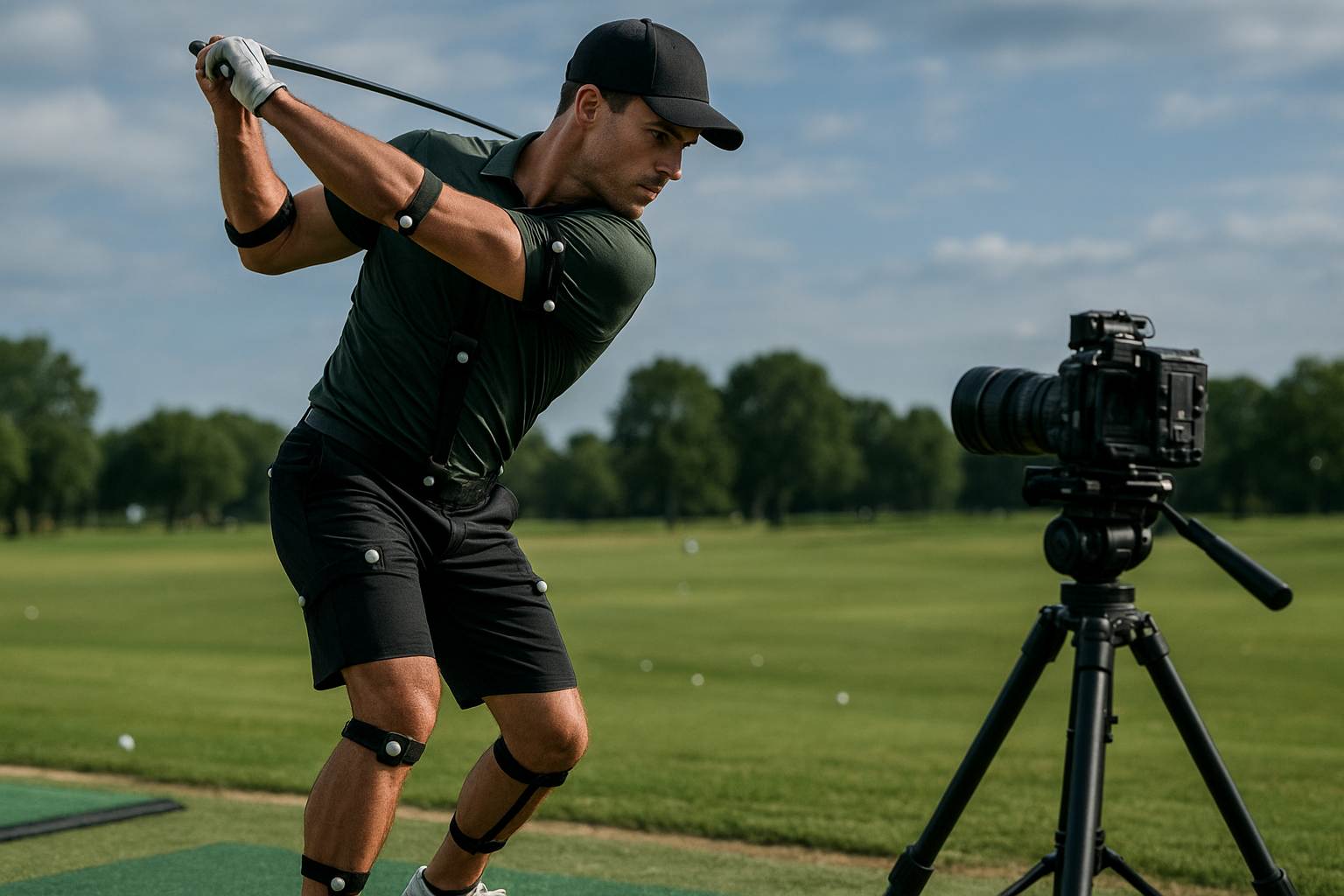
Swing analysis for serious golfers is the process of measuring, evaluating, and correcting swing mechanics using data-driven methods rather than guesswork. For competitive amateurs, collegiate players, and aspiring professionals, this kind of analysis is not a luxury — it is often the difference between plateauing and breaking through to the next level. Unlike casual tips, swing analysis for serious golfers combines biomechanics, technology, and expert coaching to catch small inefficiencies before they become chronic problems or injuries. This guide was written by an LPGA Master Professional (PhD in kinesiology) to combine teaching experience with movement science.
In short: Swing analysis for serious golfers uses video, sensors, and expert biomechanical review to pinpoint the exact mechanical flaws limiting power, accuracy, and consistency, then guides correction through a structured, science-based practice plan.
What Is Swing Analysis for Serious Golfers?
Swing analysis for serious golfers is a structured evaluation of body movement, club path, and impact conditions during the golf swing. It typically relies on high-speed video, launch monitors, or motion capture to reveal what the naked eye misses.
Unlike a quick tip from a range buddy, this type of analysis treats the swing as a chain of connected movements. Consequently, a coach can trace an inconsistent slice back to hip rotation timing rather than simply adjusting grip. This is why competitive players increasingly seek out instructors who understand both the golf swing and human movement science, as documented on resources like Wikipedia’s golf swing overview.
Why Competitive Golfers Need Professional Swing Evaluation
Competitive golfers face a different challenge than weekend players. Their swings must hold up under pressure, repeated practice volume, and inconsistent course conditions. As a result, small technical flaws that seem harmless in casual play can cost strokes in tournament settings.
Furthermore, high swing volume without proper mechanics raises injury risk. In particular, research on sports biomechanics suggests that structured feedback and movement correction can meaningfully reduce technical errors and physical strain over time. Therefore, professional swing evaluation is not just about lower scores; it is also about protecting a competitive career.
For context, coverage of elite events such as the lessons drawn from the 2013 PGA Seniors Championship repeatedly shows that simplicity and mechanical precision outperform complicated swing changes made without guidance.
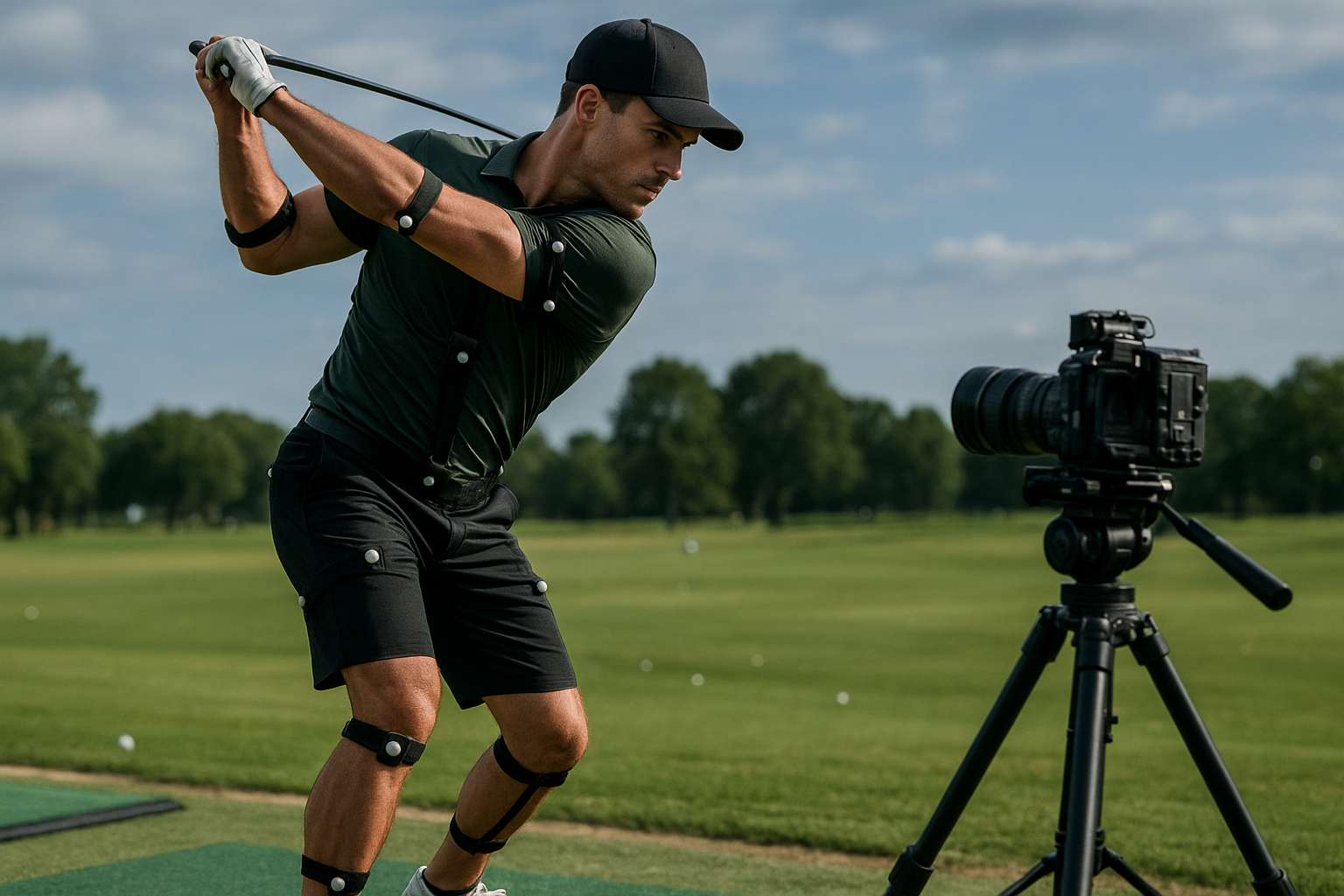
Precise sensor data supports swing analysis for serious golfers by capturing details invisible to the naked eye.
The Kinesiology Behind Elite Swing Mechanics
Kinesiology, the scientific study of human movement, explains why certain swing positions generate more power with less strain. Instructors trained in this field look beyond the club and analyze how joints, muscles, and rotational forces work together throughout the swing.
For example, a coach with kinesiology training can identify whether a limited hip turn stems from flexibility or from poor movement sequencing. This distinction matters because the correct fix differs entirely depending on the cause. In addition, understanding anatomy helps coaches design drills that build power safely, reducing stress on the lower back and wrists, both common sites of golf-related injury according to general orthopedic and sports medicine literature available through the Wikipedia entry on kinesiology.
A detailed case study of an experienced senior golfer illustrates this well, showing how biomechanics-based corrections extended a competitive career while reducing joint stress.
How Remote Swing Evaluation Sessions Work for Competitive Golfers
Online coaching removes the biggest barrier to elite instruction: geography. Below is the typical process a serious golfer follows when working with a remote swing analysis service.
- Record multi-angle swing video: The golfer films face-on and down-the-line footage of several swings with stable, well-lit camera setups.
- Submit footage and performance history: Video is sent along with scoring history, injury notes, and specific goals for context.
- Receive a detailed mechanical breakdown: The coach reviews joint sequencing, posture, and club path, explaining root causes of inconsistency.
- Follow a corrective practice plan: Drills are prescribed to gradually retrain movement patterns while protecting long-term swing health.
- Track progress with follow-up reviews: Periodic check-ins confirm whether changes are holding up under real playing conditions.
Notably, this same structured review process mirrors how top instructors dissected emerging swing trends from the 2014 U.S. Open at Pinehurst, breaking elite swings into measurable, teachable components.
Key Metrics Measured in Advanced Swing Assessments
Modern swing assessments track far more than swing speed. Common metrics include hip and shoulder rotation angles, clubface angle at impact, ground reaction forces, and tempo ratios between backswing and downswing.
Similarly, launch monitors add ball data such as spin rate, launch angle, and carry distance. Together, these numbers give a coach an objective picture of performance, rather than relying solely on visual impression. Interestingly, comparative research into six elite women’s backswings highlights how shared mechanical traits, not raw athleticism alone, drive consistency at the highest levels.
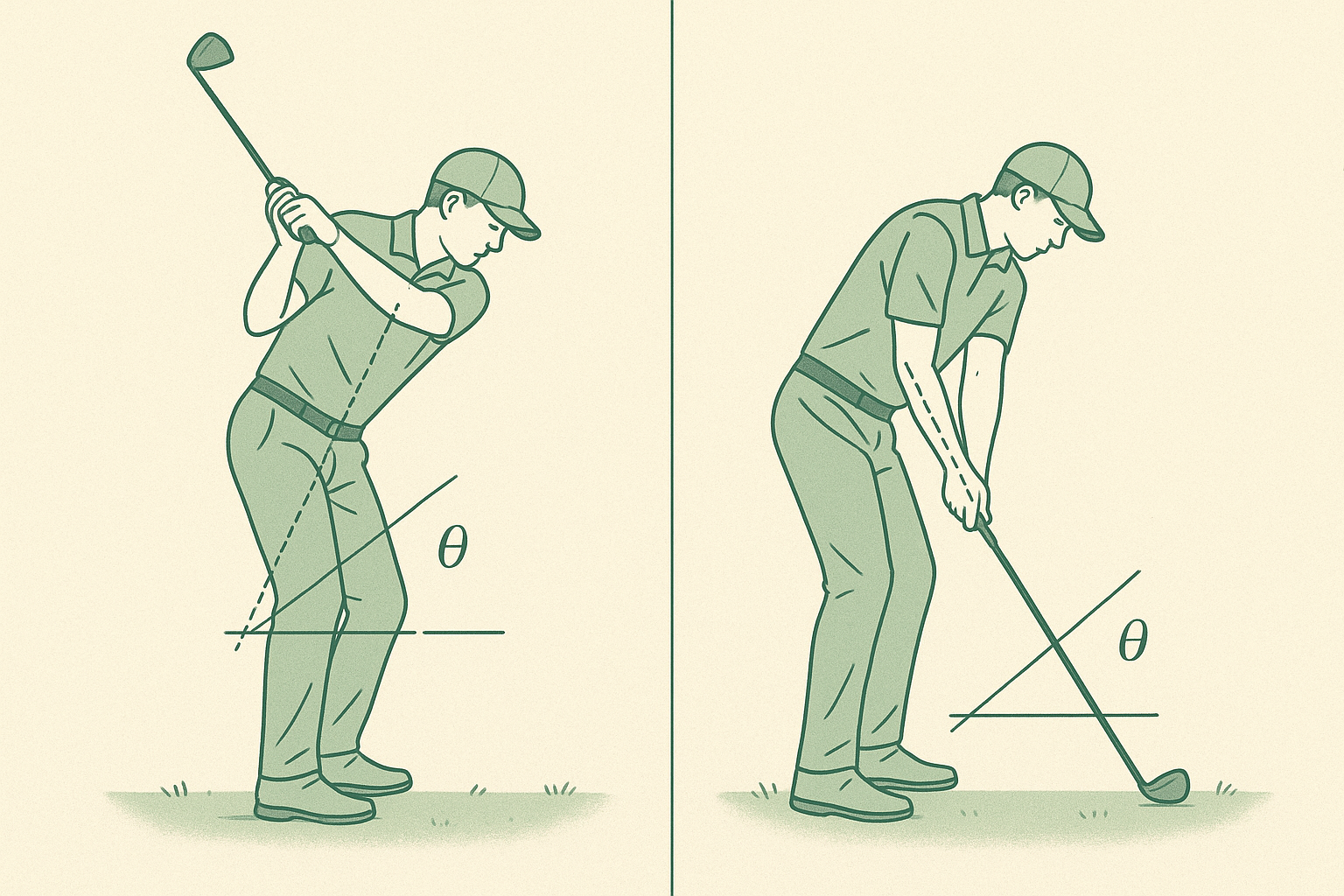
Angle overlays like this help coaches quantify swing efficiency during detailed evaluations.
Choosing a Swing Analysis Service for Serious Golfers
Not every instructor offers the depth serious competitors need. Above all, look for coaching backed by real credentials and a measurable teaching track record, rather than generic tips repeated across generic content.
For instance, yourgolfguru.com offers remote coaching led by an LPGA Master Professional who also holds a PhD in kinesiology. This pairing of elite teaching experience with formal movement science training allows the platform to serve competitive amateurs, collegiate players, and aspiring professionals who need guidance beyond typical local lessons. Because sessions happen digitally, athletes anywhere can access data-driven feedback without travel, making swing analysis for serious golfers accessible regardless of location.
When comparing services, consider certification, whether biomechanics is part of the analysis, and how clearly the coach explains cause and effect rather than surface-level fixes.
Common Mistakes Serious Golfers Make Without Proper Swing Evaluation
Without structured feedback, many competitive players fall into predictable traps. They often chase the latest swing trend without confirming it fits their own body mechanics, which can create new problems instead of solving old ones.
In addition, some golfers practice high volumes with flawed mechanics, reinforcing bad habits rather than correcting them. As a result, progress stalls or injuries develop gradually. Lessons drawn from tournament reviews, including those found in additional coverage of the PGA Seniors Championship, consistently show that disciplined, guided practice outperforms unstructured repetition.
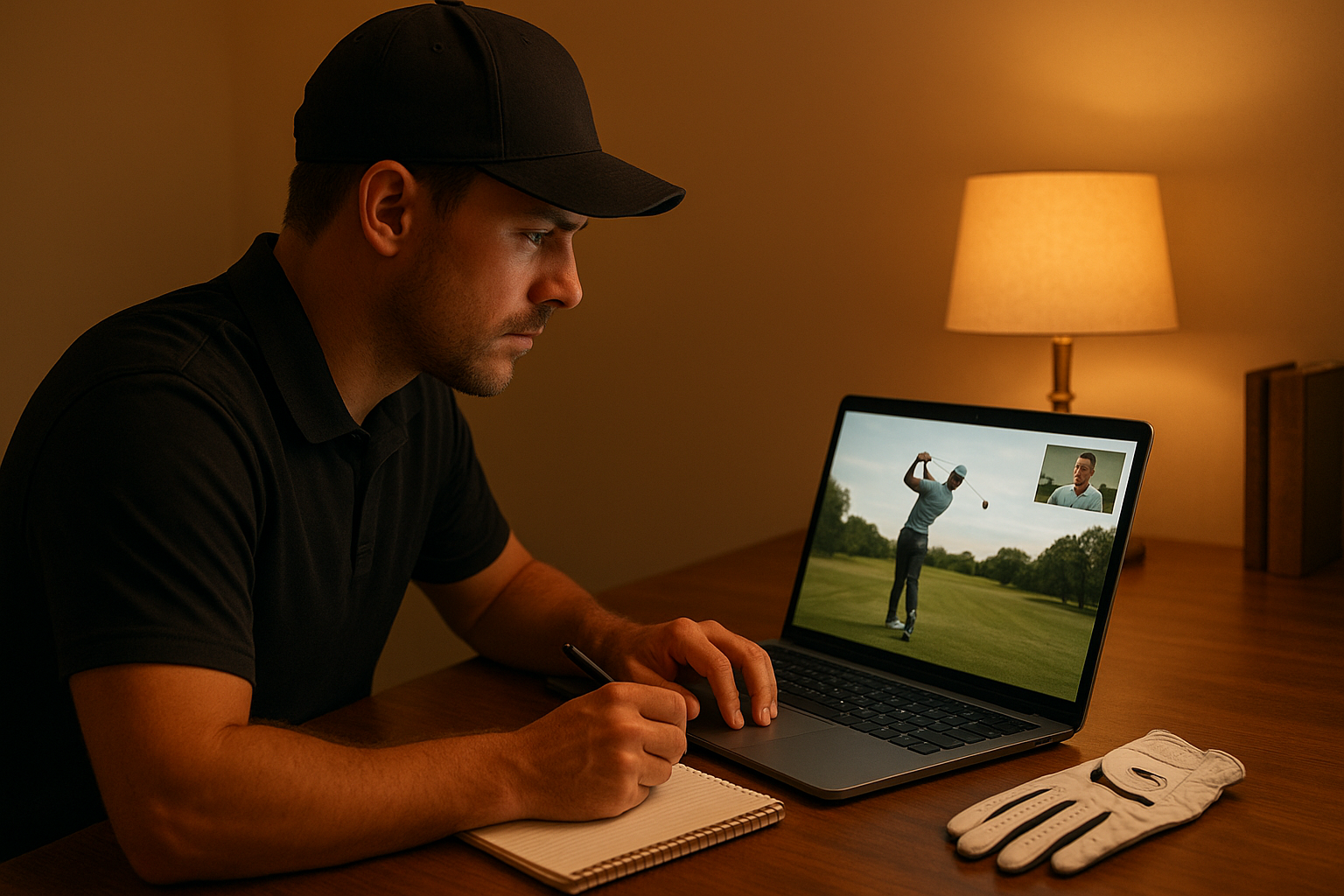
Remote sessions make expert-level swing analysis for serious golfers available from any location.
Frequently Asked Questions About Swing Analysis for Serious Golfers
What is swing analysis for serious golfers?
Swing analysis for serious golfers is a data-driven evaluation of swing mechanics using video, sensors, or biomechanical models to identify inefficiencies. It goes beyond casual tips to correct root causes of inconsistency and reduce injury risk.
How is swing analysis different from a regular golf lesson?
A regular lesson often focuses on immediate ball flight, while swing analysis measures underlying mechanics like joint sequencing and force production. This deeper approach helps competitive players fix issues at their source rather than masking symptoms.
Why do competitive golfers need professional swing evaluation?
Competitive golfers need professional swing evaluation because small mechanical flaws become magnified under tournament pressure and repetitive practice volume. Expert analysis catches these flaws before they cause performance plateaus or overuse injuries.
Can swing analysis be done online effectively?
Yes, online swing analysis can be highly effective when video quality and coaching expertise are strong. Remote platforms let elite instructors review multi-angle footage and provide detailed biomechanical feedback without travel.
How much does swing analysis for serious golfers typically cost?
Costs vary widely depending on instructor credentials and session depth, ranging from around $75 for a single video review to several hundred dollars for comprehensive biomechanical packages. Ongoing coaching plans often cost less per session than one-off evaluations.
What technology is used in advanced swing analysis?
Advanced swing analysis often uses high-speed video, launch monitors, and motion capture sensors to track club path, body rotation, and impact data. Some services also apply kinesiology-based movement screens to assess physical limitations.
How long does it take to see results from swing analysis?
Many golfers notice measurable changes in ball flight and consistency within four to eight weeks of focused correction work. Long-term mechanical changes, however, typically require several months of deliberate practice under expert guidance.
What common mistakes do golfers make without proper swing evaluation?
Without proper swing evaluation, golfers often practice the wrong drills, reinforce compensations, or ignore early warning signs of injury. This can waste practice time and slow long-term improvement.
Is swing analysis only for professionals?
No, swing analysis for serious golfers also benefits competitive amateurs, collegiate players, and aspiring professionals. Anyone committed to structured, long-term improvement can benefit from detailed mechanical feedback.
What credentials should a swing analysis coach have?
Look for coaches with recognized teaching certifications, such as LPGA or PGA credentials, and ideally a background in kinesiology or biomechanics. This combination ensures feedback is both technically sound and grounded in movement science.
How often should serious golfers get their swing analyzed?
Many competitive players benefit from a full swing analysis every few months, with shorter check-ins during active tournament seasons. Frequency should adjust based on training load and any emerging technical concerns.
Can swing analysis help prevent golf injuries?
Yes, biomechanical swing analysis can identify movement patterns that place excess stress on the spine, wrists, or hips. Correcting these patterns early helps reduce the risk of common golf-related overuse injuries.
Final Thoughts on Swing Analysis for Serious Golfers
In summary, swing analysis for serious golfers is far more than a technical checkup; it is a structured, science-backed path to better performance and a healthier swing. By combining biomechanics, credentialed coaching, and clear metrics, competitive players can correct hidden flaws before they limit progress or cause injury.
Ultimately, whether working with a local instructor or a remote platform, the goal remains the same: turning careful analysis into consistent, tournament-ready mechanics. For golfers ready to take that step, expert-led swing analysis for serious golfers offers a clear, data-driven way forward.