
Golf-specific fitness training is a targeted conditioning approach built around the exact movements, muscle chains, and mobility demands of the golf swing. Unlike a general workout routine, it is designed to increase rotational power, protect the spine and joints, and translate directly into a more consistent, repeatable swing. For competitive amateurs, collegiate players, and aspiring professionals, this kind of training often separates good ball-strikers from great ones. Last updated: 2026-08-16.
Direct answer: Golf-specific fitness training combines mobility work, rotational strength training, and stability exercises to build a body capable of producing power and consistency without breaking down over time. It matters because most swing faults and chronic injuries trace back to physical limitations, not technique alone.
What Is Golf-Specific Fitness Training?
Golf-specific fitness training is a structured program of exercises designed around the biomechanics of the golf swing rather than generic strength or cardio goals. In particular, it emphasizes hip and thoracic rotation, core stability, and explosive power through the kinetic chain that runs from the feet to the club.
Because the swing is a rotational, asymmetrical movement performed at high speed, this training differs significantly from a standard gym program. As a result, exercises are chosen to mirror the swing’s demands, from the backswing coil to the deceleration through follow-through.
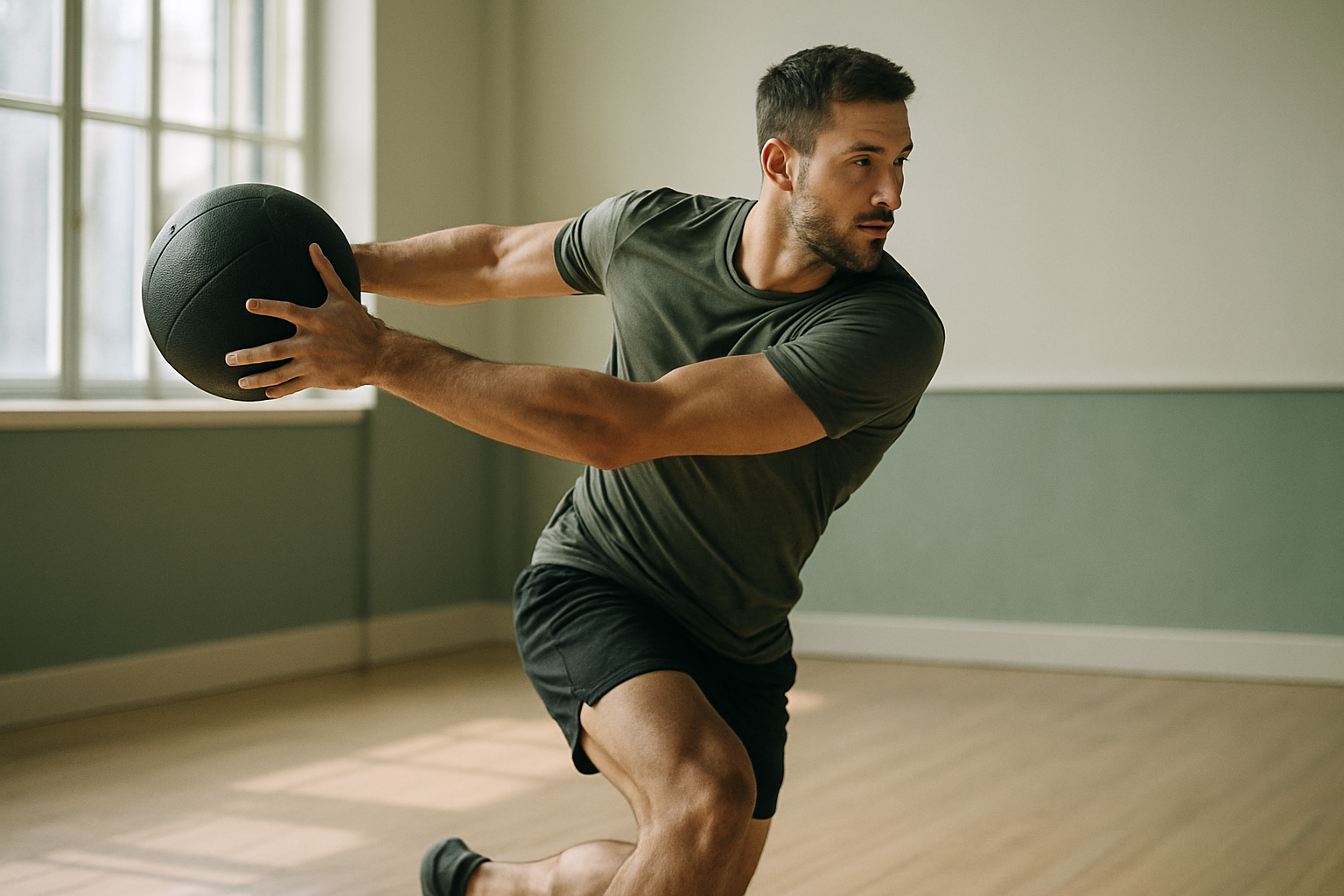
Rotational power exercises are a core pillar of golf-specific fitness training.
Why Golf Conditioning Matters for Competitive Players
For competitive golfers, small physical limitations compound over dozens of rounds and thousands of repetitions. In fact, research shared through the National Center for Biotechnology Information has linked restricted hip rotation to increased lower back stress during the golf swing, one of the most common injury sites among serious players.
Consequently, athletes who invest in golf conditioning tend to swing with greater consistency under pressure. Above all, this matters most in competitive settings where fatigue late in a round can quietly erode mechanics that were sound on the range.
Furthermore, the biomechanical principles behind golf-specific fitness training draw directly from kinesiology, the scientific study of human movement. This is precisely the discipline that informs programs like the one detailed at yourgolfguru.com, where swing coaching is paired with physical training grounded in movement science.
Key Components of a Golf Fitness Program
A well-built golf fitness program is not a single workout but a layered system. Specifically, it addresses mobility, strength, and stability in a deliberate sequence rather than randomly combining exercises.
Mobility and Flexibility Work
Mobility forms the foundation, since a golfer cannot generate efficient power through a joint that cannot move freely. Hip internal rotation, thoracic spine rotation, and shoulder mobility are the three most critical ranges of motion for a full, unrestricted backswing.
Rotational Power and Strength
Once mobility improves, rotational strength exercises such as cable chops, medicine ball throws, and resisted swings help convert that range of motion into clubhead speed. Similarly, lower-body strength through the glutes and legs supports the ground force that initiates the downswing.
Injury Prevention and Physical Safety
Finally, stability and deceleration training protect the body from the repetitive rotational loads golf places on the spine and joints. In particular, single-leg balance drills and controlled eccentric exercises reduce the injury risk associated with the aggressive follow-through seen in modern swings.
How to Build a Golf-Specific Fitness Training Plan
Building an effective plan does not require guesswork. Instead, following a clear sequence ensures each phase supports the next.
- Assess your physical baseline. Test hip rotation, shoulder mobility, and core stability before choosing exercises.
- Prioritize mobility and flexibility work. Spend the early weeks restoring rotation in the hips and thoracic spine.
- Build rotational strength and power. Add medicine ball throws and resisted rotation drills to increase swing speed.
- Integrate stability and balance training. Use single-leg drills and core work to support consistent weight transfer.
- Monitor progress and adjust with a coach. Track speed and mobility gains, then refine the plan as your body adapts.
For golfers who want to pair this physical work with technical feedback, resources like this guide on hitting the ball further, straighter, and higher show how fitness gains translate directly into swing results.
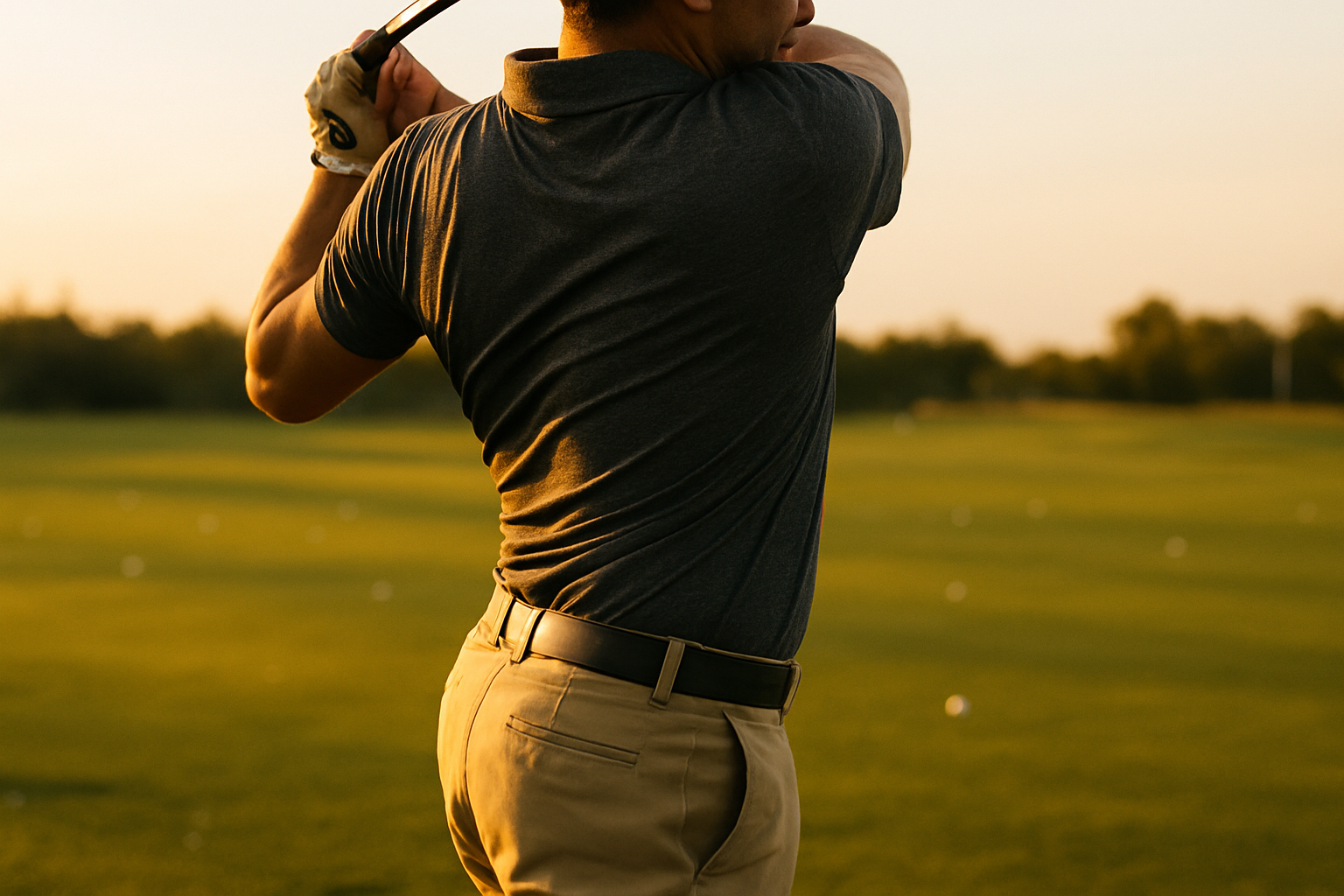
Improved hip rotation is one measurable outcome of golf-specific fitness training.
Golf-Specific Fitness Training vs Traditional Gym Workouts
A traditional gym workout often focuses on bilateral, symmetrical movements like squats and bench presses performed for general strength. In contrast, golf-specific fitness training emphasizes asymmetrical, rotational patterns that mirror the swing’s unique demands on one side of the body more than the other.
Moreover, general programs rarely address the specific mobility restrictions that limit backswing depth or follow-through extension. Therefore, golfers who rely solely on generic training often plateau physically even while their swing coaching continues to improve.
To understand how physical training and swing mechanics work together rather than separately, it helps to review why thinking outside the traditional swing box matters for long-term improvement.
Combining Swing Mechanics With Fitness for Best Results
Neither swing instruction nor physical training alone produces lasting improvement. Instead, the two must work together, since even perfect technique cannot overcome physical restrictions, and strong fitness without technical guidance can reinforce poor patterns.
During the off-season especially, many competitive golfers ask whether they should prioritize swing work or fitness work first. The honest answer, outlined in this winter golf plan comparing swing versus fitness improvement, is that both should progress in parallel rather than sequentially.
Additionally, golfers looking for structured, hands-on learning can benefit from attending focused sessions like the golfer workshops offered through this platform, which combine movement screening with technical feedback. Choosing the right instructor also matters, and the qualities to look for are covered in this piece on what makes a good golf teacher.
According to injury data referenced by the PGA, a significant share of amateur golfers report recurring back or shoulder discomfort tied to swing mechanics compounded by limited physical conditioning. This underscores why pairing science-backed fitness with expert coaching, such as the kinesiology-based instruction detailed at yourgolfguru.com, offers a more sustainable path forward than technique changes alone.
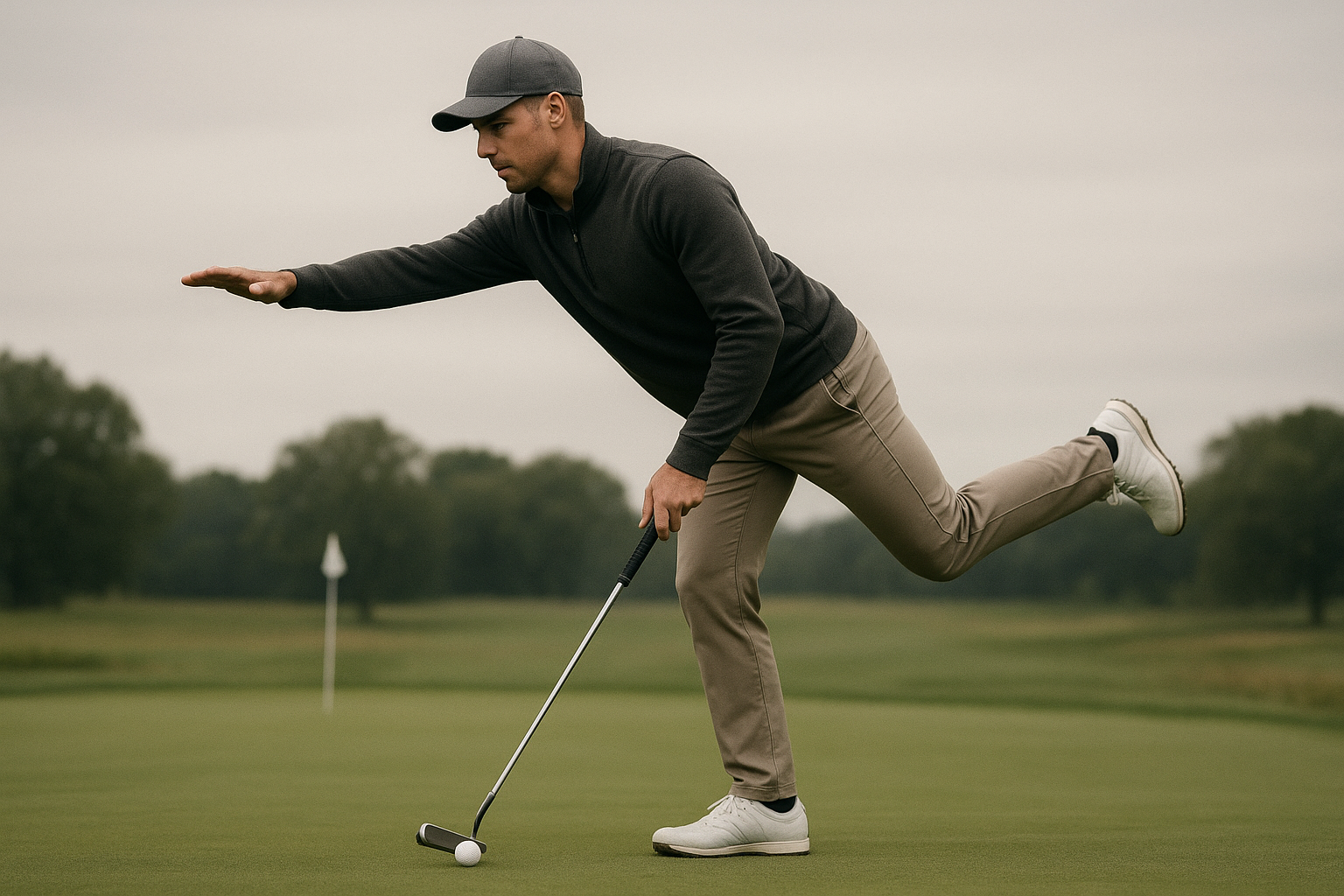
Balance training supports the stability golfers need throughout the swing.
Frequently Asked Questions
What is golf-specific fitness training?
Golf-specific fitness training is a conditioning approach that targets the mobility, rotational power, and stability golfers need for an efficient swing. Unlike general fitness routines, it focuses on movement patterns that mirror the golf swing itself.
How is golf-specific fitness training different from general fitness?
General fitness builds overall health, while golf-specific fitness training targets rotational strength, hip mobility, and the exact muscle chains used during a swing. It also prioritizes injury prevention patterns unique to repetitive rotational sports.
How often should golfers do golf-specific fitness training?
Most competitive golfers benefit from three to four sessions per week, mixing mobility, strength, and power work. Consistency matters more than intensity when building lasting swing-supporting fitness.
What are the main components of a golf-specific fitness training program?
A complete program includes mobility work, rotational strength training, core stability, and balance exercises. Each component supports a different phase of the swing, from backswing coil to follow-through deceleration.
Can golf-specific fitness training help increase swing speed?
Yes, targeted rotational power training can meaningfully increase clubhead speed over several weeks. Stronger hip and torso rotation translates directly into more efficient energy transfer through the swing.
How long does it take to see results from golf-specific fitness training?
Many golfers notice improved mobility and reduced stiffness within two to three weeks. Measurable gains in power and consistency typically appear after six to eight weeks of consistent training.
What common mistakes do golfers make when starting fitness training?
A common mistake is copying generic gym programs instead of movements that match the golf swing’s rotational demands. Skipping mobility work before adding heavy strength training also raises injury risk.
Do I need a gym membership for golf-specific fitness training?
No, a gym membership is not required. Many effective golf-specific fitness training exercises use resistance bands, medicine balls, or bodyweight movements that work well at home.
Is golf-specific fitness training only for professional or elite players?
No, golfers of any level can benefit, though competitive amateurs and aspiring professionals see the fastest performance gains. The underlying biomechanics apply regardless of handicap.
What role does mobility play in golf-specific fitness training?
Mobility allows the hips, thoracic spine, and shoulders to rotate fully without compensation elsewhere in the body. Limited mobility often forces the lower back to overwork, increasing injury risk.
How does golf-specific fitness training help prevent injury?
By strengthening stabilizing muscles and improving joint range of motion, golf-specific fitness training reduces the compensations that lead to back, hip, and shoulder injuries. It builds resilience for the repetitive rotational load of the swing.
What is the best time of year to focus on golf-specific fitness training?
The off-season, particularly winter months, is ideal for building a fitness foundation without competition pressure. This allows strength and mobility gains to translate into swing improvements once the season starts.
Can online coaching provide effective golf-specific fitness training?
Yes, remote coaching can deliver highly effective golf-specific fitness training when it includes video analysis and individualized programming. Digital platforms now let golfers access elite-level expertise regardless of location.
Final Thoughts
Ultimately, golf-specific fitness training gives competitive players a physical foundation that supports long-term swing improvement rather than short-term fixes. By combining mobility, rotational strength, and stability work, golfers can increase power, reduce injury risk, and build a swing that holds up under pressure. As a result, pairing this kind of conditioning with expert, science-backed coaching offers a more complete path toward consistent, sustainable performance gains.